The Majestic Rivers of Aotearoa: Exploring New Zealand's Liquid Lifelines
The Majestic Rivers of Aotearoa: Exploring New Zealand's Liquid Lifelines
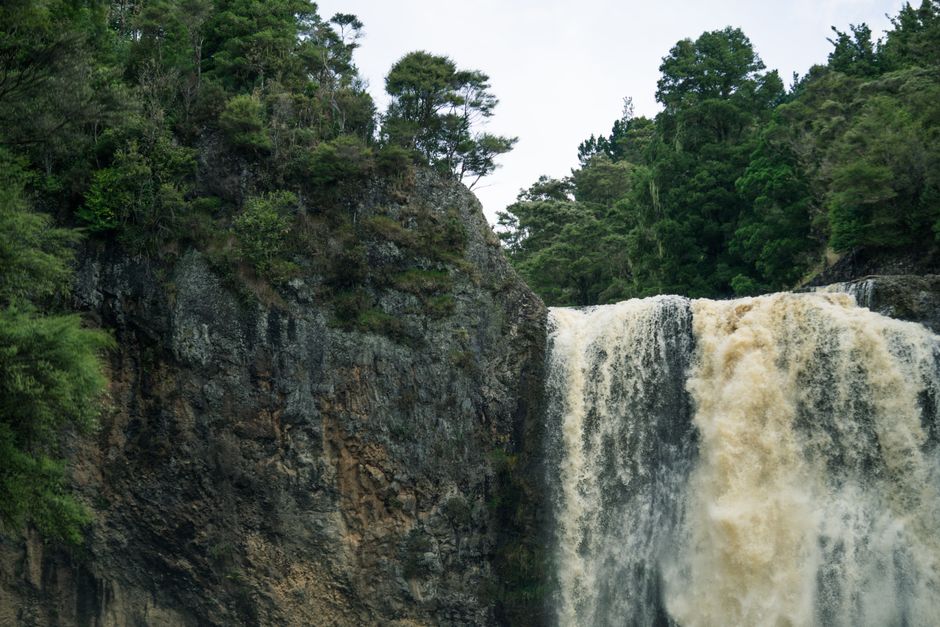
Kia ora! Let's dive into something truly special: the breathtaking river systems of New Zealand, or Aotearoa, as it's known in Māori. I've been lucky enough to explore this incredible country extensively, and I can honestly say that its rivers hold a certain magic. From the adrenaline rush of white-water rafting to the quiet serenity of fly-fishing, they offer something for everyone. So, grab a cuppa, and let's embark on a journey to discover the beauty and wonder of New Zealand's rivers.
Aotearoa's Liquid Veins: Understanding the Importance

New Zealand's rivers aren't just pretty faces; they are the lifeblood of the land. They carve through dramatic landscapes, shaping valleys and mountains over millennia. More importantly, they provide crucial habitats for a diverse range of flora and fauna, and they are integral to New Zealand's economy and culture.
For the Māori, rivers (awa) hold deep spiritual significance. They are considered taonga (treasures), and are often associated with specific iwi (tribes) and their whakapapa (genealogy). The health of a river reflects the health of the people and the land. Protecting these waterways is paramount.
From a practical perspective, rivers provide essential irrigation for agriculture, generate hydroelectric power (a vital source of renewable energy), and supply drinking water to countless communities. They also support a thriving tourism industry based on adventure activities and scenic beauty. The delicate balance between utilizing these resources and preserving their natural state is something New Zealand strives to maintain.
Rafting Adventures: Riding the Rapids

If you're an adrenaline junkie like me, you'll find few experiences more exhilarating than white-water rafting on a New Zealand river. The sheer power of the water, combined with the stunning scenery, creates an unforgettable adventure. I've had the chance to raft on several rivers, and each one offered a unique thrill.
Rotorua's Kaituna River: Known for having the world's highest commercially rafted waterfall (a whopping 7 meters!), the Kaituna is a must-do for experienced rafters. The plunge is heart-stopping, but the professional guides ensure your safety every step of the way.
Queenstown's Shotover River: Nestled in a spectacular canyon, the Shotover River offers a thrilling ride through narrow gorges and rocky outcrops. It's fast-paced and exciting, and the jet boat rides that also navigate the river add to the adventure.
Murchison's Buller River: For something a little less extreme but equally beautiful, the Buller River is a fantastic option. It offers a mix of exhilarating rapids and calm stretches, allowing you to soak in the stunning West Coast scenery. Plus, you might even spot some native wildlife along the way!
When planning your rafting adventure, remember to:
- Choose a reputable operator with experienced guides.
- Wear appropriate clothing and footwear (wetsuits are often provided).
- Listen carefully to the safety briefing.
- Hold on tight and enjoy the ride!
The Art of Fly-Fishing: Casting a Line in Paradise

On the other end of the spectrum, fly-fishing offers a peaceful and contemplative way to connect with New Zealand's rivers. The crystal-clear waters and abundant trout populations make it a world-renowned destination for anglers. I'm a relative newbie to the sport, but I've quickly become hooked (pun intended!) by the challenge and the serenity.
The Tongariro River: Located near Lake Taupo, the Tongariro is legendary for its brown and rainbow trout. It's a relatively easy river to access, with numerous pools and riffles that hold fish. The surrounding scenery is breathtaking, with views of Mount Ruapehu and Mount Ngauruhoe.
The Mataura River: In the South Island, the Mataura River is renowned for its mayfly hatches, which attract large numbers of trout. It's a challenging river to fish, requiring skill and patience, but the rewards are well worth the effort.
The Motueka River: Closer to Nelson, this river is known for its brown trout and stunning clear waters. It's a perfect option for a day trip and offers plenty of opportunities for both beginner and experienced anglers.
Here are a few tips for fly-fishing in New Zealand:
- Obtain a fishing license from Fish & Game New Zealand.
- Familiarize yourself with the local fishing regulations.
- Hire a guide if you're new to the sport or unfamiliar with the river.
- Use appropriate tackle and flies for the specific river and season.
- Practice catch and release to help preserve the fish populations.
Beyond the Thrill: Exploring the Riverbanks

Whether you're an adrenaline junkie or a nature lover, there's so much more to New Zealand's rivers than just rafting or fishing. Simply spending time near the riverbanks can be an incredibly rewarding experience. Hiking along the river trails, picnicking by the water's edge, or simply listening to the gentle sounds of the flowing water can be incredibly therapeutic.
I've stumbled upon some incredible spots during my riverside explorations, including:
- Hidden waterfalls cascading into crystal-clear pools.
- Ancient Māori carvings etched into rocks along the riverbanks.
- Native birds flitting through the trees, their songs filling the air.
One of my favorite things to do is simply find a quiet spot, sit down on a rock, and observe the river. Watching the water flow, noticing the changing light, and listening to the sounds of nature can be a truly meditative experience.
Conservation Efforts: Protecting Our Liquid Treasures

The beauty of New Zealand's rivers is undeniable, but it's also fragile. Pollution, invasive species, and unsustainable water management practices pose significant threats to these precious ecosystems. Fortunately, there are many dedicated individuals and organizations working tirelessly to protect and restore these waterways.
Community-Based Initiatives: Throughout New Zealand, local communities are actively involved in river conservation efforts. They organize clean-up days, plant native trees along riverbanks, and monitor water quality. These grassroots initiatives are essential for ensuring the long-term health of the rivers.
Government Regulations: The New Zealand government has implemented various regulations to protect rivers, including the Resource Management Act, which aims to manage natural resources sustainably. However, ongoing monitoring and enforcement are crucial to ensure that these regulations are effective.
Innovative Technologies: Researchers are developing innovative technologies to address river pollution and improve water quality. These include advanced wastewater treatment systems, stream restoration techniques, and methods for controlling invasive species.
As visitors and residents, we all have a role to play in protecting New Zealand's rivers. Simple actions like:
- Reducing our water consumption.
- Properly disposing of waste.
- Supporting sustainable tourism practices.
- Participating in local conservation efforts.
Can make a big difference.
River Safety: Respecting the Power of Nature

While New Zealand's rivers are beautiful and inviting, it's essential to remember that they can also be dangerous. Swift currents, slippery rocks, and unpredictable weather conditions can pose risks to those who aren't prepared. It's crucial to exercise caution and respect the power of nature when venturing near rivers.
Swim Safely: If you plan to swim in a river, choose a spot that is known to be safe. Avoid swimming in fast-flowing water or near rapids. Always supervise children closely, and never swim alone.
Be Aware of Weather Conditions: River levels can rise rapidly after heavy rain, making them dangerous for swimming or other activities. Check the weather forecast before heading out, and be prepared to change your plans if necessary.
Wear Appropriate Footwear: Slippery rocks are common along riverbanks, so it's essential to wear sturdy footwear with good traction. Wetsuit boots or water shoes are ideal.
Tell Someone Your Plans: Before embarking on any river adventure, let someone know where you're going and when you expect to be back. This will ensure that help can be summoned quickly if needed.
Respect Local Māori Customs: Remember that rivers hold deep spiritual significance for Māori. Be mindful of their cultural values and traditions, and avoid activities that could be considered disrespectful.
Conclusion: A Legacy Worth Protecting

The rivers of New Zealand are more than just bodies of water; they are integral parts of the country's identity, culture, and environment. From the adrenaline-pumping rapids to the serene fishing spots, they offer a diverse range of experiences for locals and visitors alike. But their beauty and value are under threat, and it's up to all of us to protect them for future generations.
I hope this little glimpse into the world of New Zealand's rivers has inspired you to explore and appreciate these incredible natural wonders. Whether you're an experienced adventurer or simply looking for a peaceful escape, the rivers of Aotearoa await you with open arms (or, rather, flowing waters!). So, pack your bags, grab your gear, and get ready to experience the magic for yourself. You won't regret it!
And remember, let's all do our part to ensure that these liquid lifelines continue to thrive for generations to come. Arohanui!
Post a Comment