New Zealand's Underwater Havens: Exploring 14 Marine Reserves

New Zealand's Underwater Havens: Exploring 14 Marine Reserves
Kia ora! Have you ever imagined diving into a world teeming with vibrant life, a place where fish shimmer in a rainbow of colors and coral gardens sway gently in the current? Well, in New Zealand, that's not just a dream; it's a reality thanks to our incredible network of marine reserves. These underwater sanctuaries are havens for marine life, protecting our unique ecosystems and providing us with a window into the wonders of the ocean. I'm excited to share my personal experiences and insights into 14 of these underwater paradises, giving you a glimpse into what makes them so special.
What are Marine Reserves and Why are They Important?

Before we dive in, let's quickly cover the basics. Marine reserves are essentially underwater national parks. They are areas of the sea and coastline that are protected from fishing, mining, and other activities that can harm marine life. Think of them as safe zones where marine ecosystems can thrive.
Why are they so important? Well, for several reasons:
- Protecting Biodiversity: They safeguard a wide range of species, from tiny invertebrates to magnificent whales, ensuring that these creatures have a safe place to live and reproduce.
- Ecosystem Restoration: By removing the pressure of fishing, marine reserves allow fish populations to recover, and ecosystems to regenerate. This creates a healthier and more balanced marine environment.
- Scientific Research: They provide invaluable opportunities for scientists to study marine ecosystems in their natural state, helping us understand how the ocean works and how to protect it better.
- Sustainable Tourism: They attract divers, snorkelers, and nature enthusiasts, contributing to the local economy while promoting responsible tourism.
Basically, marine reserves are a win-win for both marine life and us!
1. Poor Knights Islands Marine Reserve: A Diver's Dream
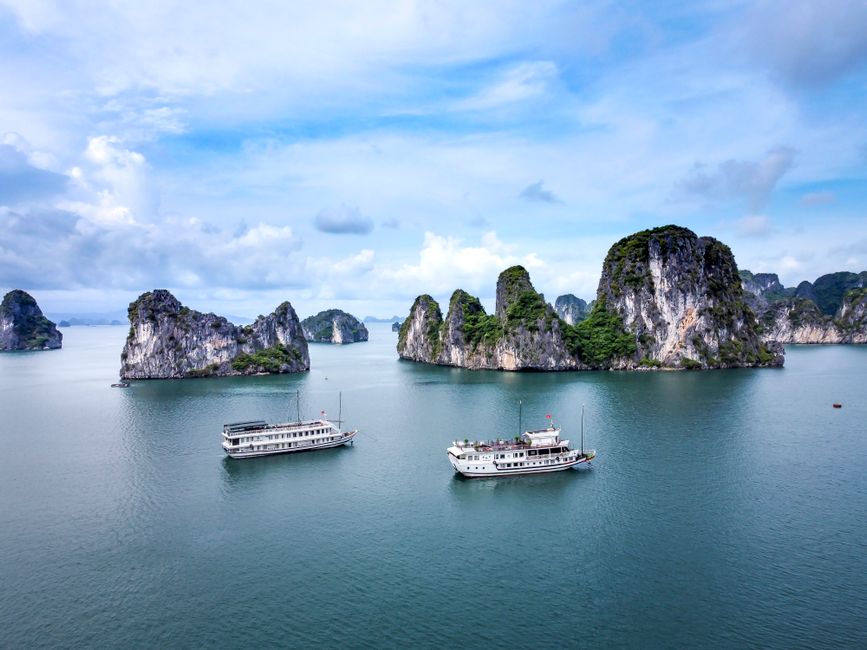
Ah, the Poor Knights Islands. This place is legendary! Jacques Cousteau himself ranked it among the world's top dive sites, and for good reason. Imagine sheer cliffs plunging into crystal-clear waters, underwater caves teeming with life, and schools of fish so dense you can barely see through them. This reserve, located off the Northland coast, is a subtropical paradise.
My own experience diving there was breathtaking. I remember being surrounded by swirling schools of kingfish, spotting playful dolphins, and marveling at the vibrant sponges and corals that clung to the underwater cliffs. The diversity of marine life is just astonishing. It truly felt like entering another world.
2. Cape Rodney-Okakari Point Marine Reserve (Goat Island): Accessible Wonder

Goat Island, near Leigh north of Auckland, was New Zealand's first marine reserve, established in 1975. It's a much more accessible option than the Poor Knights, making it perfect for a day trip. The beauty of Goat Island is that you don't even need to be a diver to appreciate it. Snorkeling is fantastic, and even just walking along the shore, you can see a surprising amount of marine life.
I took my family there last summer, and even my young kids were captivated. We spent hours exploring the rock pools, spotting crabs, starfish, and tiny fish. The glass-bottom boat tour is also a great way to get a glimpse of the underwater world without getting wet. The clarity of the water is impressive, and you're almost guaranteed to see snapper, blue maomao, and maybe even a stingray!
3. Tawharanui Marine Reserve: A Coastal Gem

Tawharanui, also near Auckland, offers a unique blend of stunning coastline and protected waters. This reserve is part of Tawharanui Regional Park, making it a fantastic destination for a weekend getaway. You can explore the rugged coastline, hike through the native forest, and then take a dip in the clear waters of the marine reserve.
What I love about Tawharanui is the variety of activities on offer. You can swim, snorkel, dive, kayak, or simply relax on the beach and soak up the sun. The underwater environment is home to a diverse range of marine life, including colorful reef fish, sponges, and sea urchins. Keep an eye out for dolphins and whales, which are occasional visitors to the area.
4. Long Bay-Okura Marine Reserve: Auckland's Urban Oasis
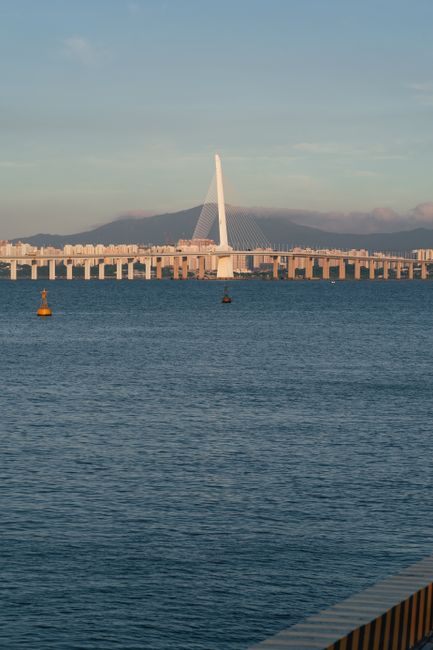
Just a short drive from Auckland city, Long Bay-Okura Marine Reserve offers a welcome escape from the urban bustle. This reserve protects a stretch of coastline that includes sandy beaches, rocky reefs, and sheltered bays. It's a great spot for swimming, snorkeling, and kayaking.
While it might not have the dramatic landscapes of some of the other reserves, Long Bay-Okura still provides a valuable habitat for marine life. It's a popular spot for families, and there are plenty of opportunities to learn about the local marine environment. The Okura Estuary is also a birdwatcher's paradise, with a variety of native and migratory birds calling it home.
5. Te Angiangi Marine Reserve: Hawke's Bay's Hidden Treasure
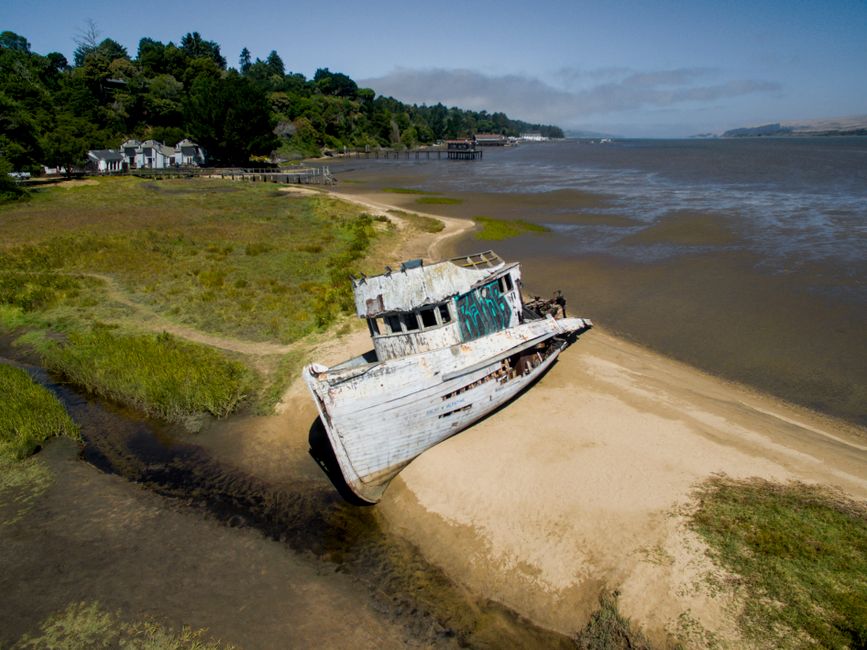
Moving down to the Hawke's Bay region, we find Te Angiangi Marine Reserve, a relatively small but significant area protecting a diverse range of marine habitats. This reserve is known for its rocky reefs, kelp forests, and abundant fish life.
Although I haven't personally dived in Te Angiangi, I've heard incredible stories about the vibrant underwater landscapes. The reserve is home to a variety of reef fish, including snapper, blue cod, and butterfish. It's also a popular spot for crayfish, which are a delicacy in New Zealand. If you're visiting Hawke's Bay, I highly recommend checking out this hidden treasure.
6. Kapiti Island Marine Reserve: Birdsong and Underwater Wonders
Kapiti Island is famous for its bird sanctuary, but did you know that it also boasts a marine reserve? The waters surrounding the island are teeming with life, providing a vital habitat for a variety of species. Combining a visit to the bird sanctuary with a snorkel or dive in the marine reserve makes for an unforgettable experience.
The Kapiti Island Marine Reserve is known for its clear waters and diverse marine life. You can expect to see a variety of reef fish, including blue cod, butterfish, and spotties. The reserve is also home to a number of marine mammals, including dolphins and seals. It's a truly special place where you can experience the best of New Zealand's natural beauty, both above and below the water.
7. Taputeranga Marine Reserve: Wellington's Coastal Jewel

Right on Wellington's doorstep, Taputeranga Marine Reserve protects a stretch of rugged coastline and vibrant underwater ecosystems. This reserve is easily accessible and offers a fantastic opportunity to explore the marine environment without venturing too far from the city.
I've spent many hours snorkeling in Taputeranga, and I'm always amazed by the diversity of life. The reserve is home to a variety of reef fish, including blue cod, butterfish, and scarlet wrasse. You can also see starfish, sea urchins, and a variety of other invertebrates. The underwater visibility can vary, but on a good day, it's crystal clear. A great place to escape the city.
8. Long Island-Kokomohua Marine Reserve: Marlborough Sounds Serenity
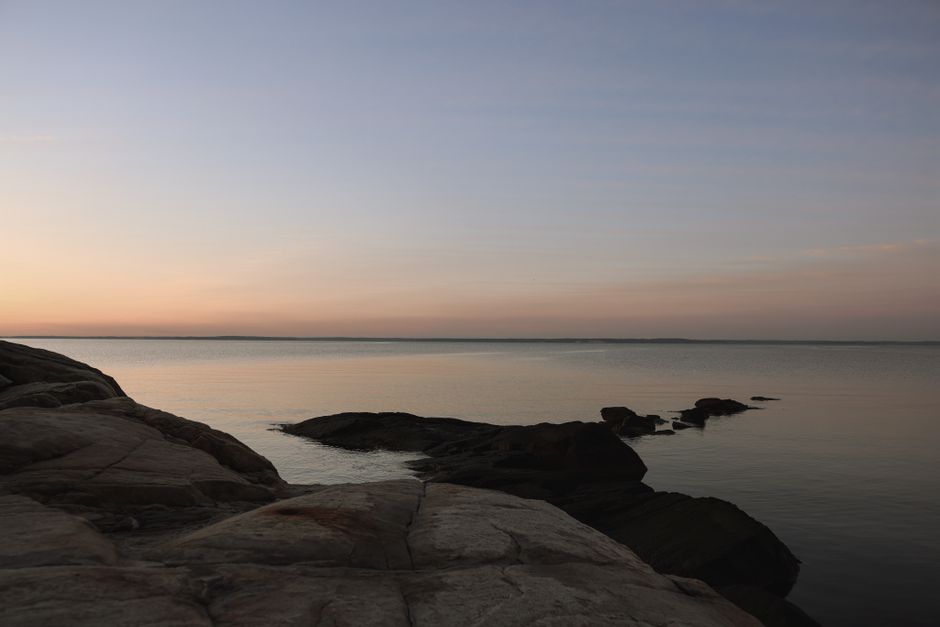
Nestled in the heart of the Marlborough Sounds, Long Island-Kokomohua Marine Reserve offers a tranquil escape into a world of sheltered bays and pristine waters. This reserve is a haven for marine life, providing a safe haven for fish, shellfish, and seabirds.
Kayaking through the Marlborough Sounds is an experience in itself, and exploring the Long Island-Kokomohua Marine Reserve adds another layer of wonder. You can paddle along the coastline, admiring the stunning scenery and spotting marine life along the way. Snorkeling is also a great option, allowing you to get a closer look at the underwater world. Keep an eye out for dolphins, which are frequently seen in the area.
9. Fiordland Marine Area (10 Reserves): A World of Glacial Beauty
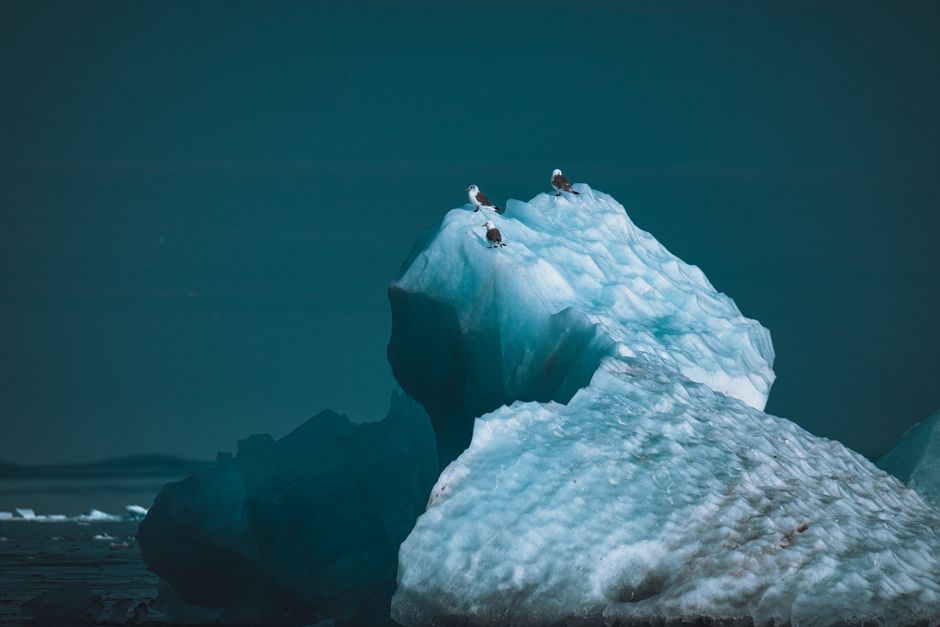
Fiordland is known for its dramatic landscapes and pristine wilderness, and the Fiordland Marine Area, encompassing ten separate marine reserves, extends that beauty beneath the waves. This area is home to a unique ecosystem adapted to the cold, dark waters of the fiords.
Diving in Fiordland is an unforgettable experience. The underwater visibility is often excellent, and the marine life is incredibly diverse. You can see black coral trees, which are actually colonies of animals, growing in the deep waters. The reserves here protect a wide range of species, from seals and dolphins to crayfish and sea urchins. Each of the ten reserves has its own unique character, making Fiordland a true underwater wonderland.
The ten reserves within the Fiordland Marine Area are:
- Hawea (Clio Rocks)
- Kahukura (Nugget Point)
- Kutu Parera (Entrance Island)
- Moana Uta (Five Fingers Peninsula)
- Piopiotahi (Milford Sound)
- Puyehue (Long Sound)
- Taumoana (Thompson Sound)
- Te Awaatu Channel (The Gut)
- Te Tapuwae o Hua (Wet Jacket Arm)
- Useless Island
10. Ulva Island Marine Reserve: Stewart Island's Protected Waters

Ulva Island, near Stewart Island, is a predator-free bird sanctuary, and its surrounding waters are protected by a marine reserve. This combination creates a unique haven for both terrestrial and marine life.
Exploring Ulva Island is like stepping back in time. The native forest is lush and vibrant, and the birdlife is abundant. Snorkeling or diving in the surrounding waters reveals a different kind of beauty. The reserve is home to a variety of reef fish, including blue cod, butterfish, and scarlet wrasse. You can also see seaweeds, sponges, and other invertebrates. It's a truly special place where you can connect with nature in its purest form.
11. Te Matuku Bay Marine Reserve: Waiheke's Island Sanctuary
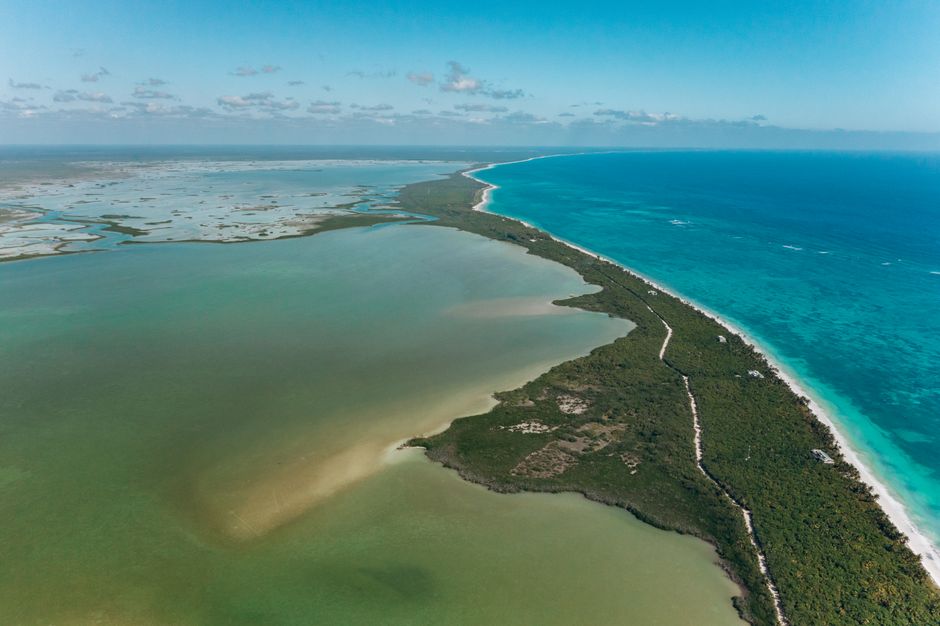
Located on Waiheke Island, Te Matuku Bay Marine Reserve offers a serene escape into a world of sheltered bays and thriving marine life. This reserve protects a significant area of coastal habitat, providing a safe haven for a variety of species.
Te Matuku Bay is a great spot for kayaking and exploring the coastline. The water is generally calm and clear, making it ideal for snorkeling. You can see a variety of reef fish, including snapper, blue maomao, and spotties. The reserve is also home to a number of shellfish species, including oysters and mussels. A visit to Te Matuku Bay is a perfect way to experience the natural beauty of Waiheke Island.
12. Akaroa Marine Reserve: Hector's Dolphin Paradise

Akaroa is known for being home to the world's smallest and rarest dolphins, Hector's dolphins, and the Akaroa Marine Reserve provides critical protection for these amazing creatures and their habitat.
Taking a boat tour is the best way to see Hector's dolphins in Akaroa. These playful dolphins are often curious and will approach the boats, providing incredible photo opportunities. You can also kayak or swim in the area, but it's important to follow the guidelines to ensure that you don't disturb the dolphins. The marine reserve is also home to a variety of other marine life, including seals, penguins, and seabirds. It's a must-visit destination for any nature lover.
13. Pohatu Marine Reserve: A Penguin's Coastal Haven
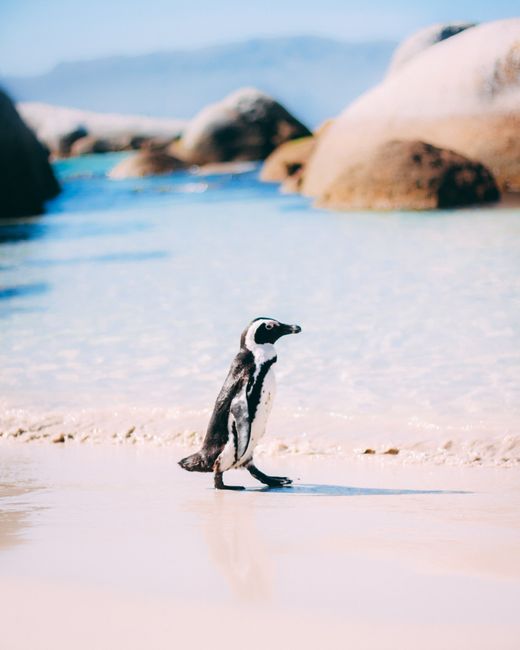
Also located on Banks Peninsula, Pohatu Marine Reserve protects a vital habitat for white-flippered penguins, New Zealand's smallest penguin species. This reserve is a testament to the importance of community-led conservation efforts.
Pohatu is a privately owned and operated marine reserve, and the family who runs it is dedicated to protecting the local penguin population. You can take a guided tour of the reserve, learning about the penguins and the conservation efforts. You might even get a chance to see a penguin up close! The reserve is also home to a variety of other marine life, including seals, seabirds, and reef fish. It's a unique and rewarding experience that will leave you with a deeper appreciation for the importance of conservation.
14. Mimiwhangata Marine Park: Northland's Diverse Ecosystem
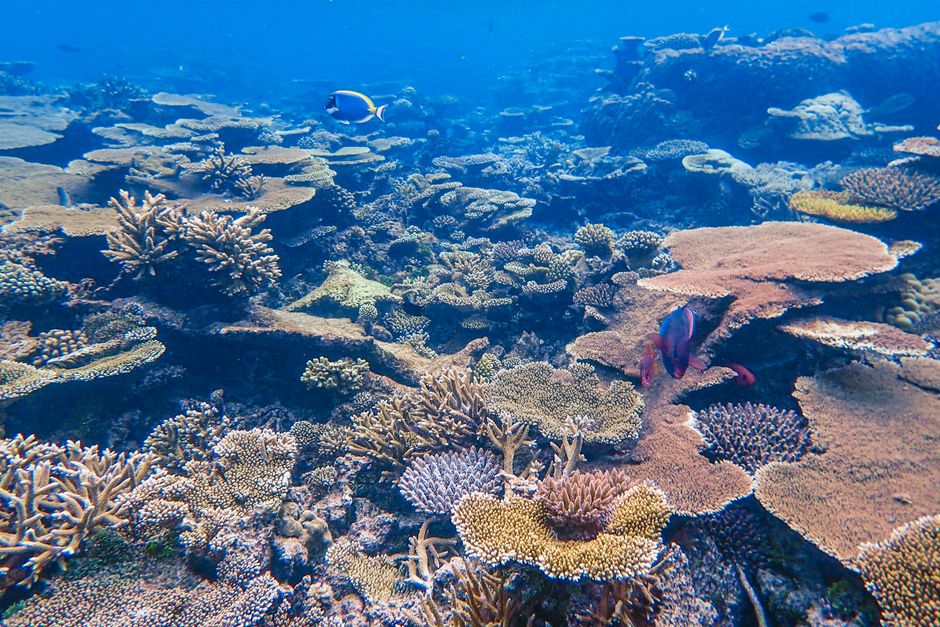
Mimiwhangata, in Northland, isn't a strictly controlled marine reserve in the same way as the others on this list, but it's a Marine Park with partial restrictions designed to protect the area's diverse ecosystems. This area offers a great balance between conservation and recreation, allowing for some fishing activities while still protecting important habitats.
Mimiwhangata is a popular spot for fishing, diving, and snorkeling. The area is known for its clear waters and abundant marine life, including snapper, kingfish, and crayfish. The marine park also protects a variety of coastal habitats, including sandy beaches, rocky reefs, and mangrove forests. It's a great place to experience the natural beauty of Northland and enjoy a range of outdoor activities, all while supporting responsible conservation efforts.
Protecting Our Underwater Paradise

Exploring these 14 marine reserves has been an incredible journey, and I hope I've inspired you to discover the wonders of New Zealand's underwater world for yourself. But it's important to remember that these reserves are fragile and require our ongoing protection. We can all do our part by:
- Respecting the rules: Always follow the regulations of each marine reserve, including fishing restrictions and no-take zones.
- Practicing responsible tourism: Choose tour operators who are committed to sustainable practices.
- Reducing our impact: Avoid using single-use plastics and dispose of waste responsibly.
- Supporting conservation efforts: Donate to organizations that are working to protect our marine environment.
By working together, we can ensure that these underwater paradises continue to thrive for generations to come. Let's cherish and protect these precious ecosystems, so future generations can also experience the magic of New Zealand's marine reserves. Haere rā!
Post a Comment