New Zealand's International Travel & Tourism Role: A Land of Adventure and Beauty

New Zealand's International Travel & Tourism Role: A Land of Adventure and Beauty
Kia ora! Ever dreamt of escaping to a land of breathtaking landscapes, thrilling adventures, and a culture that embraces you with open arms? Well, look no further than Aotearoa New Zealand. As someone who's explored its corners and witnessed its impact firsthand, I can tell you New Zealand plays a surprisingly significant role in the global travel and tourism industry. It's more than just hobbits and bungee jumping; it's a carefully crafted experience that draws visitors from all corners of the globe.
The Allure of the Long White Cloud: New Zealand's Tourism Appeal
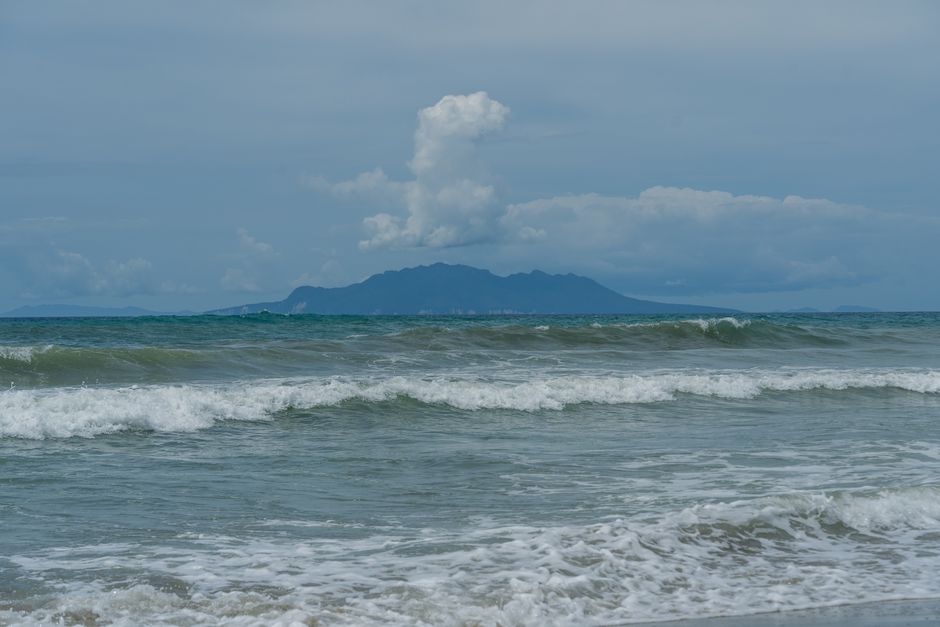
New Zealand's appeal is multifaceted, appealing to a wide range of travelers. Think about it: soaring mountains, pristine beaches, ancient forests, geothermal wonders, and vibrant cities – all packed into a relatively small area. It's like a greatest hits album of natural beauty. But it's not just pretty scenery. The carefully curated tourism experiences, the emphasis on sustainable practices, and the genuine warmth of the Kiwi people are all crucial ingredients in the mix. Let's break down some of the key attractions:
- Natural Beauty: From the Fiordland National Park with its dramatic fjords like Milford Sound, to the turquoise waters of the Bay of Islands, to the volcanic landscapes of Rotorua, New Zealand offers unparalleled natural beauty. The sheer diversity is astonishing.
- Adventure Activities: New Zealand is often called the adventure capital of the world, and for good reason. Bungee jumping, white water rafting, skydiving, hiking, mountain biking – the options are endless for thrill-seekers.
- Maori Culture: Experiencing the rich Maori culture is a deeply moving and enriching experience. From traditional Hangi feasts and captivating performances of the Haka to learning about Maori history and traditions, it adds another layer of depth to a visit.
- Film Tourism: The "Lord of the Rings" and "The Hobbit" trilogies put New Zealand firmly on the map for film enthusiasts. Visiting the Hobbiton Movie Set and exploring the landscapes that inspired Middle-earth is a must for many.
- Sustainability Focus: New Zealand is increasingly focused on sustainable tourism practices, aiming to protect its natural environment and culture for future generations. This resonates strongly with environmentally conscious travelers.
Economic Impact: Tourism as a Cornerstone of the New Zealand Economy
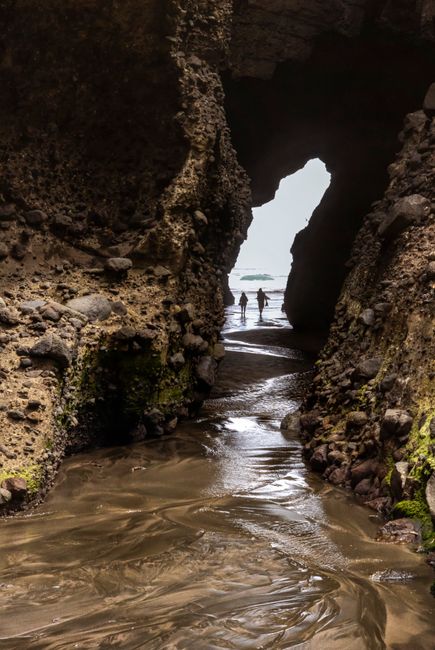
The impact of tourism on the New Zealand economy is substantial. Before the pandemic disrupted international travel, tourism contributed significantly to the GDP, employment, and foreign exchange earnings. It supports a wide range of industries, from accommodation and transportation to hospitality and tour operators. Think of all the small businesses that thrive thanks to tourism – the family-run bed and breakfasts, the local guides who share their knowledge of the land, the artisans who create unique souvenirs.
However, there's a constant balancing act. New Zealand is keenly aware of the potential negative impacts of mass tourism, such as environmental degradation and strain on infrastructure. That's why sustainable tourism practices are so vital, and why the government is actively working to manage tourism in a way that benefits both the economy and the environment.
New Zealand's Role in Setting Standards: Sustainable Tourism Leadership

New Zealand has become a leader in sustainable tourism, pioneering innovative approaches to minimize its environmental footprint and maximize the benefits for local communities. They understand that the long-term health of the tourism industry depends on protecting the very assets that attract visitors in the first place.
Here are some examples of New Zealand's commitment to sustainability:
- Tiaki Promise: The Tiaki Promise is a set of guiding principles that encourages visitors to travel responsibly and respect New Zealand's natural environment and culture. It emphasizes caring for the land, sea, and sky; traveling safely; protecting nature; keeping New Zealand clean; and respecting the culture.
- Department of Conservation (DOC): DOC manages New Zealand's national parks and conservation areas, ensuring that they are protected and accessible for future generations. They also play a key role in promoting responsible tourism within these areas.
- Tourism New Zealand's Sustainability Initiatives: Tourism New Zealand actively promotes sustainable tourism practices and works with tourism operators to implement them. They provide resources and support to help businesses reduce their environmental impact and contribute to local communities.
- Investment in Conservation: Significant investment is made in conservation projects, including pest control, habitat restoration, and the protection of endangered species. These efforts contribute to maintaining the natural beauty that attracts tourists.
Challenges and Opportunities: Navigating the Future of Tourism in New Zealand
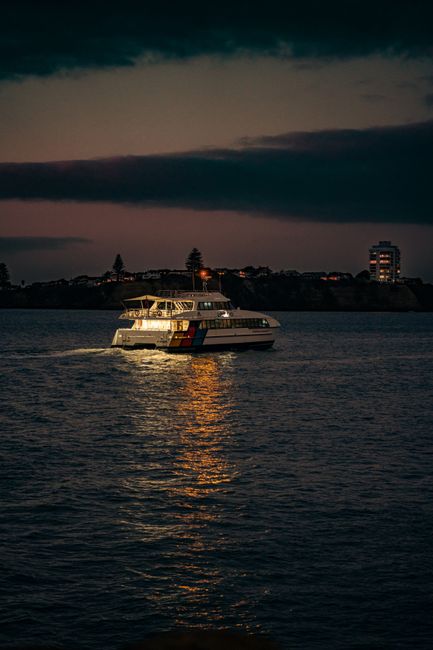
Like any country heavily reliant on tourism, New Zealand faces both challenges and opportunities as it navigates the future of the industry. The COVID-19 pandemic highlighted the vulnerability of the sector and forced a period of reflection and reinvention.
Some key challenges include:
- Over-tourism: In certain popular areas, over-tourism has led to congestion, environmental degradation, and strain on local infrastructure. Managing visitor numbers and promoting responsible travel are crucial to mitigating these impacts.
- Environmental Impact: Tourism activities, such as transportation, accommodation, and waste generation, contribute to carbon emissions and environmental pollution. Reducing the environmental footprint of tourism is a key priority.
- Seasonality: Tourism is often concentrated during peak seasons, leading to fluctuations in demand and pressure on resources. Diversifying tourism offerings and promoting off-season travel can help address this issue.
- Infrastructure Capacity: In some areas, infrastructure, such as roads, airports, and accommodation, may not be adequate to meet the demands of growing tourism. Investing in infrastructure improvements is essential.
However, these challenges also present opportunities:
- Focus on High-Value Tourism: Shift away from mass tourism and focus on attracting high-value visitors who are willing to spend more and are more likely to engage in sustainable tourism practices.
- Diversification of Tourism Offerings: Develop new tourism experiences and activities that showcase New Zealand's diverse regions and cultures, attracting a wider range of visitors.
- Embrace Technology: Utilize technology to enhance the visitor experience, improve efficiency, and promote sustainable practices. This could include using data analytics to manage visitor flows, developing mobile apps for navigation and information, and implementing smart energy solutions.
- Strengthening Community Involvement: Empower local communities to participate in the tourism industry and benefit from its economic opportunities. This could involve supporting Maori tourism businesses, promoting local products and services, and fostering cultural exchange.
The "100% Pure New Zealand" Brand: More Than Just Marketing

The "100% Pure New Zealand" branding campaign has been incredibly successful in positioning New Zealand as a premier tourism destination. But it's more than just clever marketing; it reflects a genuine commitment to preserving the country's natural beauty and cultural heritage. The campaign has helped to raise awareness of New Zealand's unique attributes and attract visitors who are looking for authentic and sustainable experiences.
However, maintaining the integrity of the "100% Pure" brand requires ongoing effort and vigilance. It's not enough to simply promote the image of a pristine environment; New Zealand must actively work to protect its natural resources and address the challenges of over-tourism and environmental degradation. The brand serves as a constant reminder of the responsibility to live up to the promise it makes to visitors.
Beyond the Headlines: Unforgettable Experiences in New Zealand

While the statistics and strategies are important, the heart of New Zealand's tourism lies in the unforgettable experiences it offers. Let me share a few personal highlights:
- Kayaking in Abel Tasman National Park: Paddling through the turquoise waters, surrounded by golden beaches and lush forests, was an absolute highlight. Seeing seals basking in the sun and exploring hidden coves was magical.
- Hiking the Tongariro Alpine Crossing: This challenging but rewarding hike takes you through a volcanic landscape of stunning beauty. The views of Mount Ngauruhoe (Mount Doom) and the Emerald Lakes are truly breathtaking.
- Visiting a Maori Marae: Experiencing a traditional Maori welcome ceremony and learning about their customs and beliefs was a deeply moving and enriching experience. The warmth and hospitality of the Maori people are truly remarkable.
- Stargazing in the Aoraki Mackenzie International Dark Sky Reserve: With its incredibly dark skies, this region is a paradise for stargazers. Seeing the Milky Way stretching across the sky and identifying constellations with the help of a local guide was an unforgettable experience.
New Zealand's Global Influence: Inspiring Other Nations

New Zealand's success in tourism, particularly its focus on sustainability and cultural preservation, serves as an inspiration for other nations. Its innovative policies and practices are being studied and emulated by countries around the world. New Zealand has demonstrated that it is possible to develop a thriving tourism industry while protecting the environment and benefiting local communities.
Specifically, other nations can learn from New Zealand's:
- Commitment to Sustainable Tourism: The Tiaki Promise and other sustainability initiatives demonstrate New Zealand's commitment to responsible tourism practices.
- Partnership Approach: Collaboration between government, industry, and local communities is essential for successful tourism management.
- Focus on Quality over Quantity: Attracting high-value visitors and providing exceptional experiences can generate greater economic benefits while minimizing environmental impact.
- Respect for Indigenous Culture: Integrating Maori culture into tourism offerings and empowering Maori communities can create authentic and enriching experiences for visitors.
Planning Your Trip: Tips for a Responsible and Memorable Visit

If you're planning a trip to New Zealand, here are a few tips to help you travel responsibly and have a truly memorable experience:
- Respect the Tiaki Promise: Familiarize yourself with the Tiaki Promise and commit to traveling responsibly.
- Support Local Businesses: Choose locally owned and operated accommodation, restaurants, and tour companies.
- Minimize Your Environmental Impact: Reduce your waste, conserve water and energy, and choose eco-friendly transportation options.
- Respect Maori Culture: Learn about Maori customs and traditions and show respect for their culture.
- Explore Beyond the Popular Spots: Venture off the beaten path and discover the hidden gems of New Zealand.
- Book in Advance: Especially during peak season, book your accommodation, tours, and transportation well in advance.
- Be Prepared for the Weather: New Zealand's weather can be unpredictable, so be sure to pack layers of clothing and be prepared for all conditions.
New Zealand's role in international travel and tourism is a complex and evolving one. It's a destination that offers unparalleled natural beauty, thrilling adventures, and a rich cultural heritage. But it's also a country that is deeply committed to sustainability and responsible tourism. By visiting New Zealand, you're not just experiencing a beautiful place; you're supporting a country that is working to protect its environment and culture for future generations. So, pack your bags, embrace the spirit of adventure, and prepare to be amazed by the magic of Aotearoa New Zealand!
Post a Comment