New Zealand's Fiery Heart: Unveiling 11 Volcanic Wonders & Their Stories
New Zealand's Fiery Heart: Unveiling 11 Volcanic Wonders & Their Stories
Kia ora! Ever wondered what lies beneath the stunning landscapes of Aotearoa, New Zealand? It's not just rolling hills and shimmering lakes, my friend; it's a bubbling cauldron of geological activity, a volcanic history that has shaped this incredible country. I've always been fascinated by volcanoes – their raw power, their ability to create and destroy, and the stories they whisper through the earth. So, grab a cuppa, settle in, and let's explore 11 of New Zealand's most captivating volcanoes, both active and dormant. I'll share some personal experiences and insights along the way!
Understanding New Zealand's Volcanic Landscape
New Zealand sits smack-bang on the Pacific Ring of Fire, a zone of intense tectonic activity. This means the Earth's crust is constantly shifting, colliding, and subducting. Think of it like a giant, slow-motion car crash! This collision creates immense pressure and heat deep within the Earth, melting rock into magma. When this magma finds a pathway to the surface, through vents and fissures, well, you get a volcano! It's a pretty spectacular – and sometimes scary – phenomenon.
The North Island, in particular, is where most of the volcanic action happens. The Taupo Volcanic Zone (TVZ) is a prime example, a region stretching from White Island (Whakaari) to Mount Ruapehu. But don't think the South Island is entirely immune – it has its fair share of volcanic history, though less actively today.
1. Whakaari/White Island: A Living, Breathing Volcano
Whakaari/White Island is probably New Zealand's most iconic active volcano. I'll never forget my first glimpse of it from a boat – a steaming, sulfuric island rising dramatically from the sea. It's a privately owned island, and until recently, you could actually walk inside the crater! The smell of sulfur is overpowering, and the landscape is surreal – bubbling mud pools, steaming vents, and colorful mineral deposits. Sadly, the 2019 eruption was a devastating reminder of the power and unpredictability of volcanoes. Tours are now restricted, but its legacy as a volcanically active island remains.
What makes Whakaari so special?
- Its Accessibility (Historically): Being able to walk inside an active volcanic crater was a truly unique experience, though sadly, no longer the case.
- Its Continuous Activity: Whakaari is constantly degassing, creating a visual spectacle of steam and sulfur.
- Its Rich History: It's been visited by Māori for centuries, who recognized its power and significance.
2. Mount Ruapehu: A Majestic Giant

Mount Ruapehu is the North Island's highest peak and a truly majestic sight, especially in winter when it's covered in snow. It's an active stratovolcano and home to a crater lake that can sometimes breach, causing lahars (volcanic mudflows). I've skied on Ruapehu many times at Whakapapa and Turoa ski fields, and the feeling of skiing on an active volcano is pretty exhilarating (and slightly nerve-wracking!).
Ruapehu's significance is multifaceted:
- Skiing and Snowboarding: It's home to two of New Zealand's largest ski fields.
- Trekking and Hiking: In summer, the mountain offers incredible hiking opportunities.
- Māori Spiritual Significance: It holds deep spiritual importance to local Māori iwi (tribes).
3. Mount Ngauruhoe: Mordor's Fiery Double

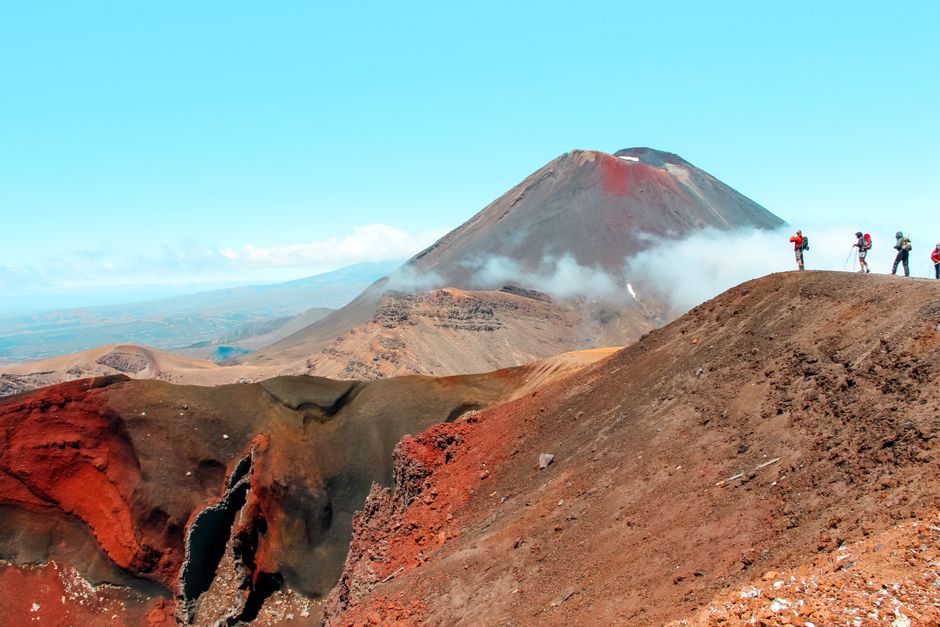
Mount Ngauruhoe, another active stratovolcano in Tongariro National Park, is often mistaken for Mount Doom in the Lord of the Rings movies (though Mount Ruapehu was also used for some scenes). It's a perfectly conical volcano, a classic example of a stratovolcano's shape. I haven't climbed Ngauruhoe myself (it's a challenging climb!), but I've admired its beauty from the Tongariro Alpine Crossing.
Ngauruhoe's distinct features include:
- Its Perfect Cone Shape: A classic example of a stratovolcano.
- Its Role in Lord of the Rings: Immortalized as Mount Doom.
- Its Challenging Climb: A steep and demanding climb for experienced hikers.
4. Mount Tongariro: The Alpine Crossing's Volcanic Heart
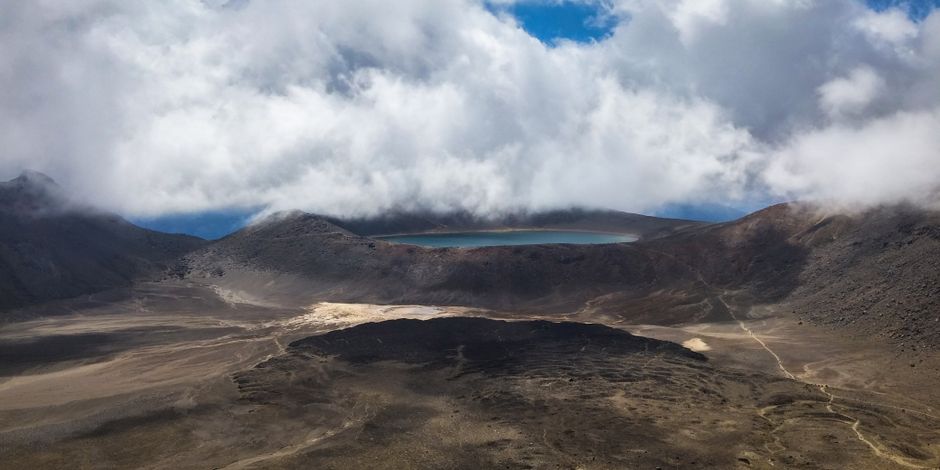
Mount Tongariro is a complex of active volcanoes in Tongariro National Park, including Ngauruhoe. The Tongariro Alpine Crossing, one of New Zealand's most popular hikes, traverses its slopes, offering breathtaking views of volcanic landscapes, emerald lakes, and steaming vents. I've hiked the Crossing twice, and it's an unforgettable experience – the scenery is just out of this world!
The Tongariro complex is known for:
- The Tongariro Alpine Crossing: A world-renowned hiking trail.
- The Emerald Lakes: Vibrant colored lakes formed in old explosion craters.
- Its Complex Volcanic System: A network of interconnected volcanoes.
5. Taupo Volcano: A Supervolcano's Sleeping Giant

Lake Taupo is actually the caldera of a supervolcano, meaning it's capable of producing eruptions of colossal magnitude. The last major eruption, the Oruanui eruption around 26,500 years ago, was one of the largest volcanic eruptions in the world! Thankfully, Taupo is currently dormant, but it's a reminder of the powerful forces at play beneath the surface. I love spending time at Lake Taupo, knowing that I'm essentially sitting on top of a sleeping giant!
Taupo's significance lies in:
- Its Supervolcano Status: Capable of producing extremely large eruptions.
- Lake Taupo: The vast caldera filled with water, creating a stunning lake.
- Its Geothermal Activity: Evidenced by hot springs and geothermal power plants in the area.
6. Mayor Island/Tuhua: An Island of Obsidian Treasures

Mayor Island/Tuhua is a shield volcano located off the coast of the Bay of Plenty. It's known for its rich deposits of obsidian, a volcanic glass prized by Māori for making tools and weapons. While I haven't visited Mayor Island personally, I've seen obsidian artifacts from the island in museums – they're incredibly beautiful and demonstrate the ingenuity of Māori in utilizing natural resources.
Tuhua is notable for:
- Its Obsidian Deposits: A valuable resource for Māori.
- Its Shield Volcano Shape: A broad, gently sloping volcano.
- Its Historical Significance: An important site for Māori culture and trade.
7. Auckland Volcanic Field: Urban Volcanoes Galore
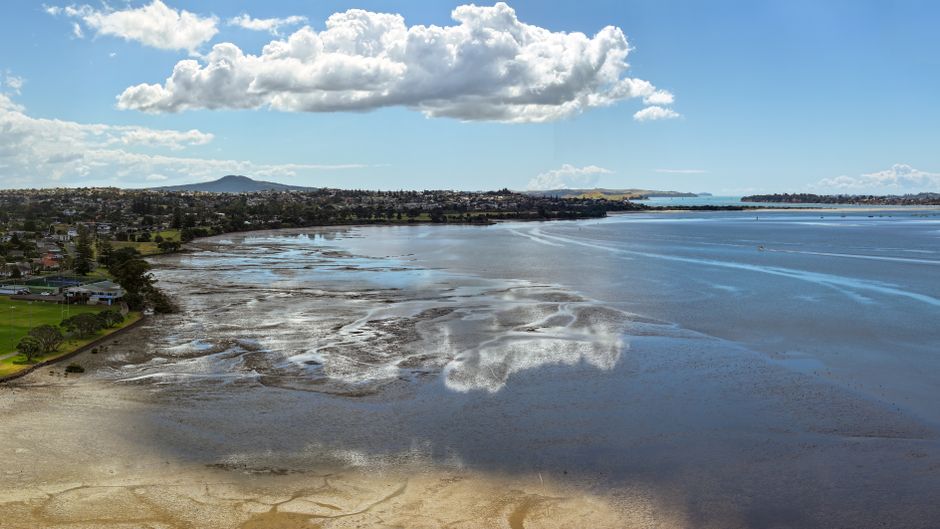
Did you know that Auckland, New Zealand's largest city, is built on a volcanic field? The Auckland Volcanic Field is a collection of around 50 volcanoes, all relatively young in geological terms (the most recent eruption was about 600 years ago). Most are small scoria cones and maars (shallow craters). Mount Eden (Maungawhau) and One Tree Hill (Maungakiekie) are two of the most well-known. I love hiking up these volcanoes – they offer stunning views of the city and the harbor, and it's a constant reminder that Auckland is living in a volcanic landscape.
Auckland's volcanic field is unique because:
- Its Urban Location: Located within a major city.
- Its Variety of Volcanoes: A collection of scoria cones, maars, and lava flows.
- Its Relatively Young Age: The most recent eruption was only 600 years ago.
8. Rotorua: Geothermal Wonderland
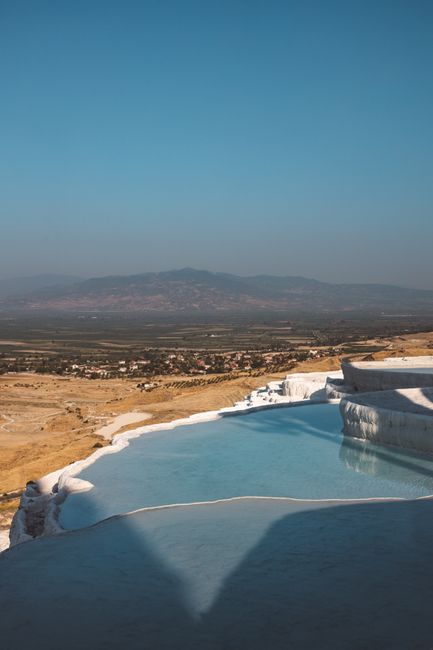
Rotorua is a geothermal wonderland, with bubbling mud pools, steaming geysers, and colorful hot springs. It's located within the Taupo Volcanic Zone and is a testament to the ongoing volcanic activity in the area. I've visited Rotorua many times, and it's always a fascinating experience – the smell of sulfur is ever-present, and the geothermal features are truly spectacular. Te Puia and Wai-O-Tapu are two of the most popular geothermal parks.
Rotorua is famous for:
- Its Geothermal Activity: Geysers, mud pools, and hot springs.
- Its Māori Culture: A strong connection to Māori history and traditions.
- Its Tourism: A popular destination for tourists seeking geothermal experiences.
9. Mount Taranaki/Egmont: A Solitary Sentinel
Mount Taranaki, also known as Mount Egmont, is a dormant stratovolcano on the west coast of the North Island. It's a perfectly symmetrical cone and a stunning sight, often shrouded in mist. I haven't climbed Taranaki yet, but it's definitely on my bucket list. The views from the summit are said to be incredible, stretching out over the surrounding farmland and the Tasman Sea.
Taranaki is remarkable for:
- Its Symmetrical Cone Shape: A visually striking volcano.
- Its Isolation: Standing alone on the Taranaki Peninsula.
- Its Dormant Status: Potentially active in the future.
10. Banks Peninsula: A Volcanic Past in the South Island
Banks Peninsula, near Christchurch in the South Island, is the eroded remnant of two large shield volcanoes. While no longer actively volcanic, it's a beautiful area with a unique landscape shaped by its volcanic past. I've driven around Banks Peninsula, and the dramatic coastline, with its sheltered bays and rolling hills, is a testament to the power of volcanic activity.
Banks Peninsula is characterized by:
- Its Volcanic Origins: Formed by two shield volcanoes.
- Its Eroded Landscape: Shaped by erosion over millions of years.
- Its Unique Ecosystems: Home to native wildlife and diverse flora.
11. The Kermadec Islands: Submerged Volcanoes & Island Arcs
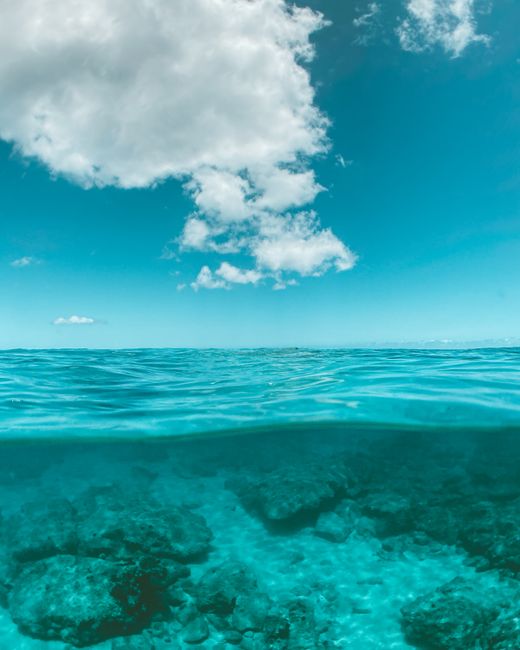
While less known than the other volcanoes on this list, the Kermadec Islands, a remote island arc north of New Zealand, are part of a chain of submarine volcanoes. These islands are uninhabited (except for a research station) and represent the northernmost part of New Zealand's territory. The volcanic activity here is largely underwater, but it plays a significant role in the region's geological processes. I haven't visited the Kermadec Islands, but I find them fascinating – a hidden world of volcanic activity beneath the waves.
The Kermadec Islands are significant because:
- Their Submarine Volcanic Activity: A chain of underwater volcanoes.
- Their Remote Location: Uninhabited and relatively unexplored.
- Their Contribution to Geological Research: Providing valuable insights into volcanic processes.
Living with Volcanoes: Respect and Preparedness

Living in a volcanically active country is both exciting and a bit daunting. It's a constant reminder of the Earth's power and the importance of respecting nature. It's crucial to be aware of the potential hazards and to be prepared for volcanic activity. The GeoNet website is an excellent resource for information on volcanic activity in New Zealand. They monitor volcanoes, provide alerts, and offer advice on how to stay safe.
We need to remember these points:
- Stay informed about volcanic activity.
- Follow official advice and warnings.
- Prepare an emergency plan.
The Future of Volcanic Activity in New Zealand

Volcanic activity is a natural part of New Zealand's landscape, and it will continue to shape the country for millennia to come. While we can't predict exactly when the next eruption will occur, we can continue to monitor volcanoes, learn from past events, and be prepared for future activity. It's all about understanding the risks and respecting the power of nature.
So, there you have it – a whirlwind tour of 11 of New Zealand's most fascinating volcanoes. I hope this article has sparked your curiosity and inspired you to explore the volcanic wonders of Aotearoa. Just remember to be respectful, be prepared, and enjoy the incredible beauty and power of these geological giants!
Post a Comment