Chasing the Southern Lights: My Aurora Australis Adventure in New Zealand

Chasing the Southern Lights: My Aurora Australis Adventure in New Zealand
Have you ever felt that tug? That undeniable pull towards something magical, something otherworldly? For me, that pull was towards the Aurora Australis, the Southern Lights. I'd seen breathtaking photos and heard whispered tales, and I knew I had to experience it for myself. And so began my adventure to New Zealand, a land renowned for its stunning landscapes and, most importantly, its potential for witnessing this celestial spectacle.
Planning the Quest: Timing and Location are Key

Okay, let's be real, chasing the Aurora Australis isn't as simple as hopping on a plane and hoping for the best. A bit of planning is essential. The first thing I learned was that timing is everything. The best months to spot the Southern Lights in New Zealand are generally during the winter months – from March to September. The longer, darker nights provide the ideal canvas for the aurora's dance.
I opted for August, hoping to capitalize on the peak aurora season. But even within those months, it's a gamble. Solar activity is unpredictable, and clear skies are crucial. I meticulously checked the space weather forecasts, paying close attention to the Kp index, a measure of geomagnetic activity. A Kp index of 5 or higher generally indicates a good chance of seeing the aurora.
Next up: location, location, location! New Zealand's South Island, with its lower latitude, is the prime aurora-viewing territory. I considered a few different spots:
- Stewart Island/Rakiura: Famed for its dark skies and pristine environment, this island offers an incredible aurora-watching experience. However, it's also the most remote and requires extra planning for accommodation and transportation.
- The Catlins: This coastal region boasts stunning beaches, rugged cliffs, and minimal light pollution. It's a photographer's dream.
- Lake Tekapo: Home to the iconic Church of the Good Shepherd, Lake Tekapo is a popular astrophotography destination, offering beautiful foreground elements for your aurora shots.
- Queenstown: While slightly more light-polluted than the other options, Queenstown's accessibility and breathtaking scenery make it a viable choice.
Ultimately, I decided to base myself near Lake Tekapo. The Church of the Good Shepherd had been calling my name for years, and the thought of capturing the aurora with that iconic structure in the foreground was simply irresistible.
Gear Up: What to Pack for an Aurora Hunt

Now, let's talk gear. You don't need to break the bank, but having the right equipment can significantly enhance your aurora-chasing experience. Here's what I packed:
- Warm Clothes: This is non-negotiable! Even in August, the nights in New Zealand can be bone-chilling. I'm talking layers upon layers – thermal underwear, fleece jackets, a thick down coat, gloves, a beanie, and warm socks. Don't underestimate the power of hand and foot warmers either!
- Camera and Tripod: If you want to capture the aurora's beauty, a camera capable of shooting in manual mode is essential. A sturdy tripod is equally important to keep your camera steady during long exposures.
- Wide-Angle Lens: A wide-angle lens (something around 14mm-24mm) will allow you to capture more of the sky.
- Extra Batteries and Memory Cards: Cold temperatures drain batteries quickly, so pack extra batteries. And trust me, you'll be snapping a LOT of photos, so a few extra memory cards are a must.
- Red Light Headlamp: A red light headlamp is crucial for preserving your night vision. White light can ruin your eyes' adaptation to the darkness and also annoy other aurora hunters.
- Thermos with Hot Drink: Sipping on a warm beverage while waiting for the aurora to appear is a delightful way to stay comfortable.
- Portable Charger: Keep your phone charged so you can track forecasts and communicate if needed.
The Waiting Game: Patience is a Virtue

I arrived in Lake Tekapo feeling a mix of excitement and anticipation. The first few nights were clear, but alas, no aurora. It was a test of patience. I spent my days exploring the stunning landscapes around Lake Tekapo, hiking to mountaintops, and soaking in the turquoise waters. But every evening, I would diligently check the space weather forecasts, hoping for a sign.
The waiting game can be tough, but don't get discouraged! Use the time to familiarize yourself with your camera settings. Practice focusing in the dark and experiment with different exposure times. The more prepared you are, the better your chances of capturing stunning aurora photos when the moment arrives.
The Night It Happened: A Celestial Dance
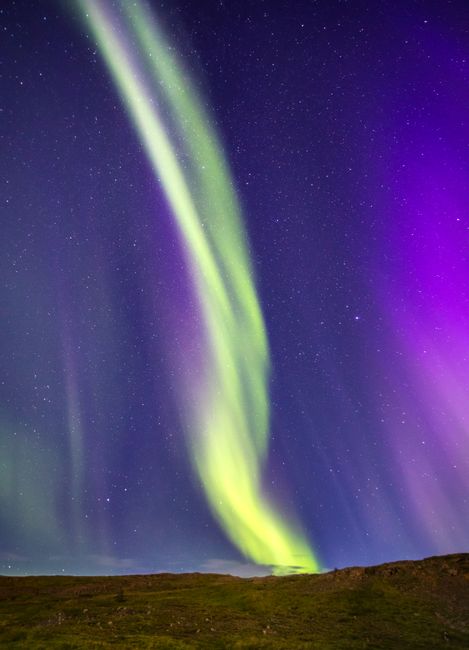
On the fourth night, everything aligned. The Kp index jumped to 6, the skies were crystal clear, and a buzz of excitement filled the air. I packed my gear, grabbed my thermos of hot chocolate, and headed towards the Church of the Good Shepherd. A small group of fellow aurora hunters had already gathered, their cameras pointed towards the southern horizon.
And then, it started. A faint, ethereal glow began to creep above the mountains. At first, it was barely perceptible, a subtle green hue that could easily be mistaken for a cloud. But as the minutes passed, the glow intensified, morphing into shimmering curtains of light. The aurora began to dance, swirling and pulsating across the sky.
It was breathtaking.
The greens were the most prominent, but hints of pink and purple danced along the edges of the auroral displays. It was as if the heavens had opened up and were putting on a spectacular show just for us. I was completely mesmerized. I fumbled with my camera, trying to capture the magic unfolding before my eyes. I experimented with different settings, trying to find the perfect balance between sharpness and brightness. I knew that no photograph could truly capture the awe-inspiring beauty of the aurora, but I wanted to preserve the memory of that moment forever.
The aurora continued to dance for hours, its intensity waxing and waning. Sometimes it would fade almost completely, only to burst back to life with renewed vigor. The energy in the air was palpable. Everyone around me was whispering in hushed tones, sharing their amazement and excitement. It was a truly communal experience, a shared moment of wonder under the celestial spotlight.
Capturing the Moment: Tips for Aurora Photography
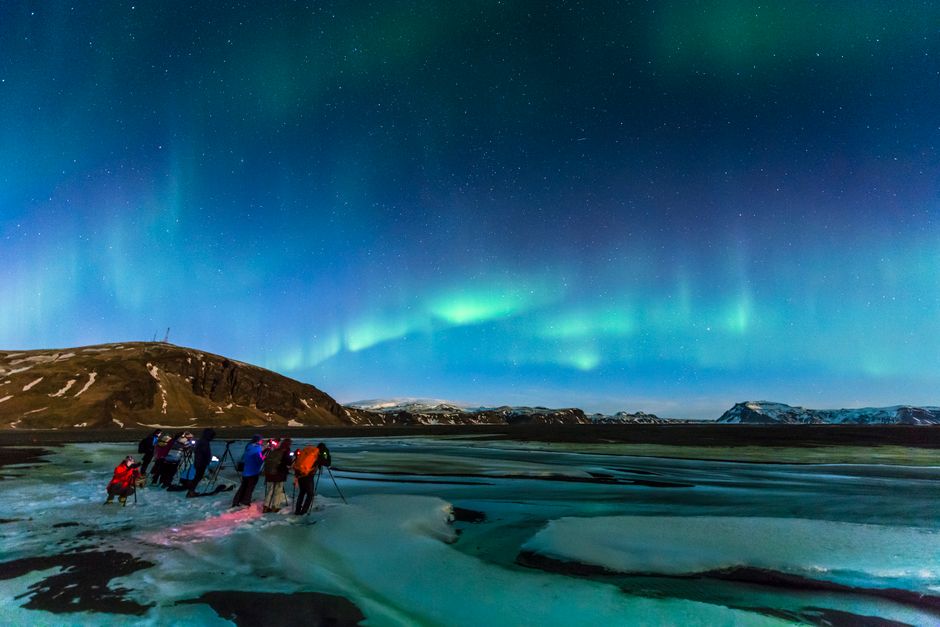
Photographing the aurora can be challenging, especially in the dark. Here are a few tips that I learned along the way:
- Shoot in Manual Mode: Take control of your camera settings by shooting in manual mode. This will allow you to adjust the aperture, shutter speed, and ISO to achieve the best results.
- Use a Wide Aperture: Set your aperture to the widest possible setting (e.g., f/2.8 or f/4) to let in as much light as possible.
- Experiment with Shutter Speed: The ideal shutter speed will depend on the brightness of the aurora. Start with a shutter speed of around 5-10 seconds and adjust as needed. Longer shutter speeds will capture more light but may also result in blurry images if the aurora is moving quickly.
- Increase the ISO: Increase the ISO to make your sensor more sensitive to light. Start with an ISO of around 800 and adjust as needed. Be mindful of noise, as high ISO settings can introduce graininess into your images.
- Focus Manually: Autofocus often struggles in the dark. Switch to manual focus and focus on a distant star or a bright object in the landscape. Use live view and zoom in to ensure that your image is sharp.
- Use a Remote Shutter Release: A remote shutter release will prevent camera shake when you press the shutter button. If you don't have a remote shutter release, you can use the camera's self-timer.
- Shoot in RAW: Shooting in RAW format will give you more flexibility when editing your photos. RAW files contain more information than JPEG files, allowing you to make adjustments to exposure, white balance, and other settings without sacrificing image quality.
Beyond the Lights: Exploring New Zealand's Beauty
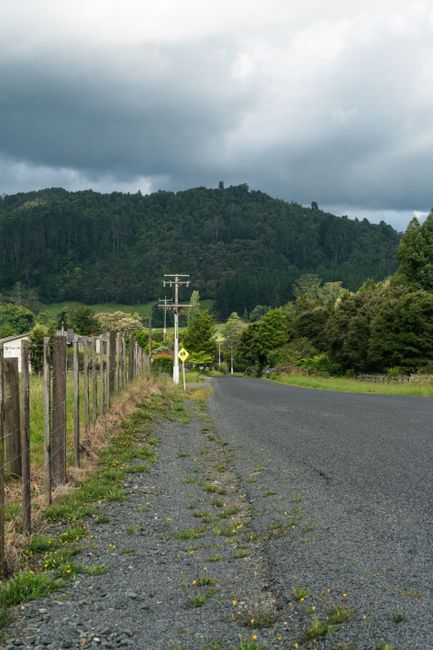
While the Aurora Australis was the main attraction, my trip to New Zealand was about so much more. I spent my days exploring the stunning landscapes of the South Island:
- Hiking in Aoraki/Mount Cook National Park: Home to New Zealand's highest peak, this park offers breathtaking views of glaciers, mountains, and turquoise lakes.
- Exploring the Fiordland National Park and Milford Sound: A boat trip through the stunning fjords is an unforgettable experience.
- Stargazing at the Dark Sky Reserve in Lake Tekapo: Even without the aurora, the night sky in Lake Tekapo is incredible. The Dark Sky Reserve ensures minimal light pollution, allowing you to see the Milky Way in all its glory.
- Visiting Dunedin and the Otago Peninsula: A charming city with stunning coastal scenery and wildlife viewing opportunities, including albatross and penguins.
New Zealand is truly a paradise for nature lovers. From the majestic mountains to the pristine beaches, there's something for everyone to enjoy. I found the people to be incredibly friendly and welcoming, and the culture was rich and diverse.
Reflections on an Aurora Adventure
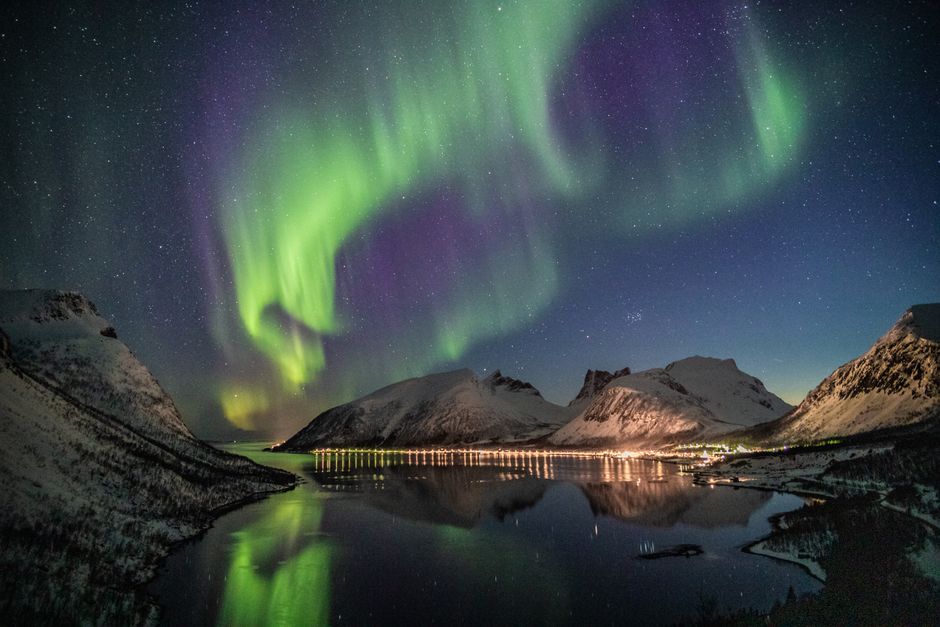
Chasing the Aurora Australis in New Zealand was an experience that I will never forget. It was a journey of patience, perseverance, and ultimately, awe. It taught me the importance of being present in the moment, of appreciating the beauty of the natural world, and of never giving up on my dreams.
Seeing the Southern Lights dance across the sky was a truly humbling experience. It reminded me of the vastness and wonder of the universe and of our place within it. If you're looking for an adventure that will challenge you, inspire you, and leave you breathless, I highly recommend chasing the Aurora Australis in New Zealand. Just be prepared for the waiting game, pack your warm clothes, and keep your eyes on the sky. You never know when the magic will happen.
So, are you ready to embark on your own Aurora Australis adventure? It's a journey well worth taking!
Post a Comment