21 New Zealand's Maritime History Tales of Sailors and Whalers
21 New Zealand's Maritime History Tales of Sailors and Whalers
Kia ora, friends! Come closer, let me spin you some yarns. Not just any yarns, mind you, but tales woven from the salt-laced spray and sun-baked decks of New Zealand's maritime past. For an island nation like Aotearoa, the sea isn't just a border; it's a lifeline, a source of stories, and the very foundation of our connection to the world. Forget boring history textbooks, we're diving deep into the adventures, the hardships, and the sheer resilience of the sailors and whalers who shaped our country.
The Polynesian Navigators: Stars as Their Guide
Long before European ships appeared on the horizon, the first explorers of New Zealand were the Polynesians. Imagine navigating vast stretches of ocean, using only the stars, the currents, and the flight patterns of birds. These weren't haphazard journeys; they were calculated voyages, guided by generations of accumulated knowledge. Think about the courage it took to set out into the unknown, driven by a thirst for discovery and the need to find new lands.
Their waka, or canoes, were engineering marvels for their time. Built for speed and stability, they carried not only people but also the plants and animals needed to establish new settlements. These early voyagers were more than just sailors; they were environmental pioneers, transforming uninhabited islands into thriving ecosystems. It's a testament to their ingenuity and respect for the natural world.
Abel Tasman: A Brief Encounter

Now, let's fast forward a bit to 1642. Abel Tasman, a Dutch explorer, became the first European to sight New Zealand. His encounter wasn't exactly a warm welcome. His men clashed with Māori in Golden Bay, resulting in fatalities on both sides. Tasman named the land "Staten Landt," believing it to be part of a landmass near South America. He never set foot on the shore, and his maps were inaccurate, but his voyage marked a turning point in New Zealand's history. It's kind of a shaky start to our European story, isn't it?
Captain Cook: Charting a New Course

More than a century later, in 1769, Captain James Cook arrived aboard the Endeavour. This voyage was different. Cook meticulously charted the coastline, documented the flora and fauna, and established contact with Māori. He circumnavigated the islands, proving that New Zealand was indeed two separate landmasses. Cook's voyages opened the door for European colonization, for better or for worse.
Cook's skill as a navigator was legendary. He utilized advanced techniques of celestial navigation, keeping remarkably accurate records. However, it's essential to remember that his arrival also marked the beginning of a complex and often fraught relationship between Māori and Europeans.
The Rise of Whaling: A Brutal Industry

The late 18th and early 19th centuries saw the rise of whaling in New Zealand waters. Whale oil was in high demand in Europe and America, used for lighting, lubrication, and even the production of textiles. Whaling ships from around the globe flocked to New Zealand, drawn by the abundance of whales.
Life aboard a whaling ship was harsh and dangerous. Imagine spending months at sea, enduring storms, battling massive whales with hand-held harpoons, and living in cramped, unsanitary conditions. The work was brutal, and the rewards were often minimal for the ordinary seaman.
Early whaling stations dotted the New Zealand coastline, including:
- Kororāreka (Russell): One of the earliest and most notorious whaling ports.
- Tory Channel: Located in the Marlborough Sounds, a sheltered haven for whalers.
- Akaroa: A French settlement that also became a whaling hub.
Māori and Whaling: A Two-Sided Coin

Māori were deeply involved in the whaling industry, both as crew members on European ships and as independent whalers. Some iwi (tribes) profited significantly from trading with whalers, providing supplies and labor. However, the industry also had a devastating impact on whale populations and disrupted traditional Māori practices.
For some Māori, whaling became a source of economic opportunity and a way to engage with the changing world. For others, it represented the destruction of a valuable resource and the erosion of their cultural heritage. It was a complex and multifaceted relationship, highlighting the complexities of colonization and cultural exchange.
Shipwrecks: Tragedies of the Deep

Given the treacherous waters surrounding New Zealand, shipwrecks were common. These disasters resulted in immense loss of life and left a lasting impact on the communities affected. The sheer power of the ocean, combined with unpredictable weather, made even the most experienced sailors vulnerable.
Here are a few notable shipwrecks:
- The Orpheus (1863): Wrecked on the Manukau Bar, resulting in the loss of 189 lives. This remains one of New Zealand's worst maritime disasters.
- The General Grant (1866): Sank off the Auckland Islands, supposedly carrying a large quantity of gold. The wreck has become a legendary treasure hunt.
- The Elingamite (1902): Struck a rock off the Three Kings Islands, leading to significant loss of life and scattering valuable cargo.
The New Zealand Navy: Protecting Our Shores
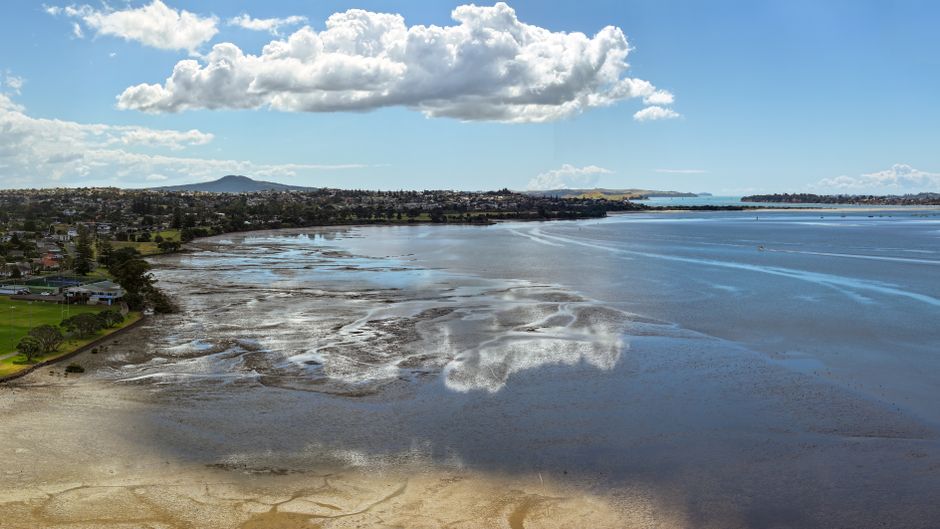
The New Zealand Navy has played a crucial role in protecting our maritime borders and contributing to international peacekeeping efforts. From humble beginnings as a naval division of the British Royal Navy, the Royal New Zealand Navy has evolved into a modern and capable force.
During both World Wars, New Zealand naval vessels participated in crucial battles and patrols, helping to safeguard shipping lanes and protect Allied forces. Today, the Navy continues to play a vital role in maritime security, search and rescue operations, and humanitarian assistance.
Coastal Trading: The Lifeblood of the Nation
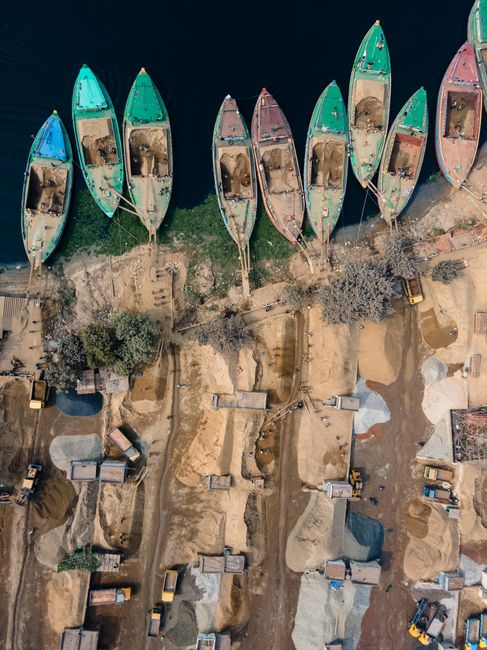
For much of New Zealand's history, coastal trading was essential for connecting communities and transporting goods. Before the development of roads and railways, ships were the primary means of moving cargo between ports.
Small coastal steamers, known as "coasters," plied the waters around New Zealand, carrying everything from wool and timber to passengers and mail. These vessels were the lifeblood of many remote settlements, providing a vital link to the outside world. It's fascinating to think of these little ships keeping the country connected before modern infrastructure existed.
The Union Steam Ship Company: A Maritime Giant
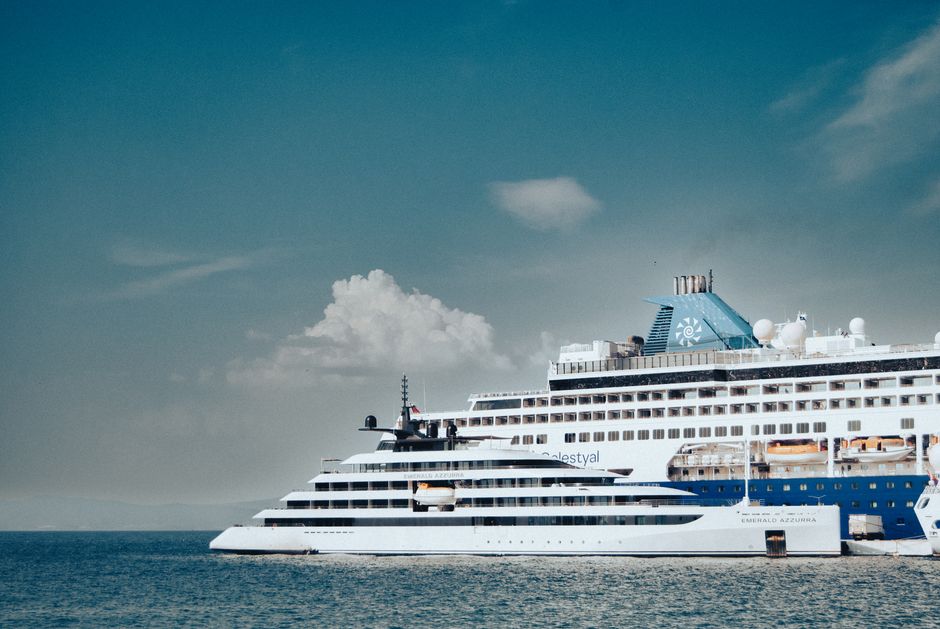
The Union Steam Ship Company (USSC) dominated New Zealand's coastal shipping trade for over a century. The "Southern Octopus," as it was sometimes called, controlled a vast fleet of vessels and played a significant role in shaping the country's economy.
The USSC transported millions of passengers, connected communities, and facilitated trade. Its ships became iconic symbols of New Zealand maritime life. The company's influence was so pervasive that it became almost synonymous with shipping in New Zealand.
Fishing: A Source of Sustenance and Livelihood

Fishing has always been an integral part of New Zealand's maritime heritage. From traditional Māori fishing practices to the modern commercial fishing industry, the sea has provided a source of sustenance and livelihood for generations.
Māori developed sophisticated fishing techniques and a deep understanding of marine ecosystems. Today, the fishing industry remains a significant contributor to the New Zealand economy, but it also faces challenges related to sustainability and environmental management. Finding that balance is key for future generations.
Maritime Art and Literature: Capturing the Essence of the Sea
The sea has inspired countless artists, writers, and poets in New Zealand. From paintings of dramatic shipwrecks to novels about daring sailors, maritime themes have permeated our culture.
Artists such as Colin McCahon and Rita Angus have captured the raw beauty and power of the New Zealand coastline. Writers like Maurice Shadbolt and Janet Frame have explored the themes of isolation, resilience, and the human connection to the sea. These works help us understand and appreciate the profound impact the sea has had on our national identity.
The America's Cup: A Nation's Pride

New Zealand's success in the America's Cup has cemented our reputation as a sailing nation. The victories of Team New Zealand have sparked national pride and inspired a generation of sailors.
The America's Cup is more than just a yacht race; it's a showcase of innovation, teamwork, and determination. New Zealand's triumphs have demonstrated our expertise in boat design, sailing tactics, and the pursuit of excellence. It's a source of national pride that brings the whole country together.
Modern Maritime Challenges: Navigating the Future

Today, New Zealand faces new maritime challenges, including climate change, pollution, and the sustainable management of marine resources. As an island nation, we must be vigilant in protecting our oceans and ensuring their health for future generations.
Addressing these challenges requires international cooperation, innovative solutions, and a commitment to environmental stewardship. The future of New Zealand is inextricably linked to the health and well-being of our oceans.
Preserving Our Maritime Heritage: Keeping the Stories Alive

It's vital that we preserve our maritime heritage for future generations. Museums, historical societies, and community groups play a crucial role in collecting, documenting, and sharing the stories of our seafaring past.
Visiting maritime museums, exploring historic ports, and supporting research initiatives can help us connect with our maritime roots and appreciate the legacy of those who shaped our nation. These stories are a valuable part of our identity, and we must ensure that they are never forgotten.
Maritime Tourism: Experiencing the Sea Firsthand
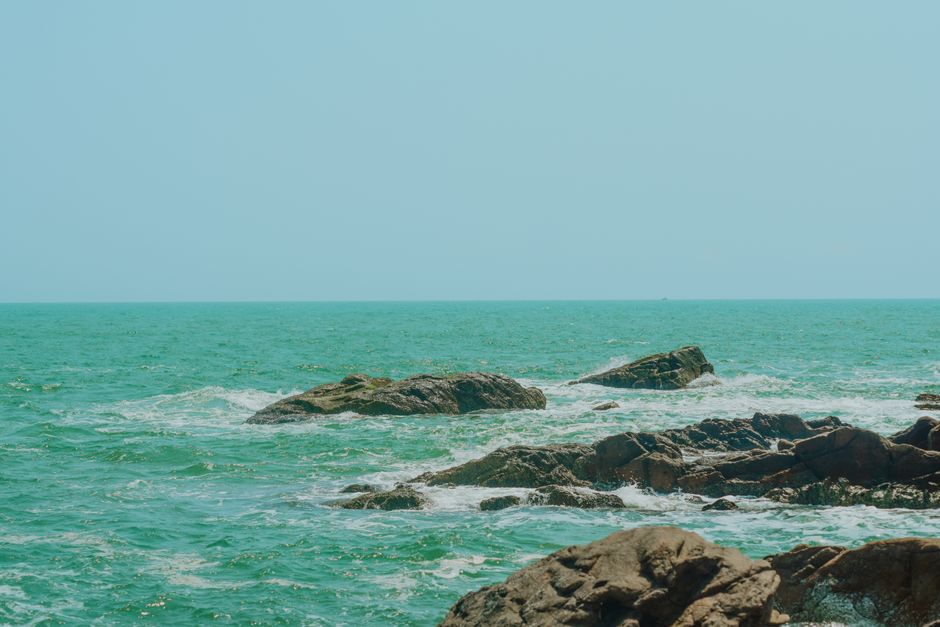
Maritime tourism offers a unique opportunity to experience New Zealand's coastal landscapes and learn about our maritime history. From sailing trips and whale watching tours to exploring historic sites, there are countless ways to connect with the sea.
Supporting sustainable tourism practices can help protect our marine environment and ensure that future generations can enjoy the beauty and wonder of our oceans. It's a chance to not just learn about the past, but to actively participate in preserving it.
The Call of the Sea: A Timeless Connection

The call of the sea continues to resonate in the hearts of New Zealanders. Whether it's the thrill of sailing, the peace of fishing, or the simple joy of walking along the beach, the ocean remains an integral part of our lives.
Our maritime heritage is a testament to the courage, resilience, and ingenuity of those who braved the waves and shaped our nation. Let us continue to cherish our connection to the sea and celebrate the stories of the sailors and whalers who helped to build Aotearoa.
So, there you have it – a whirlwind tour of New Zealand's maritime history! From the ancient Polynesian navigators to the modern challenges we face today, the sea has always been, and will continue to be, a defining force in our national identity. Thanks for taking this journey with me!
Post a Comment