20 Exploring New Zealand's Caves Beyond Glowworms, Formations and Folklore
20 Exploring New Zealand's Caves Beyond Glowworms, Formations and Folklore
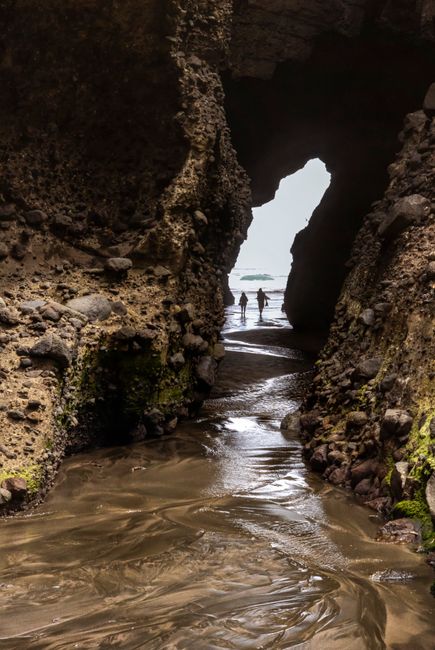
Okay, let's talk about New Zealand. When most people think of Aotearoa, they picture rolling green hills, majestic mountains, and maybe those adorable, flightless kiwis. But beyond the postcard-perfect landscapes, there's a whole other world waiting to be discovered beneath the surface: a world of caves. And I'm not just talking about the famous glowworm caves, although those are magical too! I'm talking about delving into the heart of the earth, exploring hidden geological wonders, and connecting with the rich history and folklore woven into the very fabric of these subterranean spaces.
I've always been fascinated by caves. There's something so incredibly mysterious and awe-inspiring about venturing into the unknown, surrounded by ancient rock formations sculpted over millennia. And New Zealand, with its diverse geology and volcanic activity, boasts some of the most spectacular and unique cave systems on the planet. So, forget the usual tourist traps for a minute and let's dive into 20 ways to explore New Zealand's caves beyond the usual glowworms, formations, and folklore. Get ready for an adventure!
1. Caving and Abseiling Adventures in Waitomo
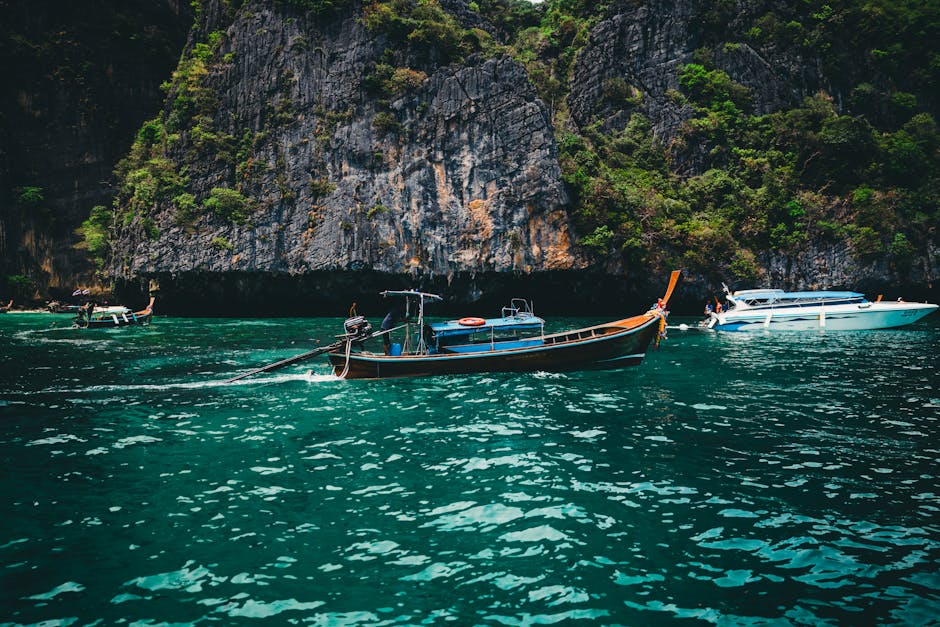
Of course, we have to start in Waitomo. While the glowworm caves are a must-see, don't limit yourself! Several operators offer black water rafting (tubing through the caves in your swimsuit) and abseiling experiences that will get your adrenaline pumping. Imagine rappelling down into the darkness, the sound of rushing water echoing around you, and then floating through an underground river surrounded by twinkling glowworms. It's an unforgettable experience!
2. Beyond the Tourist Trail: Discovering Uncharted Caves

New Zealand's caving scene extends far beyond the commercially operated caves. Many local caving clubs and guides offer expeditions to more remote and challenging cave systems. This is where you truly get to experience the raw beauty and adventure of cave exploration. Expect tight squeezes, muddy crawls, and the thrill of discovering formations that few others have seen.
3. The History Whispers: Exploring Caves with Archaeological Significance
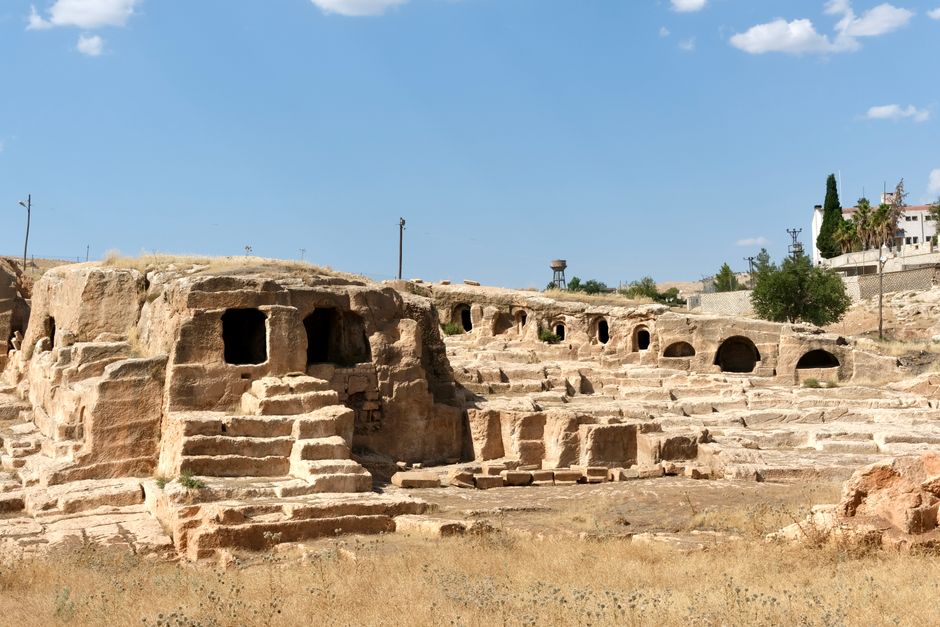
Many caves in New Zealand hold significant archaeological value, revealing clues about the country's early inhabitants, the Maori. Caves were often used for shelter, storage, and even burial. Some cave sites contain ancient rock art, tools, and other artifacts, offering a fascinating glimpse into the past. Look for tours that incorporate archaeological insights into the cave experience.
4. Diving into Cave Diving: A Thrill for Experienced Divers
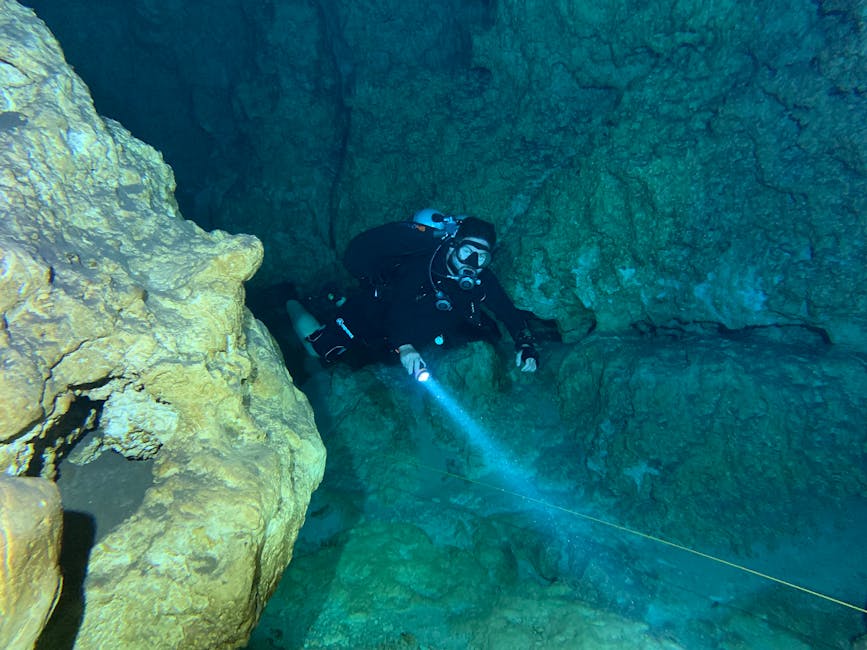
For experienced and certified cave divers, New Zealand offers some incredible opportunities to explore submerged cave systems. These dives are not for the faint of heart and require specialized equipment and training. However, the rewards are immense: pristine underwater environments, unique geological formations, and the chance to explore a hidden world that few ever see.
5. Stargazing from Cave Entrances: A Unique Perspective

Many cave entrances offer breathtaking views of the night sky, far from the light pollution of cities. Imagine lying back at the mouth of a cave, surrounded by the stillness of the night, and gazing up at the Milky Way stretching across the horizon. It's a magical and surreal experience.
6. Caves as Habitats: Spotting Cave-Dwelling Creatures
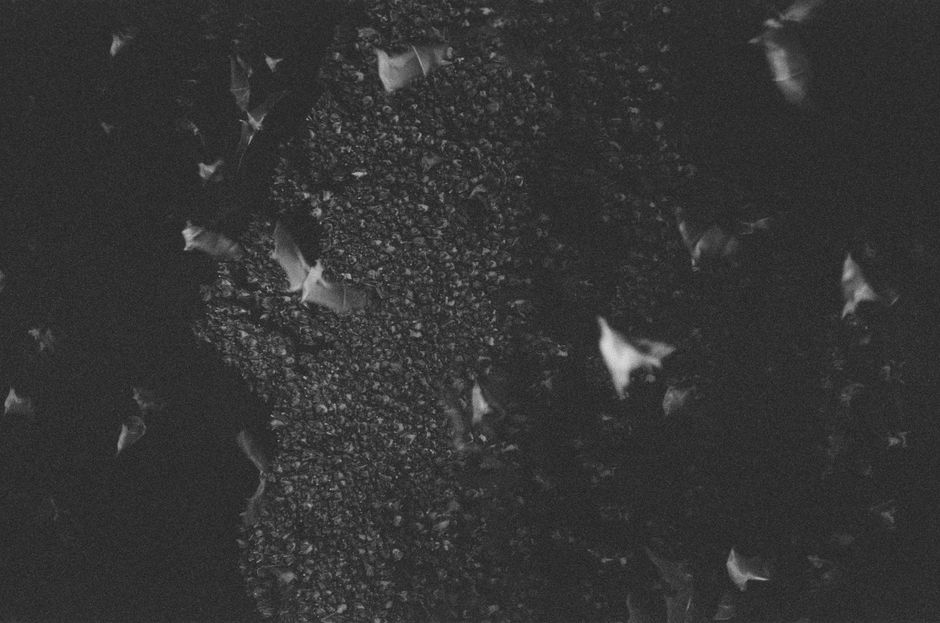
Caves are home to a variety of unique creatures adapted to the dark and often damp environment. These can include cave wetas (large flightless crickets), cave spiders, and even rare species of fish. Keep an eye out for these fascinating inhabitants during your cave explorations.
7. Photography in Caves: Capturing the Subterranean Beauty
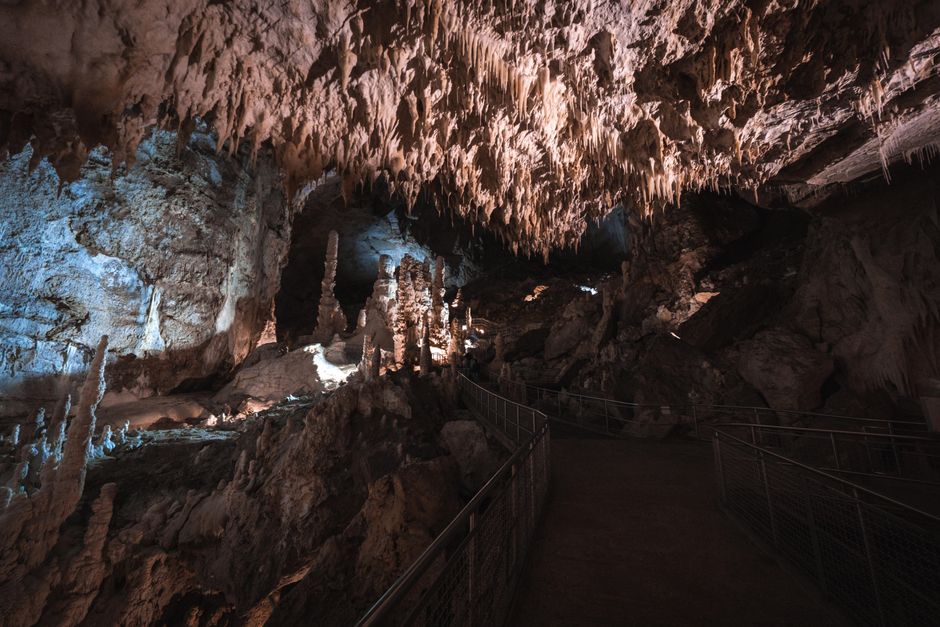
Caves offer incredible opportunities for photography, but they also present unique challenges. Low light, high humidity, and tight spaces require specialized equipment and techniques. However, with the right preparation, you can capture stunning images of cave formations, glowworms, and the overall atmosphere of these subterranean worlds.
8. The Geology of Caves: Understanding Formation Processes
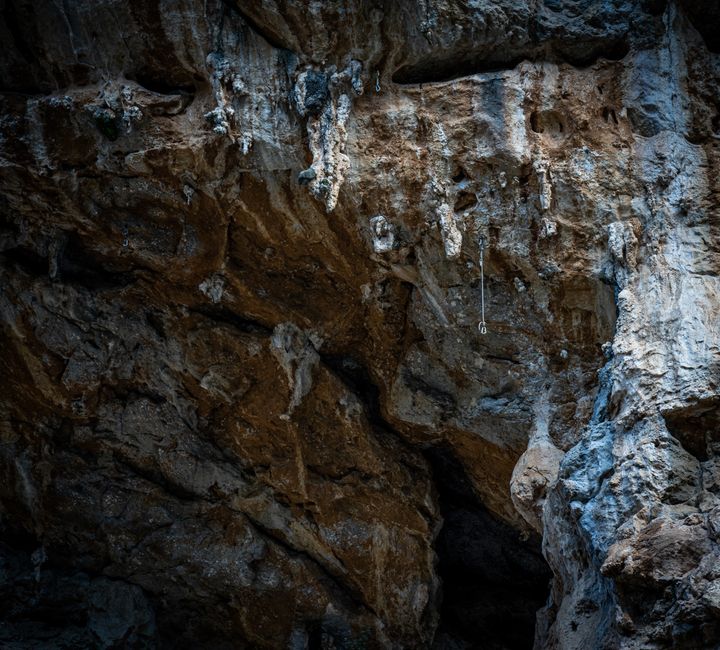
Learning about the geology of caves can greatly enhance your exploration experience. Understanding how caves are formed, the different types of rock formations, and the geological processes that shape them will give you a deeper appreciation for the natural wonders you are witnessing. Look for tours led by geologists or with strong geological interpretation.
9. Cave Conservation: Protecting Fragile Ecosystems

It's crucial to approach cave exploration with a sense of responsibility and respect for the environment. Caves are fragile ecosystems that can be easily damaged by human activity. Always follow Leave No Trace principles, avoid touching formations, and dispose of waste properly. Support tour operators that prioritize cave conservation.
10. Exploring the Cave Systems of the West Coast

The West Coast of the South Island is known for its rugged beauty and vast wilderness. It's also home to several lesser-known but equally impressive cave systems. Explore caves carved by glaciers and rivers, and discover hidden waterfalls and underground lakes.
11. The Caves of the Nelson Region

The Nelson region, at the top of the South Island, boasts a variety of caves, often associated with the marble and limestone formations found there. Some are accessible by boat, adding another dimension to your caving adventure.
12. Hot Water Caves: Experience Subterranean Warmth

Due to New Zealand's geothermal activity, you can even find caves with naturally heated water. Imagine soaking in a warm, mineral-rich pool inside a cave, surrounded by the sounds of dripping water and the soft glow of natural light. This is caving with a luxurious twist!
13. Caving for Kids: Making it a Family Adventure

Many caves offer family-friendly tours suitable for children of all ages. These tours are often shorter and less strenuous, focusing on the educational aspects of caving and the wonders of the subterranean world. It's a great way to introduce kids to the wonders of nature and adventure.
14. Combining Caving with Other Outdoor Activities
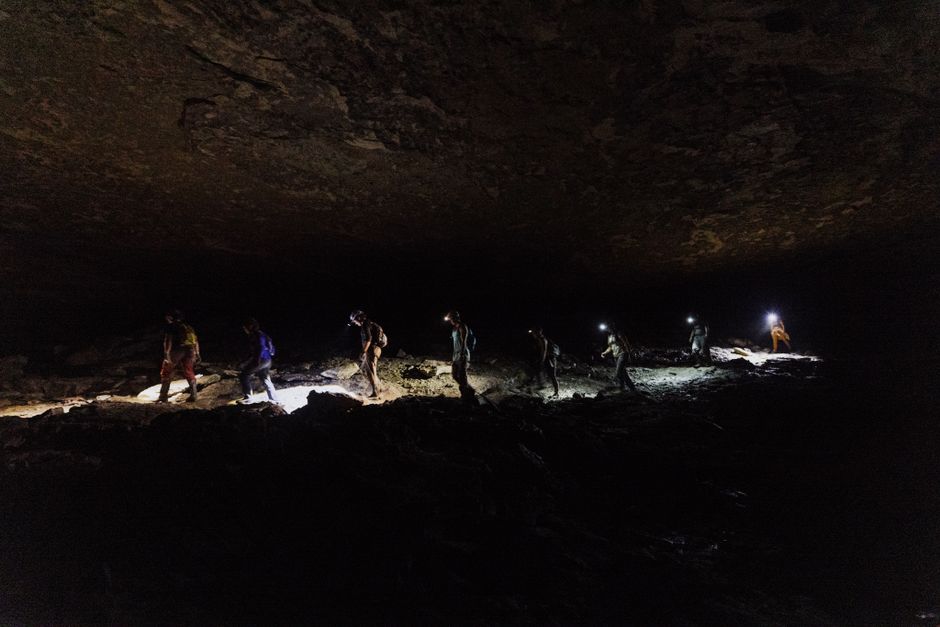
Make your cave exploration even more exciting by combining it with other outdoor activities. Imagine hiking through a forest to reach a cave entrance, kayaking along a river that leads into a cave system, or mountain biking down a trail after a caving adventure.
15. Learning about Maori Legends Associated with Caves

Caves hold a special place in Maori mythology and folklore. Many caves are considered sacred sites, and stories abound about spirits, guardians, and ancient rituals performed within their depths. Learning about these legends will add a deeper layer of meaning to your cave explorations.
16. Visiting Smaller, Less-Known Cave Systems

Don't overlook the smaller, less-known cave systems. These may not be as grand as the famous caves, but they often offer a more intimate and personal experience. You'll be able to explore at your own pace, away from the crowds, and truly connect with the natural environment.
17. Taking a Caving Course: Develop Essential Skills

If you're serious about caving, consider taking a caving course. These courses will teach you essential skills such as rope work, navigation, first aid, and cave rescue techniques. You'll gain the confidence and knowledge to explore caves safely and responsibly.
18. Volunteering for Cave Conservation Projects

Give back to the cave environment by volunteering for cave conservation projects. You can help with tasks such as cave cleaning, trail maintenance, and monitoring cave ecosystems. It's a rewarding way to contribute to the preservation of these natural wonders.
19. Exploring the Caves of the Coromandel Peninsula
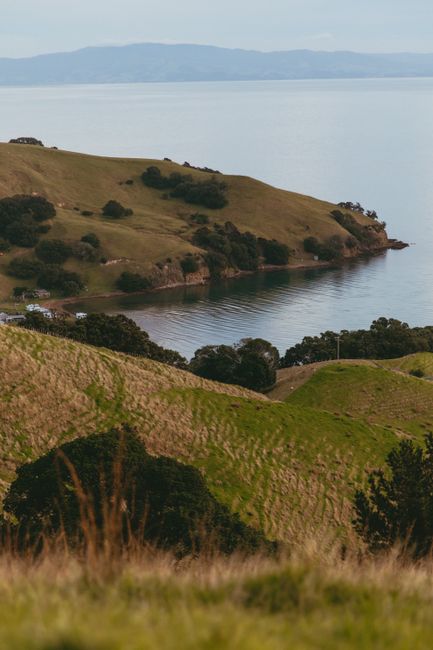
The Coromandel Peninsula, known for its stunning beaches and rugged coastline, also hides some interesting caves. Many of these caves are accessible by boat or kayak, offering a unique perspective on the landscape.
20. Respecting the Wahi Tapu (Sacred Places)

Above all, remember that many caves in New Zealand are considered wahi tapu, or sacred places, by Maori. Always show respect for these sites and follow any guidelines or restrictions that are in place. Remember that you are a guest in this land and that it's important to honor the cultural heritage of the Maori people.
So, there you have it! Twenty ways to explore New Zealand's caves beyond the usual suspects. I hope this has inspired you to venture off the beaten path and discover the hidden wonders that lie beneath the surface of this incredible country. Whether you're an adrenaline junkie, a history buff, or simply looking for a unique adventure, New Zealand's caves have something to offer everyone. Just remember to be respectful, responsible, and most importantly, have fun exploring!
Post a Comment