15 Wildlife Sanctuaries: Experiencing New Zealand's Incredible Endemic Species
15 Wildlife Sanctuaries: Experiencing New Zealand's Incredible Endemic Species
Hey there, fellow nature lover! Have you ever dreamt of stepping into a world teeming with unique creatures found nowhere else on Earth? Well, look no further than New Zealand! As an avid traveler and wildlife enthusiast, I've been utterly captivated by this island nation's incredible biodiversity. It's a land where ancient forests meet dramatic coastlines, and where quirky, fascinating animals thrive in their natural habitats. I want to share my experiences with you and guide you through some of the best wildlife sanctuaries to encounter New Zealand's endemic treasures.
A Land Apart: Why New Zealand's Wildlife is So Special

New Zealand's unique fauna is a direct result of its geographical isolation. Millions of years ago, it broke away from Gondwana, the ancient supercontinent. This long period of isolation allowed its native species to evolve in unique ways, free from the pressures of competition and predation from mammals that dominated other parts of the world. The result? A breathtaking array of endemic birds, reptiles, insects, and plants found nowhere else.
Unfortunately, the arrival of humans and introduced species has had a devastating impact on New Zealand's native wildlife. Many species have become extinct or are now critically endangered. This is why wildlife sanctuaries play such a vital role in protecting and preserving these precious creatures. They offer safe havens where native species can flourish, free from introduced predators and habitat destruction.
Why Visit a Wildlife Sanctuary?
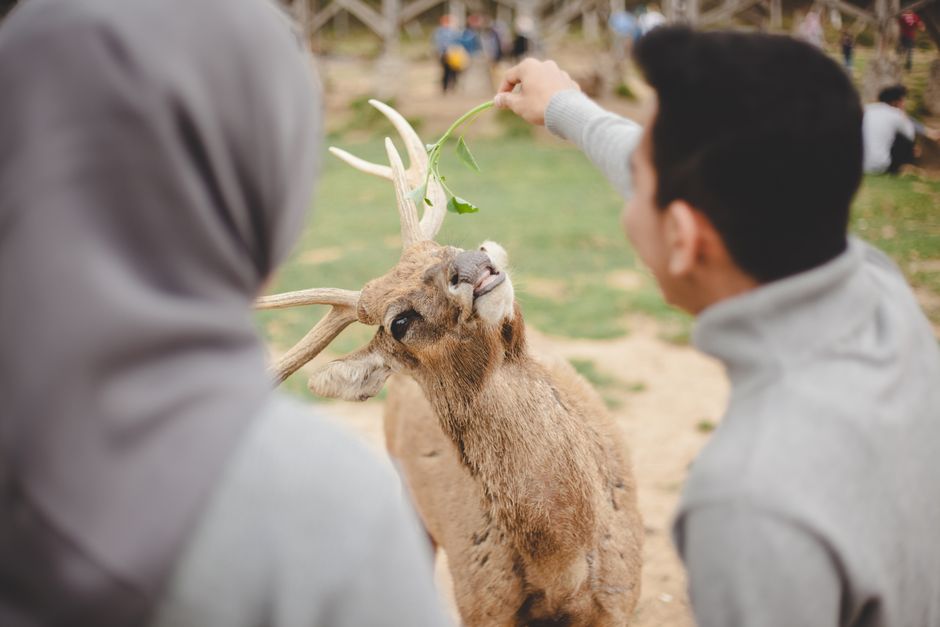
Visiting a wildlife sanctuary in New Zealand isn't just about ticking off a bucket-list item. It's an immersive experience that allows you to connect with nature on a deeper level. Here are just a few reasons why you should consider adding a sanctuary visit to your New Zealand itinerary:
Conservation in Action: You'll witness firsthand the amazing work being done to protect and restore native ecosystems. Close Encounters: Sanctuaries often provide opportunities to observe rare and endangered species in their natural habitats. Educational Opportunities: Learn about New Zealand's unique biodiversity and the challenges it faces. Supporting Local Communities: Many sanctuaries are run by local communities or conservation organizations, so your visit contributes directly to their efforts. Unforgettable Memories: Trust me, seeing a kiwi foraging in the wild or hearing the dawn chorus of native birds will stay with you long after you leave.
15 Incredible Wildlife Sanctuaries to Explore

Okay, let's dive into my list of 15 must-visit wildlife sanctuaries in New Zealand. I've tried to include a variety of locations and experiences, from island sanctuaries to mainland fenced reserves.
1. Tiritiri Matangi Island
Imagine stepping onto an island where native birdsong fills the air. Tiritiri Matangi, a pest-free island sanctuary near Auckland, is a dream come true for bird lovers. Thanks to extensive reforestation and pest eradication efforts, this island is now a haven for many endangered species, including the takahē, kōkako, and bellbird. I spent a day here, wandering through the trails, listening to the melodic calls of the birds, and feeling like I'd stepped back in time.
2. Zealandia Ecosanctuary
Located just minutes from downtown Wellington, Zealandia is an urban oasis that's been transformed from a degraded valley into a thriving native ecosystem. This fenced sanctuary is home to a variety of native birds, reptiles, and insects. The highlight for me was seeing a kiwi foraging in the wild during a night tour. It was truly magical!
3. Ulva Island/Te Wharawhara
Just a short ferry ride from Stewart Island/Rakiura, Ulva Island is a pest-free paradise that offers a glimpse into what New Zealand's forests were like before the arrival of humans. Here, you can encounter weka, saddlebacks, and a variety of other native birds. The tranquil atmosphere and stunning scenery make it a truly unforgettable experience.
4. Orokonui Ecosanctuary
Near Dunedin, Orokonui Ecosanctuary is another mainland fenced reserve that's working hard to restore native biodiversity. Keep an eye out for tūī, kererū (wood pigeon), and even the elusive tuatara, a living fossil reptile that's only found in New Zealand. The guided tours are fantastic and provide valuable insights into the sanctuary's conservation efforts.
5. Kapiti Island
Off the coast of the Kapiti Coast, Kapiti Island is a nature reserve that offers a diverse range of wildlife encounters. You can spot kākā (a type of parrot), little spotted kiwi, and even marine mammals like seals and dolphins. The island has a rich history, and the guided tours provide fascinating insights into its cultural and ecological significance.
6. Maungatautari Ecological Island Reserve (Sanctuary Mountain)
Sanctuary Mountain Maungatautari is a mainland island enclosed by a 47-kilometer pest-proof fence. Located near Cambridge, it protects a diverse range of native species, including north island kōkako, saddlebacks, and the endangered giant wētā. Walking through this sanctuary feels like stepping into another world. I was amazed by the sheer size of the forest and the abundance of wildlife.
7. Rotokare Scenic Reserve
This reserve, near Eltham in Taranaki, is a fantastic example of community-led conservation. Surrounded by a predator-proof fence, Rotokare Scenic Reserve provides a safe haven for native species like North Island brown kiwi, tieke (saddleback) and various waterfowl. What's special about this reserve is the beautiful lake at its heart, making for a picturesque hike.
8. Trounson Kauri Park
While not a fenced sanctuary, Trounson Kauri Park offers a fantastic opportunity to see North Island brown kiwi in their natural habitat. Take a guided night walk through the ancient kauri forest and listen for the distinctive calls of the kiwi. It's an unforgettable experience and a chance to appreciate the beauty and fragility of New Zealand's native ecosystems.
9. Abel Tasman National Park
Okay, Abel Tasman isn't strictly a wildlife sanctuary, but it's home to a wealth of native species and offers incredible opportunities for wildlife viewing. Take a kayak trip along the coastline and keep an eye out for little blue penguins, seals, and a variety of seabirds. The coastal tracks also provide opportunities to spot native birds like tūī and fantails.
10. Okarito Lagoon
On the West Coast of the South Island, Okarito Lagoon is New Zealand's largest unmodified estuarine lagoon. It's home to a variety of wading birds, including the elusive kōtuku (white heron). Taking a guided kayaking tour of the lagoon is a fantastic way to explore this unique ecosystem and learn about its ecological significance.
11. Fiordland National Park
Another national park making the list! Fiordland is home to a diverse range of wildlife, including kea (the mischievous mountain parrot), Fiordland crested penguins, and even dolphins and seals in the fiords. Explore the park on foot, by boat, or by air to experience its breathtaking scenery and abundant wildlife.
12. Eglinton Valley
Located within Fiordland National Park, the Eglinton Valley is a haven for birds. It is an excellent place to see and hear bellbirds, fantails, grey warblers, tomtits, robins, and brown creepers. Enjoy a hike and listen carefully! You are sure to spot at least some of these birds.
13. Tawharanui Regional Park
Tawharanui is another great option for a wildlife escape. It is a peninsula surrounded by stunning beaches with predator-proof fencing. The park is home to a large array of native birds and insects, including North Island brown kiwi, pateke, and whitehead.
14. Karori Wildlife Sanctuary
Located just a few minutes from Wellington, this is the world's first fully fenced urban ecosanctuary. You can encounter many species of native birds, reptiles and insects, making for the perfect day trip destination.
15. Willowbank Wildlife Reserve
Willowbank Wildlife Reserve is in Christchurch. It allows visitors to experience New Zealand's native and rare wildlife. It is home to a wide variety of animal species, including the famous kiwi.
Tips for Planning Your Wildlife Sanctuary Visit

Here are a few tips to help you plan your wildlife sanctuary visit and make the most of your experience:
Book in Advance: Many sanctuaries have limited capacity, so it's always a good idea to book your visit in advance, especially during peak season. Dress Appropriately: Wear comfortable walking shoes and clothing that's suitable for the weather conditions. Layers are always a good idea, as the weather in New Zealand can be unpredictable. Bring Insect Repellent: Sandflies and mosquitoes can be a nuisance, so be sure to bring insect repellent. Respect the Wildlife: Observe animals from a distance and avoid disturbing their natural behavior. Support Local Conservation Efforts: Consider making a donation to the sanctuary or purchasing souvenirs from their gift shop to support their conservation work. Learn Before You Go: Reading up on the native species you might encounter will definitely enrich your experience!
Responsible Tourism: Protecting New Zealand's Natural Treasures
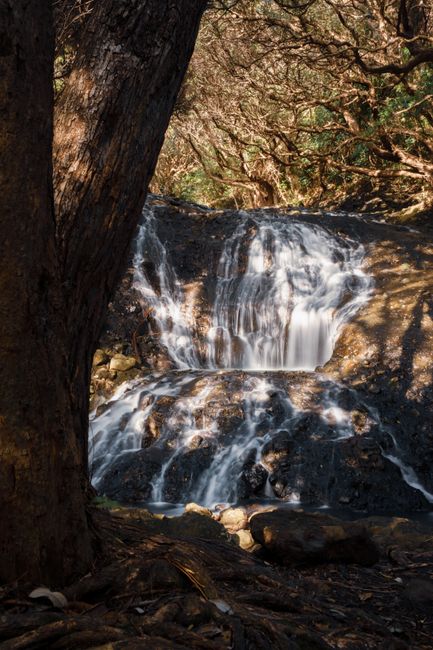
As responsible travelers, it's important to be mindful of our impact on the environment and to support sustainable tourism practices. When visiting wildlife sanctuaries, be sure to follow the guidelines provided by the sanctuary staff, avoid littering, and minimize your carbon footprint. By traveling responsibly, we can help protect New Zealand's natural treasures for future generations to enjoy.
Final Thoughts

Exploring New Zealand's wildlife sanctuaries has been an incredible journey for me, and I hope this article has inspired you to embark on your own adventure. From the melodic birdsong of Tiritiri Matangi to the elusive kiwi of Zealandia, New Zealand offers a truly unique and unforgettable wildlife experience. So, pack your bags, grab your binoculars, and get ready to discover the magic of New Zealand's endemic species!
I'm really passionate about preserving these incredible species and hope you are too. Let me know in the comments which of these sanctuaries you'd be most excited to visit and why!
Post a Comment