Stargazing New Zealand: Unveiling the Magic of Dark Sky Reserves
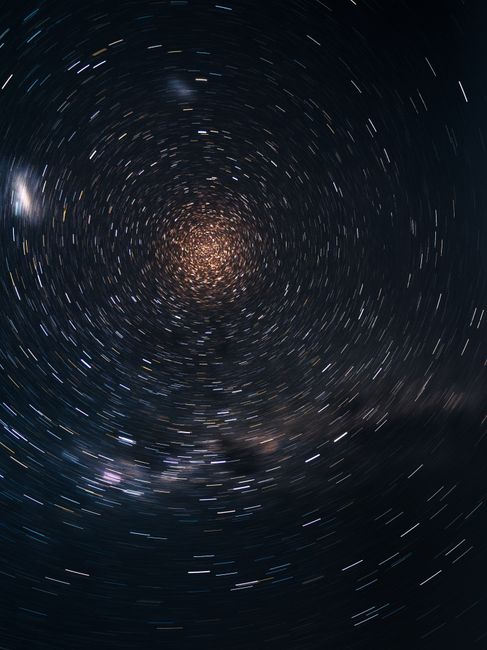
Stargazing New Zealand: Unveiling the Magic of Dark Sky Reserves
Hey there, fellow astronomy enthusiast! Let's talk about something truly magical: stargazing in New Zealand. I've been lucky enough to experience some of the darkest, most breathtaking skies on Earth, and I'm so excited to share my adventures and tips with you. If you're looking for an unforgettable celestial experience, New Zealand's Dark Sky Reserves are calling your name.
Why New Zealand is a Stargazer's Paradise
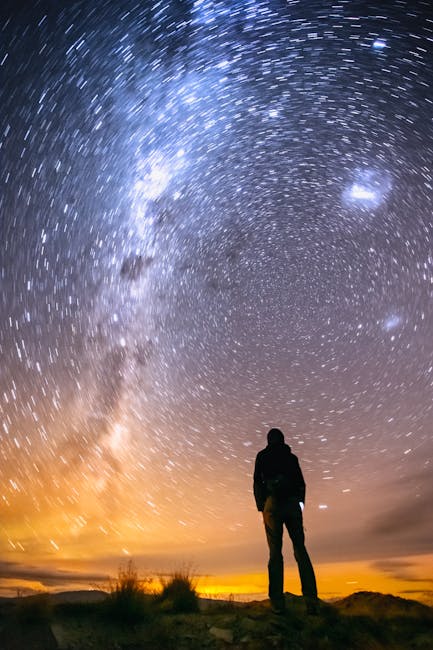
What makes New Zealand such a special place for stargazing? Well, it's a combination of factors, really. First, there's the low population density. Fewer people mean fewer lights polluting the night sky. Second, the country has a strong commitment to preserving its natural environment, and that includes the night sky! This commitment has led to the creation of several Dark Sky Reserves, areas specifically designated to minimize light pollution and protect the pristine view of the cosmos.
Think about it: escaping the city glow, surrounded by the silence of nature, and gazing up at a sky ablaze with stars. It's an experience that's both humbling and exhilarating. And trust me, the Southern Hemisphere stars offer a whole new perspective, with constellations and celestial wonders you simply can't see from the Northern Hemisphere.
New Zealand's Dark Sky Reserves: Your Gateway to the Universe
New Zealand boasts some of the most impressive Dark Sky Reserves in the world. Each one offers a unique experience, so let's dive into a few of my favorites:
Aoraki Mackenzie International Dark Sky Reserve: The Southern Alps Sparkle
This is arguably the most famous and accessible Dark Sky Reserve in New Zealand, and for good reason. Located in the Mackenzie Basin on the South Island, it's surrounded by the majestic Southern Alps, creating a stunning backdrop for stargazing. I remember the first time I saw the Milky Way stretching across the sky here; it was absolutely breathtaking. The sheer scale and brilliance of the stars were unlike anything I'd ever witnessed before.
Things you can do in the Aoraki Mackenzie International Dark Sky Reserve:
- Visit the Mount John Observatory: This is a working research observatory, but they offer tours and nighttime viewing experiences. You can peer through powerful telescopes and learn about the latest astronomical discoveries.
- Take a stargazing tour: Several companies operate tours in the area, offering guided experiences with expert astronomers. They'll point out constellations, planets, and other celestial objects, and share fascinating stories about the night sky. Dark Sky Project is a popular operator, offering indoor and outdoor experiences.
- Simply find a dark spot and look up: Honestly, even without a tour or telescope, the view is incredible. Drive a little ways out of Tekapo or Twizel, find a safe place to park, and let your eyes adjust to the darkness. You won't be disappointed. I personally recommend Lake Pukaki as a great spot for taking photos of the stars reflecting on the water.
Stewart Island/Rakiura: Southern Lights and Stunning Skies
For a truly remote and unforgettable stargazing experience, head to Stewart Island/Rakiura, New Zealand's southernmost island. It's a designated Dark Sky Sanctuary, meaning it has even stricter controls on light pollution than a Dark Sky Reserve. Plus, it's one of the best places in the world to see the Aurora Australis, the Southern Lights. Imagine seeing the shimmering curtains of green, pink, and purple dancing across a sky filled with stars! It's an ethereal experience that will stay with you forever.
Things you can do on Stewart Island/Rakiura:
- Join a guided night walk: Local guides offer tours that combine stargazing with learning about the island's unique flora and fauna. They'll take you to secluded spots where you can marvel at the night sky.
- Look for the Aurora Australis: While spotting the Southern Lights isn't guaranteed, Stewart Island offers a good chance, especially during the winter months (May-September). Check aurora forecasts online and keep an eye on the southern horizon.
- Explore the island during the day: Stewart Island is a nature lover's paradise, with stunning beaches, lush forests, and abundant wildlife. Take a hike, go birdwatching, or simply relax and soak in the tranquility.
Great Barrier Island/Aotea: Island Paradise Under a Blanket of Stars
Located off the coast of Auckland, Great Barrier Island/Aotea is a haven for those seeking a tranquil escape from the city. And it's also a designated Dark Sky Sanctuary! This island is a great option if you're looking for a stargazing experience that's relatively accessible from Auckland but still offers incredibly dark skies.
What makes Great Barrier Island special?
- Accessibility: It's close to Auckland, making it easier to reach compared to Stewart Island. You can get there by ferry or plane.
- Unique Eco-Tourism: Great Barrier Island is committed to sustainable tourism. This means you can enjoy stargazing while supporting responsible travel practices.
- Variety of Accommodation: From rustic campsites to comfortable lodges, you'll find options to suit all budgets.
Tips for an Amazing Stargazing Tour in New Zealand
Now that you're dreaming of starry nights, let's talk about how to make the most of your stargazing tour in New Zealand. I've learned a few things along the way, and I'm happy to share them with you:
- Plan ahead: Dark Sky Reserves are popular destinations, especially during peak season (summer months). Book your tours and accommodation in advance.
- Check the weather: Clear skies are essential for stargazing. Check the weather forecast before you go and be prepared to reschedule if necessary.
- Dress warmly: Even in summer, nights can be cold, especially at higher altitudes. Layer your clothing and bring a warm jacket, hat, and gloves.
- Allow time for your eyes to adjust: It takes about 20-30 minutes for your eyes to fully adjust to the darkness. Avoid looking at bright lights during this time.
- Bring binoculars or a telescope: While you can see plenty with the naked eye, binoculars or a small telescope will enhance your viewing experience.
- Download a stargazing app: Apps like SkyView Lite or Star Walk 2 can help you identify constellations, planets, and other celestial objects.
- Consider the moon phase: A full moon can wash out the stars. The best time for stargazing is during a new moon or when the moon is in its crescent phase.
- Turn off your phone's flash: When taking photos, disable the flash to avoid disturbing others' night vision. Consider using a tripod for longer exposures.
- Be respectful of the environment: Stay on designated paths, avoid making excessive noise, and leave no trace behind.
- Ask questions: Don't be afraid to ask your tour guide questions about the stars and constellations. They're experts and happy to share their knowledge.
Capturing the Cosmos: Tips for Astrophotography
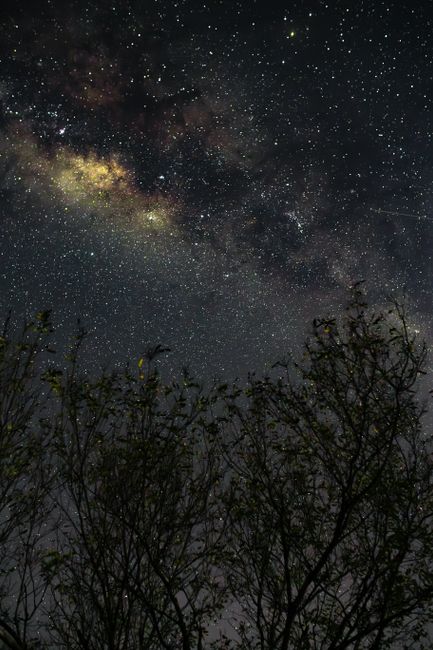
If you're like me, you'll want to capture the beauty of the night sky with your camera. Astrophotography can be challenging, but it's also incredibly rewarding. Here are a few tips to get you started:
- Use a DSLR or mirrorless camera: These cameras offer better image quality and more control over settings than smartphones or point-and-shoot cameras.
- Use a wide-angle lens: A wide-angle lens will allow you to capture a larger portion of the sky.
- Use a tripod: A sturdy tripod is essential for taking sharp, long-exposure photos.
- Set your camera to manual mode: This will give you full control over the aperture, shutter speed, and ISO.
- Use a wide aperture: This will allow more light to enter the camera.
- Use a long shutter speed: Experiment with different shutter speeds to find the best balance between brightness and sharpness. Start with 15-30 seconds.
- Use a high ISO: This will make your camera more sensitive to light, but it can also introduce noise. Experiment with different ISO settings to find the best balance between brightness and noise.
- Focus manually: Autofocus can struggle in the dark. Focus manually on a bright star or planet.
- Use a remote shutter release: This will prevent camera shake when taking long-exposure photos.
- Process your images: Software like Adobe Lightroom or Photoshop can help you enhance your astrophotography images and reduce noise.
Beyond the Stars: Other Activities in New Zealand's Dark Sky Reserves
While stargazing is the main attraction, New Zealand's Dark Sky Reserves also offer a variety of other activities to enjoy during the day. Here are a few ideas:
- Hiking: Explore the stunning landscapes on foot. There are trails for all levels of fitness, from easy walks to challenging multi-day treks.
- Kayaking: Paddle along the coast or across a lake and enjoy the peace and tranquility of nature.
- Wildlife watching: New Zealand is home to a unique array of wildlife, including penguins, seals, and dolphins.
- Wine tasting: Many of New Zealand's wine regions are located near Dark Sky Reserves. Enjoy a glass of local wine while taking in the beautiful scenery.
- Relaxing: Simply unwind and soak in the natural beauty of your surroundings.
Stargazing Etiquette: Be a Responsible Sky Gazer

Let's not forget a few rules to ensure everyone enjoys the experience, and we protect these precious dark skies for future generations.
- Minimize artificial light: Use red light torches instead of white lights, as red light preserves night vision better. Avoid using bright screens unnecessarily.
- Be mindful of noise: Keep noise levels down to avoid disturbing wildlife or other stargazers.
- Respect private property: Only access areas that are open to the public. Obtain permission before entering private land.
- Pack out what you pack in: Leave no trace behind. Take all your rubbish with you.
- Inform others: If you are going stargazing alone, let someone know your plans and estimated return time.
Final Thoughts: A Celestial Journey Awaits
Stargazing in New Zealand's Dark Sky Reserves is more than just looking at stars; it's an immersive experience that connects you to the universe. It's a chance to escape the distractions of modern life, reconnect with nature, and marvel at the wonders of the cosmos. From the majestic Southern Alps to the remote beauty of Stewart Island/Rakiura, New Zealand offers a stargazing adventure for everyone.
So, what are you waiting for? Pack your bags, grab your binoculars, and prepare to be amazed. The stars of New Zealand are waiting to be discovered!
Post a Comment