New Zealand's Green Heart: How Aotearoa Protects Its Precious Environment
New Zealand's Green Heart: How Aotearoa Protects Its Precious Environment
Hey there, friend! Let's talk about New Zealand, or as the Māori call it, Aotearoa - "the land of the long white cloud." Beyond its breathtaking landscapes showcased in movies like Lord of the Rings, and its reputation for adventure sports, lies a deep-seated commitment to conservation and environmental protection. I've been lucky enough to experience this firsthand, and trust me, it's more than just a national marketing campaign. It's a genuine, passionate effort woven into the fabric of Kiwi culture.
A Land Worth Protecting: Why Conservation Matters in New Zealand

New Zealand is a biodiversity hotspot. Think of it: isolated island ecosystems evolving independently for millions of years. That's a recipe for unique and incredible flora and fauna found nowhere else on Earth. We're talking flightless birds like the Kiwi (a national icon), the Kea (a mischievous mountain parrot), the Tuatara (a living fossil reptile), and giant Kauri trees that have stood for centuries. But this incredible biodiversity is also incredibly vulnerable.
For a long time, introduced species, habitat loss, and other environmental pressures threatened these treasures. Think about it: when humans arrived, bringing with them rats, possums, stoats, and more, native species that had never encountered such predators were suddenly facing extinction. Imagine trying to adapt when you've never had to worry about being hunted! This is why conservation efforts are so critical. It's about safeguarding these unique species and preserving the natural heritage of Aotearoa for future generations. It's not just about protecting animals and plants; it's about maintaining the delicate balance of ecosystems that provide us with clean air, clean water, and so much more.
Government Initiatives: The Backbone of Conservation

The New Zealand government has a long and active history in environmental protection, playing a crucial role in setting policies, funding projects, and managing conservation efforts. Let's look at some key aspects:
1. The Department of Conservation (DOC): This is the big one. DOC is the government agency responsible for conserving New Zealand's natural and historic heritage. Their work is incredibly diverse, from managing national parks and reserves to controlling pests and monitoring endangered species. They also work closely with local communities, iwi (Māori tribes), and other organizations to achieve their conservation goals.
2. National Parks and Reserves: New Zealand boasts a network of stunning national parks, from the fiords of Fiordland to the volcanic landscapes of Tongariro. These parks are havens for native species and offer incredible opportunities for recreation, but they're also actively managed to protect their ecological integrity. DOC controls activities within the park, including setting limits on the number of visitors in certain areas, to minimise human impact.
3. The Resource Management Act 1991 (RMA): This is a landmark piece of legislation that sets out how New Zealand manages its environment. The RMA promotes sustainable management of natural and physical resources, ensuring that development doesn't come at the expense of the environment. It establishes a framework for managing land, water, air, and coastal resources, and it requires councils to consider the environmental effects of any proposed activity.
4. Predator Free 2050: This is an incredibly ambitious goal, aiming to eradicate possums, rats, and stoats from New Zealand by 2050. It's a huge undertaking, but it's essential for protecting native species that are particularly vulnerable to these introduced predators. The Predator Free 2050 initiative involves a range of strategies, including trapping, poisoning, and the development of new technologies. Imagine a future where native birds can thrive without the constant threat of predation!
5. Investment in Research and Innovation: The government invests heavily in research and innovation to find new and effective ways to protect the environment. This includes funding research into pest control methods, developing new technologies for monitoring biodiversity, and studying the impacts of climate change on New Zealand's ecosystems.
Community Involvement: Conservation from the Ground Up
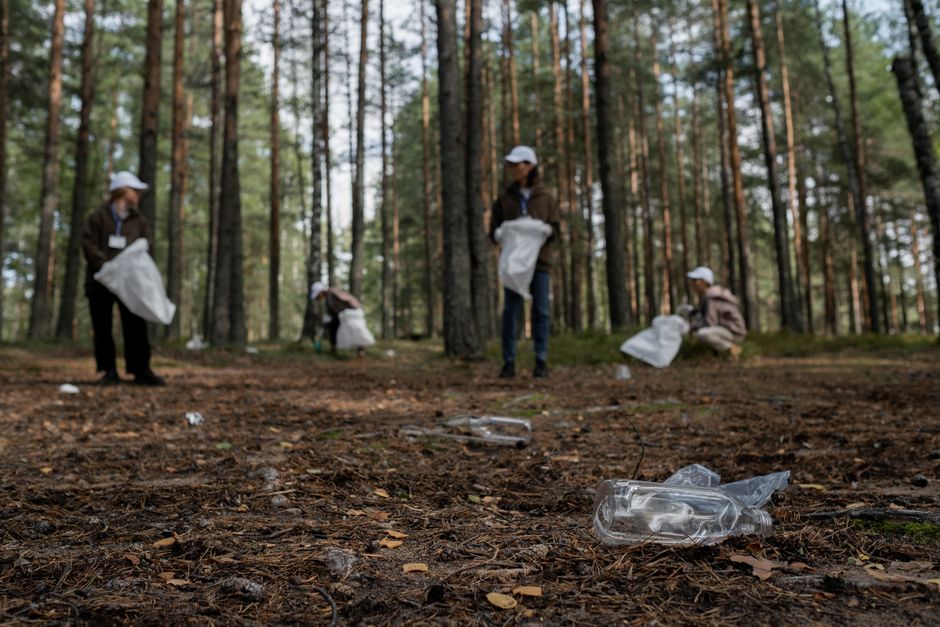
While the government plays a crucial role, conservation in New Zealand isn't just a top-down effort. Community involvement is absolutely vital. It's a huge part of what makes the conservation scene so special. I've seen firsthand how passionate and dedicated ordinary people are to protecting their local environment.
Here are some examples:
1. Community Conservation Groups: Throughout New Zealand, you'll find countless community groups dedicated to conservation. These groups work on a wide range of projects, from planting native trees and controlling pests to monitoring water quality and restoring habitats. They're often made up of volunteers who are passionate about protecting their local environment, and they play a crucial role in filling the gaps that government agencies can't always reach.
2. Iwi (Māori) Engagement: Māori have a deep connection to the land and a long history of environmental stewardship. Their traditional knowledge and practices are increasingly recognized as valuable tools for conservation. Iwi are actively involved in conservation efforts across New Zealand, working in partnership with government agencies and other organizations to protect native species and restore ecosystems. They understand the interconnectedness of all things and the importance of maintaining a healthy environment for future generations.
3. Citizen Science Projects: Anyone can get involved in conservation in New Zealand through citizen science projects. These projects involve ordinary people collecting data on things like bird populations, water quality, and pest numbers. This data is then used by scientists to monitor environmental trends and inform conservation management decisions. It's a great way to learn more about the environment and contribute to important research.
4. Educational Initiatives: Schools and community organizations run educational programs to raise awareness about conservation and encourage people to take action. These programs teach people about the importance of biodiversity, the threats facing New Zealand's environment, and the things they can do to help protect it. The goal is to create a generation of environmentally conscious citizens who are committed to conservation.
Tackling the Big Challenges: Climate Change and Invasive Species
New Zealand faces some significant environmental challenges, including climate change and the ongoing threat of invasive species. These are complex issues that require a multi-faceted approach.
1. Climate Change: Like the rest of the world, New Zealand is experiencing the impacts of climate change, including rising sea levels, more frequent extreme weather events, and changes in temperature and rainfall patterns. These changes are already affecting New Zealand's ecosystems, and they pose a significant threat to native species. The government is working to reduce greenhouse gas emissions and adapt to the impacts of climate change, but it's a challenging task.
2. Invasive Species: As mentioned earlier, invasive species are a major threat to New Zealand's biodiversity. Possums, rats, stoats, and other introduced species prey on native animals, damage habitats, and spread diseases. Controlling these pests is an ongoing battle, and it requires a combination of strategies, including trapping, poisoning, and the development of new technologies. The Predator Free 2050 initiative is a key part of this effort.
3. Water Quality: Maintaining water quality is another important challenge. Agricultural runoff, industrial pollution, and urban stormwater can all contaminate waterways, harming aquatic life and making water unsafe for human use. The government is working to improve water quality by implementing stricter regulations on pollution and investing in infrastructure improvements.
Sustainable Tourism: Balancing Growth and Protection

Tourism is a major industry in New Zealand, and it has the potential to both benefit and harm the environment. Sustainable tourism aims to minimize the negative impacts of tourism while maximizing its positive contributions. This means promoting responsible travel practices, supporting local communities, and protecting natural and cultural heritage.
Here are some key aspects of sustainable tourism in New Zealand:
1. Eco-tourism Operators: Many tourism operators in New Zealand are committed to eco-tourism principles. They offer experiences that are environmentally friendly, culturally sensitive, and educational. They also often contribute to conservation efforts, such as by supporting local community groups or investing in pest control programs. When you're planning your trip, looking for these operators makes a big difference.
2. Responsible Travel Practices: Visitors to New Zealand are encouraged to travel responsibly by respecting the environment, minimizing their waste, and supporting local businesses. This includes things like sticking to marked trails, avoiding single-use plastics, and purchasing locally made products.
3. Protecting Natural and Cultural Heritage: Sustainable tourism aims to protect New Zealand's natural and cultural heritage by promoting responsible development practices and supporting conservation efforts. This includes things like limiting the number of visitors to sensitive areas and ensuring that new developments are designed to minimize their environmental impact.
4. DOC Campsites and Huts: DOC provides a network of campsites and huts throughout New Zealand's national parks and reserves. Staying in these facilities allows visitors to experience the natural beauty of New Zealand while minimizing their impact on the environment. Booking these in advance is crucial, and they help to manage the flow of visitors and protect sensitive ecosystems.
What You Can Do: Supporting Conservation in New Zealand

You don't have to be a scientist or a government official to contribute to conservation in New Zealand. There are many things that you can do, both as a visitor and from afar, to support these efforts.
Here are a few ideas:
1. Support Eco-tourism Operators: Choose tourism operators that are committed to sustainable practices.
2. Travel Responsibly: Respect the environment, minimize your waste, and support local businesses.
3. Donate to Conservation Organizations: Support organizations that are working to protect New Zealand's environment.
4. Volunteer Your Time: Get involved in community conservation projects.
5. Educate Yourself and Others: Learn more about New Zealand's environment and share your knowledge with others.
The Future of Conservation in Aotearoa

The future of conservation in New Zealand depends on continued collaboration, innovation, and commitment. It requires a shared vision where economic development and environmental protection go hand in hand. It is, after all, everyone's responsibility to protect this unique and special place for future generations.
The path forward involves:
a. Strengthening partnerships between government, iwi, communities, and businesses.
b. Investing in research and innovation to find new and effective conservation methods.
c. Raising awareness about the importance of biodiversity and the threats facing New Zealand's environment.
d. Promoting sustainable tourism and responsible land management practices.
I am genuinely inspired by New Zealand's commitment to conservation, and I believe that it can serve as a model for other countries around the world. It's a place where people genuinely care about protecting the environment, and they're willing to work hard to make a difference. So, next time you think of New Zealand, remember that it's not just about stunning landscapes; it's about a nation actively working to protect its precious environment for years to come.
Post a Comment