New Zealand's East Cape: Discovering Untouched Beauty and Embracing Māori Culture
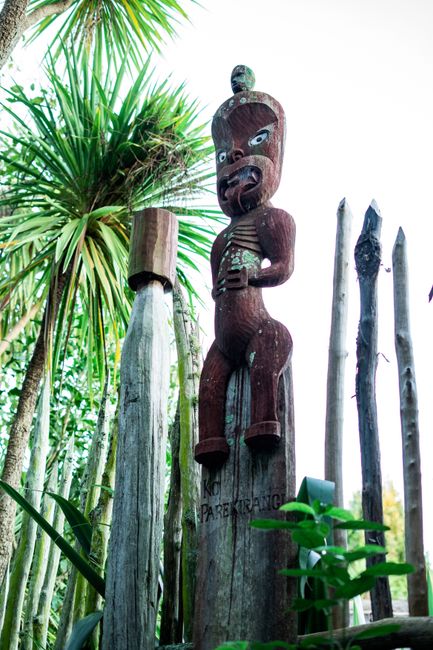
New Zealand's East Cape: Discovering Untouched Beauty and Embracing Māori Culture
Hey there! Have you ever dreamt of escaping to a place where time seems to slow down, where the landscapes are breathtakingly raw, and the culture is deeply rooted and vibrant? Well, let me tell you about the East Cape of New Zealand. It's a corner of the world that completely stole my heart, and I think it might just steal yours too.
A Journey to the Edge of the World

Imagine driving along a winding coastal road, the turquoise ocean shimmering on one side and rolling green hills dotted with sheep on the other. That's the East Cape in a nutshell. It's a region that feels incredibly remote, tucked away on the easternmost point of the North Island. Getting there is part of the adventure, a scenic journey that prepares you for the unique experience that awaits.
The East Cape isn't your typical tourist destination, and that's precisely what makes it so special. You won't find bustling resorts or crowded beaches here. Instead, you'll discover secluded bays, dramatic cliffs, and a pace of life that encourages you to slow down and truly connect with your surroundings.
Untouched Beauty: Landscapes That Will Take Your Breath Away
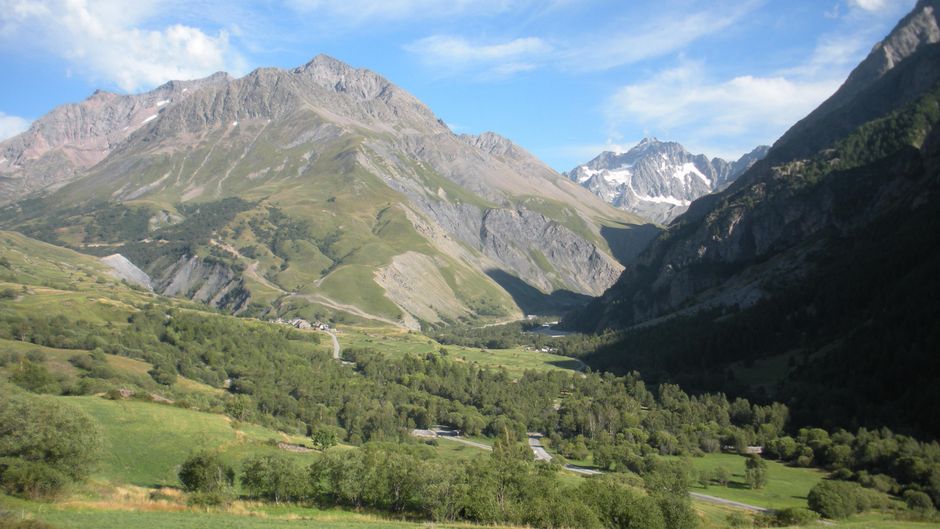
Okay, let's talk about the scenery. Seriously, prepare to be amazed. The East Cape boasts some of the most stunning coastal landscapes I've ever seen. Think pristine beaches, perfect for long walks or simply soaking up the sun. Imagine dramatic cliffs that plunge into the ocean, creating a sense of awe and wonder. Picture lush green hills dotted with native bush, home to a diverse range of birdlife.
Here are a few of my favorite spots:
- Wainui Beach: This is a local favorite and a great spot for surfing. Even if you don't surf, watching the waves and the surfers is a fantastic way to spend an afternoon.
- East Cape Lighthouse: Reaching the lighthouse requires a bit of a climb – about 700 steps – but trust me, the panoramic views from the top are absolutely worth it. You'll be able to see the curvature of the Earth!
- Hick's Bay: This is a beautiful, sheltered bay, perfect for swimming, kayaking, or simply relaxing on the sand. The water is crystal clear, and the atmosphere is incredibly peaceful.
And don't forget about the sunrises! Being the first place in mainland New Zealand to see the sunrise each day, the East Cape offers some truly spectacular morning views. Waking up early and watching the sun rise over the ocean is an experience you won't soon forget.
Embracing Māori Culture: A Journey of Connection

Beyond the stunning landscapes, what truly sets the East Cape apart is its rich Māori culture. This region is deeply rooted in Māori traditions, and you'll find that the local people are incredibly proud of their heritage. Unlike some other tourist destinations where culture can feel like a performance, here, it's a living, breathing part of everyday life.
I had the privilege of spending time with local Māori communities, and it was an incredibly enriching experience. I learned about their history, their customs, and their deep connection to the land. Here are a few ways you can connect with Māori culture on the East Cape:
- Visit a Marae: Marae are traditional Māori meeting grounds, and they are central to Māori community life. While you may not be able to enter a marae without an invitation, there are often opportunities to visit and learn about their significance through guided tours or cultural performances.
- Learn Some Te Reo Māori: Even learning a few basic phrases in the Māori language can go a long way in showing respect and connecting with the local culture. "Kia ora" (hello), "Ngā mihi" (thank you), and "Haere mai" (welcome) are good places to start.
- Engage in Cultural Experiences: Look for opportunities to participate in cultural experiences, such as learning about traditional weaving, carving, or storytelling. These experiences offer a deeper understanding of Māori culture and allow you to connect with the local people on a more personal level.
One of the most memorable experiences I had was attending a Hangi. A Hangi is a traditional Māori method of cooking food in an underground oven. The food is slow-cooked with hot stones, resulting in incredibly tender and flavorful dishes. Sharing a Hangi with the local community was not only a delicious meal but also a powerful way to connect with their culture and traditions.
Getting Around: Embrace the Road Trip

Getting around the East Cape requires a bit of planning, as public transportation is limited. The best way to explore the region is by car, giving you the freedom to stop and explore at your own pace. The roads can be winding and narrow in places, so be prepared for a bit of a scenic drive.
Here are a few tips for driving on the East Cape:
- Take Your Time: The roads are often narrow and winding, so it's important to drive carefully and be aware of your surroundings.
- Check the Weather: The weather can change quickly, especially in the mountains. Be sure to check the forecast before you set out, and be prepared for rain or strong winds.
- Be Prepared for Unsealed Roads: Some of the roads on the East Cape are unsealed, so it's a good idea to have a vehicle that can handle rough terrain.
- Bring a Map: Cell phone reception can be spotty in some areas, so it's a good idea to bring a paper map or download offline maps on your phone.
Don't be afraid to stop at small towns and chat with the locals. The people of the East Cape are incredibly friendly and welcoming, and they are always happy to share their stories and knowledge of the region.
Accommodation: Embracing Simple Living

When it comes to accommodation on the East Cape, you won't find many large hotels or luxury resorts. Instead, you'll find a range of smaller, more intimate options, such as:
- Homestays: Staying with a local family is a great way to experience the culture and hospitality of the East Cape.
- Bed and Breakfasts: These offer a comfortable and convenient option, often with stunning views of the ocean or the countryside.
- Camping: There are several campgrounds located along the coast, offering a chance to connect with nature and enjoy the peace and quiet of the region.
- Motels and Holiday Parks: These provide self-contained accommodation, ideal for families or groups.
Embrace the simplicity of the East Cape. This isn't a place for luxury and extravagance. It's a place to connect with nature, to embrace the local culture, and to appreciate the simple things in life.
Food and Drink: Savoring Local Flavors

The East Cape isn't known for its fancy restaurants or gourmet cuisine. Instead, you'll find a focus on fresh, local ingredients and traditional Māori cooking methods. Look out for:
- Fresh Seafood: Being a coastal region, the East Cape offers a bounty of fresh seafood, including fish, crayfish, and mussels.
- Hangi: As mentioned earlier, a Hangi is a must-try when visiting the East Cape.
- Kumara: Kumara, or sweet potato, is a staple ingredient in Māori cuisine, and you'll find it used in a variety of dishes.
- Rewena Bread: This traditional Māori bread is made with potatoes and has a slightly sour taste.
Don't expect to find a wide range of international cuisines on the East Cape. Instead, embrace the local flavors and enjoy the simple, delicious meals that are on offer. Supporting local businesses and farmers is a great way to contribute to the community and experience the true essence of the region.
Responsible Tourism: Tread Lightly and Respectfully

The East Cape is a special place, and it's important to travel responsibly and respectfully to help preserve its natural beauty and cultural heritage. Here are a few tips for responsible tourism on the East Cape:
- Respect Māori Culture: Be mindful of Māori customs and traditions. Ask permission before taking photos of people or sacred sites, and dress respectfully when visiting a marae.
- Protect the Environment: Dispose of your rubbish responsibly, stay on designated trails, and avoid disturbing native plants and animals.
- Support Local Businesses: Shop at local stores, eat at local restaurants, and use local guides and tour operators.
- Conserve Water and Energy: Be mindful of your water and energy usage, and try to reduce your environmental impact.
- Learn About the Region: Take the time to learn about the history, culture, and environment of the East Cape. The more you know, the more you will appreciate this special place.
By traveling responsibly, you can help ensure that the East Cape remains a beautiful and vibrant destination for generations to come.
Why the East Cape Stole My Heart

So, why did the East Cape captivate me so much? It's more than just the stunning landscapes and the fascinating culture. It's the feeling of being truly connected to a place, to the people, and to the natural world. It's the sense of slowing down, of appreciating the simple things in life, and of discovering a hidden gem that feels like a world away.
The East Cape is a reminder that there are still places in the world where you can escape the crowds, disconnect from the digital world, and reconnect with yourself. It's a place where you can learn about a different culture, appreciate the beauty of nature, and create memories that will last a lifetime.
If you're looking for an authentic and unforgettable travel experience, I highly recommend adding the East Cape of New Zealand to your bucket list. Just be prepared to fall in love with its untouched beauty and its warm, welcoming people. You won't regret it!
So, what are you waiting for? Start planning your adventure to the East Cape today!
Post a Comment