New Zealand on the Go: Exploring Aotearoa Car-Free - Your Ultimate Guide

New Zealand on the Go: Exploring Aotearoa Car-Free - Your Ultimate Guide
Okay, so you're dreaming of breathtaking landscapes, hobbit holes, and maybe even spotting a kiwi in the wild. But there's a slight snag – you don't want to rent a car for your New Zealand adventure. No worries! I totally get it. Maybe you're on a budget, concerned about navigating unfamiliar roads, or simply prefer a more sustainable travel style. I've been there, done that, and I'm here to tell you that exploring New Zealand without a car is absolutely doable and can even be more rewarding.
Trust me, I understand the initial hesitation. New Zealand is often portrayed as a road trip paradise, and images of campervans winding through scenic routes are everywhere. But believe me, with a little planning and a sense of adventure, you can experience the magic of Aotearoa without being tied to four wheels. Let's dive into the various transport options, packed with my personal tips and tricks to make your car-free New Zealand journey unforgettable.
Buses: The Budget-Friendly Backbone

Buses are probably the most common and cost-effective way to get around New Zealand without a car. Several national bus companies operate extensive networks covering both the North and South Islands. Think of them as your reliable, wallet-friendly workhorses.
InterCity is the largest and most well-known bus operator. They offer a comprehensive network, frequent services, and various pass options that can save you money if you're planning on covering a lot of ground. I personally used them extensively when I was backpacking around the country. They're generally comfortable, with reclining seats and onboard restrooms. Plus, they often have Wi-Fi, which is a bonus for staying connected or catching up on some reading.
Nakedbus (now called ManaBus) used to be a budget favorite, but has been integrated with InterCity. So always check both InterCity and ManaBus for the best deals and schedules.
Tips for bus travel:
- Book in advance: Especially during peak season (summer and school holidays), buses can fill up quickly. Booking early will also often get you the best prices.
- Consider a FlexiPass or TravelPass: If you plan on taking multiple bus trips, these passes can offer significant savings. Do the math to see if they're a better deal than individual tickets.
- Pack snacks and drinks: While some buses have onboard refreshments, they can be pricey. Bringing your own will save you money and ensure you have what you need.
- Charge your devices: While some buses have USB charging ports, it's always a good idea to bring a portable charger, just in case.
- Embrace the views: Bus travel allows you to sit back, relax, and soak in the stunning scenery without having to worry about driving.
Trains: Scenic and Relaxing Rail Journeys
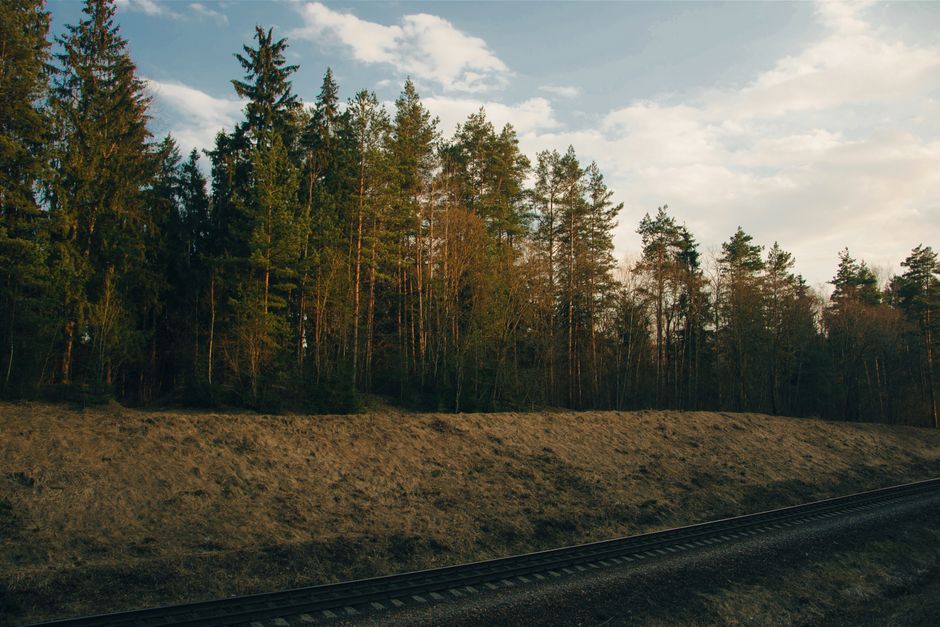
While the bus network is more extensive, train travel in New Zealand offers a unique and incredibly scenic experience. Think panoramic windows, comfortable seating, and the gentle rhythm of the rails. It's a great option for longer distances and for soaking in the landscapes.
KiwiRail operates three main scenic train journeys:
- The Northern Explorer (Auckland to Wellington): This epic journey traverses the heart of the North Island, passing through diverse landscapes, from volcanic plateaus to lush farmland. I remember being absolutely captivated by the views of Mount Ruapehu.
- The Coastal Pacific (Picton to Christchurch): This South Island adventure hugs the coastline, offering breathtaking views of the Pacific Ocean, the Kaikoura mountain range (perfect for whale watching!), and the rolling Canterbury Plains. Keep your eyes peeled for seals basking on the rocks!
- The TranzAlpine (Christchurch to Greymouth): Widely regarded as one of the world's great train journeys, the TranzAlpine crosses the Southern Alps, offering spectacular views of snow-capped peaks, braided rivers, and lush rainforest. This is a must-do if you're a nature lover.
Things to keep in mind about train travel:
- Limited frequency: Unlike buses, trains typically run only once or twice a day, so you need to plan your itinerary accordingly.
- Higher cost: Train tickets are generally more expensive than bus tickets, but the experience is often worth the extra expense.
- Onboard facilities: All KiwiRail scenic trains have comfortable seating, panoramic windows, onboard cafes, and open-air viewing carriages.
- Book in advance: Like buses, train tickets can sell out quickly, especially during peak season. Booking early is essential.
Ferries: Island Hopping Made Easy

Since New Zealand is made up of two main islands, you'll likely need to take a ferry at some point. The interisland ferry connecting the North and South Islands is a vital link and a scenic journey in itself.
Interislander and Bluebridge are the two main ferry operators. They both operate between Wellington (North Island) and Picton (South Island). The journey takes around 3.5 hours and offers stunning views of the Cook Strait and the Marlborough Sounds. I remember standing on deck, mesmerized by the turquoise waters and the rugged coastline.
Ferry tips:
- Book in advance: Especially if you're traveling during peak season, book your ferry tickets well in advance to secure your spot.
- Check-in early: Arrive at the ferry terminal at least 30 minutes before departure to allow time for check-in and boarding.
- Seasickness precautions: If you're prone to seasickness, take medication before boarding the ferry.
- Enjoy the views: The ferry journey is a scenic highlight in itself, so make sure to spend some time on deck enjoying the views.
- Food and entertainment: Ferries have onboard cafes, restaurants, and entertainment options, so you can relax and enjoy the journey.
Domestic Flights: When Time is of the Essence

If you're short on time and need to cover long distances quickly, domestic flights are a good option. While not the most budget-friendly choice, they can save you valuable time and allow you to see more of the country. New Zealand has a well-developed domestic flight network, with several airlines operating flights between major cities and regional centres.
Air New Zealand is the main domestic airline, offering flights to destinations throughout the country. Jetstar also operates some domestic routes, often at lower prices. Keep an eye out for deals and specials to save money.
Flying smart:
- Book in advance: Like buses and trains, booking flights early can often get you the best prices.
- Be flexible with your travel dates: Flying on weekdays or during off-peak seasons can often be cheaper.
- Consider budget airlines: Jetstar offers lower fares but may charge extra for baggage and other services.
- Factor in airport transfers: Don't forget to factor in the cost of getting to and from the airport, as this can add to the overall cost of your trip.
Local Buses and Shuttles: Getting Around Town

Once you arrive in a city or town, local buses and shuttles are a convenient way to get around. Most cities have well-developed bus networks, and many towns have shuttle services that connect to popular attractions and accommodations. I've found them to be perfectly adequate for exploring urban areas.
Check the local council websites for information on bus routes, schedules, and fares. Many cities offer day passes or multi-trip tickets that can save you money if you plan on using the bus frequently.
Shuttles are often a good option for getting to and from airports or for visiting attractions that are located outside of the city centre. Ask your accommodation provider for recommendations on local shuttle services.
Cycling: Pedal Power and Scenic Delights
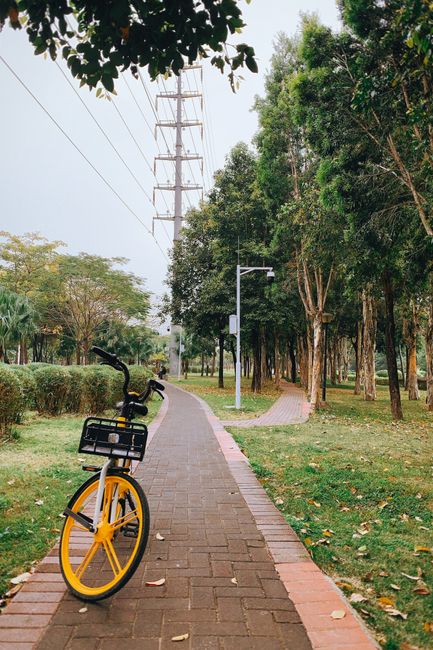
For a more active and immersive experience, consider cycling. New Zealand has an extensive network of cycle trails, ranging from easy paved paths to challenging mountain bike trails. Cycling is a great way to explore at your own pace, soak in the scenery, and get some exercise.
The New Zealand Cycle Trail (Nga Haerenga) is a network of over 23 Great Rides, showcasing some of the country's most stunning landscapes. These trails are well-maintained and suitable for a variety of skill levels. I've only tackled a few sections myself, but they were truly unforgettable.
Tips for cycling:
- Rent a bike: Bike rental shops are available in most towns and cities.
- Choose a suitable trail: Consider your fitness level and experience when choosing a cycle trail.
- Wear appropriate gear: Wear a helmet, comfortable clothing, and closed-toe shoes.
- Bring water and snacks: Stay hydrated and energized during your ride.
- Be aware of traffic: If cycling on roads, be aware of traffic and follow the rules of the road.
Hitchhiking: The Adventurous Option (With Caveats)

Hitchhiking is legal in New Zealand, and it's still a relatively common way for backpackers and budget travellers to get around. However, it's important to be aware of the risks involved and to take precautions.
I've hitchhiked short distances myself in very rural areas, but I wouldn't necessarily recommend it as your primary mode of transport, especially if you're travelling alone. It can be unpredictable and time-consuming.
If you choose to hitchhike:
- Trust your instincts: Only accept rides from people you feel comfortable with.
- Travel with a friend: It's safer to hitchhike with a companion.
- Choose safe locations: Stand in a visible spot with plenty of space for vehicles to pull over.
- Let someone know your plans: Tell someone where you're going and when you expect to arrive.
Organized Tours: Stress-Free Exploration
If you prefer a more structured and hassle-free experience, consider joining an organized tour. Numerous tour operators offer a wide range of itineraries, catering to different interests and budgets. Tours can be a great way to see the highlights of New Zealand without having to worry about transportation or logistics.
From adventure tours to cultural experiences to scenic sightseeing tours, there's something for everyone. Many tour operators offer small group tours, which can provide a more intimate and personalized experience. Plus, the guides are usually locals who can share their knowledge and insights about the region.
Walking: Discovering Hidden Gems

Don't underestimate the power of your own two feet! Walking is a fantastic way to explore cities, towns, and national parks. Many cities have well-marked walking trails that take you past historic landmarks, scenic viewpoints, and hidden gems.
In national parks, you'll find a wide range of walking and hiking trails, from short nature walks to multi-day treks. Be sure to choose a trail that's appropriate for your fitness level and experience, and always check the weather forecast before heading out.
Walking essentials:
- Comfortable shoes: Wear comfortable walking shoes or hiking boots.
- Weather-appropriate clothing: Dress in layers, as the weather can change quickly.
- Water and snacks: Stay hydrated and energized during your walk.
- Sunscreen and a hat: Protect yourself from the sun.
- A map and compass or GPS: If hiking in a national park, bring a map and compass or GPS.
So, there you have it! Exploring New Zealand without a car is entirely possible and can even enhance your experience. By utilizing buses, trains, ferries, flights, local transport, cycling, (cautiously) hitchhiking, joining organized tours, and embracing the power of walking, you can create an unforgettable adventure in Aotearoa. Embrace the slower pace, connect with locals, and discover hidden gems that you might have missed if you were just rushing from point A to point B in a car. Happy travels!
Post a Comment