Learning to Surf in New Zealand: My Beginner's Guide to Catching Waves Down Under
Learning to Surf in New Zealand: My Beginner's Guide to Catching Waves Down Under
Okay, so you're thinking about learning to surf in New Zealand? Awesome! Seriously, you've picked a fantastic place. I remember the first time I stood up on a board – the thrill, the rush, the sheer stoke of riding a wave. New Zealand, with its stunning coastline and consistent waves, is an ideal spot to experience that feeling for yourself. It wasn't always easy, mind you. There were definitely faceplants and a whole lot of saltwater inhaled, but trust me, it's worth it. This guide is all about sharing my experiences and helping you avoid some of the wipeouts I endured as a newbie. Let's dive in!
Why New Zealand is a Surfer's Paradise (Especially for Beginners)

New Zealand offers a diverse range of surfing conditions. What makes it particularly appealing for beginners is the abundance of beaches with gentle, rolling waves. You're not going to be tackling massive swells right away (unless you're crazy!), but you will find perfect waves to learn on. Think consistent, manageable waves that allow you to practice popping up and finding your balance. Plus, the scenery is breathtaking. Imagine learning to surf with dramatic coastlines, lush green hills, and crystal-clear water as your backdrop. It's like a postcard come to life. And let's not forget the Kiwi culture – it's laid-back, friendly, and encouraging, which makes learning to surf even more enjoyable. It is very common to find surf schools in all of these areas.
Gear Up: What You Need to Get Started

Before you hit the waves, you'll need the right gear. Don't worry; you don't need to break the bank right away. Here's what I recommend focusing on:
- Surfboard: This is the most important piece of equipment, obviously! For beginners, a longboard (8-9 feet) is ideal. It's more stable and easier to paddle, making it easier to catch waves. Many surf schools include the board in their package.
- Wetsuit: New Zealand waters can be chilly, even in summer. A good wetsuit will keep you warm and comfortable, allowing you to stay in the water longer. A 3/2mm wetsuit is a good all-rounder for most of the year, but you might need a thicker one (4/3mm) in winter, especially in the South Island.
- Leash: This attaches your surfboard to your ankle, preventing it from drifting away after a wipeout. Trust me, you'll be grateful for this!
- Surf Wax: Wax your surfboard regularly to provide grip. Without wax, you'll be slipping and sliding all over the place.
- Sunscreen: The New Zealand sun is intense! Protect your skin with a high SPF sunscreen, even on cloudy days. And reapply often!
Pro Tip: Renting gear is a great option when you're starting out. This allows you to try different boards and wetsuits before committing to a purchase. Many surf schools and surf shops offer rentals at reasonable prices.
My Top 6 Beaches in New Zealand for Beginner Surfers

Okay, this is the part you've been waiting for! Based on my personal experiences and recommendations from local surfers, here are my top 6 beaches in New Zealand for learning to surf. Remember to always check the surf report and conditions before heading out, and be aware of any local hazards.
- Raglan (Ngarunui Beach): Raglan is famous for its long, left-hand point break, but Ngarunui Beach (also known as Ocean Beach) is perfect for beginners. It offers gentle, consistent waves and is home to several surf schools. The vibe is super relaxed and welcoming. This beach is also patrolled by lifeguards making it safer for beginners.
- Mount Maunganui (Main Beach): Mount Maunganui is a popular holiday destination, and for good reason! The Main Beach offers a sheltered stretch of sand with mellow waves that are ideal for learning. There are also plenty of surf schools and board rental places in the area.
- Piha Beach (Auckland): Don't let the dramatic black sand fool you; Piha can be a great place to learn to surf, especially on smaller swell days. The southern end of the beach tends to have more manageable waves for beginners. However, always be mindful of the strong currents and rips. Piha is a more dramatic and rugged beach.
- Orewa Beach (Auckland): Orewa Beach, located north of Auckland, is known for its long, sandy beach and gentle waves. It's a great option for beginners looking for a less crowded surfing experience. The waves are small and consistent, making it easier to practice your pop-up.
- Ahipara (Shipwreck Bay, Ninety Mile Beach): Ahipara, located at the southern end of Ninety Mile Beach, offers a unique surfing experience. Shipwreck Bay can produce fun, mellow waves that are perfect for learning. The scenery is stunning, and the atmosphere is laid-back and welcoming. Ninety Mile Beach is actually closer to 55 miles but don't tell the locals!
- Sumner Beach (Christchurch): If you find yourself in the South Island, Sumner Beach is a good option for learning to surf. It offers a sheltered bay with gentle waves that are suitable for beginners. There are also surf schools and rental shops in the area.
Surf School vs. Self-Taught: Which is Right for You?

This is a common question, and the answer depends on your learning style and budget. I personally started with a surf lesson and it made a huge difference. Here's a breakdown of the pros and cons of each approach:
Surf School:
Pros:
- Structured Learning: Surf schools provide a structured learning environment with qualified instructors. They'll teach you the basics of paddling, popping up, and wave selection.
- Safety: Instructors will emphasize safety and teach you how to avoid hazards like rips and currents.
- Equipment: Most surf schools provide all the necessary equipment, including surfboards and wetsuits.
- Personalized Feedback: Instructors can provide personalized feedback and help you correct your technique.
- Faster Progress: With proper instruction, you're likely to progress faster than if you try to learn on your own.
Cons:
- Cost: Surf lessons can be expensive, especially if you take multiple lessons.
- Time Commitment: Surf lessons require a time commitment, as you'll need to attend scheduled classes.
Self-Taught:
Pros:
- Flexibility: You can learn at your own pace and on your own schedule.
- Cost-Effective: You can save money on lessons by learning on your own.
Cons:
- Slower Progress: You may progress more slowly without proper instruction.
- Safety Risks: You may be unaware of potential hazards and put yourself at risk.
- Bad Habits: You may develop bad habits that are difficult to correct later on.
My recommendation: If you're a complete beginner, I highly recommend taking at least a few surf lessons. It's a great way to learn the basics, develop good technique, and stay safe. Once you have a solid foundation, you can continue to practice on your own.
Mastering the Basics: From Paddling to Popping Up

Surfing looks effortless when you see the pros doing it, but there's a lot of hard work involved, especially in the beginning. Here's a breakdown of the key skills you'll need to master:
- Paddling: This is the engine of surfing. You'll need to be able to paddle efficiently and effectively to catch waves. Lie flat on your board with your chest centered. Use long, smooth strokes, reaching forward and pulling the water back towards your hips. Keep your head up and look towards the horizon.
- Wave Selection: Knowing which waves to paddle for is crucial. Look for waves that are starting to break gently. Avoid waves that are too steep or already breaking. As a beginner, you're looking for "green" waves – waves that haven't broken yet.
- Popping Up: This is the transition from lying down to standing up on your board. There are different techniques, but the most common is the "pop-up." As the wave approaches, paddle hard and then quickly push yourself up onto your hands. Bring your feet underneath you in one fluid motion, landing in a balanced stance with your knees bent.
- Balance: Once you're standing, maintaining your balance is key. Keep your knees bent, your back straight, and your eyes focused on the horizon. Use your arms to help you balance.
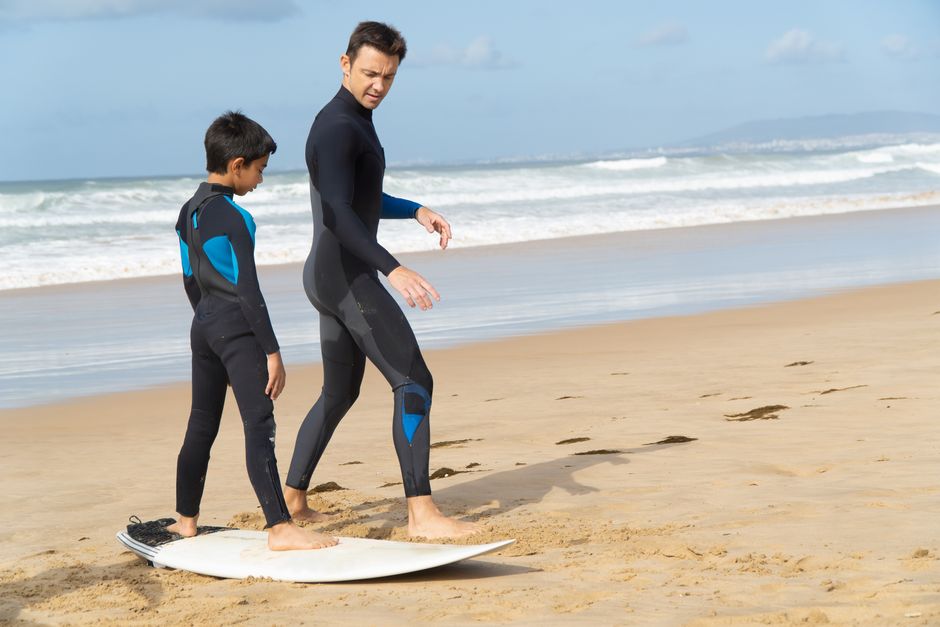
Pro Tip: Practice your pop-up on land before heading into the water. This will help you develop muscle memory and make the transition smoother when you're on a wave.
Safety First: Staying Safe in the Surf

Surfing is an amazing sport, but it's important to be aware of the potential risks. Here are some tips for staying safe in the surf:
- Know Your Limits: Don't attempt to surf in conditions that are beyond your abilities. If the waves are too big or the current is too strong, stay out of the water.
- Check the Surf Report: Before heading out, check the surf report for information on wave height, tide, wind, and any potential hazards.
- Be Aware of Rips: Rips are strong currents that can pull you out to sea. Learn how to identify rips and how to escape them. If you get caught in a rip, don't panic. Paddle parallel to the shore until you're out of the rip, then paddle back to shore.
- Protect Yourself from the Sun: Wear sunscreen, a hat, and sunglasses to protect yourself from the sun.
- Stay Hydrated: Drink plenty of water to stay hydrated, especially on hot days.
- Respect the Locals: Be respectful of local surfers and follow the rules of the lineup.
Embrace the Stoke: Enjoy the Ride!

Learning to surf takes time and patience. Don't get discouraged if you don't get it right away. Everyone wipes out, even the pros! The key is to keep practicing, stay positive, and most importantly, have fun. Embrace the "stoke" – that feeling of joy and excitement that comes from riding a wave. It's an addictive feeling that will keep you coming back for more. And remember, every surfer started where you are now. So get out there, catch some waves, and experience the magic of surfing in New Zealand!
So there you have it – my beginner's guide to learning to surf in New Zealand. I hope this helps you on your surfing journey. Remember to be patient, persistent, and most of all, have fun! See you in the water!
Post a Comment