Driving in New Zealand: Your Guide to Staying Safe and Legal as a Foreign Driver
Driving in New Zealand: Your Guide to Staying Safe and Legal as a Foreign Driver
Kia ora, fellow travelers! Planning a road trip in stunning Aotearoa, New Zealand? You're in for a treat! From the turquoise waters of the Bay of Islands to the majestic Southern Alps, New Zealand is a driver's paradise. But before you grab the keys and hit the open road, it's super important to understand the driving regulations here. Trust me, a little preparation can save you from fines, stress, and potential accidents. So, grab a cuppa and let's dive into what you, as a foreign driver, need to know to stay safe and legal on New Zealand roads.
Understanding the Basics: Can You Drive in New Zealand?

The good news is, most foreign drivers can drive in New Zealand for up to 12 months, provided they meet certain criteria. Let's break it down:
1. Holding a Valid Driver's License:
This is the most fundamental requirement. You'll need a current driver's license from your home country. Make sure it's valid and hasn't expired! If your license isn't in English, you'll need to provide an accurate translation.
2. English Translation (If Necessary):
If your driver's license isn't in English, you have a couple of options:
- An International Driving Permit (IDP): This is basically a translated version of your license and is recognized in many countries, including New Zealand. You'll still need to carry your original license along with the IDP. Get this before you leave home!
- An Approved Translation: If you don't have an IDP, you can get your license officially translated by an approved translation service in New Zealand. The New Zealand Transport Agency (NZTA) website has a list of approved translators.
3. Meeting Age Requirements:
In New Zealand, the legal driving age is 16. However, if you're renting a car, most rental companies have their own age restrictions, usually around 21 or 25, and may charge extra for drivers under a certain age. Always check the rental company's terms and conditions before booking.
4. Not Being Disqualified or Suspended:
This should be obvious, but it's worth stating: you can't drive in New Zealand if you're currently disqualified or suspended from driving in your home country or anywhere else.
5. Not Having Been in New Zealand for More Than 12 Months:
You can only drive on your foreign license for a maximum of 12 months from your last entry into New Zealand. After that, you'll need to apply for a New Zealand driver's license.
Understanding New Zealand Road Rules: They Drive on the Left!
This is probably the most crucial difference for drivers coming from countries like the United States or Europe. New Zealand drives on the left side of the road. It takes some getting used to, so be extra cautious, especially in the beginning.
Here are some key road rules to keep in mind:
1. Keep Left: This applies to everything – driving on the road, approaching roundabouts, and overtaking. Constantly remind yourself to "keep left!"
2. Roundabouts: Roundabouts are very common in New Zealand. Remember to:
- Give way to traffic already on the roundabout, approaching from your right.
- Indicate left when exiting the roundabout.
3. Give Way Rules: Understanding "give way" (yield) rules is essential. The general rule is to give way to traffic coming from your right. However, there are exceptions, especially at uncontrolled intersections. Pay close attention to signage.
4. Speed Limits: Speed limits are posted in kilometers per hour (km/h). The general speed limit on open roads (highways) is 100 km/h, but it can be lower in certain areas, like near schools or in urban areas. The speed limit in urban areas is usually 50 km/h unless otherwise indicated. Always adhere to the posted speed limits.
5. Seatbelts: Seatbelts are mandatory for all occupants in a vehicle. Failure to wear a seatbelt can result in a fine.
6. Mobile Phones: It's illegal to use a hand-held mobile phone while driving. You can only use a phone hands-free.
7. Drink Driving: New Zealand has strict drink-driving laws. The legal blood alcohol limit is 50mg of alcohol per 100ml of blood (0.05%). If you're caught driving under the influence, you'll face serious penalties, including fines, disqualification, and even imprisonment.
8. Overtaking: Overtaking is only allowed where there's a broken yellow line in the center of the road or a designated passing lane. Never overtake on a solid yellow line or where it's unsafe to do so.
Navigating New Zealand Roads: Tips for a Safe Journey

Driving in New Zealand can be challenging, especially if you're not used to driving on the left or dealing with winding roads and varying weather conditions. Here are some tips to help you navigate New Zealand roads safely:
1. Plan Your Route: Don't underestimate travel times. New Zealand roads can be narrow and winding, and distances can be deceiving. Use a GPS or map to plan your route and allow plenty of time to reach your destination. Google Maps is usually quite accurate, but consider downloading offline maps in case you lose signal.
2. Take Breaks: Driving long distances can be tiring. Take regular breaks to rest and stretch your legs. Stop at scenic viewpoints, cafes, or small towns along the way. There are often "driver reviver" stops during peak holiday periods, offering free coffee and snacks.
3. Drive to the Conditions: New Zealand weather can change quickly. Be prepared for rain, fog, snow, or strong winds, especially in mountainous areas. Adjust your driving speed to suit the conditions. If visibility is poor, turn on your headlights.
4. Be Aware of One-Lane Bridges: New Zealand has many one-lane bridges, especially in rural areas. Always give way to traffic coming from the opposite direction if they are already on the bridge. Look for signs indicating who has right-of-way.
5. Watch Out for Wildlife: New Zealand is home to a variety of wildlife, including sheep, cows, deer, and possums. Be especially careful when driving at dawn and dusk, as these animals are more likely to be active. If you see an animal on the road, slow down and give it plenty of space.
6. Be Courteous to Other Drivers: Let faster vehicles pass you if you're driving slowly. Use passing lanes responsibly. Wave to say thank you to drivers who let you in.
Renting a Car in New Zealand: What to Expect
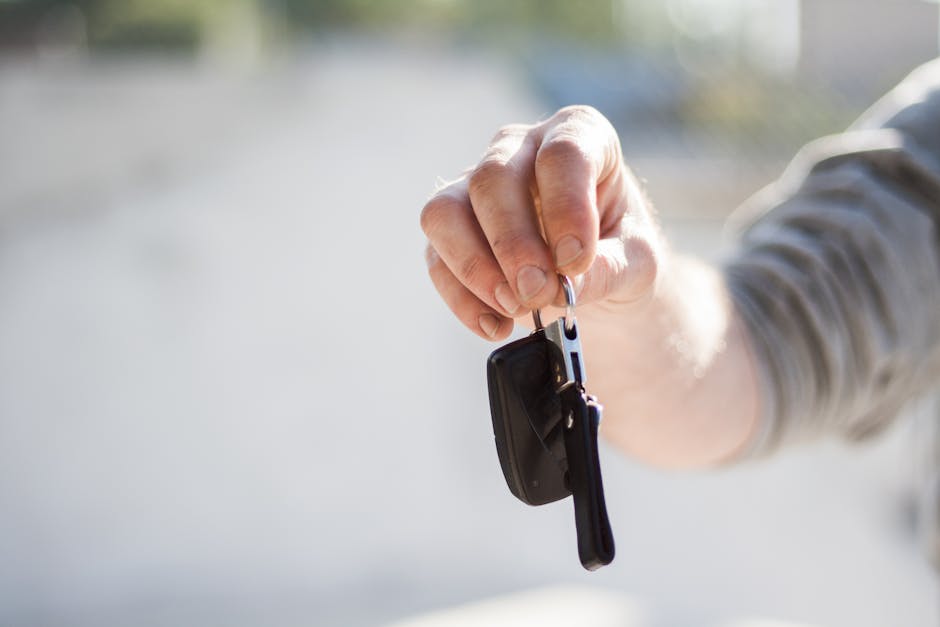
Renting a car is a popular way to explore New Zealand. Here are a few things to keep in mind when renting a car:
1. Booking in Advance: It's best to book your rental car in advance, especially during peak season (summer and school holidays). This will ensure you get the vehicle you want at the best price.
2. Choosing the Right Vehicle: Consider the type of driving you'll be doing. If you plan on driving on unsealed (gravel) roads, you may want to rent a 4WD vehicle. For general sightseeing, a smaller, more fuel-efficient car may be a better option.
3. Insurance: Make sure you have adequate insurance coverage. Most rental companies offer various insurance options, including standard insurance, full insurance, and excess reduction. Read the fine print carefully and understand what's covered.
4. Inspecting the Vehicle: Before driving away, thoroughly inspect the vehicle for any existing damage. Note any scratches, dents, or other imperfections on the rental agreement. Take photos or videos as evidence.
5. Understanding the Rental Agreement: Read the rental agreement carefully before signing it. Pay attention to the terms and conditions, including mileage limits, fuel policies, and return procedures.
Common Driving Mistakes to Avoid

Even experienced drivers can make mistakes, especially when driving in a foreign country. Here are some common driving mistakes to avoid in New Zealand:
1. Driving Too Fast: Speeding is a major cause of accidents in New Zealand. Stick to the posted speed limits and adjust your speed to suit the conditions.
2. Failing to Keep Left: Constantly remind yourself to keep left, especially when turning corners or approaching roundabouts.
3. Misjudging Distances: New Zealand roads can be narrow and winding, making it difficult to judge distances accurately. Allow plenty of space when overtaking or following other vehicles.
4. Not Giving Way: Understanding "give way" rules is essential. Always give way to traffic that has the right-of-way.
5. Driving While Tired: Driving long distances can be tiring. Take regular breaks to rest and stretch your legs.
6. Underestimating the Severity of the Roads: Some roads, especially in mountainous or rural areas, can be challenging. Be prepared for steep grades, sharp corners, and gravel surfaces.
Resources for Foreign Drivers

Here are some useful resources to help you prepare for your driving trip in New Zealand:
1. The New Zealand Transport Agency (NZTA): The NZTA website (nzta.govt.nz) is a comprehensive resource for all things related to driving in New Zealand. You'll find information on road rules, licensing requirements, and road safety campaigns.
2. DriveSafe.org.nz: This website offers tips and advice for driving safely in New Zealand, especially for foreign drivers. They have helpful videos and quizzes to test your knowledge of New Zealand road rules.
3. Rental Car Companies: Major rental car companies like Avis, Hertz, and Europcar have websites with information about their rental policies and insurance options.
4. Tourism Websites: Websites like Tourism New Zealand (newzealand.com) and regional tourism websites offer valuable information about driving routes, attractions, and accommodation options.
Final Thoughts: Enjoy the Ride!

Driving in New Zealand is an incredible experience. With its stunning scenery and diverse landscapes, it's a road trip you'll never forget. By understanding the driving regulations, following the road rules, and taking necessary precautions, you can ensure a safe and enjoyable journey. So, buckle up, take your time, and soak in the beauty of Aotearoa. Happy travels! And remember, keep left!
Post a Comment