Dealing with Jet Lag on a Trip to New Zealand: My Tried-and-True Survival Guide

Dealing with Jet Lag on a Trip to New Zealand: My Tried-and-True Survival Guide
Ah, New Zealand. The land of breathtaking landscapes, thrilling adventures, and… soul-crushing jet lag. Trust me, I know. After years of dreaming about visiting Middle Earth, and then enduring that long, long flight from Europe (and even longer flights from North America!), the first few days were… well, a blur. A beautiful, blurry, exhausted blur. But don't worry, fellow traveler! I've learned a few tricks along the way to minimize the misery and maximize your Kiwi adventure. This is my tried-and-true guide to dealing with jet lag when traveling to New Zealand.
Understanding the Jet Lag Beast: Why New Zealand Trips Hit Hard
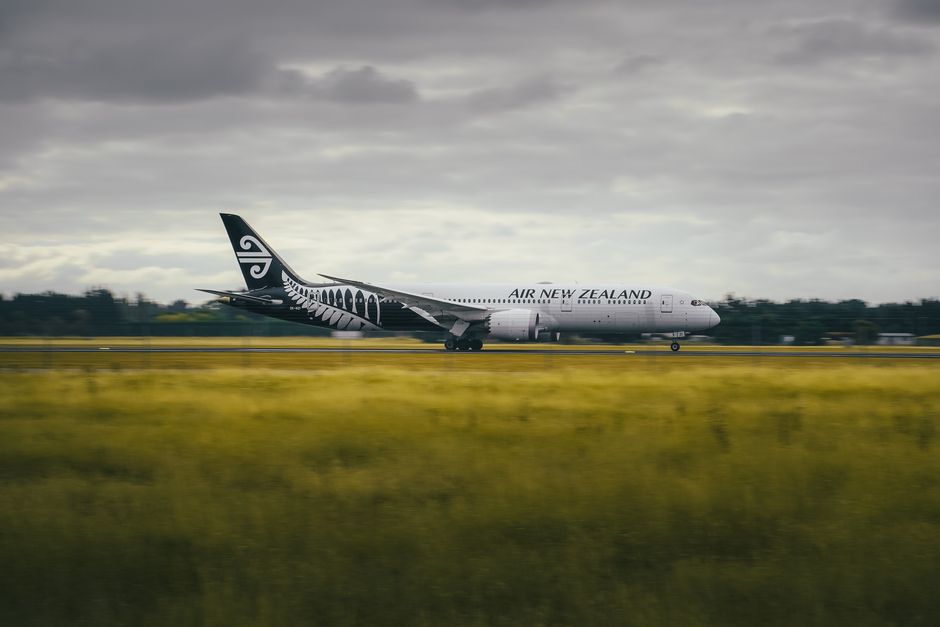
First things first, let's understand what we're up against. Jet lag isn't just being tired. It's your body's internal clock, your circadian rhythm, being utterly confused because you've suddenly jumped across multiple time zones. This internal clock regulates everything from sleep-wake cycles to hormone release and even body temperature. When it gets thrown off, you feel it. Hard.
New Zealand trips, especially from North America and Europe, are particularly brutal for a few reasons:
- The Sheer Distance: You're not just crossing a few time zones; you're often crossing a significant chunk of the planet. The further you travel, the greater the disruption.
- Direction of Travel: Traveling east is generally considered worse than traveling west. Why? Because you're essentially shortening your day, making it harder for your body to adjust. New Zealand from North America often involves crossing the International Date Line, which can further complicate things.
- Flight Duration: Let's be honest, even in business class, those ultra-long-haul flights are taxing on the body. Sitting for extended periods, the recycled air, and the general discomfort all contribute to feeling run-down even before you land.
Pre-Flight Prep: Setting Yourself Up for Success

The battle against jet lag starts before you even board the plane. This is where you can lay the groundwork for a smoother transition.
- Adjust Your Sleep Schedule Gradually: This is the golden rule, and I can't stress it enough. A few days before your trip, try to shift your bedtime and wake-up time a little earlier (if you're traveling east) or a little later (if you're traveling west). Even 30 minutes a day can make a difference.
- Optimize Your Sleep Environment: In the days leading up to your trip, prioritize good sleep hygiene. That means creating a dark, quiet, and cool bedroom. Avoid caffeine and alcohol close to bedtime, and establish a relaxing pre-sleep routine.
- Hydrate Like a Pro: Dehydration exacerbates jet lag. Start hydrating well in the days before your flight. Carry a reusable water bottle and sip on it constantly.
- Watch What You Eat: Avoid heavy, processed foods in the days leading up to your trip. Focus on nutrient-rich meals that will fuel your body and help you sleep better.
- Exercise (But Not Too Close to Bedtime): Regular exercise can improve your sleep quality, but avoid intense workouts right before bed, as they can make it harder to fall asleep.
In-Flight Strategies: Surviving the Long Haul

Okay, you're on the plane, buckled in, and ready (or as ready as you can be) for the adventure. Now's the time to implement your in-flight jet lag fighting strategies.
- Set Your Watch to New Zealand Time Immediately: This is a mental trick that can help you start adjusting psychologically. Even if your body clock is screaming "it's the middle of the night!", seeing the New Zealand time can help you start thinking in that time zone.
- Hydrate, Hydrate, Hydrate: I know I already mentioned this, but it's worth repeating. Airplane air is notoriously dry, so drink plenty of water throughout the flight. Avoid sugary drinks and excessive caffeine, as they can dehydrate you further.
- Move Around: Get up and walk around the cabin every few hours to improve circulation and prevent stiffness. Even simple stretches in your seat can help.
- Adjust Your Sleep Schedule (If Possible): Try to sleep when it's nighttime in New Zealand, and stay awake when it's daytime. Easier said than done, I know, but even napping strategically can help.
- Avoid Alcohol: While a glass of wine might seem appealing, alcohol can disrupt your sleep cycle and worsen jet lag.
- Embrace Eye Masks and Earplugs: These are your best friends on a long flight. They can help block out light and noise, making it easier to sleep. I swear by my noise-canceling headphones!
- Consider Melatonin (With Caution): Melatonin is a hormone that regulates sleep. Some people find it helpful for adjusting to new time zones. However, it's essential to talk to your doctor before taking melatonin, especially if you have any underlying health conditions or are taking other medications. And be sure to follow the dosage instructions carefully.
Post-Arrival Action Plan: Conquering Jet Lag in New Zealand
You've arrived! You're finally in New Zealand! But the jet lag monster is still lurking. Here's how to tackle it head-on:
- Get Sunlight Exposure: Sunlight is a powerful regulator of your circadian rhythm. As soon as you arrive, get outside and expose yourself to natural light, especially in the morning. Even a short walk can make a difference.
- Stay Awake Until a Reasonable Bedtime: Resist the urge to crash as soon as you arrive. Power through until at least 9 or 10 pm local time. This will help your body adjust to the new time zone more quickly.
- Establish a Regular Sleep Schedule: Go to bed and wake up at the same time each day, even if you're feeling tired. This will help regulate your circadian rhythm.
- Eat Meals at Regular Times: Eating meals at the right times can also help regulate your body clock. Try to eat breakfast, lunch, and dinner at the same times you would in New Zealand.
- Stay Active: Gentle exercise, like walking or swimming, can help you feel more energized and improve your sleep. Avoid strenuous exercise close to bedtime.
- Hydrate (Again!): Keep drinking plenty of water.
- Consider Short Naps (But Not Too Long): If you absolutely need a nap, limit it to 30-45 minutes. Longer naps can make it harder to fall asleep at night.
- Don't Be Afraid to Adjust Your Itinerary: If you're feeling overwhelmed by jet lag, don't be afraid to adjust your itinerary. Schedule more relaxing activities for your first few days, and avoid anything too strenuous or demanding.
- Embrace the Culture (And the Coffee!): Immerse yourself in the New Zealand culture. Get out and explore, meet new people, and experience everything the country has to offer. And yes, a good flat white (New Zealand's signature coffee) can certainly help!
Things to Avoid: Jet Lag Pitfalls

Just as important as the things you should do are the things you should avoid to minimize jet lag.
- Overdoing It: Don't try to cram too much into your first few days. Your body needs time to adjust.
- Excessive Caffeine or Alcohol: These substances can disrupt your sleep and worsen jet lag.
- Screen Time Before Bed: The blue light emitted from electronic devices can interfere with melatonin production, making it harder to fall asleep. Avoid using phones, tablets, or computers for at least an hour before bed.
- Staying Indoors All Day: Sunlight is your friend! Get outside as much as possible.
- Ignoring Your Body: Listen to your body. If you're feeling exhausted, rest. If you're feeling hungry, eat. Don't push yourself too hard.
My Personal Jet Lag Arsenal: What Works for Me

Over the years, I've developed a personal jet lag arsenal that works wonders for me. Here are a few of my go-to strategies:
- Magnesium Supplements: Magnesium can help promote relaxation and improve sleep quality. I take a magnesium supplement a few days before and during my trip.
- Aromatherapy: Lavender essential oil is my secret weapon for relaxation. I apply a few drops to my temples or diffuse it in my hotel room to help me unwind before bed.
- Mindfulness Meditation: Even a few minutes of mindfulness meditation can help calm my mind and reduce stress. I use a meditation app on my phone.
- Compression Socks: These help improve circulation and prevent swelling during long flights. They might not be the most fashionable, but they're worth it!
- Dark Chocolate (In Moderation!): A small square of dark chocolate can satisfy my sweet cravings and provide a little energy boost. Just don't overdo it, as it contains caffeine.
Embrace the "Kiwi" Spirit: Take it Easy!
Finally, remember to embrace the "Kiwi" spirit of taking things easy. New Zealand is a country that values relaxation and enjoying the moment. Don't let jet lag ruin your trip. Be patient with yourself, listen to your body, and give yourself time to adjust. You'll be exploring stunning fjords, hiking through lush rainforests, and experiencing the magic of Middle Earth in no time! And if all else fails, a good cup of coffee and a slice of pavlova will always help!
Final Thoughts: It's Worth It!

Yes, dealing with jet lag on a trip to New Zealand can be challenging. But trust me, it's absolutely worth it. The stunning scenery, the friendly people, and the incredible experiences will far outweigh the temporary discomfort. So, pack your bags, follow these tips, and get ready for the adventure of a lifetime! Kia Ora, and enjoy your trip!
Post a Comment