Dark Tourism in New Zealand: Reflecting on History's Shadows

Dark Tourism in New Zealand: Reflecting on History's Shadows
Hey there! Have you ever felt drawn to places touched by significant historical events, even if those events were tragic or unsettling? I know I have. There's something about standing in the very spot where history unfolded – feeling the weight of the past, honoring those who came before us, and perhaps even learning a little more about ourselves. That's essentially what dark tourism is all about, and New Zealand, with its rich and often tumultuous past, offers some incredibly powerful and thought-provoking dark tourism destinations. Let's explore some of these sites together, delving into their stories and considering the ethical considerations of engaging with these somber places.
What Exactly is Dark Tourism?

Before we dive in, let's clarify what we mean by "dark tourism." It's essentially the act of visiting sites associated with death, suffering, tragedy, or historical atrocities. Now, that might sound a bit morbid, but it's not about glorifying the darkness. Instead, it's about:
- Education: Learning about the events that shaped history and understanding their impact on individuals and communities.
- Remembrance: Honoring the victims and survivors of these events.
- Reflection: Considering the human capacity for both good and evil, and examining our own values and beliefs.
- Reconciliation: Promoting healing and understanding between different groups.
The key is to approach these sites with respect, sensitivity, and a genuine desire to learn and understand. It's not about seeking thrills or entertainment, but rather about engaging with history in a meaningful and impactful way. I think of it as a way to ensure these stories aren't forgotten.
New Zealand's Dark Tourism Landscape
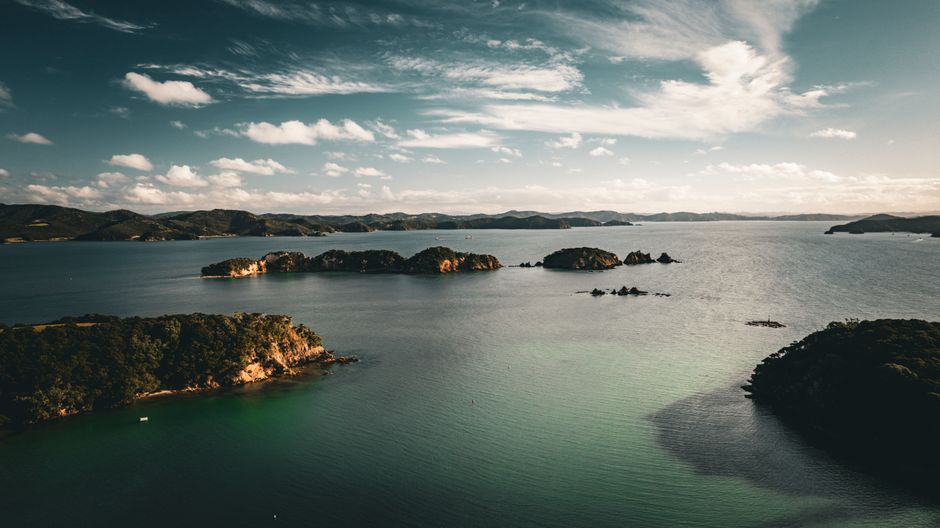
New Zealand, or Aotearoa, is a land of stunning natural beauty, but it's also a land with a complex history, shaped by both Māori culture and European colonization. This history includes moments of great cooperation and cultural exchange, but also periods of conflict, injustice, and hardship. As a result, there are several sites throughout the country that qualify as dark tourism destinations, each offering a unique glimpse into the past.
1. Exploring the Ruins of Ruapekapeka Pā
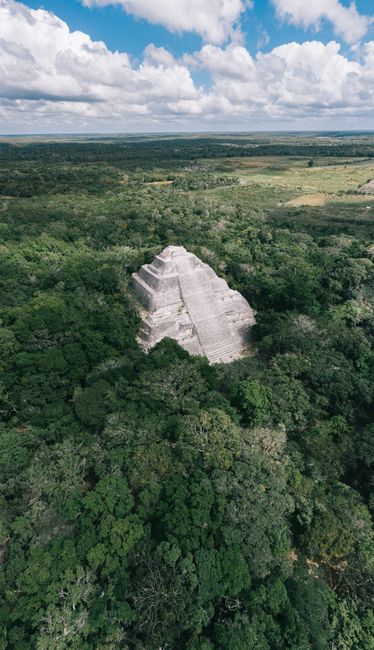
One particularly impactful site for me was Ruapekapeka Pā, near Kawakawa in Northland. This pā (fortified village) was the scene of a major battle during the Northern War in 1845-46, fought between Māori tribes and British colonial forces. What makes Ruapekapeka so fascinating is its innovative design. The pā was ingeniously engineered with underground bunkers and trenches, making it a formidable defensive position.
Walking through the earthworks today, you can almost imagine the fierce fighting that took place here. It's a stark reminder of the conflict that arose from the clash of cultures and the struggle for land and sovereignty. I found it particularly moving to learn about the strategies employed by both sides and to consider the human cost of the war. The interpretive panels on site do a fantastic job of providing context and telling the story from multiple perspectives.
2. Remembering the Mount Tarawera Eruption
The eruption of Mount Tarawera in 1886 is another significant event in New Zealand's history, and the Waimangu Volcanic Valley is a powerful place to witness its aftermath. This catastrophic eruption devastated the landscape, destroying several Māori villages and tragically claiming the lives of over 100 people. The world-famous Pink and White Terraces, considered the eighth wonder of the world, were also lost forever.
Visiting Waimangu today, you can see the dramatic changes the eruption caused. The valley is filled with geothermal activity, including steaming craters, hot springs, and colorful pools. It's a constant reminder of the power of nature and the fragility of human life. I took a boat tour on Lake Rotomahana, which now covers the site of the Pink and White Terraces, and it was an incredibly moving experience to reflect on what was lost and the resilience of the survivors. Understanding the impact on the local Māori communities, who had lived in harmony with the land for generations, added another layer of depth to the visit.
3. Unveiling History at the Karangahape Road Cemetery

Auckland's Karangahape Road Cemetery, often simply called K Road Cemetery, offers a different kind of dark tourism experience. This historic cemetery is the final resting place for many of Auckland's early settlers, including notable figures and ordinary citizens alike. Wandering through the cemetery, you can read the inscriptions on the tombstones, piecing together fragments of their lives and stories.
What I found particularly poignant were the graves of young children and victims of epidemics like typhoid and influenza. These markers serve as a stark reminder of the challenges and hardships faced by early European settlers. The cemetery also reveals social inequalities, with elaborate monuments for the wealthy and simpler graves for those less fortunate. It's a place for quiet contemplation, offering a glimpse into the lives, hopes, and losses of those who shaped Auckland's early history.
4. Delving into the History of Quail Island

Located in Lyttelton Harbour near Christchurch, Quail Island has a fascinating, albeit somewhat somber, history. Over the years, it has served as a quarantine station for immigrants, a leper colony, and an animal quarantine facility. Perhaps most notably, it was a training ground for Antarctic explorers, including Robert Falcon Scott and Ernest Shackleton.
Walking around the island today, you can still see the remnants of these past uses, including the ruins of the quarantine station and the kennels where sled dogs were trained for Antarctic expeditions. Thinking about the isolation and hardship faced by those quarantined on the island, and the perilous journeys undertaken by the early explorers, creates a palpable sense of history. Taking a guided tour really helped to bring these stories to life and understand the island's complex past. It's a place that encourages reflection on themes of isolation, resilience, and the human spirit.
5. Reflecting at Parihaka

Parihaka, a small settlement in Taranaki, holds a particularly significant place in New Zealand history as a symbol of peaceful resistance. In the 1880s, Parihaka became the center of a non-violent protest movement led by Te Whiti o Rongomai and Tohu Kākahi, against the confiscation of Māori land by the government. The residents of Parihaka peacefully disrupted surveyors and settlers, facing arrest and imprisonment for their actions.
In 1881, government troops invaded Parihaka, destroying homes and crops, and arresting Te Whiti and Tohu. The story of Parihaka is a powerful example of the strength of peaceful resistance in the face of injustice. Visiting Parihaka today is a deeply moving experience. It's a place to reflect on the history of Māori land confiscation, the importance of non-violent protest, and the ongoing struggle for social justice. Engaging with the local community and listening to their stories is essential for understanding the significance of this site.
6. Remembering the Tangiwai Disaster

The Tangiwai disaster, which occurred on Christmas Eve 1953, is one of New Zealand's worst rail disasters. A lahar (volcanic mudflow) from Mount Ruapehu destroyed the Tangiwai railway bridge just moments before the Wellington-Auckland express train crossed it. The train plunged into the Whangaehu River, resulting in the tragic loss of 151 lives.
A memorial has been erected near the site of the disaster, and it serves as a poignant reminder of the tragedy. It's a place to pause and remember the victims and to reflect on the importance of safety and preparedness. I found it especially moving to read the names of those who perished and to imagine the devastating impact the disaster had on their families and communities. It's a somber but important place to visit, reminding us of the fragility of life and the importance of learning from past mistakes.
Ethical Considerations in Dark Tourism

Now, it's important to acknowledge that dark tourism isn't without its ethical challenges. It's crucial to approach these sites with respect and sensitivity, avoiding any behavior that could be seen as disrespectful to the victims or their families. Here are some key considerations:
- Respectful Behavior: Dress appropriately, speak quietly, and avoid taking photos in areas where it's prohibited. Always be mindful of the solemnity of the location.
- Avoid Exploitation: Don't treat these sites as entertainment or photo opportunities. Focus on learning and understanding the history.
- Support Local Communities: Whenever possible, support local businesses and organizations that are working to preserve and interpret these sites.
- Educate Yourself: Before visiting a dark tourism destination, take the time to learn about the history and context of the event. This will help you to better understand its significance and to avoid making insensitive comments or assumptions.
- Consider the Impact: Be mindful of the impact your visit might have on local communities. Avoid contributing to over-tourism or disrespectful behavior.
Ultimately, dark tourism should be an opportunity for learning, reflection, and remembrance. By approaching these sites with respect and sensitivity, we can ensure that the stories of the past are not forgotten and that we honor the memory of those who suffered.
My Personal Reflections

For me, exploring dark tourism sites in New Zealand has been a deeply enriching experience. It's challenged me to confront uncomfortable truths about the past, to empathize with those who have suffered, and to consider the importance of reconciliation and healing. I've found that these visits have not only broadened my understanding of New Zealand's history but have also deepened my appreciation for the resilience and strength of the human spirit.
I hope this article has inspired you to consider visiting some of these sites yourself, and to approach them with the respect and sensitivity they deserve. Remember, dark tourism is not about glorifying the darkness, but about learning from the past and building a more just and compassionate future. Safe travels, and may your journeys be filled with both learning and reflection!
Post a Comment