Currency & Banking in New Zealand: Your Friendly Guide to Managing Finances Down Under

Currency & Banking in New Zealand: Your Friendly Guide to Managing Finances Down Under
Kia ora! So, you're thinking about New Zealand, eh? Maybe you're planning a holiday, considering a move, or just curious about how things work "down under." One thing you'll definitely need to understand is the currency and banking system. Don't worry, it's not as daunting as it might seem. I'm here to share my experiences and insights to help you navigate your finances in Aotearoa (that's Maori for New Zealand!). Let's dive in!
New Zealand Currency: The Kiwi Dollar
First things first, let's talk about the money. New Zealand uses the New Zealand Dollar (NZD), often affectionately called the "Kiwi Dollar" or just "Kiwi." It's divided into 100 cents. You'll find coins in denominations of 10c, 20c, 50c, $1, and $2. Banknotes come in $5, $10, $20, $50, and $100 denominations. They're all brightly colored and feature native birds and iconic New Zealand figures. It's quite a pretty currency, if I do say so myself!
Understanding the Exchange Rate: Keeping an eye on the exchange rate between your home currency and the NZD is crucial. It fluctuates constantly, influenced by various economic factors. There are plenty of online currency converters and apps that can help you track the exchange rate. A good rule of thumb is to check the rate regularly before your trip or transfer funds, so you know what to expect. Even small fluctuations can make a difference, especially when dealing with larger sums.
Tips for Exchanging Currency:
- Banks: Generally offer competitive exchange rates, especially if you're a customer.
- Currency Exchange Bureaus: Found in airports and tourist areas. While convenient, their rates are often less favorable. Shop around and compare rates before committing.
- ATMs: Withdrawing cash from ATMs in New Zealand is often the most convenient and can offer decent exchange rates. However, be aware of potential international transaction fees from your bank. Check with your bank before you travel to understand their fees.
- Credit Cards: Using your credit card for purchases is another convenient option, but again, be mindful of international transaction fees. Some credit cards offer rewards points or cashback on international purchases, so check your card benefits.
Cash vs. Card: While credit and debit cards are widely accepted in New Zealand, especially in major cities and tourist areas, it's always a good idea to carry some cash. Smaller businesses, especially in rural areas, might prefer cash payments. Plus, having some cash on hand is useful for things like tipping (though tipping isn't as common as in the US), paying for parking meters, or buying small items from farmers' markets.
Banking in New Zealand: Setting Up an Account

If you're planning to live or work in New Zealand, opening a local bank account is essential. It simplifies paying bills, receiving your salary, and managing your day-to-day finances. Thankfully, it's a relatively straightforward process.
Major Banks in New Zealand:
Here are some of the major banks you'll encounter:
- ANZ (Australia and New Zealand Banking Group): One of the largest banks in New Zealand, offering a wide range of banking services.
- ASB (Auckland Savings Bank): Another major player with a strong reputation for customer service.
- BNZ (Bank of New Zealand): One of the oldest banks in New Zealand, with a long history of serving the community.
- Westpac: A well-established bank with a global presence.
- TSB (Taranaki Savings Bank): A smaller, community-focused bank known for its ethical banking practices.
Requirements for Opening an Account:
To open a bank account, you'll typically need:
- Proof of Identity: This usually includes your passport and a driver's license or another form of government-issued photo ID.
- Proof of Address: A utility bill (like electricity or gas), a tenancy agreement, or a letter from a reputable organization confirming your address.
- IRD Number: Your Inland Revenue Department (IRD) number is your tax identification number in New Zealand. You'll need this for most financial transactions.
- Visa Information (if applicable): If you're not a New Zealand citizen or permanent resident, you'll need to provide details about your visa status.
Types of Bank Accounts:
Most banks offer a variety of accounts to suit different needs. Here are some common types:
- Everyday Accounts: These are your standard checking accounts, used for day-to-day transactions, paying bills, and receiving your salary.
- Savings Accounts: Designed for saving money, these accounts typically offer interest on your balance.
- Term Deposits: A type of savings account where you deposit a fixed amount of money for a fixed period of time (e.g., 6 months, 1 year) in exchange for a higher interest rate.
- Youth Accounts: Accounts specifically designed for young people, often with lower fees and other benefits.
- Business Accounts: Accounts tailored to the needs of businesses, with features like online banking, merchant services, and lending options.
Choosing the Right Bank and Account:
Consider these factors when choosing a bank and account:
- Fees: Compare the fees charged by different banks, including monthly account fees, transaction fees, and ATM fees.
- Interest Rates: If you're opening a savings account or term deposit, compare the interest rates offered by different banks.
- Branch Network: If you prefer to bank in person, choose a bank with a convenient branch network in your area.
- Online Banking: Most banks offer comprehensive online banking services, allowing you to manage your account, pay bills, and transfer funds online.
- Customer Service: Read reviews and talk to other people to get a sense of the bank's customer service reputation.
Personal Experience: When I first moved to New Zealand, I did a lot of research online before choosing a bank. I ended up going with ASB because they had a good reputation for customer service and their online banking platform was easy to use. I was also impressed with their helpfulness in setting up my account and answering all my questions. Don't be afraid to visit a few different banks and talk to their staff before making a decision.
Managing Your Finances in New Zealand

Once you have a bank account set up, it's time to start managing your finances. Here are some tips to help you stay on top of things:
Budgeting: Creating a budget is essential for managing your money effectively. There are plenty of budgeting apps and tools available that can help you track your income and expenses. I personally use a simple spreadsheet to track my spending and ensure I'm staying within my budget.
Paying Bills: You can pay bills in New Zealand in several ways:
- Online Banking: The most common and convenient way to pay bills.
- Direct Debit: Set up automatic payments from your bank account.
- In Person: At a bank branch or PostShop.
- By Mail: Some companies still accept payments by mail.
Taxation: New Zealand has a progressive income tax system. The amount of tax you pay depends on your income level. It's important to understand your tax obligations and file your tax return on time. The Inland Revenue Department (IRD) website has a wealth of information about taxation in New Zealand.
KiwiSaver: KiwiSaver is a voluntary, work-based savings scheme designed to help New Zealanders save for retirement. If you're employed in New Zealand, you'll be automatically enrolled in KiwiSaver unless you opt out. Both you and your employer contribute to your KiwiSaver account, and the government also provides a contribution. It's a great way to save for your future.
Insurance: It's important to have adequate insurance coverage, including:
- Health Insurance: While New Zealand has a public healthcare system, it's a good idea to have private health insurance to cover things like specialist appointments and elective surgery.
- Home and Contents Insurance: Protects your home and belongings from damage or theft.
- Car Insurance: Required by law if you own a vehicle.
- Travel Insurance: If you're traveling in New Zealand or overseas, travel insurance can protect you from unexpected medical expenses, lost luggage, and other travel-related emergencies.
Understanding EFTPOS and Contactless Payments
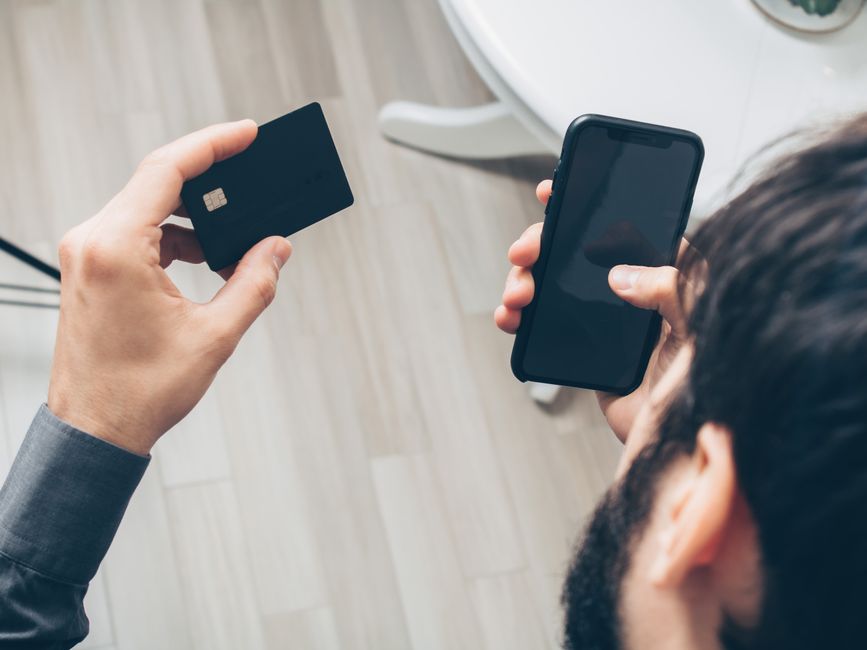
New Zealand is a very modern country when it comes to payment technology. EFTPOS (Electronic Funds Transfer at Point Of Sale) is incredibly common. Basically, it's using your debit card to pay for things directly from your bank account at stores. Contactless payments (like Paywave) are also widely accepted, making transactions quick and easy. It's rare to see someone writing a check, honestly!
A Word on Scams: Just like anywhere in the world, scams exist in New Zealand. Be wary of unsolicited emails, phone calls, or text messages asking for your personal or financial information. Never share your passwords or PINs with anyone. If you suspect you've been targeted by a scam, report it to the police or the appropriate authorities. The Netsafe website provides helpful information about online safety and scams.
Final Thoughts

Navigating currency and banking in a new country can seem daunting, but with a little preparation and research, it's perfectly manageable. New Zealand has a well-developed banking system and a modern economy. By understanding the basics of the Kiwi dollar, opening a bank account, and managing your finances responsibly, you can enjoy a smooth and successful experience in Aotearoa. I hope this guide has been helpful! If you have any more questions, feel free to ask. Good luck, and enjoy your time in New Zealand!
Post a Comment