92 Emerging Travel Trends in New Zealand: Unveiling What's Next

92 Emerging Travel Trends in New Zealand: Unveiling What's Next
Kia ora! Let's dive deep into the vibrant world of travel in Aotearoa, New Zealand. It's a place that's constantly reinventing itself, and the travel scene is no exception. Forget the usual tourist traps, we're talking about the cutting edge, the trends shaping the future of how we experience this incredible country. I've spent years exploring every nook and cranny, from the snowy peaks of the Southern Alps to the golden sands of the Bay of Islands, and I'm thrilled to share my insights on what's hot – and what's about to be – in New Zealand travel.
1. Regenerative Tourism: Giving Back While Exploring

This isn't just about being sustainable; it's about actively leaving a place better than you found it. Think of it as tourism with a conscience, a way to travel that actually contributes to the well-being of the environment and the local communities. I've noticed a huge shift towards this, and I couldn't be happier.
How can you participate?
- Volunteering: Spend a day planting trees, helping with conservation projects, or assisting at a local community garden. There are tons of opportunities!
- Supporting Local Businesses: Choose locally owned accommodations, restaurants, and tour operators. They're the lifeblood of the community.
- Respecting the Environment: Leave no trace behind. Take all your rubbish with you, stick to marked trails, and avoid disturbing wildlife.
One experience that really sticks with me was volunteering at a kiwi sanctuary in the North Island. Knowing that I was contributing to the survival of this iconic bird made my trip so much more meaningful. It's about more than just ticking off destinations; it's about making a real difference.
2. Immersive Māori Cultural Experiences: Beyond the Hāngi

While enjoying a delicious hāngi (earth oven feast) is always a treat, the Māori culture offers so much more than just that. Travelers are increasingly seeking authentic, immersive experiences that go beyond the surface level. I'm talking about truly connecting with the traditions, stories, and values of the Māori people.
What does that look like?
- Spending time on a Marae: Many Marae (meeting grounds) offer overnight stays and cultural immersion programs where you can learn about traditional arts, crafts, and customs.
- Learning Te Reo Māori: Even a few basic phrases can go a long way in showing respect and deepening your understanding.
- Participating in a Pōwhiri: Witnessing or even participating in a Pōwhiri (welcoming ceremony) is a deeply moving experience.
I remember attending a storytelling session with a local Māori elder in Rotorua. The stories he shared about his ancestors and their connection to the land were incredibly powerful. It was a reminder that New Zealand's history is rich and complex, and there's so much to learn.
3. Off-the-Beaten-Path Adventures: Exploring Undiscovered Gems
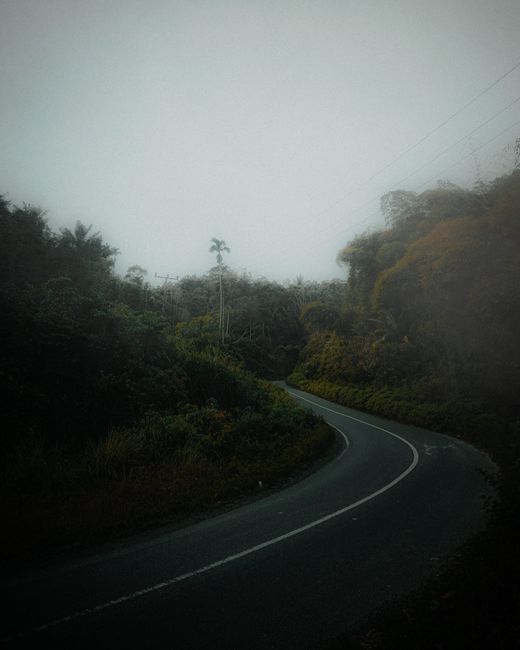
Queenstown is stunning, no doubt, but there's a whole country out there waiting to be explored! Travelers are becoming more adventurous, seeking out hidden waterfalls, secluded beaches, and charming towns that aren't plastered all over Instagram. I am personally a huge fan of this trend!
Where should you start?
- The Catlins: Located in the southeastern corner of the South Island, this rugged coastline is home to stunning wildlife, including penguins, seals, and dolphins.
- The Forgotten World Highway: This scenic drive through the North Island's central plateau is packed with history and breathtaking landscapes.
- Stewart Island/Rakiura: New Zealand's third-largest island is a paradise for hikers and nature lovers.
I once stumbled upon a hidden waterfall while hiking in the Abel Tasman National Park. There wasn't another soul around, and the water was crystal clear. Those are the moments that make travel truly unforgettable.
4. Slow Travel: Savoring the Journey, Not Just the Destination

Forget rushing from place to place, ticking off a checklist of must-see sights. Slow travel is about taking your time, immersing yourself in the local culture, and truly savoring the journey. Think leisurely road trips, long hikes, and spending time connecting with the people you meet along the way.
How can you embrace slow travel?
- Rent a Campervan: Embrace the freedom of the open road and explore at your own pace.
- Take a Cooking Class: Learn how to prepare traditional New Zealand dishes and connect with local food producers.
- Spend Time in Nature: Go for a hike, swim in a lake, or simply relax and enjoy the scenery.
I spent a month driving around the South Island in a campervan, and it was one of the most incredible experiences of my life. I had no set itinerary, and I simply followed my instincts. I met amazing people, discovered hidden gems, and truly felt like I was part of the landscape.
5. Wellness Tourism: Rejuvenating Mind, Body, and Soul

New Zealand's natural beauty and tranquility make it the perfect destination for wellness tourism. From hot springs and spas to yoga retreats and mindfulness workshops, there are endless opportunities to rejuvenate your mind, body, and soul. And who doesn't need that?
What are some wellness options?
- Rotorua Hot Pools: Soak in the therapeutic waters of Rotorua's geothermal hot pools.
- Abel Tasman Kayaking & Yoga: Combine kayaking with yoga sessions amidst the stunning scenery of the Abel Tasman National Park.
- Luxury Spa Retreats: Indulge in a luxurious spa treatment at one of New Zealand's many world-class retreats.
I treated myself to a massage at a spa overlooking Lake Wakatipu, and it was pure bliss. The combination of the stunning scenery and the skilled therapists left me feeling completely relaxed and refreshed.
6. Eco-Friendly Accommodations: Sleeping Sustainably

Travelers are increasingly conscious of their environmental impact, and they're looking for accommodations that reflect their values. Eco-friendly hotels, lodges, and campsites are becoming more and more popular. From solar panels and rainwater harvesting to composting toilets and locally sourced food, these accommodations are committed to minimizing their footprint.
What to look for:
- Sustainability Certifications: Look for accommodations that have been certified by a reputable organization, such as Qualmark or Green Globe.
- Eco-Friendly Practices: Inquire about the accommodation's environmental policies and practices.
- Local Sourcing: Choose accommodations that support local businesses and use locally sourced products.
I stayed at a eco-lodge in the Coromandel Peninsula that was completely off the grid. They generated their own electricity from solar panels, harvested rainwater for their water supply, and grew their own vegetables in a garden. It was a truly inspiring experience.
7. Foodie Adventures: A Taste of New Zealand

New Zealand's culinary scene is booming, with innovative chefs using local ingredients to create unforgettable dining experiences. From fresh seafood and lamb to artisan cheeses and craft beers, there's something to tantalize every taste bud. And it's not just fine dining, it's about connecting with the stories behind the food.
How to indulge your inner foodie:
- Visit a Farmers Market: Sample local produce, meet the farmers, and learn about the region's culinary traditions.
- Take a Wine Tour: New Zealand is famous for its Sauvignon Blanc, Pinot Noir, and other varietals.
- Go on a Food Tour: Discover the best restaurants and cafes in a particular city or region.
I went on a food tour of Wellington and discovered some amazing hidden gems. We sampled everything from artisanal chocolates to locally brewed craft beer. It was a delicious way to explore the city and learn about its culinary history.
8. Digital Nomad Hotspots: Working Remotely in Paradise

With its stunning scenery, reliable internet, and welcoming atmosphere, New Zealand is becoming increasingly popular with digital nomads. Imagine working from a laptop overlooking a turquoise lake or taking a break to go for a hike in the mountains. It's a dream come true for many.
Tips for digital nomads:
- Research Visa Requirements: Make sure you have the necessary visa to work remotely in New Zealand.
- Find Reliable Internet: Look for accommodations with fast and reliable internet access.
- Connect with Other Digital Nomads: Join online communities and attend meetups to connect with other remote workers.
I met a digital nomad in Queenstown who was working as a freelance photographer. He spent his mornings taking photos of the stunning scenery and his afternoons editing them from his laptop. It seemed like the perfect balance of work and play.
9. Accessible Travel: Making New Zealand for Everyone

It's essential that travel is inclusive and accessible to everyone, regardless of their abilities. New Zealand is making strides in this area, with more and more accommodations, attractions, and activities becoming accessible to people with disabilities. This is something close to my heart and I think it is important to acknowledge.
What's being done?
- Accessible Accommodations: Many hotels and lodges offer accessible rooms with features such as ramps, grab bars, and roll-in showers.
- Accessible Activities: There are a growing number of accessible activities, such as kayaking, hiking, and sightseeing tours.
- Accessible Transportation: Some transportation companies offer accessible vehicles and services.
I recently visited a wildlife sanctuary that had made a conscious effort to make its facilities accessible to people with disabilities. They had installed ramps, widened pathways, and provided accessible restrooms. It was wonderful to see them prioritizing inclusivity.
So, there you have it – my take on the top emerging travel trends in New Zealand. It's a country of endless possibilities, and I hope these insights inspire you to explore it in a more meaningful, responsible, and unforgettable way. Haere rā (farewell) and happy travels!
Post a Comment