Work & Travel New Zealand: Your Ultimate Working Holiday Guide to the Land of the Long White Cloud

Work & Travel New Zealand: Your Ultimate Working Holiday Guide to the Land of the Long White Cloud
Hey there, fellow adventurer! Dreaming of stunning landscapes, thrilling adventures, and maybe padding your bank account while you're at it? Then you've probably already stumbled upon the magic of a working holiday in New Zealand. Trust me, it's an experience you won't forget. I've been there, done that, and I'm here to share my insider tips to help you navigate your own Kiwi adventure.
Is a New Zealand Working Holiday Right for You?
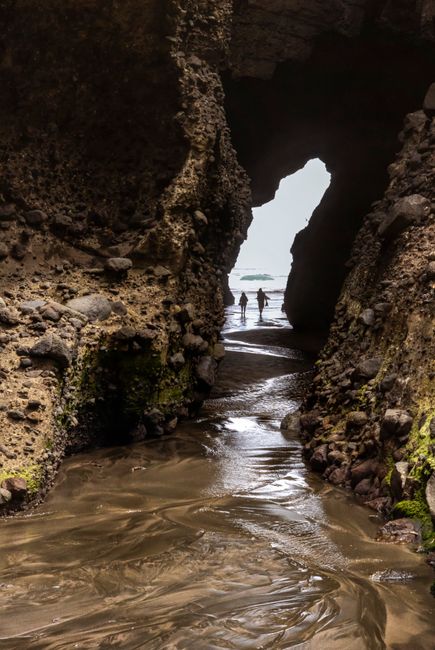
Before we dive into the nitty-gritty, let's make sure a New Zealand working holiday is the right fit for you. It's not just about epic scenery (although, let's be honest, that's a HUGE part of it!). It's about being adaptable, resourceful, and ready to embrace the unknown. If you're nodding along, keep reading!
Consider these points:
- Are you eligible? The most common visa is the Working Holiday Visa (WHV). Requirements vary depending on your nationality, but generally, you need to be between 18 and 30 (or 35 for some countries), have a valid passport, and sufficient funds.
- What are your goals? Are you looking to travel extensively? Save money? Gain specific work experience? Knowing your priorities will help you tailor your trip.
- Are you comfortable with uncertainty? Working holiday life isn't always glamorous. You might face unexpected challenges – finding accommodation, securing a job, adapting to a new culture. A positive attitude is key!
- Do you enjoy the outdoors? New Zealand is an outdoor paradise. If hiking, kayaking, snowboarding, or simply soaking in breathtaking views excites you, you're in the right place.
If you answered yes to most of those, then pack your bags (metaphorically, for now!), because New Zealand is calling!
Getting Your Visa Sorted: The Official Stuff

Okay, let's tackle the slightly less exciting, but absolutely crucial, part: the visa application. The New Zealand Immigration website is your best friend here (immigration.govt.nz). Don't be tempted to use unofficial websites – they often charge unnecessary fees.
Here's a breakdown of the key steps:
- Check your eligibility. Use the website to determine if your nationality qualifies for a WHV.
- Gather your documents. You'll typically need a valid passport, proof of funds (usually around NZ$4,200 to show you can support yourself), and sometimes medical certificates or police clearances. Check the specific requirements for your country.
- Apply online. The application process is usually straightforward. Be honest and accurate with your answers.
- Pay the fee. Visa fees vary, so check the current rate on the website.
- Wait (patiently!). Processing times can vary, so apply well in advance of your intended travel date.
Important Tip: Apply for your visa well in advance! Don't leave it to the last minute, as processing times can fluctuate. Also, make sure your passport is valid for at least 15 months from your intended date of entry.
Planning Your Budget: How Much Do You Really Need?

Money, money, money! Let's talk about budgeting. New Zealand isn't the cheapest place in the world, but with careful planning, you can make your money stretch further. Here's a rough breakdown of potential expenses:
- Flights: This will be your biggest initial expense. Shop around for deals and consider flying during off-peak seasons.
- Visa Fee: As mentioned earlier, check the immigration website for the current fee.
- Initial Accommodation: Book a hostel or Airbnb for your first few nights while you find longer-term housing.
- Food: Cooking your own meals is much cheaper than eating out. Hit up local supermarkets and farmers' markets.
- Transportation: Buses and trains are good options for longer distances. Consider buying a used car if you plan on travelling extensively. Remember to factor in fuel and maintenance costs.
- Activities: New Zealand is an adventure playground, but activities can be pricey. Look for free or low-cost options like hiking, swimming, and exploring national parks.
- Insurance: Travel insurance is a MUST. Make sure it covers medical expenses, theft, and cancellation.
Pro Tip: Track your spending! Use a budgeting app or spreadsheet to monitor your income and expenses. You might be surprised at where your money is going.
Finding Accommodation: From Hostels to House Shares

Finding accommodation is one of the biggest challenges of a working holiday. Here's a rundown of your options:
- Hostels: Great for meeting other travellers and finding short-term accommodation. Look for hostels with good reviews and a social atmosphere.
- Airbnb: Offers a range of options, from private rooms to entire apartments. Can be a good option for longer stays.
- House Shares: A common option for working holidaymakers. Check out websites like Trade Me (New Zealand's version of Craigslist) and Facebook groups for flatmates wanted.
- Working Hostels: Some hostels offer accommodation in exchange for work, such as cleaning or reception duties.
- Seasonal Accommodation: If you're working in a seasonal industry like fruit picking or tourism, your employer may offer accommodation.
My Experience: I spent my first few weeks in a hostel in Auckland. It was a great way to meet people and get my bearings. Then, I found a room in a house share through Trade Me. It was much cheaper and more comfortable than a hostel, and I made some awesome friends.
Landing a Job: Where to Look and What to Expect

Now for the main event: finding a job! The job market in New Zealand is generally good, but some sectors are more in demand than others.
Here are some popular industries for working holidaymakers:
- Hospitality: Restaurants, cafes, bars, and hotels are always looking for staff.
- Tourism: Adventure tourism, tour guiding, and working in ski resorts are popular options.
- Agriculture: Fruit picking, vineyard work, and dairy farming are common seasonal jobs.
- Construction: Labouring and trade roles are often available.
- Retail: Shops and supermarkets are always hiring.
Where to Look:
- Online Job Boards: Seek, Trade Me Jobs, and Indeed are good places to start.
- Recruitment Agencies: Agencies specializing in temporary or contract work can be helpful.
- Word of Mouth: Talk to other travellers and locals. They might know of job opportunities.
- Direct Applications: Don't be afraid to approach businesses directly.
- Working Holiday Facebook Groups: Many groups post job opportunities specifically for working holidaymakers.
Important Considerations:
- Minimum Wage: New Zealand has a minimum wage, so make sure you're being paid fairly.
- IRD Number: You'll need an IRD number (tax file number) to work legally.
- Bank Account: Open a New Zealand bank account to receive your wages.
- Working Rights: Understand your rights as a worker.
My Experience: I started out working in a cafe in Queenstown. It wasn't glamorous, but it paid the bills and allowed me to explore the town. Later, I landed a job as a tour guide, which was much more rewarding and aligned with my interests.
Exploring New Zealand: Making the Most of Your Adventure
Okay, you've got your visa, your accommodation, and a job. Now it's time for the fun part: exploring New Zealand! This country is a playground for outdoor enthusiasts and nature lovers. Here are some must-see destinations:
- North Island:
- Auckland: The "City of Sails," known for its vibrant culture and harbourside location.
- Rotorua: Geothermal wonderland with bubbling mud pools and Maori cultural experiences.
- Waitomo Caves: Home to stunning glowworm caves.
- Bay of Islands: Picturesque islands, beaches, and marine life.
- Tongariro National Park: Hike the Tongariro Alpine Crossing, one of New Zealand's best day hikes.
- South Island:
- Queenstown: The "Adventure Capital of the World," offering bungee jumping, skydiving, and skiing.
- Milford Sound: Breathtaking fiord with towering cliffs and waterfalls.
- Franz Josef Glacier: Walk on a glacier or take a scenic helicopter flight.
- Abel Tasman National Park: Golden beaches, turquoise waters, and kayaking opportunities.
- Christchurch: Rebuilding after the earthquakes, with a vibrant arts and culture scene.
Travel Tips:
- Freedom Camping: Allowed in some areas, but check the local regulations.
- Rental Cars: A great way to explore at your own pace.
- Buses: InterCity and Kiwi Experience are popular bus companies for backpackers.
- Hitchhiking: Common in some areas, but always exercise caution.
Staying Safe and Healthy: Important Considerations

While New Zealand is generally a safe country, it's important to be aware of potential risks and take precautions.
- Outdoor Safety: Be prepared for unpredictable weather, especially in the mountains. Let someone know your plans and carry a personal locator beacon (PLB) if hiking in remote areas.
- Driving: Drive on the left side of the road! Be aware of winding roads and gravel surfaces.
- Sun Safety: The sun is strong in New Zealand. Wear sunscreen, a hat, and sunglasses.
- Water Safety: Be cautious of strong currents and rips when swimming in the ocean.
- Health Insurance: Make sure your travel insurance covers medical expenses.
My Experience: I once got caught in a sudden snowstorm while hiking in the mountains. Luckily, I had packed extra layers and a map, but it was a good reminder to always be prepared for the unexpected.
Making Friends and Connecting with Locals

One of the best parts of a working holiday is meeting new people and experiencing different cultures. Here are some tips for making friends and connecting with locals:
- Join Social Activities: Look for events, clubs, and groups that align with your interests.
- Volunteer: Volunteering is a great way to give back to the community and meet like-minded people.
- Talk to People: Don't be afraid to strike up conversations with other travellers and locals.
- Attend Local Events: Festivals, markets, and sporting events are a great way to experience the local culture.
- Learn Some Maori Phrases: Showing an interest in the Maori language and culture will be appreciated.
Extending Your Stay: Is it Possible?

If you're having an amazing time and want to stay longer, you might be able to extend your working holiday visa. However, there are certain conditions you need to meet.
Second Working Holiday Visa: Citizens of some countries can apply for a second WHV if they have completed at least three months of specified work in certain industries, such as horticulture or viticulture. Check the immigration website for the latest eligibility requirements.
Other Visa Options: If you don't qualify for a second WHV, you might be able to apply for a different type of visa, such as a skilled migrant visa or a work visa, depending on your skills and experience.
Important Note: Start the extension process well in advance of your visa expiry date. Don't leave it to the last minute!
Final Thoughts: Embrace the Adventure!

A working holiday in New Zealand is an incredible opportunity to travel, work, and experience a unique culture. It's not always easy, but it's definitely worth it. Embrace the challenges, be open to new experiences, and most importantly, have fun! You'll create memories that will last a lifetime.
So, what are you waiting for? Start planning your Kiwi adventure today! And if you have any questions, feel free to ask. I'm always happy to share my experiences and help others make the most of their working holiday.
Kia ora and happy travels!
Post a Comment