Whitewater Kayaking New Zealand: Conquering Rapids & Embracing Epic Scenery
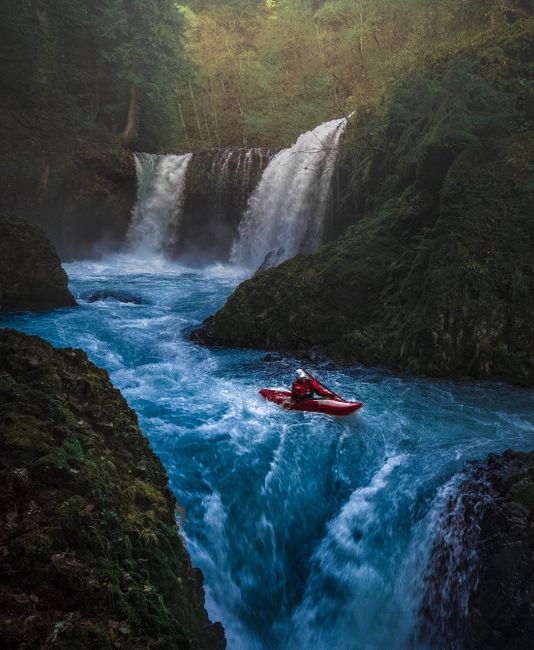
Whitewater Kayaking New Zealand: Conquering Rapids & Embracing Epic Scenery
Hey there, fellow adventure seeker! Ever felt that pull, that undeniable urge to push your limits, to connect with nature in the most visceral way possible? For me, that pull led me straight to New Zealand, a land sculpted by glaciers and blessed with some of the most incredible whitewater kayaking experiences imaginable. I'm talking heart-pounding rapids, crystal-clear rivers, and landscapes so breathtaking they'll leave you speechless. I'm going to share with you my personal experiences and insights into whitewater kayaking in New Zealand. Let's dive in!
The Allure of New Zealand for Whitewater Kayaking
What makes New Zealand such a whitewater kayaking paradise? Well, it's a confluence of factors, really. Think about it: towering mountains feeding glacial rivers, varying degrees of rapid difficulty catering to all skill levels, and an overall culture that embraces adventure and the outdoors. It's a pretty potent mix!
For starters, the sheer variety of rivers is astounding. You can find everything from gentle Class II runs perfect for beginners to adrenaline-pumping Class V sections that will test even the most seasoned kayakers. This means you can progress your skills at your own pace, gradually building your confidence and tackling increasingly challenging rapids. I remember starting on a relatively calm stretch of the Mohaka River, feeling the adrenaline buzzing even on the smaller rapids. It was the perfect introduction to the magic of whitewater.
Then there's the scenery. Forget paddling through murky, industrial-looking waters. In New Zealand, you're often surrounded by pristine rainforests, soaring cliffs, and landscapes that look like they've been plucked straight from a fantasy novel. Picture yourself navigating a rapid, the spray of the water on your face, and then lifting your head to see snow-capped mountains in the distance. It's a surreal, almost spiritual experience.
Finally, the Kiwi culture is incredibly welcoming to adventure enthusiasts. You'll find experienced guides, top-notch equipment rentals, and a supportive community of kayakers who are always happy to share their knowledge and experiences. It's a place where you can truly feel at home, even if you're thousands of miles away from your own.
Choosing Your Whitewater Kayaking Adventure: North vs. South Island
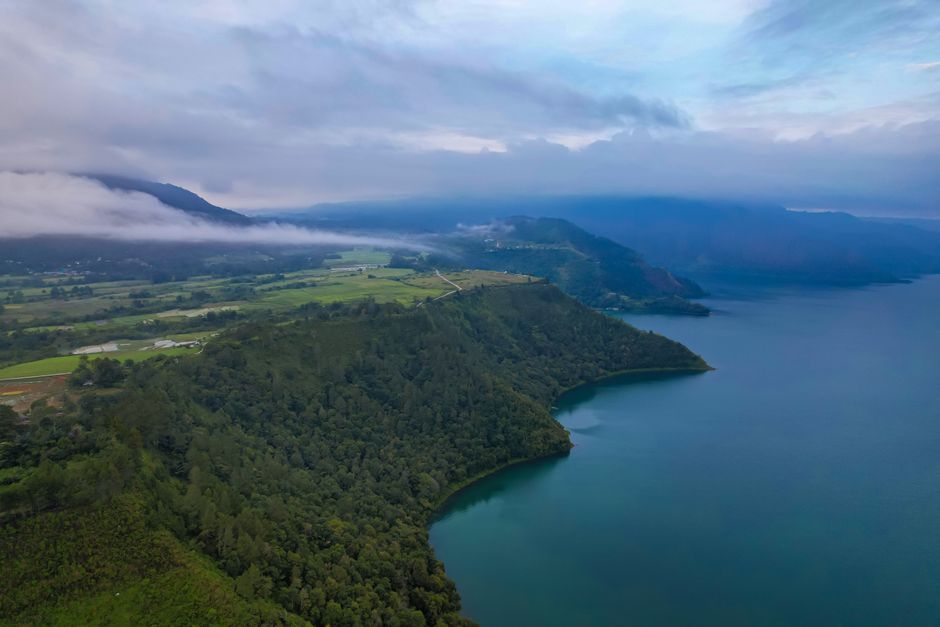
New Zealand's two main islands offer distinctly different whitewater kayaking experiences. Deciding which one (or both!) is right for you depends on your skill level, the type of scenery you prefer, and the time of year you're planning to visit.
The North Island is generally known for its warmer climate and more accessible rivers. It's a great place for beginners and intermediate kayakers, with plenty of options for shorter trips and guided tours. The rivers tend to be more forgiving, with fewer extreme drops and a more consistent flow. Some popular North Island rivers include:
- Mohaka River: A fantastic all-rounder, offering sections suitable for all skill levels. It's particularly well-known for its multi-day trips. This was the river that really sparked my passion.
- Rangitikei River: Famous for its scenic gorges and challenging rapids. A must-do for intermediate to advanced kayakers.
- Tongariro River: A beautiful river flowing through Tongariro National Park, offering a mix of gentle floats and exciting rapids.
The South Island, on the other hand, is a true whitewater mecca. It boasts some of the most challenging and spectacular rivers in the world, attracting experienced kayakers from all corners of the globe. The scenery is more dramatic, with towering mountains, glaciers, and rugged coastlines. South Island rivers often involve more commitment and require a higher level of skill and experience. Some South Island hotspots include:
- Hokitika River: A classic South Island river, known for its crystal-clear water and challenging rapids. Requires a high level of skill and experience.
- Landsborough River: A remote and wild river, offering a truly unforgettable kayaking experience. Only recommended for experienced kayakers with excellent wilderness skills.
- Karamea River: Offers a mix of challenging rapids and stunning scenery, with options for multi-day trips.
Personally, I split my time between both islands. I loved the North Island for its more relaxed vibe and accessibility, while the South Island pushed me to my limits and rewarded me with some of the most incredible scenery I've ever seen.
Preparing for Your Whitewater Kayaking Trip: Gear, Skills, and Safety

Whitewater kayaking isn't something you can just jump into without preparation. Safety is paramount, and having the right gear and skills is essential for a fun and successful trip. Here's what I've learned:
Gear:
- Kayak: Choose a kayak that is appropriate for your skill level and the type of water you'll be paddling. A stable and forgiving kayak is ideal for beginners.
- Paddle: A good paddle is essential for efficient paddling and control. Choose a paddle that is the right length for your height and paddling style.
- Personal Flotation Device (PFD): A properly fitted PFD is a must-have safety item. It should be comfortable and allow for freedom of movement.
- Helmet: Protect your head from rocks and other hazards with a properly fitted whitewater helmet.
- Wetsuit or Drysuit: Depending on the water temperature, you'll need a wetsuit or drysuit to stay warm and comfortable.
- Spray Skirt: A spray skirt seals the cockpit of your kayak, preventing water from entering.
- Throw Rope: A throw rope is an essential rescue tool. Learn how to use it properly.
- First-Aid Kit: Carry a comprehensive first-aid kit and know how to use it.
Skills:
Before hitting the whitewater, make sure you have the necessary skills:
- Basic Paddling Techniques: Learn how to paddle efficiently, steer, and control your kayak in moving water.
- Self-Rescue Techniques: Know how to self-rescue if you capsize. This includes wet exiting your kayak and swimming to shore.
- Rolling: Learning to roll your kayak is a valuable skill that can help you avoid swimming in challenging rapids. It takes practice but is well worth the effort.
- River Reading: Learn to read the river, identify hazards, and plan your route.
- Communication: Develop clear communication signals with your paddling partners.
Safety:
Safety should always be your top priority when whitewater kayaking:
- Never paddle alone. Always paddle with a group or with a guide.
- Scout rapids before running them. This will help you identify hazards and plan your route.
- Be aware of weather conditions. Weather can change quickly in the mountains, so be prepared for all conditions.
- Know your limits. Don't attempt rapids that are beyond your skill level.
- Inform someone of your plans. Let someone know where you're going and when you expect to be back.
- Take a whitewater safety course. A safety course will teach you essential rescue skills and help you make informed decisions on the river.
I remember one time on the Rangitikei River when a sudden storm rolled in. The river level rose rapidly, and the rapids became much more challenging. Fortunately, we had scouted the rapids beforehand and were able to adjust our plan accordingly. It was a good reminder that even with careful planning, things can change quickly on the river, and it's important to be prepared for anything.
Choosing a Guided Trip vs. Independent Kayaking

Deciding whether to go on a guided trip or kayak independently depends on your experience level, comfort level, and the type of adventure you're seeking.
Guided Trips:
Guided trips are a great option for beginners or those who are unfamiliar with the rivers. A qualified guide will provide you with all the necessary equipment, instruction, and safety support. They'll also be able to share their local knowledge of the river and the surrounding area. Guided trips can range from half-day excursions to multi-day expeditions.
The advantages of a guided trip include:
- Safety: Experienced guides are trained to handle emergencies and ensure your safety on the river.
- Instruction: Guides provide expert instruction on paddling techniques and river reading.
- Equipment: All necessary equipment is provided, so you don't have to worry about bringing your own.
- Local Knowledge: Guides can share their knowledge of the river, the local flora and fauna, and the history of the area.
- Convenience: Guided trips take care of all the logistics, so you can relax and enjoy the experience.
Independent Kayaking:
Independent kayaking is a good option for experienced kayakers who are comfortable navigating challenging rivers and handling emergencies. It allows you to explore the rivers at your own pace and on your own terms. However, it also requires a higher level of responsibility and self-reliance.
The advantages of independent kayaking include:
- Freedom: You can choose your own route, set your own pace, and explore the rivers on your own terms.
- Challenge: Independent kayaking offers a greater challenge and a sense of accomplishment.
- Flexibility: You can adjust your plans based on weather conditions and your own preferences.
- Cost Savings: Independent kayaking can be more cost-effective than guided trips.
I've done both guided and independent trips in New Zealand, and each has its own unique appeal. My first few trips were guided, which gave me the confidence and skills I needed to eventually explore the rivers on my own. Now, I mostly prefer independent trips, but I still occasionally join a guided trip to explore new rivers or to learn from experienced guides.
Responsible Kayaking: Protecting New Zealand's Natural Beauty

New Zealand's rivers are a precious resource, and it's important to paddle responsibly to protect their natural beauty for future generations. Here are some tips for responsible kayaking:
- Leave No Trace: Pack out everything you pack in, and dispose of waste properly.
- Respect Wildlife: Observe wildlife from a distance and avoid disturbing their habitat.
- Stay on Designated Trails: Avoid trampling vegetation and disturbing the riverbanks.
- Be Aware of Fire Restrictions: Follow all fire restrictions and avoid building fires near the river.
- Support Local Businesses: Choose tour operators and accommodations that are committed to sustainable practices.
- Educate Yourself: Learn about the local environment and the challenges it faces.
During one of my trips, I saw a group of kayakers leaving trash behind on a riverbank. It was disheartening to see such disregard for the environment. I politely asked them to pick up their trash, and they were apologetic and immediately complied. It's important to remember that we all have a role to play in protecting these incredible places.
Beyond the Rapids: Exploring New Zealand's Cultural and Natural Wonders
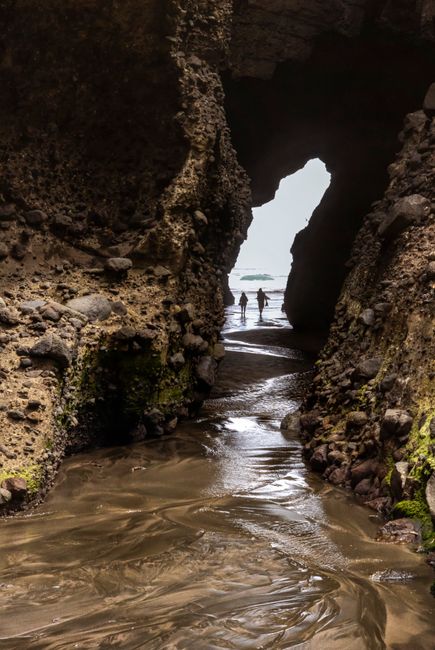
Whitewater kayaking is just one small part of what New Zealand has to offer. While you're there, be sure to take some time to explore the country's other cultural and natural wonders:
- Maori Culture: Learn about the rich history and traditions of the Maori people, the indigenous inhabitants of New Zealand. Visit a Maori cultural center, attend a traditional performance, or try a Maori Hangi (earth oven cooking).
- National Parks: Explore New Zealand's stunning national parks, which offer a wide range of hiking, camping, and sightseeing opportunities. Some popular national parks include Tongariro, Abel Tasman, and Fiordland.
- Glaciers: Visit one of New Zealand's many glaciers, such as Franz Josef or Fox Glacier. Take a guided glacier walk or a scenic helicopter flight.
- Beaches: Relax on New Zealand's beautiful beaches, which offer a variety of activities such as swimming, surfing, and sunbathing.
- Wine Regions: Sample some of New Zealand's world-renowned wines in regions such as Marlborough and Central Otago.
My kayaking trips have always been intertwined with exploring the rest of New Zealand. One year, I spent several weeks kayaking the South Island and then rented a campervan to explore the national parks. It was an incredible experience that allowed me to see the country from a completely different perspective.
My Top 3 Whitewater Kayaking Rivers in New Zealand (So Far!)

Narrowing it down is tough, but here are three rivers that have a special place in my heart:
- Mohaka River (North Island): Perfect for all skill levels and stunning scenery. The multi-day trips are unforgettable.
- Rangitikei River (North Island): Challenging rapids and beautiful gorges make this a must-do for intermediate to advanced kayakers.
- Hokitika River (South Island): A true whitewater classic with crystal-clear water and thrilling rapids. Only for experienced kayakers!
Final Thoughts: Embrace the Adventure!

Whitewater kayaking in New Zealand is an adventure that will stay with you long after you've left its shores. It's a chance to push your limits, connect with nature, and experience the thrill of a lifetime. So, if you're looking for an unforgettable adventure, I highly recommend adding New Zealand to your whitewater kayaking bucket list. Just remember to be prepared, be safe, and respect the environment. Happy paddling!
Post a Comment