Tracking New Zealand's Iconic Birds: Kiwi, Kea, and Beyond - A Personal Journey

Tracking New Zealand's Iconic Birds: Kiwi, Kea, and Beyond - A Personal Journey
Kia ora, friend! Have you ever been utterly captivated by the wild beauty of a place? For me, that place is Aotearoa, New Zealand, and a huge part of its magic lies in its incredible birdlife. From the elusive kiwi to the cheeky kea, these feathered friends are more than just birds; they're living symbols of a unique and fragile ecosystem. I've spent years exploring this country, and I want to share some of my experiences, insights, and a whole lot of love for tracking and learning about these iconic New Zealand birds.
The Allure of New Zealand's Avian Wonders
What makes New Zealand's birds so special? Well, imagine an island nation, isolated for millions of years. This isolation created a haven for birds to evolve in unique and often flightless ways. The absence of many mammalian predators meant birds filled niches usually occupied by mammals elsewhere. The result is a collection of species found nowhere else on Earth, each with its own remarkable story to tell.
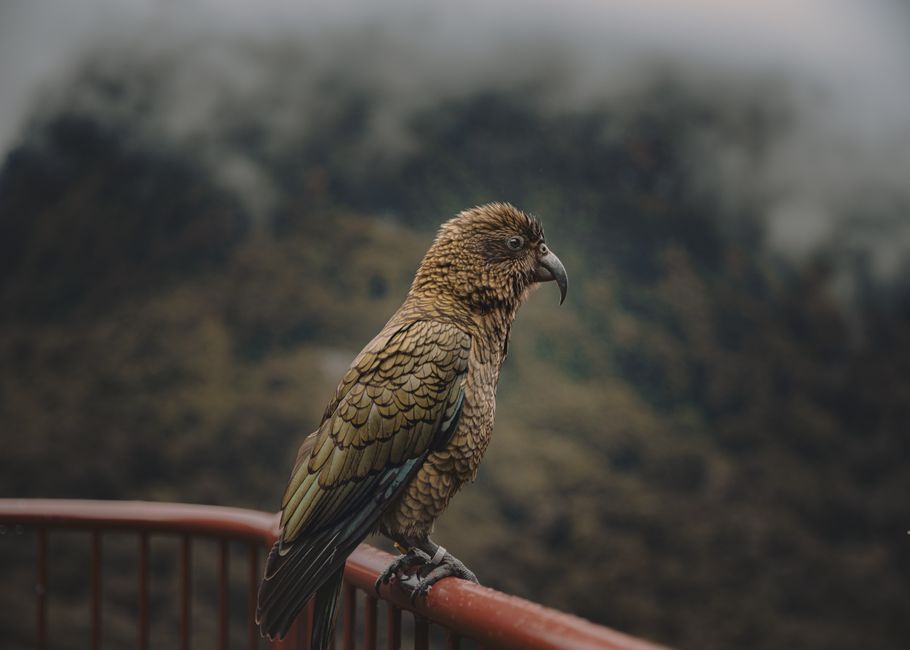
The kiwi, of course, is the poster child. A nocturnal, flightless bird with nostrils at the end of its long beak? It's like something out of a fairy tale! Then there's the kea, the world's only alpine parrot, known for its intelligence and, shall we say, enthusiastic interaction with human belongings. But the wonders don't stop there. We have the tūī with its iridescent feathers and complex song, the kererū (wood pigeon) with its clumsy grace, and the morepork (ruru) with its haunting call. The list goes on and on.
But these incredible birds face immense challenges. Habitat loss, introduced predators, and climate change are all taking a toll. That's why tracking and conservation efforts are so crucial. By understanding their movements, populations, and behaviors, we can better protect them for future generations.
Kiwi: The Elusive National Icon

Let's start with the superstar: the kiwi. Spotting a kiwi in the wild is a real badge of honor for any nature enthusiast. They're notoriously shy and prefer the cover of darkness. I've only seen them a handful of times, and each encounter felt like a truly special moment.
Tracking kiwi involves a variety of methods, depending on the species and the research goals:
- Radio Tracking: This involves attaching a small radio transmitter to a kiwi's leg. Researchers can then use a receiver to locate the bird and track its movements over time. This is a common method for studying kiwi home ranges and habitat use.
- GPS Tracking: Similar to radio tracking, but using GPS technology to record the bird's location much more accurately. This provides incredibly detailed data on kiwi movements and can reveal patterns in their behavior that would be impossible to detect with radio tracking alone.
- Footprint Identification: Trained trackers can identify kiwi footprints in the soft earth, providing information about their presence and distribution in an area.
- Listening for Calls: Kiwi are vocal birds, and their calls can be used to estimate their population size and distribution. Night-time listening surveys are a common way to monitor kiwi populations.
- DNA Analysis: Collecting DNA samples from feathers or droppings can help researchers determine the genetic diversity of kiwi populations and identify different species.
I remember once volunteering with a conservation group that was tracking kiwi using radio transmitters. We spent hours in the bush, battling mosquitoes and dense vegetation, trying to pinpoint the location of a particular kiwi. When we finally got a strong signal, it was exhilarating! We were able to observe the bird foraging for worms and grubs, completely unaware of our presence. It was a reminder of the dedication and hard work that goes into protecting these amazing creatures.
Kea: The Alpine Tricksters
Ah, the kea. The "clown of the mountains," as they're often called. These intelligent and mischievous parrots are a constant source of amusement (and sometimes frustration!) for anyone who spends time in the South Island's alpine regions.
Tracking kea is a different ball game than tracking kiwi. Because they are diurnal (active during the day) and highly mobile, researchers use different techniques:
- Banding: One of the most common methods is banding. Each kea is fitted with a unique combination of colored bands, allowing researchers to identify individual birds and track their movements over time. This provides valuable data on their lifespan, breeding success, and dispersal patterns.
- GPS Tracking: GPS loggers are also used to track kea movements, particularly to understand their foraging behavior and how they interact with human infrastructure (like ski fields and roads).
- Camera Traps: Placing camera traps in areas where kea are known to frequent can provide valuable information about their behavior and population size.
- Citizen Science: Because kea are relatively easy to spot, citizen science programs play a vital role in monitoring their populations. People can report sightings of banded kea, providing valuable data to researchers.
I've had countless encounters with kea, from watching them dismantle picnic tables to witnessing them try to steal windshield wipers off cars. They're incredibly curious and opportunistic, which is part of what makes them so fascinating. However, their interactions with humans can also be problematic. They're attracted to human food and can cause damage to property, leading to conflicts with landowners. Understanding their behavior and movements is essential for managing these conflicts and ensuring their long-term survival.
Beyond Kiwi and Kea: Other Birds of Interest

While the kiwi and kea are undoubtedly iconic, New Zealand boasts a plethora of other fascinating bird species worth tracking and learning about. Here are just a few examples:
Tūī
The tūī is a honeyeater known for its iridescent feathers and complex song. They are relatively common in gardens and forests throughout New Zealand. Tracking tūī often involves banding and observing their foraging behavior to understand their role in pollination.
Kererū (Wood Pigeon)
The kererū is a large, native pigeon with a distinctive white breast. They are important seed dispersers and play a vital role in forest regeneration. Tracking kererū can involve monitoring their populations and studying their movements to understand how they contribute to forest health.
Morepork (Ruru)
The morepork is a native owl known for its haunting call. They are nocturnal predators and play an important role in controlling rodent populations. Tracking morepork can involve listening surveys and radio tracking to understand their habitat use and population size.
Weka
The weka is a flightless bird, about the size of a chicken, known for its curious and often bold behaviour. They are often found near human settlements and are quite opportunistic eaters. Unfortunately, they're also vulnerable to introduced predators.
There are a variety of general methods used to track these and other species:
- Nest Monitoring: Regularly checking nests to determine breeding success (number of eggs laid, chicks hatched, and fledged).
- Distance Sampling: Estimating population density by recording the distance to detected birds from a transect line.
- Acoustic Monitoring: Using automated recording devices to capture bird songs and calls, allowing for long-term monitoring of bird populations.
- Mark-Recapture: Capturing, marking, and releasing birds, then recapturing them later to estimate population size.
The Importance of Conservation and Your Role
The future of New Zealand's iconic birds depends on our collective efforts. Conservation initiatives play a vital role in protecting these species from threats like habitat loss and introduced predators. Many organizations and individuals are working tirelessly to ensure their survival. But what can you do?
Here are a few ideas:
- Support Conservation Organizations: Donate to or volunteer with organizations that are working to protect New Zealand's birds. Even a small contribution can make a big difference.
- Control Pets: Keep cats indoors and ensure dogs are properly controlled, especially in areas where native birds are present.
- Plant Native Trees: Planting native trees and shrubs provides habitat and food for native birds.
- Reduce Your Carbon Footprint: Climate change poses a significant threat to New Zealand's birdlife. Taking steps to reduce your carbon footprint can help mitigate this threat.
- Educate Others: Share your knowledge and passion for New Zealand's birds with others. The more people who care about these creatures, the better their chances of survival.
- Practice Responsible Tourism: When visiting New Zealand, choose eco-friendly tours and activities that support conservation efforts.
My Personal Reflections and Continued Learning

My journey of tracking and learning about New Zealand's iconic birds has been incredibly rewarding. It's deepened my appreciation for the natural world and inspired me to become a better steward of the environment. There's something truly special about spending time in the bush, listening to the calls of native birds, and knowing that you're contributing to their conservation.
I'm still learning, of course. There's always more to discover about these fascinating creatures. I'm eager to continue exploring New Zealand's wild places, contributing to conservation efforts, and sharing my experiences with others. I hope that by reading this, you've been inspired to learn more about New Zealand's birds and to consider how you can help protect them.
So, go forth and explore! Listen to the birdsong, observe their behavior, and appreciate the incredible biodiversity of Aotearoa. Together, we can ensure that these iconic birds continue to thrive for generations to come. Haere rā (goodbye) for now, and happy birding!
Post a Comment