The Rugby Culture of New Zealand: More Than Just a Game
The Rugby Culture of New Zealand: More Than Just a Game
Kia ora, friend! Let's talk rugby. But not just about tries and scrums, let's delve into something much deeper: the heart and soul of New Zealand, woven into the very fabric of the nation through its rugby culture. It's more than a sport; it's a way of life, a source of national pride, a shared identity, and a powerful force that unites a relatively small country on the world stage. I've witnessed it firsthand, lived and breathed it, and I'm eager to share my experiences with you.
The All Blacks: National Icons and Beyond

The All Blacks. Just the name conjures images of black jerseys, fierce haka rituals, and unparalleled skill. They're not just a team; they're national icons. Growing up in New Zealand, the All Blacks were practically mythical figures. We'd watch their games, not just hoping they'd win (although winning was always the priority!), but absorbing the values they embodied: teamwork, discipline, respect, and unwavering determination. These weren't just players; they were role models.
Think about it: imagine your country's national sports team achieving consistent success at the highest level, for decades. That's the level of expectation and adoration surrounding the All Blacks. And with that comes a profound sense of responsibility. Players aren't just representing themselves; they're carrying the hopes and dreams of an entire nation on their shoulders.
But what makes them so special? It's not just about physical prowess. It's about the 'mana', a spiritual power and prestige that's deeply rooted in Māori culture. It's about respecting the history, the tradition, and the jersey. Every player understands that they're custodians of something far greater than themselves.
The Haka: More Than Just a War Dance

The haka. It's probably the first thing that comes to mind when you think of the All Blacks, right? It's so much more than just a pre-game ritual or a "war dance," as some might mistakenly believe. It's a powerful expression of Māori culture, a challenge to the opposition, a declaration of intent, and a demonstration of unity.
The haka is a performance steeped in history and tradition. Each movement, each word, has a specific meaning. It's a way to connect with ancestors, to draw strength from the past, and to channel that energy into the present. The specific haka the All Blacks perform most often is "Ka Mate," a powerful expression of life overcoming adversity. It tells the story of a Māori chief who escaped his enemies by hiding in a kumara (sweet potato) pit. It's a story of resilience, ingenuity, and ultimately, triumph.
Watching the haka live is an experience I'll never forget. The energy is palpable. The intensity is captivating. It's a spine-tingling display of passion and pride. It's also a symbol of New Zealand's unique cultural identity, something that sets us apart on the world stage.
Rugby at the Grassroots: From Schoolyards to Clubhouses
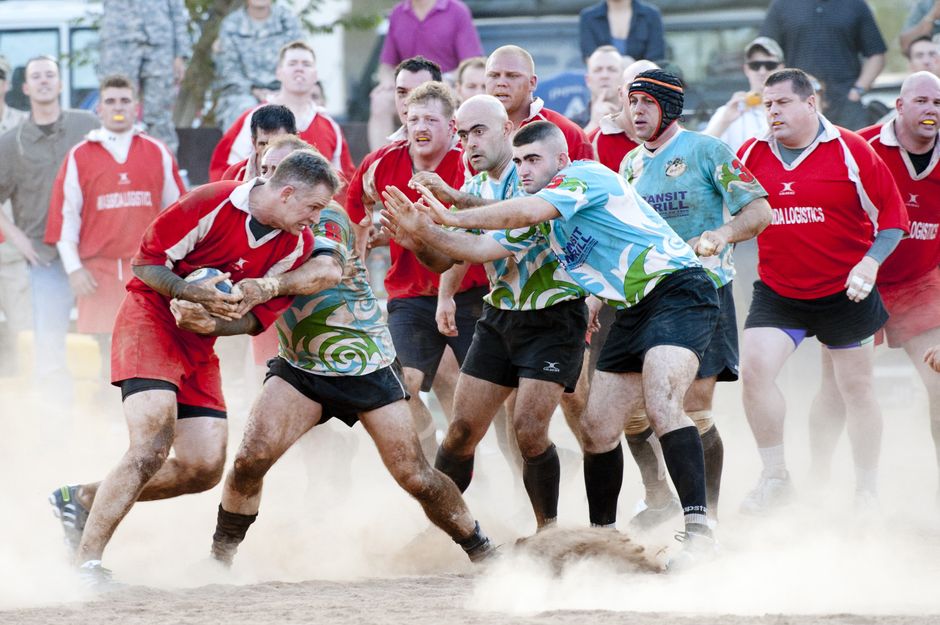
The passion for rugby starts young in New Zealand. I remember playing "touch rugby" (a non-contact version) in primary school. It wasn't just a game; it was a rite of passage. From schoolyards to local parks, kids are constantly running around with a rugby ball, dreaming of one day wearing the black jersey.
The club system is the backbone of New Zealand rugby. Local clubs are more than just sports organizations; they're community hubs. They're places where people of all ages and backgrounds come together to share a love of the game, to socialize, and to support each other. I remember spending countless weekends at my local rugby club, watching games, cheering on friends and family, and soaking up the atmosphere. The club was like a second home.
The coaching philosophy at the grassroots level is also crucial. It's not just about winning; it's about developing skills, fostering teamwork, and instilling values. Coaches are often volunteers, passionate individuals who dedicate their time and energy to nurturing the next generation of rugby players.
Think about it this way:
- School Level: Introduction to the sport, focusing on fundamental skills and teamwork.
- Club Level: Development of skills, competitive play, and community involvement.
- Provincial Level: Elite development, pathway to professional rugby.
- National Level: The pinnacle of the sport, representing New Zealand on the world stage.
Rugby and National Identity: A Unifying Force

In a relatively small and geographically isolated country like New Zealand, rugby plays a crucial role in shaping national identity. It's a shared passion that transcends social and economic barriers. Whether you're a farmer in rural Canterbury or a business executive in Auckland, you can find common ground in your love of the game.
I remember the 2011 Rugby World Cup, which was hosted in New Zealand. The atmosphere was electric. The entire country was united in support of the All Blacks. People from all walks of life came together to celebrate the game and to cheer on their team. When the All Blacks finally won the tournament, the celebrations were epic. It was more than just a sporting victory; it was a moment of national unity and pride.
Rugby also helps to promote New Zealand on the world stage. The All Blacks are global ambassadors for the country, showcasing its values of hard work, determination, and sportsmanship. Their success helps to raise New Zealand's profile and to attract tourists and investment.
The power of rugby in forging national identity is multifaceted:
- Shared Passion: Creates a common bond among New Zealanders from all backgrounds.
- National Pride: Fosters a sense of belonging and collective identity.
- Global Representation: Showcases New Zealand's values and culture to the world.
The Challenges Facing New Zealand Rugby

While rugby holds a special place in New Zealand's heart, it faces several challenges in the modern era. The increasing professionalization of the game has led to a talent drain, with many top players being lured overseas by lucrative contracts. This puts a strain on the domestic game and makes it harder to retain young talent.
The increasing demands of professional rugby also take a toll on players' physical and mental health. The constant pressure to perform at the highest level can lead to burnout and injuries. There's a growing awareness of the need to prioritize player welfare and to ensure that they have access to the support they need.
Another challenge is maintaining the grassroots game in the face of competing interests and declining participation rates. Young people have more options for leisure activities than ever before, and rugby needs to adapt to remain relevant and appealing.
To address these challenges, New Zealand Rugby needs to:
- Retain Talent: Create a more attractive domestic environment for players.
- Prioritize Player Welfare: Provide adequate support for physical and mental health.
- Grow the Grassroots Game: Make rugby accessible and appealing to young people.
The Future of Rugby in New Zealand

Despite these challenges, I'm optimistic about the future of rugby in New Zealand. The passion for the game remains strong, and there's a deep commitment to preserving its unique culture and values. New Zealand Rugby is actively working to address the challenges and to ensure that the game continues to thrive for generations to come.
One of the key priorities is to strengthen the domestic game. This involves investing in grassroots rugby, developing young talent, and creating a more sustainable professional environment. There's also a focus on promoting diversity and inclusion in the game, ensuring that everyone has the opportunity to participate and to feel valued.
The All Blacks will continue to be a source of national pride and inspiration. Their success on the world stage will help to promote New Zealand and to attract new fans to the game. But it's important to remember that rugby is more than just about winning. It's about the values it embodies: teamwork, discipline, respect, and a deep sense of community. These are the values that will ensure that rugby continues to play a vital role in New Zealand's national identity.
My Personal Connection to the Game

For me, rugby is more than just a sport I watch; it's intertwined with my memories of growing up in New Zealand. It's the smell of freshly cut grass on a Saturday morning, the roar of the crowd at Eden Park, the shared excitement of watching the All Blacks play a crucial match. It's the feeling of belonging, of being part of something bigger than myself.
I remember playing in the backyard with my brothers, pretending to be Jonah Lomu, running over imaginary defenders. I remember going to my first All Blacks game and being completely overwhelmed by the atmosphere. I remember the disappointment of losing, but also the joy of celebrating victories with friends and family.
These experiences have shaped who I am today. They've taught me the importance of teamwork, the value of hard work, and the power of perseverance. They've also instilled in me a deep sense of pride in my country and its unique culture.
Even though I no longer live in New Zealand, I still follow the All Blacks closely. Their games are a reminder of home, a connection to my roots. And I know that wherever I am in the world, I'll always be a passionate supporter of New Zealand rugby.
In Conclusion: More Than Just 15 Men on a Field

So, you see, the rugby culture of New Zealand is about so much more than just fifteen men on a field. It's a complex and multifaceted phenomenon that's deeply ingrained in the nation's history, identity, and values. It's a source of national pride, a unifying force, and a powerful symbol of New Zealand's unique place in the world.
It's a game that continues to evolve and adapt to the challenges of the modern era, but its core values remain unchanged. It's a game that will continue to inspire and unite New Zealanders for generations to come. And that, my friend, is why rugby is so much more than just a game in New Zealand. It's a way of life.
Post a Comment