The Dynamic Landscapes of New Zealand's Geothermal Parks: A Steamy Adventure
The Dynamic Landscapes of New Zealand's Geothermal Parks: A Steamy Adventure
Hey there, fellow adventurers! Have you ever felt the raw, untamed energy of the earth pulsing beneath your feet? If not, let me tell you about my experiences exploring the geothermal parks of New Zealand. It's not just sightseeing; it's a sensory explosion! Imagine yourself surrounded by bubbling mud pools, hissing steam vents, and vibrant, almost alien landscapes. It's a truly unforgettable experience, and I'm so excited to share my journey with you.
A Land Forged by Fire: Understanding New Zealand's Geothermal Activity

New Zealand sits right on the Pacific Ring of Fire, a hotbed of volcanic and geothermal activity. This means that beneath the seemingly peaceful surface lies a powerful force, constantly shaping the land. It's like the Earth is breathing, exhaling steam and heat from its very core. This geological reality is what makes these geothermal parks so incredibly special and unique. Imagine molten rock (magma) heating underground water. This superheated water then rises to the surface through cracks and fissures, creating all the amazing geothermal features we see.
Think of it like this:
- Magma heats underground water.
- Heated water rises.
- Geothermal features (geysers, mud pools, etc.) are formed.
Geothermal energy is also a sustainable power source in New Zealand. We were able to take a fascinating tour of a geothermal power plant, and it was incredibly interesting to see how this natural heat is harnessed to generate electricity. It's an environmentally friendly way to power homes and businesses, which is something New Zealand is very proud of.
Rotorua: The Geothermal Heart of New Zealand

If you're planning a trip to explore these geothermal wonders, Rotorua should be at the top of your list. It's often called the "Sulphur City" due to the distinct (and sometimes slightly overwhelming!) smell of sulphur in the air. But trust me, the aroma is a small price to pay for the incredible sights you'll encounter.
Here are a few of my favorite spots in and around Rotorua:
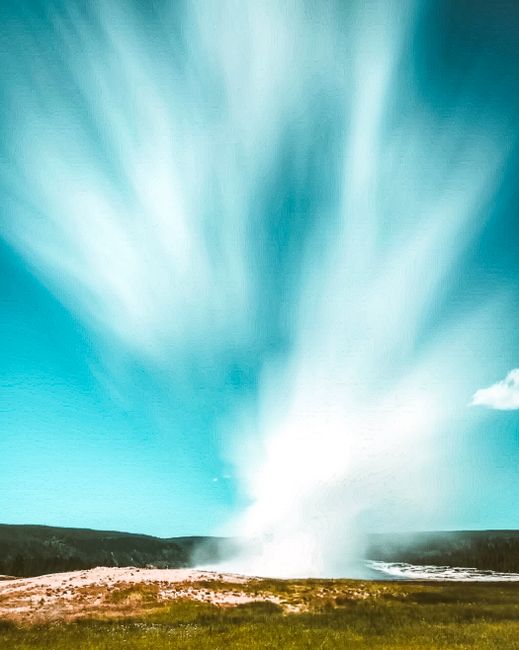
- Te Puia: This is a fantastic place to start your geothermal journey. Not only does it showcase the iconic Pohutu Geyser (which erupts multiple times a day and is truly awe-inspiring), but it also provides a deep dive into Māori culture. You can witness traditional Māori arts and crafts, learn about their history and connection to the land, and even enjoy a captivating cultural performance. The kiwi bird sanctuary is also a must-see!
- Wai-O-Tapu Thermal Wonderland: This is probably the most visually stunning geothermal area I visited. The colors are absolutely incredible, ranging from vibrant yellows and oranges to deep greens and blues. The Lady Knox Geyser is a highlight (although it's artificially induced to erupt at a specific time each day), but the real magic lies in exploring the various thermal features like the Champagne Pool, the Devil's Bath, and the Artist's Palette. Each has its own unique characteristics and story to tell.
- Hell's Gate: Don't let the name scare you! Hell's Gate is a unique combination of geothermal park and Māori spa. You can walk amongst bubbling mud pools, steaming cliffs, and even try your hand at Māori carving. But the real treat is the mud bath. Covering yourself in the mineral-rich mud is said to have therapeutic benefits, and it's definitely a fun and memorable experience (just be prepared to smell like sulphur for a while afterward!).
Beyond Rotorua: Exploring Other Geothermal Gems
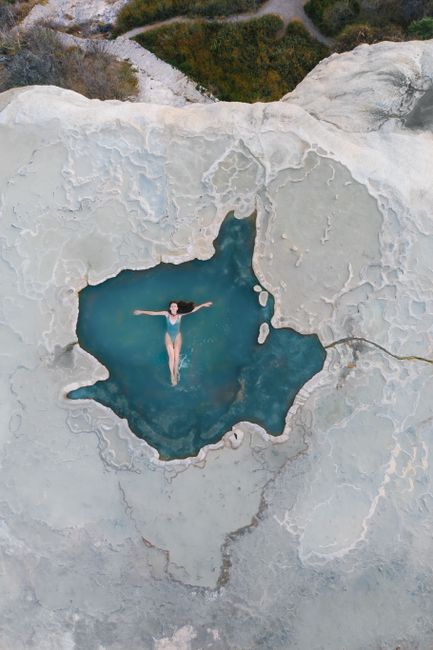
While Rotorua is the geothermal hub, there are other fascinating locations scattered throughout New Zealand that are worth exploring. I found each park had its own distinct character and charm.
- Orakei Korako: Known as "The Hidden Valley," Orakei Korako is a truly magical place. You reach it by a short ferry ride across Lake Ohakuri, which adds to the sense of adventure. The park boasts some of the largest and most active geysers in New Zealand, as well as stunning silica terraces and bubbling mud pools. The Emerald Terrace is particularly beautiful, with its vivid green hue created by the unique mineral composition of the water.
- Craters of the Moon: Located near Taupo, Craters of the Moon offers a different perspective on geothermal activity. Instead of colorful pools and geysers, you'll find a landscape dominated by steaming vents and craters, giving the impression of walking on the moon (hence the name!). The boardwalks take you through this otherworldly terrain, allowing you to get up close and personal with the powerful forces at work beneath the surface.
- DeBretts Hot Springs: This is located in Taupo as well, and is a great place to relax after a long day of exploring. DeBretts offers a fantastic blend of natural hot springs and modern spa facilities. You can soak in the mineral-rich waters, enjoy a massage, or simply relax by the pool. It's a perfect way to unwind and rejuvenate after immersing yourself in the geothermal wonders of the region.
Safety First: Respecting the Power of Nature

It's crucial to remember that these geothermal areas are powerful and potentially dangerous. Always stick to designated pathways and boardwalks, and heed any warning signs. The ground can be unstable, and the water in the pools and geysers is extremely hot. I always wore sturdy shoes and was careful to keep a safe distance from the thermal features. It's tempting to get close for a better photo, but your safety should always be your top priority.
Here are some safety tips to keep in mind:
- Stay on designated paths: This is the most important rule. The ground can be unstable and the water is extremely hot.
- Supervise children closely: Kids are curious, but they need to be kept under constant supervision.
- Read and obey warning signs: They are there for a reason!
- Wear appropriate clothing and footwear: Sturdy shoes are essential. Avoid wearing loose clothing that could accidentally fall into the hot pools.
- Be aware of the weather: Conditions can change quickly, so be prepared for rain, wind, or sun.
Capturing the Moment: Photography Tips for Geothermal Landscapes
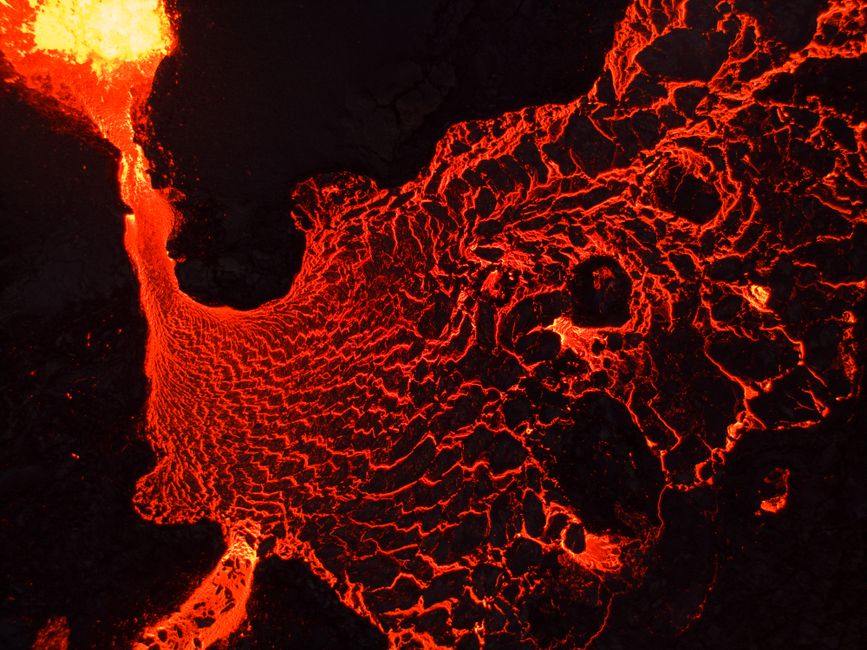
The geothermal parks offer incredible photographic opportunities. The vibrant colors, steaming vents, and unique textures create a visual feast. Here are a few tips I learned along the way to help you capture the perfect shot:
- Shoot in the early morning or late afternoon: The golden light of sunrise and sunset can enhance the colors and textures of the landscape.
- Use a polarizing filter: This can help reduce glare and reflections, especially on the water surfaces.
- Experiment with different perspectives: Try shooting from a low angle to emphasize the scale of the geysers and mud pools, or from a high angle to capture the overall landscape.
- Pay attention to composition: Use leading lines to draw the viewer's eye into the scene, and look for interesting shapes and patterns.
- Don't forget the details: Capture close-up shots of the bubbling mud, the delicate silica formations, and the vibrant colors of the mineral deposits.
And most importantly, remember to put down your camera and simply soak in the beauty of the moment! Sometimes the best memories are the ones you experience with your own eyes, not through a lens.
The Cultural Significance: Māori and the Geothermal Lands
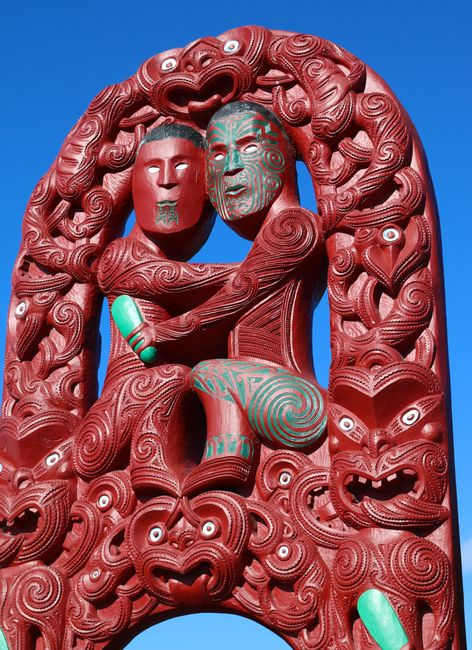
The geothermal areas of New Zealand hold deep cultural significance for the Māori people. For generations, they have utilized the geothermal resources for cooking, heating, bathing, and medicinal purposes. They also believe that these areas are sacred and are closely connected to their ancestral spirits. It's important to be respectful of their traditions and beliefs when visiting these sites.
Many of the geothermal parks offer guided tours led by Māori guides, who can share their knowledge and stories about the land and its cultural significance. These tours provide a unique and enriching experience, allowing you to gain a deeper understanding of the connection between the Māori people and their natural environment. I highly recommend taking one of these tours if you have the opportunity.
The Future of Geothermal Energy and Tourism

Geothermal energy has a promising future in New Zealand. As a clean and sustainable energy source, it plays a crucial role in reducing the country's reliance on fossil fuels. The government is committed to further developing geothermal resources while ensuring the protection of the environment and the cultural values of the Māori people.
Tourism also plays a vital role in the sustainable management of the geothermal areas. By attracting visitors from around the world, these parks generate revenue that can be used for conservation efforts, research, and community development. However, it's important to manage tourism in a responsible way to minimize its impact on the environment and the cultural heritage of the region.
Planning Your Geothermal Adventure: Tips and Recommendations

So, are you ready to embark on your own geothermal adventure in New Zealand? Here are a few final tips and recommendations to help you plan your trip:
- Best time to visit: The shoulder seasons (spring and autumn) offer pleasant weather and fewer crowds.
- Accommodation: Rotorua has a wide range of accommodation options, from budget-friendly hostels to luxurious hotels. Book in advance, especially during peak season.
- Transportation: Renting a car is the best way to explore the geothermal areas at your own pace. Public transport is available, but it can be limited.
- What to pack: Comfortable walking shoes, sunscreen, a hat, sunglasses, a rain jacket, and a camera are essential.
- Budget: New Zealand can be an expensive country, so plan your budget accordingly. Entrance fees to the geothermal parks can range from $30 to $60 NZD.
A. Accommodation Recommendations:
- Budget: Backpackers Central Rotorua
- Mid-Range: Sudima Hotel Lake Rotorua
- Luxury: Peppers on the Point Rotorua
Most importantly, remember to embrace the adventure and be open to the unexpected. The geothermal parks of New Zealand are truly magical places, and I guarantee you'll have an unforgettable experience.
I hope my journey inspires you to explore the dynamic landscapes of New Zealand's geothermal parks. It's an experience that will stay with you long after you leave. Happy travels!
Post a Comment