Surfing New Zealand: My Quest for the Perfect Wave & the Ultimate Kiwi Surf Experience
Surfing New Zealand: My Quest for the Perfect Wave & the Ultimate Kiwi Surf Experience
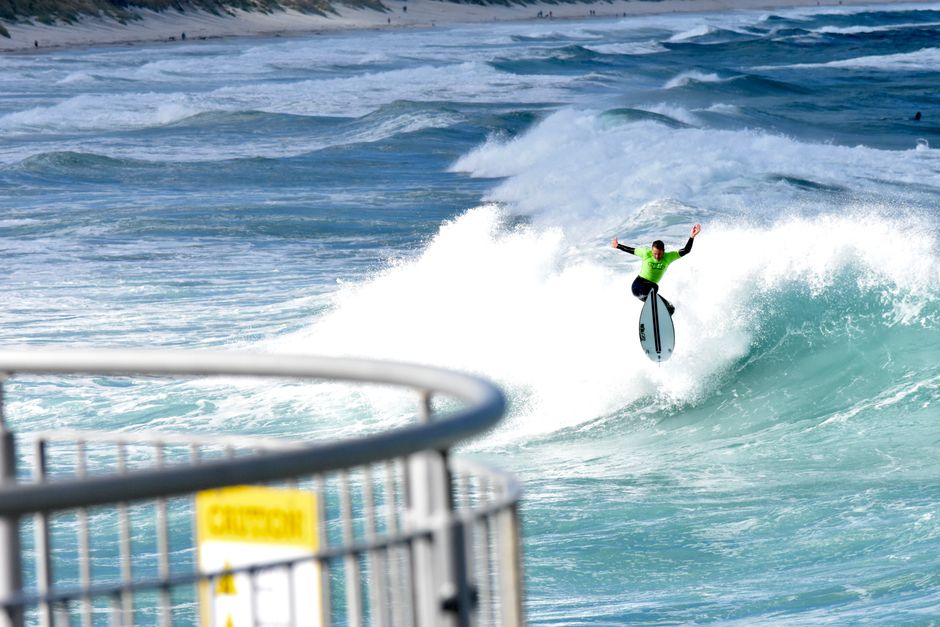
Okay, let's talk surfing in New Zealand! Honestly, before I visited, I pictured sheep, mountains, and maybe a bit of hobbit-related tourism. Surfing? Not really on my radar. But boy, was I wrong. New Zealand, or Aotearoa as the Māori call it, is a surfer's paradise waiting to be discovered. Think breathtaking scenery, uncrowded breaks, and a laid-back vibe that's hard to beat. I'm going to share my own journey and what I've learned about chasing the perfect wave in this incredible country.
Finding My Feet: Learning to Surf in Raglan

My surfing adventure began in Raglan, a small coastal town on the North Island's west coast. It's practically legendary for its left-hand point break, Manu Bay. Imagine a wave that just keeps going... and going... and going. It's no wonder Raglan attracts surfers from around the globe.
Now, I'm not going to lie, my first attempt at surfing in Raglan was…humbling. I'd surfed a few times before, but those were gentle beach breaks. Manu Bay is a different beast. The wave is powerful, the paddle-out can be challenging, and the locals are incredibly talented. Let's just say I spent a lot of time getting pummeled.
But, I persevered! I took a few lessons from a local surf school. The instructors were patient and gave me some great tips on reading the waves and positioning myself. They really emphasized safety and respect for the ocean, which I appreciated. Here are a few things they taught me:
- Read the Wave: Understanding how the wave breaks is crucial. Look for the peak and anticipate where it will break next.
- Paddle with Purpose: Don't just flail! Use long, powerful strokes and keep your head down.
- Pop-Up Quickly: The faster you get to your feet, the more time you have to ride the wave.
- Look Where You Want to Go: Sounds simple, but it's vital. Your body will naturally follow your gaze.
After a few days, I started to get the hang of it. I wasn't carving epic turns or anything, but I was actually riding waves! That feeling of gliding across the water, powered by the ocean's energy, is addictive. I understood why people travel the world in search of that feeling.
Beyond Raglan: Exploring New Zealand's Diverse Surf Scene

Raglan might be the most famous surf spot in New Zealand, but it's just the tip of the iceberg. The country has a coastline that stretches for thousands of kilometers, offering a huge variety of breaks to suit all levels of surfers. From mellow beach breaks to challenging reef breaks, there's something for everyone.
Here are a few of my favorite spots that I've explored:
- Piha Beach (Auckland): A dramatic black-sand beach known for its powerful waves. Great for experienced surfers, but also has some beginner-friendly areas. The scenery is stunning, with the iconic Lion Rock standing guard over the beach.
- Mount Maunganui (Tauranga): A popular holiday destination with a fantastic beach break. The waves are usually consistent and manageable, making it a good spot for learning. Plus, you can climb "The Mount" for incredible views of the coastline.
- Fitzroy Beach (New Plymouth): A consistent beach break that works well in a variety of conditions. It's a great option when other spots are blown out. New Plymouth also has a thriving surf community and some excellent surf shops.
- Aramoana (Dunedin): Located on the South Island, Aramoana is a unique spot with a long, sandy beach and consistent waves. The water can be colder here, so a good wetsuit is essential. You might even spot some wildlife, like seals or penguins!
Each spot has its own unique charm and challenges. Surfing in New Zealand is about more than just catching waves; it's about immersing yourself in the natural beauty of the country and connecting with the local community.
Gear Up: What You Need to Surf in New Zealand

Before you hit the waves in New Zealand, you'll need to make sure you have the right gear. The water temperature can vary depending on the location and time of year, so it's important to be prepared.
Here's a basic checklist:
- Surfboard: Obviously! Choose a board that's appropriate for your skill level. Beginners should start with a longer, wider board for stability.
- Wetsuit: Essential for most of the year. A 3/2mm wetsuit is usually sufficient for the North Island in summer, but you'll need a thicker wetsuit (4/3mm or even a 5/4mm) for the South Island and during the winter months.
- Leash: Don't forget your leash! It connects your board to your ankle and prevents it from drifting away after a wipeout.
- Wax: Apply wax to the deck of your board to provide traction and prevent you from slipping.
- Sunscreen: The New Zealand sun is strong, so protect your skin with a high SPF sunscreen.
- Towel: For drying off after your surf session.
- Rash Vest: Provides extra protection from the sun and helps to prevent chafing from your wetsuit.
You can rent surfboards and wetsuits at most surf shops and surf schools. If you're planning on surfing regularly, it might be worth investing in your own gear.
Respect the Locals: Surf Etiquette in New Zealand

Like any surf spot around the world, New Zealand has its own unwritten rules of surf etiquette. It's important to be aware of these rules and respect them to avoid causing any friction in the lineup. Here are a few key points:
- Right of Way: The surfer closest to the peak has the right of way. Don't drop in on someone who's already riding the wave.
- Don't Snake: "Snaking" is when you paddle around someone to get closer to the peak and steal their wave. It's considered very rude.
- Paddle Wide: When paddling out, try to paddle wide of the breaking waves to avoid getting in the way of surfers riding the wave.
- Don't Hog Waves: Give other surfers a chance to catch waves. Don't take all the waves for yourself.
- Be Friendly: A smile and a friendly greeting can go a long way. Be respectful of the locals and other surfers.
- Leave No Trace: Take your trash with you and leave the beach as you found it.
Remember, surfing is supposed to be fun. By following these simple rules, you can help to create a positive and enjoyable experience for everyone in the water.
The Māori Connection: Understanding the Cultural Significance

As you explore New Zealand's surf scene, it's important to be aware of the cultural significance of the ocean to the Māori people. For Māori, the ocean is not just a place for recreation; it's a vital source of sustenance, a connection to their ancestors, and a taonga (treasure) that must be protected.
Many surf spots in New Zealand have Māori names and are associated with traditional stories and beliefs. By learning about the Māori culture and respecting their connection to the ocean, you can gain a deeper appreciation for the beauty and significance of surfing in New Zealand.
For example, some surf schools offer cultural tours that incorporate Māori perspectives and teachings. This is a great way to learn about the history and traditions of the local area and gain a deeper understanding of the importance of respecting the environment.
My Personal Tips for Surfing New Zealand

After spending a good amount of time surfing in New Zealand, I've picked up a few tips that I think are worth sharing:
- Check the Surf Report: Before you head to the beach, check the surf report to get an idea of the wave conditions. Websites like Surfline and Magicseaweed provide detailed forecasts.
- Talk to the Locals: The locals are the best source of information about the surf conditions and hidden gems. Don't be afraid to ask for advice.
- Be Prepared for Changing Weather: The weather in New Zealand can be unpredictable, so be prepared for all conditions. Pack rain gear, sunscreen, and warm clothes.
- Explore Beyond the Famous Spots: While Raglan and Piha are amazing, don't be afraid to explore some of the lesser-known surf spots. You might just discover your own secret paradise.
- Embrace the Kiwi Vibe: New Zealanders are known for their friendly and laid-back attitude. Embrace the Kiwi vibe and enjoy the experience.
- Try the Local Cuisine: New Zealand has a fantastic food scene. Be sure to try some local specialties, like fish and chips, hangi (traditional Māori cooking), and pavlova.
And perhaps most importantly: don't give up! Surfing can be challenging, especially when you're starting out. But with persistence and a positive attitude, you'll eventually catch that perfect wave.
The Perfect Wave: More Than Just a Ride

So, did I find the perfect wave in New Zealand? Well, that's a subjective question. I caught some amazing waves, experienced some incredible moments, and made some lifelong memories. But for me, the "perfect wave" is more than just a physical phenomenon. It's about the feeling of connection with the ocean, the sense of freedom and exhilaration, and the camaraderie with other surfers.
Surfing in New Zealand has been an incredible journey. It's a place where you can challenge yourself, connect with nature, and experience the true meaning of adventure. I highly recommend adding it to your surf travel list. You might just find your own perfect wave in Aotearoa.
I hope this article has given you some inspiration and information about surfing in New Zealand. If you have any questions or want to share your own experiences, feel free to leave a comment below. Happy surfing!
Post a Comment