Southern Lights Magic: My Unforgettable Aurora Australis Adventure in New Zealand

Southern Lights Magic: My Unforgettable Aurora Australis Adventure in New Zealand
Okay, let's be real. Chasing the Northern Lights is on practically everyone's bucket list. But have you ever thought about their southern sibling? I'm talking about the Aurora Australis, or as some call them, the Southern Lights. And let me tell you, experiencing them in New Zealand was nothing short of magical. It wasn't just a tick off the list; it was a deeply moving, soul-stirring experience that I'll cherish forever. So, grab a cuppa, settle in, and let me share my incredible journey with you!
My Southern Lights Dream: From Pining to Planning

For years, I'd been captivated by images of the Northern Lights – those ethereal, dancing curtains of green, pink, and purple painting the night sky. But the thought of trekking to the Arctic or Iceland felt… daunting. Then, a friend casually mentioned that the Southern Lights are visible from New Zealand. New Zealand! A place already brimming with stunning landscapes, adventure activities, and a culture I was dying to explore. Suddenly, the Aurora Australis felt within reach.
The seed was planted, and I started researching. The more I learned, the more excited I became. The Southern Lights are less predictable than their northern counterparts, making the chase even more thrilling. Plus, New Zealand offers some incredible vantage points, far away from the light pollution of big cities. I knew I had to make this happen.
Planning the Perfect Southern Lights Trip: Location, Timing, and Gear

Planning an Aurora Australis trip is different from planning a regular vacation. You're essentially chasing a natural phenomenon, so flexibility is key. Here's what I learned (often the hard way!) during the planning process:
Location, Location, Location!
South Island, New Zealand, is your best bet. The further south you go, the better your chances of seeing the lights. Here are a few hotspots that I considered and ultimately chose from:
- Stewart Island/Rakiura: This island is the southernmost inhabited part of New Zealand and is renowned for its dark skies and incredible aurora viewing opportunities. Rakiura even means "glowing skies" in Māori, a testament to its aurora potential.
- The Catlins: A rugged and beautiful coastal region in the southeastern corner of South Island. Its dramatic cliffs, secluded beaches, and abundant wildlife make it a fantastic place to explore during the day, while its dark skies offer excellent aurora viewing at night.
- Lake Tekapo and the Aoraki Mackenzie International Dark Sky Reserve: This area is a designated Dark Sky Reserve, meaning light pollution is strictly controlled. The stunning turquoise lake and the towering Southern Alps provide a breathtaking backdrop for the aurora.
- Dunedin and the Otago Peninsula: Dunedin is a vibrant city with a rich history and culture. The Otago Peninsula, just a short drive from Dunedin, offers stunning coastal scenery and excellent aurora viewing opportunities.
I eventually chose Lake Tekapo because of its accessibility and the guaranteed dark skies of the Dark Sky Reserve. Plus, the thought of seeing the aurora reflected in that stunning turquoise lake was too enticing to resist!
Timing is Everything (Almost!)
There's no guaranteed "aurora season," but the best time to see the Southern Lights in New Zealand is generally during the autumn and winter months (March to September). This is when the nights are longer and darker. I went in late April, hoping for a sweet spot.
Keep an eye on the aurora forecasts. Websites like Aurora Service and SpaceWeatherLive provide real-time aurora activity updates and predictions. These forecasts aren't foolproof, but they can give you a heads-up when there's a higher chance of seeing the lights.
Gearing Up for the Chase
Don't underestimate the importance of having the right gear. Here's a quick rundown of what I packed:
- Warm Clothes: Even in autumn, nights in South Island can be incredibly cold. Layers are your best friend. Think thermal underwear, fleece jackets, a thick waterproof coat, gloves, a beanie, and warm socks.
- A Good Camera: Your phone camera probably won't cut it. You'll need a DSLR or mirrorless camera with a wide-angle lens and the ability to shoot at high ISO settings.
- A Sturdy Tripod: Long exposure photography is essential for capturing the aurora, so a stable tripod is a must.
- Headlamp or Flashlight: Red light is best as it preserves your night vision.
- Snacks and Drinks: Stargazing can be a waiting game, so pack some snacks and a thermos of hot chocolate to keep you warm and energized.
- Patience: This is perhaps the most important piece of gear of all!
The Waiting Game: Battling Clouds and Light Pollution

I arrived in Lake Tekapo full of excitement, ready to witness the aurora. But Mother Nature had other plans. The first few nights were a complete washout – thick clouds obscured the sky, and I saw absolutely nothing. It was frustrating, to say the least.
I learned that chasing the Southern Lights is often a waiting game. It's about being patient, being persistent, and being willing to adapt. I spent my days exploring the stunning scenery around Lake Tekapo, hiking, visiting the Church of the Good Shepherd, and simply enjoying the tranquility of the place. I also made sure to check the aurora forecasts regularly and stay flexible with my plans.
Light pollution can also be a problem, even in designated Dark Sky Reserves. Make sure to find a spot away from any artificial light sources. I drove a few kilometers outside of Lake Tekapo village to a quieter spot along the lake shore. It was worth the extra effort.
The Moment of Truth: When the Aurora Came Alive

After three nights of disappointment, I was starting to lose hope. Then, on my fourth night, something magical happened. The clouds started to break apart, revealing patches of inky black sky. The aurora forecast was promising, and I could feel a sense of anticipation building in the air.
I set up my camera, adjusted my settings, and waited. And then, it began. A faint green glow appeared on the horizon, gradually intensifying and spreading across the sky. It started as a subtle arc, but soon, it morphed into shimmering curtains of light, dancing and swirling in the darkness.
I was speechless. It was even more breathtaking than I had ever imagined. The colors were vibrant and otherworldly – shades of green, pink, purple, and even a hint of red. The lights seemed to pulse and move, creating an ethereal dance in the heavens. It was a truly awe-inspiring spectacle.
I spent hours capturing the aurora, experimenting with different camera settings, and simply soaking in the moment. It was an experience that transcended photography; it was a profound connection with nature, a reminder of the vastness and beauty of the universe. I felt a sense of peace and wonder that I had never experienced before.
Beyond the Lights: Discovering the Magic of New Zealand
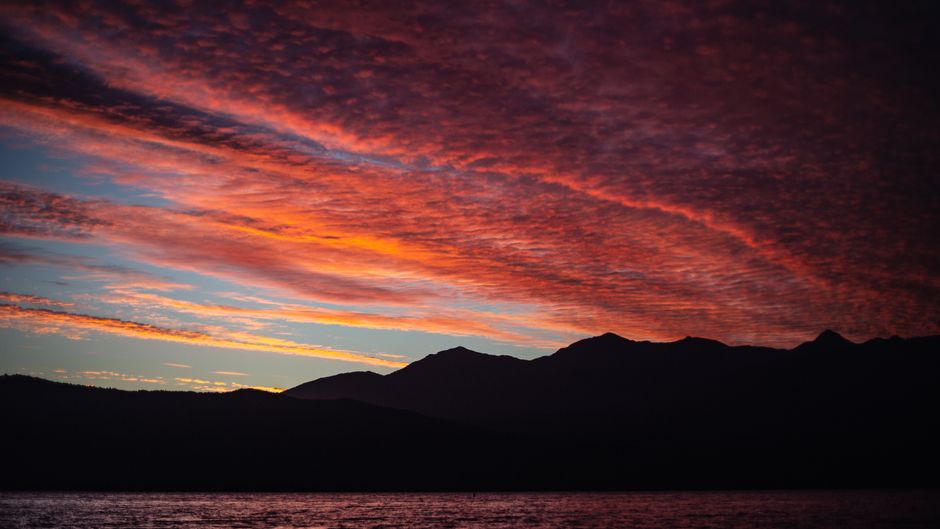
While the Aurora Australis was the main focus of my trip, experiencing the magic of New Zealand was a huge bonus. The South Island is a land of breathtaking landscapes, from the majestic Southern Alps to the turquoise lakes and rugged coastlines. I spent my days exploring these natural wonders, hiking through pristine forests, kayaking on crystal-clear waters, and simply soaking in the beauty of the country.
The people of New Zealand, or Kiwis as they are affectionately known, are incredibly friendly and welcoming. I met so many interesting people during my trip, from fellow stargazers to local farmers and artisans. Their warmth and hospitality made my experience even more special.
I also learned about Māori culture, the indigenous culture of New Zealand. I visited a Māori cultural center, watched traditional dances, and learned about the history and traditions of the Māori people. It was a fascinating and enriching experience that gave me a deeper understanding of New Zealand's unique heritage.
Tips for Future Aurora Chasers in New Zealand

If you're planning your own Southern Lights adventure in New Zealand, here are a few tips that I wish I had known beforehand:
- Be Prepared for Disappointment: The aurora is a fickle phenomenon, and there's no guarantee you'll see it, even if the forecast is promising. Be prepared for disappointment and have a backup plan in case the lights don't show up.
- Join a Photography Tour: If you're serious about capturing the aurora, consider joining a photography tour. A local guide can take you to the best viewing spots and teach you the optimal camera settings.
- Check the Moon Phase: A full moon can wash out the aurora, so try to plan your trip around a new moon.
- Be Respectful of the Environment: Dark Sky Reserves are protected areas, so be mindful of your impact on the environment. Avoid using bright lights, stay on designated trails, and leave no trace behind.
- Embrace the Adventure: Chasing the Southern Lights is an adventure, so embrace the unknown and be open to new experiences. You never know what you might discover along the way.
My Final Thoughts: A Journey Worth Taking

Experiencing the Southern Lights in New Zealand was a dream come true. It was a challenging journey, filled with uncertainty and disappointment, but the reward was beyond anything I could have imagined. Seeing those ethereal lights dancing across the night sky was a truly magical and unforgettable experience.
But more than just seeing the aurora, I discovered the beauty and wonder of New Zealand, its stunning landscapes, its friendly people, and its rich culture. It was a journey that touched my soul and left me with memories that I will cherish forever.
So, if you're looking for an adventure that will take your breath away, consider chasing the Southern Lights in New Zealand. It might just change your life.
And finally, here's a quick recap of some key points:
- Best time to visit: March to September (autumn and winter)
- Prime locations: Lake Tekapo, Stewart Island, The Catlins, Otago Peninsula
- Essential gear: Warm clothes, camera with wide-angle lens, tripod, headlamp
- Remember to: Check aurora forecasts, be patient, and embrace the adventure!
Happy aurora chasing!
Post a Comment