Rock Climbing & Abseiling in Aotearoa: My Kiwi Adventures on the Walls
Rock Climbing & Abseiling in Aotearoa: My Kiwi Adventures on the Walls
Hey there, fellow adventurers! Let's talk about something that gets my heart racing and my palms sweaty – rock climbing and abseiling. But not just anywhere; we're talking about doing it against the backdrop of New Zealand's breathtaking scenery. Trust me, it's an experience that'll stay with you long after you've taken off your climbing shoes.
I've always been drawn to the outdoors, to pushing my limits, and to seeing the world from a different perspective. Rock climbing and abseiling have become my perfect outlets for all of that. And Aotearoa, the Land of the Long White Cloud, offers some of the most incredible climbing and abseiling locations imaginable. From towering limestone cliffs to volcanic rock formations, there's something for every skill level, and views that will blow your mind.
Why New Zealand is a Rock Climber's Paradise
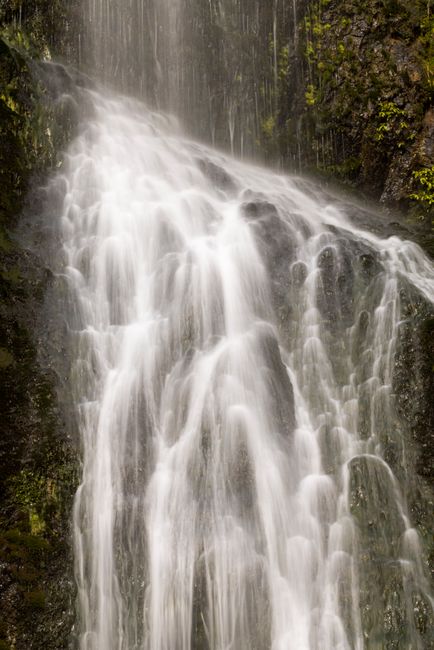
What makes New Zealand such a special place for rock climbing and abseiling? Well, a few things stand out. Firstly, the sheer variety of landscapes. You can be scaling a granite cliff face overlooking the turquoise waters of the Abel Tasman National Park one day, and the next you're rappelling down a waterfall in Fiordland National Park. The geological diversity is simply astounding.
Secondly, the access to climbing locations is generally excellent. While some areas require a bit of a hike, many climbing spots are easily accessible, making them perfect for a day trip or a longer adventure. And thirdly, New Zealand has a well-established climbing community, with experienced guides and instructors available to help you learn the ropes (pun intended!).
But more than that, it's the combination of the challenge and the beauty that makes climbing in New Zealand so unique. It's about feeling the rock beneath your fingers, pushing your body and mind, and being rewarded with views that are simply unforgettable. It's about connecting with nature in a way that few other activities can offer.
My First Climb: Conquering Fears in Wanaka
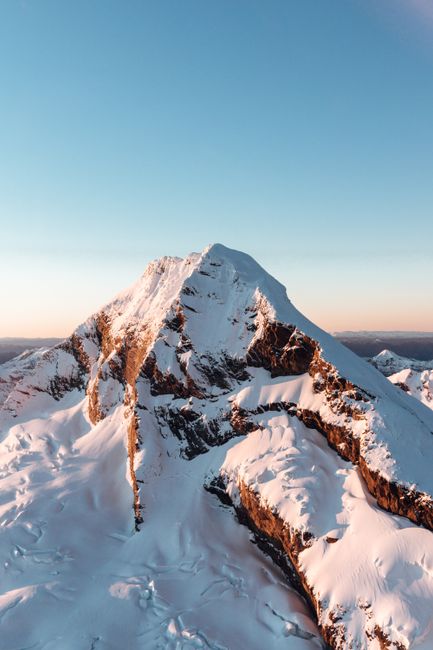
My own climbing journey started in Wanaka, a stunning town nestled on the shores of Lake Wanaka in the Otago region. I remember feeling incredibly nervous. I'd watched videos and read articles, but nothing quite prepares you for that first moment standing at the base of a rock face, looking up at the seemingly impossible challenge ahead.
I opted for an introductory course with a local climbing guide. He taught me the basics: how to belay, how to tie the knots, how to use my feet effectively, and most importantly, how to trust my gear. It was a lot to take in, but he was patient and encouraging, and slowly but surely, I started to feel more confident.
The first route I attempted was a relatively easy one, but it still felt like climbing Mount Everest. Every move felt deliberate, every handhold a victory. I remember reaching the top, gasping for air, and feeling an immense sense of accomplishment. It was addictive. I was hooked.
Abseiling Adventures: Facing the Drop
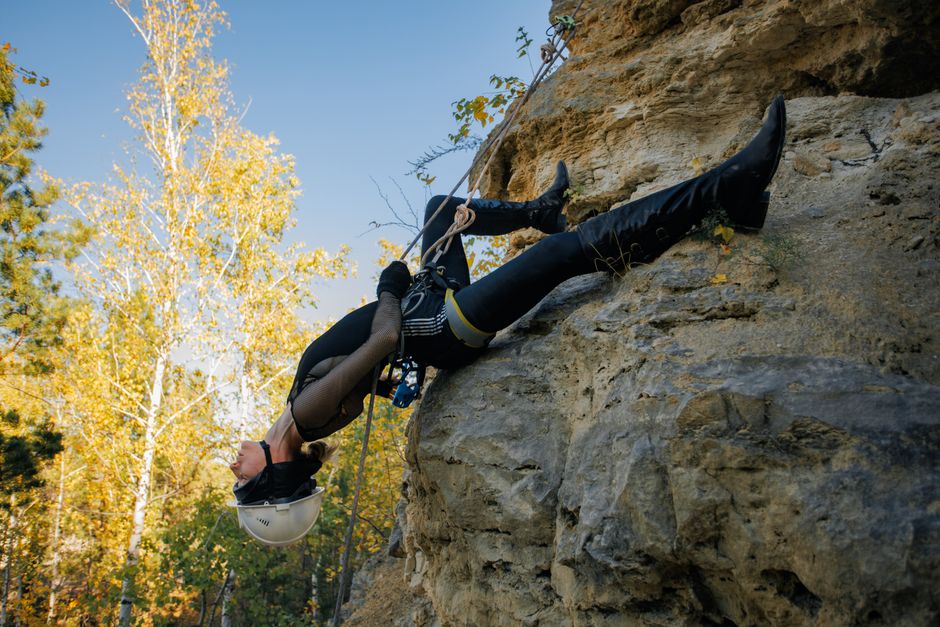
After a few climbs, my guide suggested trying abseiling. Now, I'm not going to lie, the thought of intentionally lowering myself down a cliff face using only a rope was terrifying. But I was also intrigued. It felt like the ultimate test of trust and control.
Again, my guide patiently explained the process, demonstrating how to set up the abseil device, how to control my descent, and how to stay safe. He emphasized the importance of double-checking everything and communicating clearly with my belayer. Safety, safety, safety – that was the mantra.
Taking that first step over the edge was the hardest part. But once I started descending, a strange sense of calm washed over me. I was in control, focused on the task at hand. The wind whipped around me, and the view was absolutely incredible. It was exhilarating, empowering, and utterly unforgettable.
Top Climbing and Abseiling Spots in New Zealand

Over the years, I've had the chance to explore many of New Zealand's climbing and abseiling hotspots. Here are a few of my favorites:
- Castle Hill, Canterbury: This area is known for its incredible limestone formations, offering a variety of climbing routes for all levels. The dramatic landscape is also a photographer's dream.
- Payne's Ford, Golden Bay: Another limestone paradise, Payne's Ford boasts hundreds of climbing routes, ranging from easy slabs to challenging overhangs. The tranquil setting and the nearby beaches make it a perfect spot for a climbing holiday.
- Whanganui Bay, Lake Taupo: A volcanic rock climbing area with stunning views of Lake Taupo and the surrounding mountains. It offers a unique climbing experience on textured rock, and it's a great place to combine climbing with other water activities.
- Queenstown, Otago: Known as the adventure capital of New Zealand, Queenstown offers a wide range of climbing and abseiling opportunities, from guided climbs to multi-pitch routes. The surrounding mountains and lakes provide a stunning backdrop for your adventure.
- Abel Tasman National Park: While not solely known for its climbing, Abel Tasman offers some fantastic climbing opportunities with breathtaking views of the coastline. You can even combine climbing with kayaking and hiking for a truly unforgettable experience.
Essential Gear for Your Climbing Adventure
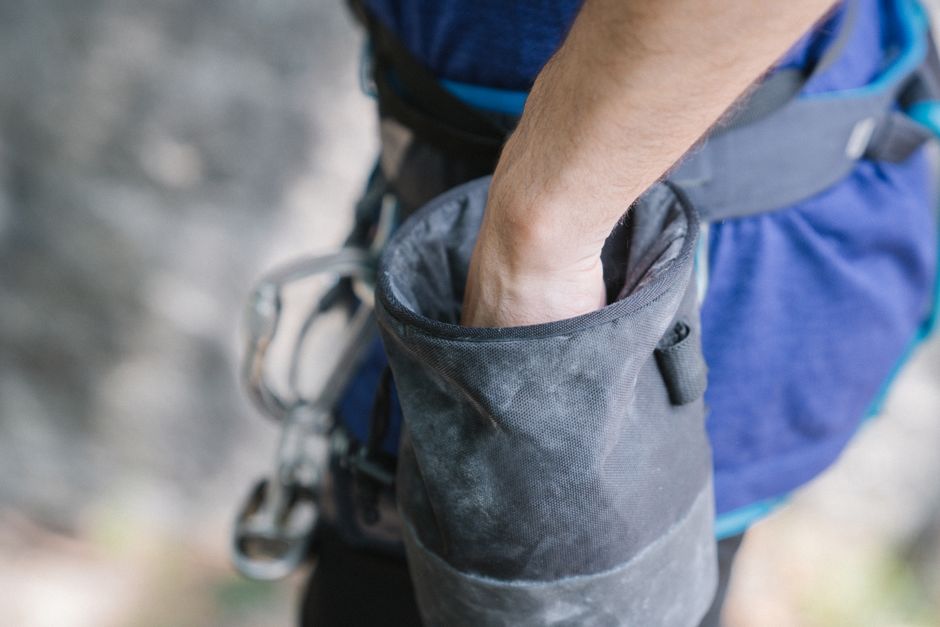
Having the right gear is crucial for a safe and enjoyable climbing experience. Here's a basic list of what you'll need:
- Climbing shoes: These provide the grip and precision you need to stick to the rock.
- Harness: This is what connects you to the rope and distributes the force in case of a fall.
- Belay device: This is used to control the rope and protect the climber.
- Locking carabiners: These are used to connect various pieces of gear and ensure a secure connection.
- Helmet: Protects your head from falling rocks or in case of a fall.
- Rope: The lifeline that connects you to your belayer.
- Quickdraws: Used to clip the rope to the bolts on the rock face.
- Chalk bag: Keeps your hands dry and improves your grip.
If you're just starting out, you can often rent gear from local climbing gyms or guiding companies. As you become more experienced, you can invest in your own equipment.
Safety First: Essential Tips for Rock Climbing and Abseiling
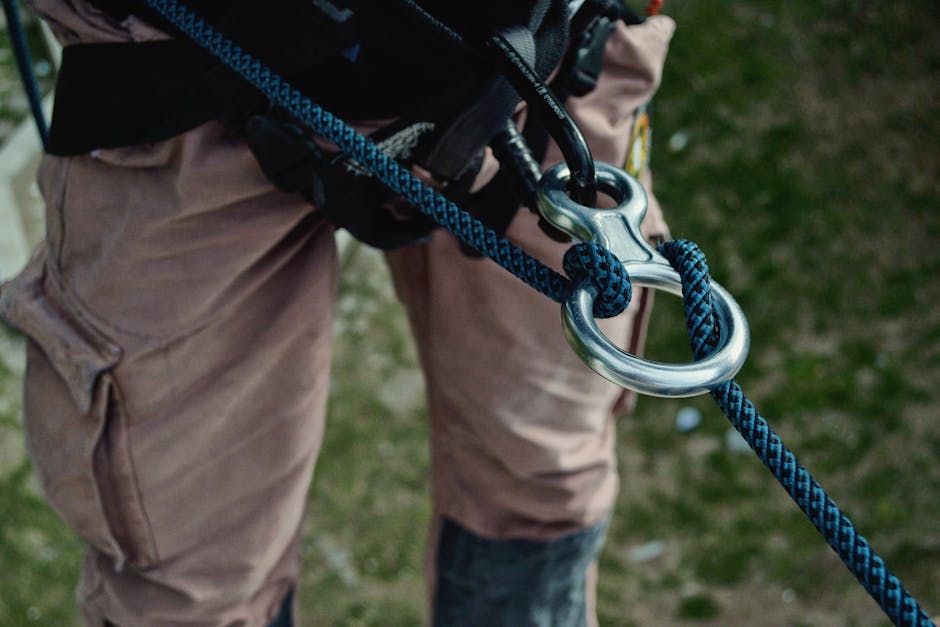
Rock climbing and abseiling are inherently risky activities, so it's essential to prioritize safety at all times. Here are a few crucial tips to keep in mind:
- Take a course or hire a guide: If you're new to climbing or abseiling, it's essential to learn from a qualified instructor. They can teach you the proper techniques and safety procedures.
- Always double-check your gear: Before you start climbing or abseiling, make sure all your gear is in good condition and properly connected.
- Communicate clearly with your belayer: Use clear and concise commands to ensure everyone knows what's happening.
- Be aware of your surroundings: Watch out for falling rocks, loose holds, and other hazards.
- Climb within your limits: Don't attempt routes that are beyond your skill level. It's better to start with easier climbs and gradually work your way up.
- Never climb alone: Always climb with a partner who can belay you and provide assistance if needed.
- Respect the environment: Leave no trace behind. Pack out all your trash and avoid damaging the rock.
The Mental Game: Overcoming Fear and Building Confidence

Rock climbing and abseiling are as much a mental challenge as they are a physical one. Overcoming fear and building confidence are essential for success.
For me, one of the biggest challenges was dealing with the fear of falling. It's a natural instinct, but it can hold you back from pushing your limits. I found that visualizing success, focusing on my breathing, and trusting my gear helped me to overcome my fear.
Another important aspect is building confidence. This comes with practice and experience. Every successful climb, every smooth abseil, builds your confidence and makes you more comfortable in challenging situations. It's about celebrating the small victories and learning from the setbacks.
Connecting with Nature: A Deeper Appreciation for the Outdoors

Beyond the physical and mental challenges, rock climbing and abseiling have given me a deeper appreciation for the outdoors. Being suspended on a rock face, surrounded by breathtaking scenery, allows you to connect with nature in a way that few other activities can offer.
You become more aware of the textures of the rock, the sounds of the wind, and the beauty of the landscape. You learn to respect the power and fragility of nature. And you develop a sense of responsibility for protecting the environment for future generations.
Beyond the Climb: Other Adventures in New Zealand
While rock climbing and abseiling are incredible experiences on their own, New Zealand offers so much more to explore. Here are a few other adventures you might want to consider combining with your climbing trip:
- Hiking: New Zealand is famous for its hiking trails, ranging from easy coastal walks to challenging multi-day treks.
- Kayaking: Explore the stunning coastline from a different perspective. Abel Tasman National Park is a particularly popular spot for kayaking.
- Bungee Jumping: If you're looking for an adrenaline rush, Queenstown is the place to be.
- White Water Rafting: Tackle the rapids of the Rangitata River or the Shotover River for an unforgettable adventure.
- Skiing and Snowboarding: During the winter months, New Zealand's ski fields offer world-class skiing and snowboarding opportunities.
Final Thoughts: Why You Should Give it a Go

So, there you have it – my personal account of rock climbing and abseiling in New Zealand. It's an experience that has transformed me, challenged me, and given me a deeper appreciation for the beauty and power of nature.
If you're looking for an adventure that will push your limits, reward you with incredible views, and connect you with nature in a profound way, I highly recommend giving rock climbing and abseiling in New Zealand a try. You might just discover a new passion, a new perspective, and a new level of confidence.
Just remember to prioritize safety, learn from experienced instructors, and respect the environment. And most importantly, have fun! The memories you create will last a lifetime.
Post a Comment