Photography Tips: Capture New Zealand's Majestic Beauty

Photography Tips: Capture New Zealand's Majestic Beauty
Hey there, fellow photography enthusiast! Ever dreamt of capturing the breathtaking beauty of New Zealand? I have! And after countless trips, hikes, and sunrise wake-up calls, I've learned a thing or two about photographing this incredible country. Forget just snapping touristy photos; I want to help you capture the soul of Aotearoa, the Land of the Long White Cloud. So, grab your camera (and maybe a good raincoat!), and let's dive into some tips that will elevate your New Zealand photography from snapshots to masterpieces.
1. Planning is Key: Your New Zealand Photography Roadmap
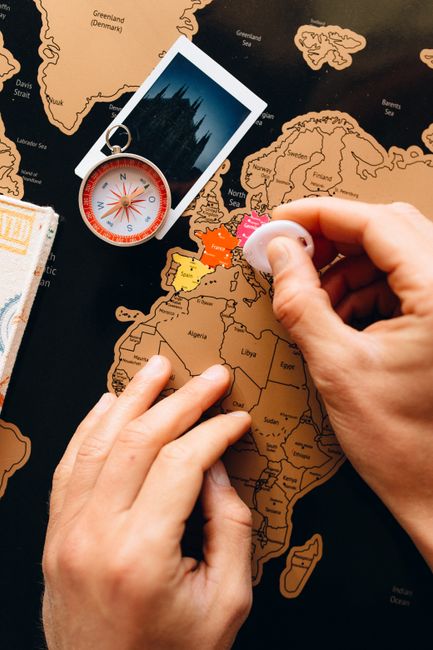
Trust me, spontaneity is great, but a little planning goes a long way, especially when you're dealing with New Zealand's diverse landscapes and often unpredictable weather. Here's what I've learned:
A. Research your locations: Don't just rely on Instagram. Dig deeper! Websites like DOC (Department of Conservation) and local tourism boards provide invaluable information about trails, accessibility, permits, and potential hazards. Knowing the terrain and restrictions beforehand will save you time and potential headaches. I once showed up at a "must-see" waterfall only to find out it required a four-hour hike each way – in mud! Lesson learned.
B. Check the weather forecast… religiously: New Zealand weather can change in a heartbeat. Mountain passes are notorious for going from sunny to snowy in minutes. Download a reliable weather app and check it multiple times a day. Pay attention to wind conditions too, especially if you plan on photographing reflections in lakes or flying a drone.
C. Consider the time of year: Each season offers unique photographic opportunities.
- Summer (December-February): Long days, warm temperatures, ideal for hiking and landscape photography. Expect crowds at popular spots.
- Autumn (March-May): Stunning autumn foliage, especially in the South Island. Great light and fewer tourists than summer. This is my personal favorite!
- Winter (June-August): Snow-capped mountains, perfect for dramatic winter landscapes. Some roads and trails may be closed.
- Spring (September-November): Wildflowers in bloom, lambs frolicking in fields, and a sense of new beginnings. A lovely time to visit!
D. Plan your itinerary around the light: The golden hour (the hour after sunrise and the hour before sunset) is a photographer's best friend. Use apps like PhotoPills or Planit! Pro to determine the exact time of the golden hour and plan your shooting locations accordingly. Believe me, waking up early to catch the sunrise over Lake Tekapo is worth the effort. The light is just magical!
2. Gear Up: Essential Equipment for New Zealand Photography

You don't need to break the bank, but having the right gear can make a significant difference in the quality of your photos. Here's my recommended kit:
A. A versatile camera: A DSLR or mirrorless camera with interchangeable lenses is ideal. A good sensor and dynamic range are important to capture the details in New Zealand's contrasting landscapes.
B. Lenses for every occasion:
- Wide-angle lens (16-35mm or similar): Essential for capturing the vastness of the landscapes, from mountain ranges to coastlines.
- Mid-range zoom lens (24-70mm or similar): A versatile lens for general photography, portraits, and capturing details in landscapes.
- Telephoto lens (70-200mm or longer): Great for wildlife photography, compressing landscapes, and isolating subjects.
C. A sturdy tripod: Absolutely essential for sharp landscape photos, especially in low light or when using long exposures. A lightweight carbon fiber tripod is a good investment if you plan on hiking.
D. Filters:
- Polarizing filter: Reduces glare, deepens colors, and enhances contrast, especially in skies and water.
- Neutral density (ND) filter: Reduces the amount of light entering the lens, allowing you to use longer shutter speeds for creative effects, such as blurring waterfalls or clouds.
- Graduated neutral density (GND) filter: Darkens the sky while leaving the foreground untouched, balancing the exposure in high-contrast scenes.
E. Rain gear: For your camera and yourself! A waterproof camera bag and a good rain jacket are essential. I also carry a microfiber cloth to wipe off any raindrops that land on my lens.
F. Extra batteries and memory cards: You don't want to run out of power or storage space in the middle of a shoot. Trust me, it's happened to me more than once! Also, consider a portable power bank for charging your camera or phone on the go.
3. Master the Fundamentals: Composition and Exposure

Even the best equipment won't guarantee great photos if you don't understand the fundamentals of composition and exposure. Here's a quick refresher:
A. Composition:
- Rule of thirds: Divide your frame into nine equal parts with two horizontal and two vertical lines. Place key elements along these lines or at their intersections to create a more balanced and engaging composition.
- Leading lines: Use lines to guide the viewer's eye through the image and towards the main subject. Roads, rivers, and fences can all be used as leading lines.
- Framing: Use natural elements, such as trees, arches, or rocks, to frame your subject and draw attention to it.
- Symmetry and patterns: Look for symmetrical compositions or repeating patterns in nature. These can create visually stunning and pleasing images.
B. Exposure:
- Aperture: Controls the depth of field (the area of the image that is in focus). A wide aperture (e.g., f/2.8) creates a shallow depth of field, blurring the background and isolating the subject. A narrow aperture (e.g., f/16) creates a large depth of field, keeping everything in focus.
- Shutter speed: Controls the amount of time the camera's sensor is exposed to light. A fast shutter speed (e.g., 1/1000s) freezes motion, while a slow shutter speed (e.g., 1 second) blurs motion.
- ISO: Measures the sensitivity of the camera's sensor to light. A low ISO (e.g., 100) produces cleaner images, while a high ISO (e.g., 3200 or higher) can introduce noise or grain.
C. Experiment with different settings: Don't be afraid to experiment with different aperture, shutter speed, and ISO combinations to achieve the desired effect. Use your camera's histogram to check the exposure and make sure you're not clipping the highlights or shadows.
4. Location, Location, Location: New Zealand's Photographic Hotspots
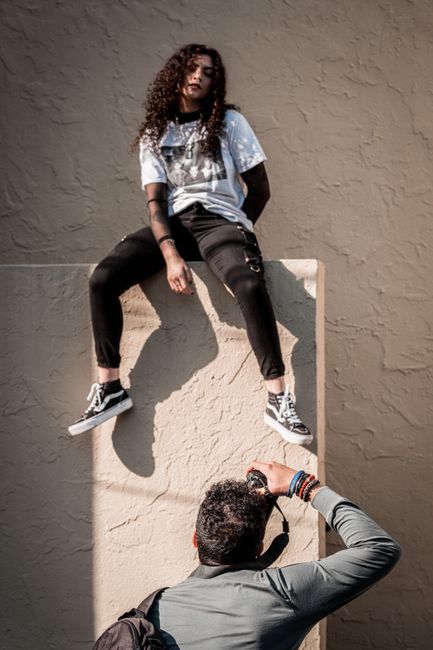
New Zealand is a photographer's paradise, with endless opportunities to capture stunning images. Here are a few of my favorite locations:
A. South Island:
- Milford Sound: A majestic fiord with towering cliffs, waterfalls, and lush rainforest. Take a boat cruise or kayak through the fiord for unique perspectives.
- Queenstown: Adventure capital of the world, surrounded by stunning mountains and lakes. Perfect for landscape and adventure photography.
- Lake Tekapo: Famous for its turquoise waters, the Church of the Good Shepherd, and the Southern Lights (Aurora Australis).
- Mount Cook National Park: Home to New Zealand's highest mountain, Mount Cook, and breathtaking glaciers and hiking trails.
- Wanaka: Another stunning lake town with the iconic Wanaka Tree. Perfect for reflections and sunrise/sunset photography.
B. North Island:
- Rotorua: Geothermal wonderland with geysers, hot springs, and mud pools. Great for capturing the unique landscapes and colors.
- Tongariro National Park: Home to three active volcanoes and the famous Tongariro Alpine Crossing. Perfect for hiking and landscape photography.
- Waitomo Caves: Explore the glowworm caves and capture the magical bioluminescence.
- Bay of Islands: A subtropical paradise with stunning beaches, islands, and marine life. Great for boat trips and wildlife photography.
- Auckland: New Zealand's largest city, with a vibrant harbor, volcanic cones, and beautiful parks.
C. Don't be afraid to explore off the beaten path: New Zealand is full of hidden gems. Rent a car and drive along the scenic roads, explore the national parks, and talk to locals to discover unique photographic opportunities.
5. Embrace the Light: Capturing New Zealand's Golden Hour and Blue Hour
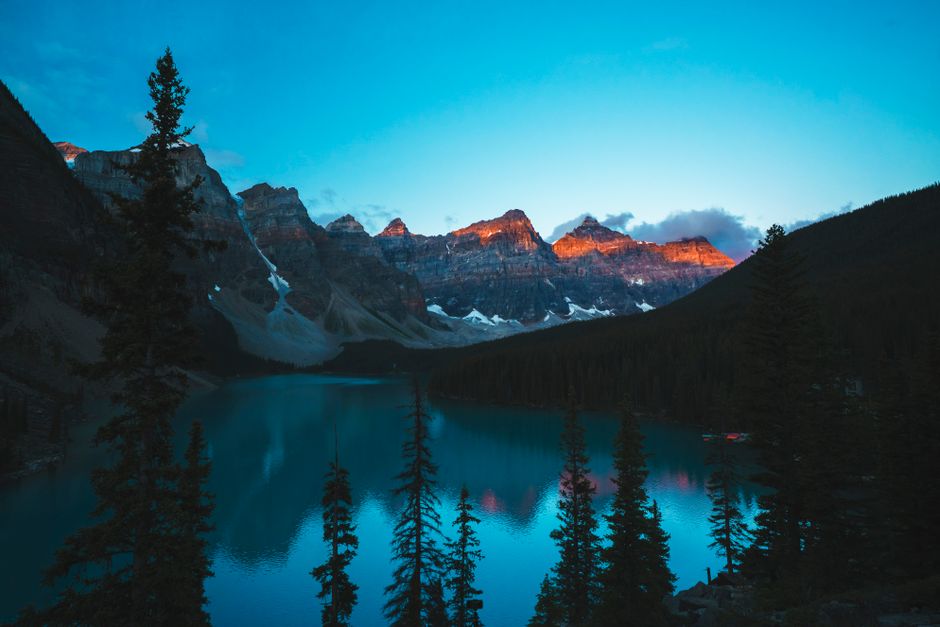
As I mentioned earlier, the golden hour and blue hour are crucial for landscape photography. Here's how to make the most of them:
A. Golden Hour: The hour after sunrise and the hour before sunset. The light is warm, soft, and directional, creating beautiful shadows and highlights. Position yourself so that the sun is behind your subject or to the side to create dramatic lighting.
B. Blue Hour: The hour after sunset and the hour before sunrise. The light is soft, cool, and even, creating a dreamy and ethereal atmosphere. This is a great time to photograph cityscapes, landscapes with water, and the night sky.
C. Experiment with long exposures: Use a neutral density filter to create long exposures during the golden hour and blue hour. This will blur moving elements, such as clouds or water, creating a sense of motion and tranquility.
6. Capture the Culture: People and Traditions
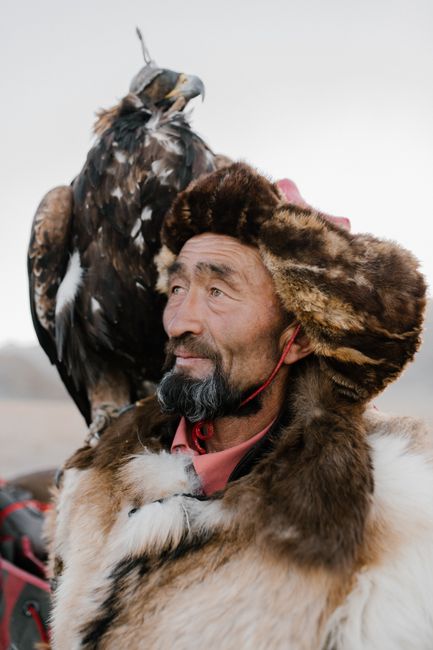
New Zealand is not just about landscapes; it's also about its people and rich Maori culture. Here's how to capture the essence of New Zealand culture in your photos:
A. Attend a Maori cultural performance: Experience the haka, the poi dance, and traditional Maori songs and stories. Ask for permission before taking photos and be respectful of the culture.
B. Visit a marae (Maori meeting ground): Learn about Maori customs and traditions, and capture the beauty of the carved meeting houses.
C. Photograph local markets and events: Capture the vibrant atmosphere and the faces of the people who make New Zealand unique.
D. Ask for permission before photographing people: Always be respectful and ask for permission before taking someone's photo, especially in smaller towns and rural areas.
7. Post-Processing: Enhancing Your Images

Post-processing is an essential part of digital photography. It allows you to fine-tune your images and bring out their full potential. Here are a few tips:
A. Use a non-destructive editing workflow: Edit your images in a program like Adobe Lightroom or Capture One, which allows you to make adjustments without altering the original file.
B. Start with the basics: Adjust the exposure, contrast, highlights, shadows, whites, and blacks to achieve a balanced and pleasing image.
C. Fine-tune the colors: Adjust the white balance, vibrance, and saturation to enhance the colors in your images. Be careful not to over-saturate the colors, as this can make the image look unnatural.
D. Sharpen your images: Sharpen your images to bring out the details and make them look crisper. Be careful not to over-sharpen, as this can create unwanted artifacts.
E. Remove distractions: Use the clone stamp tool or healing brush to remove any distractions from your images, such as power lines, tourists, or blemishes.
So, there you have it! My comprehensive guide to capturing the beauty of New Zealand through photography. Remember to be patient, persistent, and most importantly, have fun! New Zealand is a magical place, and with these tips, you'll be well on your way to capturing its soul through your lens. Happy shooting!
Post a Comment