New Zealand's Volcanic Landscapes: A Fiery Dance of Earth, Water, and Wonder

New Zealand's Volcanic Landscapes: A Fiery Dance of Earth, Water, and Wonder
Okay, friend, let's talk about something truly spectacular: New Zealand's volcanic landscapes. Think fire meets ice, steaming vents alongside turquoise lakes, and scenery that will blow your mind. I've travelled a bit in my time, but nothing has quite compared to the raw, untamed beauty I've witnessed in New Zealand's volcanic regions. It's like stepping onto another planet, but one that's incredibly accessible and, dare I say, welcoming. So, grab a cuppa, settle in, and let me share some of my experiences and insights into this fiery paradise.
The Ring of Fire's Southern Gem

First things first, why is New Zealand so volcanically active? Well, picture this: the country sits smack-bang on the Pacific Ring of Fire, a geologically unstable zone where tectonic plates collide and grind against each other. This constant movement creates pressure, which eventually releases in the form of earthquakes and, you guessed it, volcanic eruptions. The North Island, in particular, is riddled with volcanic fields, geothermal areas, and towering volcanoes, all thanks to this geological hotspot. It's a bit like living on top of a pressure cooker, but the results are breathtaking.
Don't let the "Ring of Fire" scare you off though. While volcanic activity can be destructive, it's also responsible for some of the most stunning landscapes on earth. Think of it as nature's way of constantly reshaping and reinventing itself, creating something new and incredible from the earth's core.
Rotorua: Where the Earth Breathes

If you only have time to visit one volcanic area in New Zealand, I'd wholeheartedly recommend Rotorua. This place is the undisputed king (or queen!) of geothermal activity. From the moment you arrive, you'll be greeted by the unmistakable scent of sulfur – a kind of pungent, eggy aroma that hangs in the air. Some find it off-putting, but honestly, I grew to love it. It's the smell of the earth breathing, of the power and energy simmering beneath your feet.
Geothermal Wonders: Rotorua is packed with incredible geothermal sites. Here are a few of my must-sees:
- Te Puia: This is where you'll find the famous Pohutu Geyser, which erupts multiple times a day, shooting boiling water and steam high into the air. It's a truly awe-inspiring sight. Te Puia also showcases Maori arts and crafts, giving you a deeper understanding of the cultural significance of this geothermal landscape.
- Wai-O-Tapu Thermal Wonderland: This place is like stepping into a technicolour dream. The vibrant colours of the hot springs are simply unbelievable – think bright oranges, greens, yellows, and blues, all caused by different minerals in the water. Don't miss the Lady Knox Geyser eruption, which is "encouraged" with a bit of soap – a bit touristy, perhaps, but still impressive.
- Hell's Gate: This is Rotorua's most active mud volcano and offers a truly unique experience. You can even bathe in the therapeutic mud and sulfur waters – it's a bit messy, but your skin will thank you for it!
Beyond Geysers: Rotorua offers so much more than just geothermal attractions. Here are a few other things to consider:
- Maori Culture: Rotorua is a significant center for Maori culture. Take a cultural tour, attend a traditional Hangi feast, and learn about the history and traditions of the local Maori people. It's a truly enriching experience.
- Mountain Biking: The Whakarewarewa Forest, just outside Rotorua, is a mountain biking mecca. With hundreds of kilometers of trails for all skill levels, it's the perfect place to get your adrenaline pumping.
- Lake Rotorua: Take a scenic boat cruise on Lake Rotorua or try your hand at trout fishing. The lake is also home to Mokoia Island, a historic Maori site with a fascinating love story.
My Rotorua Moment: I remember standing at Te Puia, watching the Pohutu Geyser erupt against a backdrop of misty mountains. The sheer power and beauty of it all left me speechless. It was one of those moments where I felt truly connected to the earth and in awe of nature's forces.
Tongariro National Park: Mordor and Beyond
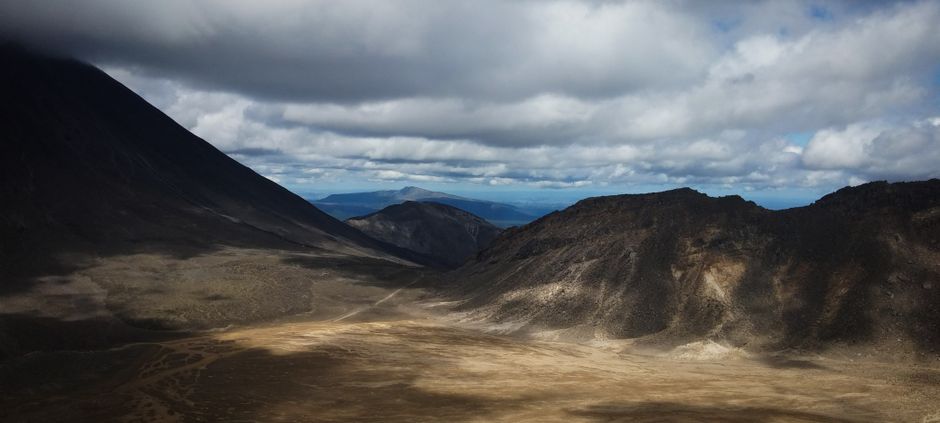
Okay, let's switch gears from the bubbling geothermal landscapes of Rotorua to the stark, majestic beauty of Tongariro National Park. If you're a Lord of the Rings fan, you'll instantly recognize this park as Mordor. But even if you're not a Tolkien enthusiast, you'll be captivated by the park's three active volcanoes: Ruapehu, Ngauruhoe, and Tongariro.
The Tongariro Alpine Crossing: This is one of New Zealand's most popular day hikes, and for good reason. The 19.4 km (12 mile) trail takes you through a surreal volcanic landscape, past emerald lakes, steaming vents, and lava flows. It's challenging, but the rewards are immense. Here are a few tips for tackling the crossing:
- Be Prepared: The weather in Tongariro can change rapidly. Pack for all conditions, including rain gear, warm layers, sturdy hiking boots, and plenty of water.
- Book Transport: The Tongariro Alpine Crossing is a one-way hike, so you'll need to arrange transport to and from the trailheads. There are several shuttle services available.
- Start Early: Get an early start to avoid the crowds and give yourself plenty of time to complete the hike.
- Take Breaks: Don't rush! Take your time to enjoy the scenery and catch your breath.
- Respect the Environment: Stay on the marked trails, pack out all your trash, and leave no trace.
Beyond the Crossing: Tongariro National Park offers plenty of other hiking and outdoor activities. Here are a few ideas:
- Skiing and Snowboarding: In winter, Mount Ruapehu transforms into a popular ski resort.
- Short Walks: There are numerous shorter walks within the park, ranging from easy strolls to more challenging climbs.
- Taranaki Falls Walk: A relatively easy and rewarding hike to a beautiful waterfall.
- Visit the Chateau Tongariro: Even if you're not staying there, the Chateau is worth a visit for its stunning architecture and views.
My Tongariro Moment: I vividly remember standing at the highest point of the Tongariro Alpine Crossing, looking out over the emerald lakes and the vast volcanic landscape. The feeling of accomplishment and the sheer beauty of the surroundings were overwhelming. It was a moment of pure bliss.
White Island (Whakaari): A Raw and Untamed Beauty (A Note of Caution)
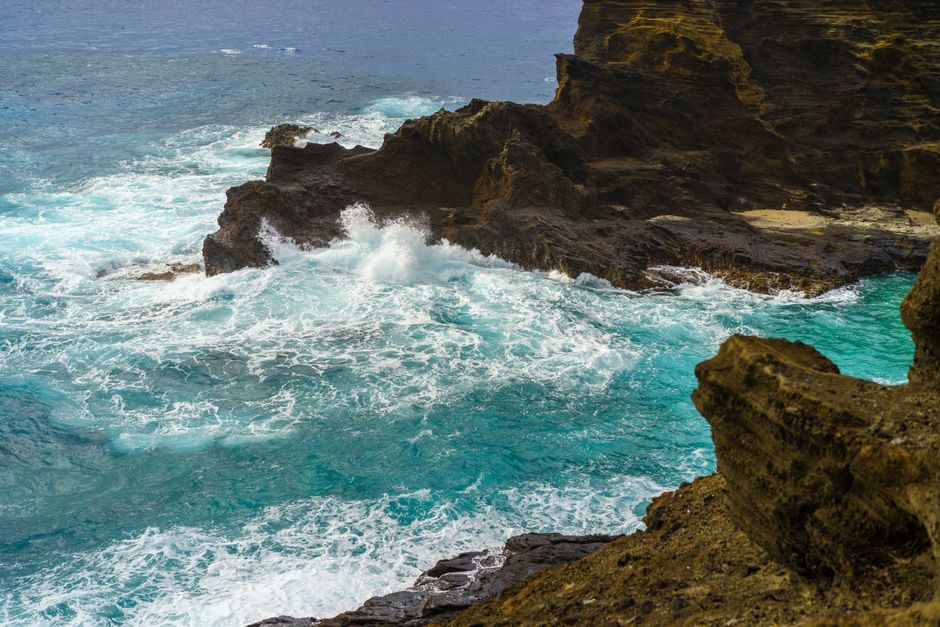
Important Note: Before I talk about White Island, I need to emphasize that it is currently closed to visitors following the tragic eruption in 2019. My experiences described below are from before the eruption. While it is unlikely to reopen to the public anytime soon, I feel it's important to acknowledge its existence and the beauty it once held. Always check official travel advisories and follow safety guidelines before visiting any volcanic area.
White Island (Whakaari) was, without a doubt, one of the most unforgettable places I've ever visited. This active marine volcano lies off the coast of the Bay of Plenty and was accessible by boat or helicopter. Stepping onto the island felt like landing on Mars – a desolate, sulfurous landscape of bubbling mud pools, steaming vents, and colorful mineral deposits. The air was thick with the smell of sulfur, and the ground trembled beneath your feet. It was raw, untamed, and utterly mesmerizing.
Highlights of White Island (Pre-2019):
- The Crater Lake: The bright green crater lake was the centerpiece of the island. Its acidic waters were incredibly corrosive, and the steam rising from its surface created an eerie atmosphere.
- The Sulfur Mines: Abandoned sulfur mining equipment still dotted the landscape, serving as a reminder of the island's industrial past.
- The Lunar Landscape: The barren, volcanic terrain felt otherworldly. It was a stark contrast to the lush green landscapes of mainland New Zealand.
A Somber Reflection: The tragedy of the 2019 eruption is a stark reminder of the power and unpredictability of nature. It's a reminder to respect the earth and to always prioritize safety when exploring volcanic areas. While White Island may never be the same, its memory serves as a powerful testament to the beauty and the danger that coexist in these extraordinary landscapes.
Tips for Exploring New Zealand's Volcanic Landscapes

Alright, so you're itching to experience New Zealand's volcanic wonders for yourself? Here are a few tips to help you plan your trip:
- Check the Weather: As I mentioned before, the weather in volcanic areas can be unpredictable. Check the forecast before you go and be prepared for all conditions.
- Wear Appropriate Clothing: Wear sturdy shoes, comfortable clothing, and layers.
- Stay Hydrated: Bring plenty of water, especially if you're hiking.
- Protect Yourself from the Sun: Wear sunscreen, a hat, and sunglasses.
- Follow Safety Guidelines: Pay attention to warning signs and follow the instructions of park rangers and tour guides.
- Respect the Environment: Stay on the marked trails, pack out all your trash, and leave no trace.
- Book Accommodation in Advance: Popular tourist destinations like Rotorua and Tongariro can get busy, especially during peak season. Book your accommodation in advance to avoid disappointment.
- Consider a Guided Tour: A guided tour can provide you with valuable insights into the geology, history, and culture of the area.
- Allow Plenty of Time: Don't try to cram too much into your itinerary. Allow plenty of time to explore and enjoy the scenery.
A Final Word: Embrace the Fire and Ice

New Zealand's volcanic landscapes are more than just geological formations; they're a testament to the power and beauty of nature. They're a place where fire and ice collide, creating scenery that will stay with you long after you've left. Whether you're hiking through Tongariro National Park, exploring the geothermal wonders of Rotorua, or simply soaking in the views, these landscapes will leave you in awe.
So, pack your bags, grab your camera, and get ready for an adventure. New Zealand's volcanic landscapes are waiting to be explored. Just remember to respect the power of nature, embrace the unique beauty, and create memories that will last a lifetime. You won't regret it!
Post a Comment