New Zealand's Native Forests: A World of Wonders Within Reach
New Zealand's Native Forests: A World of Wonders Within Reach
Kia ora! I'm so excited to share my absolute fascination with New Zealand's native forests. They're not just forests, they're living, breathing tapestries woven with unique creatures, ancient trees, and a magic that truly captivates the soul. I've spent years hiking, exploring, and simply soaking in the atmosphere of these incredible ecosystems, and I want to take you on a virtual journey to discover their secrets.
Why New Zealand's Forests Are So Special

What makes New Zealand's forests so different from, say, a European or North American forest? Well, it all comes down to its geological history. New Zealand broke away from Gondwana, the ancient supercontinent, millions of years ago. This long period of isolation allowed its flora and fauna to evolve in unique and often bizarre ways. Imagine a natural laboratory where species developed with limited outside influence – that's essentially what happened here!
Think about it – flightless birds like the kiwi, ancient reptiles like the tuatara, and trees like the kauri, which are living relics of the Jurassic period! These are just a few examples of the biodiversity that makes New Zealand's forests so incredibly special. This isolation has led to a high degree of endemism, meaning many of the species found here are found nowhere else on Earth. That makes preserving these ecosystems all the more crucial.
Exploring the Diverse Forest Types

New Zealand isn't just one giant forest; it's a mosaic of different forest types, each with its own unique character and inhabitants. Here are a few of the key players:
- Kauri Forests: These are dominated by the magnificent kauri tree, a true giant of the forest. Imagine walking among these towering trees, some of which are over 2,000 years old! The kauri forests are particularly found in the upper North Island. They are critically endangered due to kauri dieback, a disease that threatens their very existence. Walking through a kauri forest feels like stepping back in time.
- Podocarp-Hardwood Forests: These are the most widespread forest type in New Zealand, containing a mix of podocarp trees like rimu, totara, and matai, along with broadleaf hardwoods like rata and kamahi. These forests are incredibly diverse, supporting a huge range of plant and animal life. They often form a dense canopy, creating a dim and atmospheric understory.
- Beech Forests: Found mainly in the South Island and higher altitudes of the North Island, beech forests are characterized by several species of beech trees, including red beech, silver beech, and mountain beech. These forests often have a simpler structure than podocarp-hardwood forests, but they are still incredibly beautiful and important habitats. The sunlight filtering through the beech leaves creates a magical atmosphere.
- Swamp Forests: These waterlogged forests are dominated by swamp maire and kahikatea. They're crucial habitats for wetland birds and other specialized species. Imagine the symphony of bird calls echoing through the misty air of these unique environments.
The Unique Flora: More Than Just Trees

While the trees are undoubtedly impressive, the understory of New Zealand's forests is just as fascinating. Here are a few of the plant wonders you might encounter:
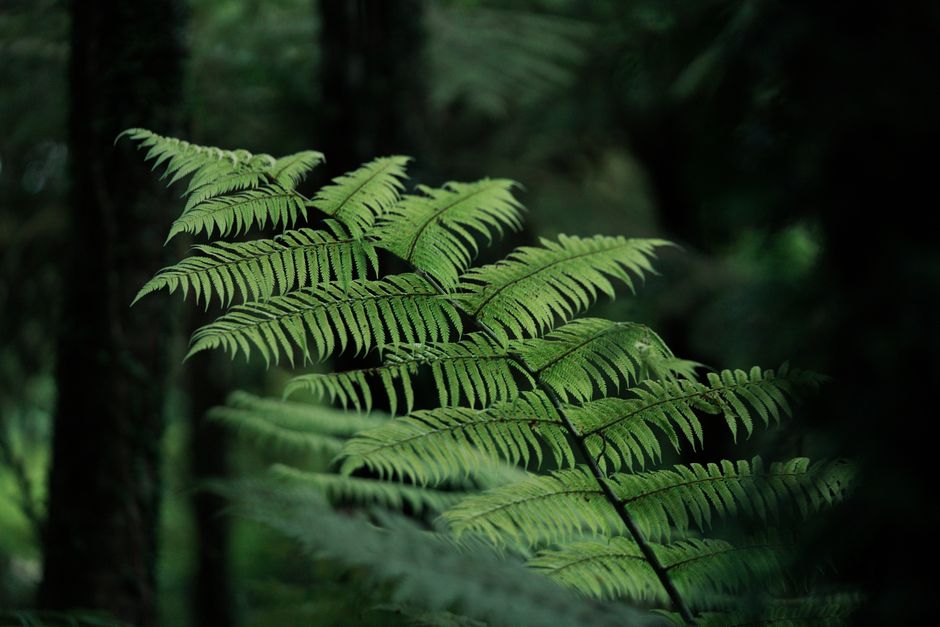
- Ferns: New Zealand is known as the "land of ferns," and for good reason! From the towering tree ferns to the delicate filmy ferns, they add a lush, prehistoric feel to the forests. Think of the iconic silver fern, a national symbol!
- Mosses and Liverworts: These tiny plants form a vibrant green carpet on the forest floor, covering rocks, logs, and even tree trunks. They create a miniature world that is teeming with life. I've spent hours just observing the intricate patterns and textures of these often-overlooked plants.
- Epiphytes: These plants grow on other plants, using them for support but not harming them. Orchids, lilies, and even ferns can be epiphytes, adding to the incredible diversity of the forest canopy. Imagine spotting a vibrant orchid blooming high up in a tree – a true treasure!
- Climbing Plants: Rata vines, supplejack, and other climbers snake their way through the forest, creating intricate tangles and adding to the sense of wildness. Some rata vines start as epiphytes high in the trees and eventually send down aerial roots that strangle their host!
The Fascinating Fauna: A Living Noah's Ark
Now, let's talk about the creatures that call these forests home. This is where things get REALLY interesting!
Birds: A Chorus of Unique Voices
New Zealand's birds are perhaps its most famous inhabitants. The absence of native land mammals (before human arrival) allowed birds to evolve into ecological niches usually occupied by mammals elsewhere. Here are a few of the stars:
- Kiwi: The national icon! These flightless birds are nocturnal and have a unique sense of smell, which they use to find food. Spotting a kiwi in the wild is a truly special experience. Their calls, a high-pitched shriek, are hauntingly beautiful.
- Tui: With its iridescent plumage and distinctive white throat tuft, the tui is a common sight (and sound) in many New Zealand forests. They're known for their complex and varied song, which includes clicks, gurgles, and whistles.
- Bellbird (Korimako): This honeyeater is named for its bell-like song, which is one of the most beautiful sounds in the New Zealand bush. Their songs are often complex and varied, changing throughout the day.
- Kaka: This native parrot is closely related to the kea but is found in forests rather than alpine areas. They're intelligent and playful birds, known for their mischievous behavior.
- Weka: Another flightless bird, the weka is a curious and opportunistic creature. They're known for their boldness and will often approach humans, looking for food. Be careful though, they're known to steal things!
Insects and Invertebrates: The Unsung Heroes
While the birds often steal the spotlight, the insects and invertebrates are just as important to the ecosystem. They play crucial roles in pollination, decomposition, and nutrient cycling. Here are a few of the unsung heroes:
- Weta: These large, flightless insects are unique to New Zealand. They come in a variety of shapes and sizes, from the giant weta to the tree weta. They're ancient creatures, with fossils dating back millions of years.
- Puriri Moth: This is New Zealand's largest moth, with a wingspan of up to 15 cm. The caterpillars bore into the trunks of puriri trees, creating tunnels that can weaken the tree.
- Native Snails: New Zealand is home to a diverse range of native snails, some of which are carnivorous! Imagine tiny predators hunting down their prey in the leaf litter.
- Glowworms: These bioluminescent larvae of a fungus gnat create a magical spectacle in caves and damp forests. The glowworms attract insects, which they then trap in sticky threads. Walking through a glowworm cave is an unforgettable experience.
Reptiles and Amphibians: Ancient Survivors
New Zealand has a unique reptile fauna, including the iconic tuatara, a living fossil that is closely related to lizards but belongs to a distinct order of reptiles that existed 200 million years ago! There are also various species of geckos and skinks, adapted to different forest environments.
New Zealand also has native frogs! These are quite different from frogs found elsewhere in the world. They don't have eardrums and don't croak! They're also critically endangered.
Threats to the Ecosystem: Protecting Our Taonga

Sadly, New Zealand's native forests face a number of threats, including:
- Introduced Species: Possums, rats, stoats, and other introduced animals prey on native birds, insects, and plants, causing widespread damage to the ecosystem. They wreak havoc on the delicate balance that has evolved over millions of years.
- Habitat Loss: Deforestation and land development continue to reduce the amount of native forest habitat available. Every hectare lost is a piece of the puzzle gone forever.
- Climate Change: Changes in temperature and rainfall patterns can disrupt ecosystems, leading to shifts in species distribution and increased vulnerability to pests and diseases.
- Disease: Kauri dieback is a devastating disease that is killing kauri trees throughout the upper North Island. It's a reminder of how vulnerable these ancient forests are.
But it's not all doom and gloom! There are many dedicated people and organizations working to protect New Zealand's native forests. Conservation efforts include:
- Pest Control: Extensive pest control programs are underway to reduce the populations of introduced animals. Trapping, poisoning, and aerial 1080 drops are used to control pests in different areas.
- Reforestation: Planting native trees and restoring degraded habitats is helping to increase the amount of native forest cover. Community groups and landowners are playing a vital role in this effort.
- Biosecurity: Strict biosecurity measures are in place to prevent the introduction of new pests and diseases. This includes quarantine procedures and inspections at airports and ports.
- Research and Monitoring: Scientists are constantly studying New Zealand's native forests to better understand their ecology and how to protect them. This research informs conservation strategies and helps to track the health of the ecosystem.
Experiencing the Magic Yourself

The best way to truly appreciate New Zealand's native forests is to experience them firsthand. Here are a few tips for planning your visit:
- Choose a hike that suits your fitness level. There are trails ranging from easy walks to challenging multi-day treks.
- Check the weather forecast before you go. New Zealand weather can be unpredictable.
- Wear appropriate clothing and footwear. Sturdy hiking boots are essential.
- Bring insect repellent. Sandflies can be a nuisance in some areas.
- Respect the environment. Leave no trace and stay on marked trails.
- Learn about the local flora and fauna. Understanding what you're seeing will enhance your experience.
- Consider hiring a local guide. A guide can provide valuable insights into the forest's ecology and history.
From the towering kauri trees to the tiny glowworms, New Zealand's native forests are a treasure trove of biodiversity and natural beauty. They're a reminder of the importance of conservation and the magic that can be found in the wild. I hope this article has inspired you to learn more about these incredible ecosystems and to plan your own adventure into the heart of New Zealand's bush!
Remember to tread lightly, respect the environment, and soak in the wonder of it all. You won't be disappointed!
Post a Comment