New Zealand's National Parks: A Journey Through Pristine Wilderness

New Zealand's National Parks: A Journey Through Pristine Wilderness
Kia ora! Let me tell you, there's something truly magical about New Zealand's National Parks. They're not just stretches of land; they're living, breathing tapestries woven with ancient forests, soaring mountains, shimmering glaciers, and vibrant wildlife. I've been fortunate enough to explore several of these incredible parks, and each experience has left me humbled and in awe of the sheer power and beauty of nature. So, grab a cuppa, settle in, and let's embark on a virtual journey through some of Aotearoa's (that's Māori for New Zealand!) most cherished landscapes.
The Heart of Conservation: Why National Parks Matter

Before we dive into the specifics, let's talk about why these National Parks are so crucial. They're much more than just pretty places to hike (although, let's be honest, they are pretty spectacular for hiking!). New Zealand's National Parks are essential for:
- Protecting Biodiversity: They safeguard incredible ecosystems and the unique flora and fauna that call them home. Think rare birds like the Kiwi, the mischievous Kea parrot, and towering ancient trees like the Kauri.
- Preserving Cultural Heritage: Many parks hold significant cultural and historical value for Māori, the indigenous people of New Zealand. They protect ancestral lands, sacred sites, and traditional knowledge.
- Providing Recreational Opportunities: From hiking and camping to kayaking and skiing, these parks offer endless opportunities for outdoor adventures. They allow us to connect with nature and recharge our souls.
- Supporting Scientific Research: They serve as living laboratories for scientists studying climate change, biodiversity, and other important environmental issues. This research is vital for informing conservation efforts and ensuring the long-term health of our planet.
The Department of Conservation (DOC) manages these parks with the aim of preserving their natural and historical resources for the enjoyment of current and future generations. It's a big job, and they rely on a combination of government funding, community support, and dedicated staff and volunteers to keep these treasures safe.
Tongariro National Park: A Volcanic Wonderland

Okay, let's get to the parks themselves! My first proper experience with New Zealand's National Parks was in Tongariro National Park, and it completely blew me away. Located in the central North Island, it's a dual World Heritage Area, recognized for both its outstanding natural and cultural values. The park is dominated by three active volcanoes: Ruapehu, Ngauruhoe, and Tongariro.
Picture this: stark, volcanic landscapes, vibrant turquoise lakes, and steaming vents – all under the watchful gaze of these majestic mountains. It feels almost otherworldly, like you've stepped onto another planet. The highlight for many is the Tongariro Alpine Crossing, a challenging but rewarding one-day hike that takes you through the heart of this volcanic wonderland. I'll be honest, it was tough, especially the climb up to the Red Crater! But standing there, surrounded by those surreal landscapes, I felt an incredible sense of accomplishment and awe.
Beyond the Alpine Crossing, Tongariro offers a range of other activities, including:
- Skiing and Snowboarding: Mt. Ruapehu is home to two ski fields, Whakapapa and Turoa, making Tongariro a popular winter destination.
- Hiking and Tramping: Numerous trails cater to all levels of fitness, from short nature walks to multi-day treks.
- Cultural Experiences: Learn about the park's cultural significance to Māori and the legends surrounding the volcanoes.
One thing I learned is to be prepared for all types of weather. Even on a seemingly sunny day, conditions can change rapidly in the mountains. Pack layers, wear sturdy shoes, and always check the weather forecast before heading out. Trust me, you don't want to be caught unprepared in a volcanic storm!
Fiordland National Park: A Land of Waterfalls and Wonders
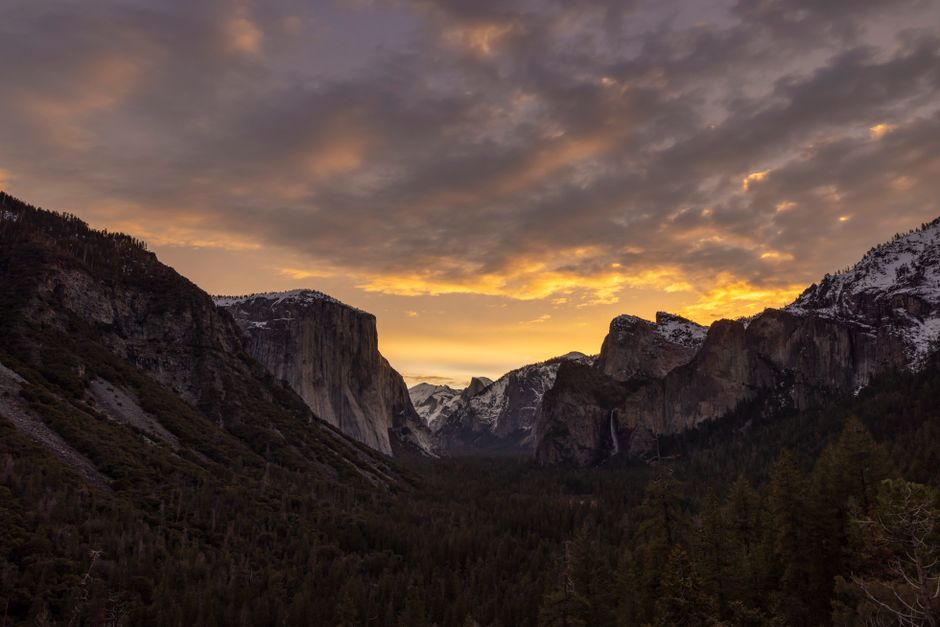
Moving south to the South Island, we arrive at Fiordland National Park – a place that truly lives up to its reputation as one of the most beautiful places on Earth. This vast wilderness is characterized by towering fiords (carved by glaciers millions of years ago), ancient rainforests, and cascading waterfalls. It's a landscape that's both dramatic and serene, offering a truly immersive experience in nature.
Milford Sound is undoubtedly the most famous attraction in Fiordland. Carved by glaciers, this stunning fiord is surrounded by steep cliffs, lush rainforests, and towering waterfalls. Taking a cruise on Milford Sound is an absolute must-do. As the boat glides through the calm waters, you'll be mesmerized by the sheer scale and beauty of the landscape. Keep an eye out for dolphins, seals, and penguins – they're often spotted frolicking in the fiord.
But Fiordland is so much more than just Milford Sound. Here are some other ways to explore this incredible park:
- Doubtful Sound: Larger and less crowded than Milford Sound, Doubtful Sound offers a more remote and tranquil experience. You can reach it by boat and bus, and overnight cruises are available.
- Hiking the Milford Track: This world-renowned multi-day hike takes you through stunning alpine scenery, lush rainforests, and past cascading waterfalls. Booking in advance is essential, as permits are limited.
- Kayaking: Explore the fiords at your own pace by kayak, paddling along the shoreline and discovering hidden coves.
- Exploring Te Anau: This charming town is the gateway to Fiordland National Park and offers a range of accommodation, restaurants, and activities.
I vividly remember kayaking in Doubtful Sound. The silence was broken only by the gentle lapping of the water against the kayak and the calls of native birds. The sheer scale of the fiords was humbling, and I felt incredibly small and insignificant in the face of such raw natural power. It's an experience I'll never forget.
Aoraki/Mount Cook National Park: Reaching for the Sky

For those who love mountains, Aoraki/Mount Cook National Park is a must-visit. Home to New Zealand's highest peak, Aoraki/Mount Cook, this park is a haven for climbers, hikers, and anyone who appreciates breathtaking alpine scenery. The park is characterized by towering snow-capped peaks, shimmering glaciers, and turquoise glacial lakes.
Even if you're not a seasoned climber, you can still experience the beauty of Aoraki/Mount Cook National Park. The Hooker Valley Track is a popular and relatively easy hike that takes you through stunning landscapes, past glacial lakes, and to a viewpoint overlooking Aoraki/Mount Cook. It's a great option for families and those looking for a scenic stroll.
Here are a few more things to see and do in Aoraki/Mount Cook National Park:
- Glacier Explorers: Take a boat trip on Tasman Lake and get up close to the towering Tasman Glacier, New Zealand's largest glacier.
- Sir Edmund Hillary Alpine Centre: Learn about the life and achievements of Sir Edmund Hillary, New Zealand's most famous mountaineer, at this informative museum.
- Stargazing: Aoraki/Mount Cook National Park is part of the Aoraki Mackenzie International Dark Sky Reserve, making it an ideal location for stargazing. The clear, unpolluted skies offer incredible views of the Milky Way and other celestial wonders.
I tried stargazing there once, and it was phenomenal. I'd never seen so many stars in my life! The Milky Way stretched across the sky like a river of light, and I felt like I could reach out and touch the constellations. It was a truly magical and humbling experience.
Abel Tasman National Park: Golden Beaches and Azure Waters

If you're craving a coastal escape, Abel Tasman National Park is the perfect choice. Located on the northern coast of the South Island, this park is renowned for its golden beaches, turquoise waters, and lush coastal forests. It's a paradise for kayaking, hiking, and swimming.
The Abel Tasman Coast Track is one of New Zealand's Great Walks, a multi-day hike that follows the coastline, offering stunning views of the beaches, bays, and forests. You can hike the entire track or choose to do shorter sections, combining hiking with kayaking or boat trips. There are also numerous campsites and huts along the track, allowing you to immerse yourself in the natural beauty of the park.
Beyond hiking, here are some other ways to enjoy Abel Tasman National Park:
- Kayaking: Explore the coastline at your own pace by kayak, paddling along the golden beaches and discovering hidden coves.
- Boat Trips: Take a boat trip to see the iconic Split Apple Rock, a unique geological formation, and explore the many bays and beaches.
- Swimming and Sunbathing: Relax on the golden beaches and soak up the sun, or take a refreshing dip in the turquoise waters.
- Wildlife Spotting: Keep an eye out for seals, dolphins, and a variety of native birds.
I spent a few days kayaking in Abel Tasman, and it was pure bliss. The water was crystal clear, and I could see all sorts of marine life swimming beneath my kayak. The beaches were pristine and secluded, and I felt like I had the whole park to myself. It was the perfect place to unwind and reconnect with nature.
Protecting Paradise: How You Can Help
These National Parks are precious, and it's up to all of us to help protect them. Here are a few things you can do to contribute:
- Leave No Trace: Pack out everything you pack in, stay on designated trails, and minimize your impact on the environment.
- Respect Wildlife: Observe animals from a distance and avoid feeding them.
- Support Conservation Efforts: Donate to conservation organizations or volunteer your time.
- Be a Responsible Tourist: Choose eco-friendly accommodation and tour operators, and support local businesses.
- Educate Yourself: Learn about the unique ecosystems and cultural heritage of the parks, and share your knowledge with others.
Every little bit helps. By making conscious choices and respecting the environment, we can ensure that these incredible National Parks continue to thrive for generations to come.
Final Thoughts: A Call to Adventure

New Zealand's National Parks are more than just beautiful landscapes; they're a testament to the power and resilience of nature. They offer a chance to escape the everyday, connect with the wild, and rediscover our place in the world. Whether you're a seasoned adventurer or a casual nature lover, there's a park waiting to capture your heart. So, what are you waiting for? Start planning your adventure today, and prepare to be amazed by the pristine wilderness of Aotearoa.
And remember, when you visit these incredible places, tread lightly, be respectful, and leave them as you found them – or even better! Arohanui (much love) and happy travels!
Post a Comment