New Zealand's Museums & Galleries: A Cultural Journey Through Aotearoa
New Zealand's Museums & Galleries: A Cultural Journey Through Aotearoa
Kia ora! Have you ever felt the pull of a place, a whisper of history and culture drawing you in? That's how I feel about New Zealand, or Aotearoa, as it's known in Māori. Beyond its stunning landscapes and thrilling adventures, lies a rich tapestry of stories woven through its museums and galleries. I've spent years exploring these cultural havens, and I want to share some of my favorite experiences and insights with you. Consider this your personal guide to uncovering the soul of New Zealand through its art and artifacts.
Delving into Māori Culture: A Spiritual Connection
My journey always begins with understanding the tangata whenua, the people of the land, the Māori. For me, it's essential to appreciate their deep connection to the land, their ancestors, and their vibrant traditions. The museums and galleries dedicated to Māori culture offer a truly immersive and respectful experience.
One of the most profound experiences I had was at the Te Papa Tongarewa Museum of New Zealand in Wellington. It's not just a museum; it's a national treasure. Their dedicated Māori section, "Te Marae Rongomaraeroa," is breathtaking. You are immediately struck by the sheer artistry of the carvings and weaving, each telling a story of creation, genealogy, and the spiritual realm.
I remember standing in front of a monumental waka (canoe), marveling at the craftsmanship and imagining the journeys undertaken by early Māori settlers. It's more than just observing; it's feeling a connection to their history. The exhibits explain the significance of taonga (treasures), highlighting the whakapapa (genealogy) and mana (prestige) associated with each piece. They also have superb marae (meeting grounds). I was fortunate enough to witness a formal welcome there, and it was deeply moving.
Here are some key things I learned and would recommend you focus on when exploring Māori exhibits:
- Whakapapa (Genealogy): Understand the importance of lineage and how it connects Māori to their ancestors and the land.
- Taonga (Treasures): Appreciate the cultural and spiritual value of these objects, recognizing that they are more than just artifacts.
- Mana (Prestige): Learn about the concept of mana and how it is associated with people, objects, and places.
Another place I highly recommend is the Auckland Museum Tāmaki Paenga Hira. It houses an extensive collection of Māori and Pacific artifacts. Its Māori Court is incredibly immersive, and I particularly enjoyed the interactive displays that explained the art of carving and weaving. The museum also hosts cultural performances, which bring the stories and traditions to life in a dynamic and engaging way.
Art Galleries: Showcasing Aotearoa's Creative Spirit
Beyond the historical artifacts, New Zealand's art galleries are a fantastic window into the country's contemporary creative scene. From indigenous art to modern masterpieces, these galleries showcase the diverse perspectives and artistic talents of Aotearoa.
The Auckland Art Gallery Toi o Tāmaki is a must-visit. It boasts an impressive collection of New Zealand and international art, including a significant holding of Māori and Pacific art. I especially enjoyed their exhibitions featuring contemporary Māori artists, who are pushing boundaries and reinterpreting traditional themes in innovative ways. I spent hours wandering through the galleries, lost in the beauty and thought-provoking nature of the artworks.
I discovered several artists whose work truly resonated with me. One was a contemporary Māori painter using traditional weaving patterns in a modern context. Her art expressed a profound connection to her ancestors while addressing modern social and environmental concerns. It was a beautiful blend of the past and the present, and it left a lasting impression on me. Don't be afraid to ask the gallery staff for recommendations or insights – they're usually very knowledgeable and passionate about the art on display.
If you find yourself in Christchurch, make sure to visit the Christchurch Art Gallery Te Puna o Waiwhetū. Reopened after the devastating earthquakes, it is a stunning architectural achievement in itself. Its collection is broad, encompassing both historical and contemporary works. I found their collection of Canterbury landscapes to be particularly captivating. They captured the rugged beauty and unique light of the region, giving me a deeper appreciation for the natural environment.
Exploring Regional Museums: Uncovering Local Stories

While the national museums offer a broad overview of New Zealand's history and culture, the regional museums provide a more intimate glimpse into the unique stories of local communities. These smaller museums often hold hidden gems and personal narratives that you won't find anywhere else. I've always loved discovering these smaller, more intimate institutions.
On a trip to the Coromandel Peninsula, I stumbled upon the Thames Historical Museum. It may not be as grand as Te Papa, but it was filled with fascinating artifacts and stories about the region's gold mining history. I learned about the lives of the early miners, their struggles and triumphs, and the impact of the gold rush on the local environment. It was a poignant reminder of the resourcefulness and resilience of the people who shaped the region.
Another memorable experience was visiting the Hokitika Museum on the West Coast of the South Island. The museum focuses on the region's history, including jade carving (pounamu) and gold mining. It also has exhibits about the shipwrecks that occurred along the treacherous coastline. The stories of these shipwrecks were captivating and a little chilling, giving me a newfound respect for the power of the ocean. The jade carving displays were particularly impressive, showcasing the skill and artistry of the local carvers.
Here are a few tips for making the most of your visit to regional museums:
- Talk to the locals: Museum staff and volunteers are often passionate about their local history and can offer valuable insights.
- Read the labels carefully: Pay attention to the details and look for the personal stories behind the artifacts.
- Take your time: Don't rush through the exhibits. Allow yourself to absorb the information and appreciate the unique history of the region.
Engaging with Contemporary Art: Pushing Boundaries and Sparking Dialogue
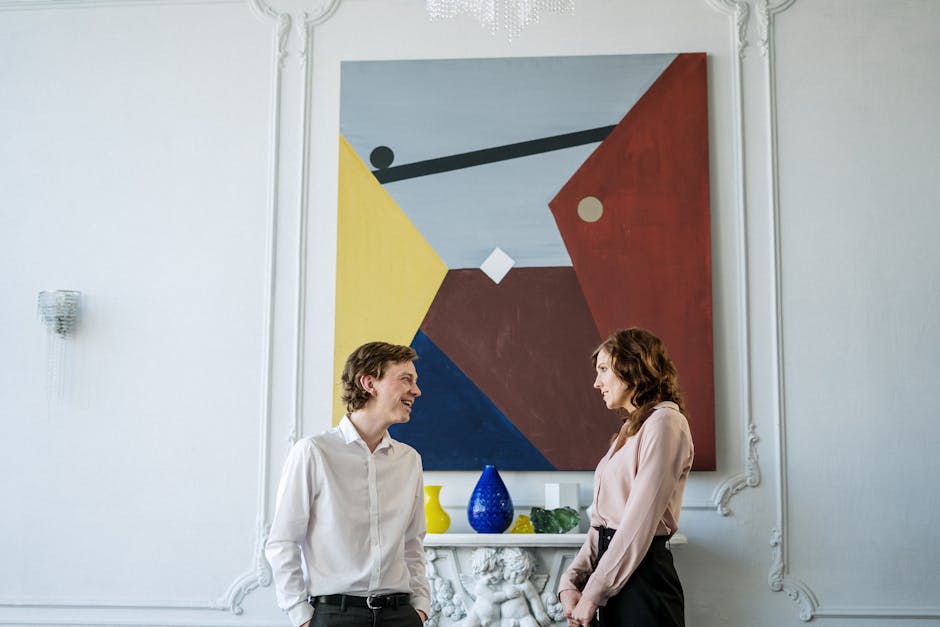
New Zealand's contemporary art scene is vibrant and diverse, reflecting the country's evolving identity and its place in the global community. From sculpture and painting to video art and performance, contemporary artists are pushing boundaries and sparking dialogue about important social and political issues. Visiting galleries that feature these artists is crucial to understanding modern Aotearoa.
The Dowse Art Museum in Lower Hutt, near Wellington, consistently features thought-provoking exhibitions of contemporary art. I was particularly impressed by an exhibition that explored the themes of environmental sustainability and the impact of climate change on New Zealand's landscapes. The artists used a variety of mediums to convey their message, from large-scale installations to intimate photographs, creating a powerful and moving experience.
I think it's also important to seek out smaller, independent galleries that support emerging artists. These galleries often offer a more experimental and cutting-edge approach to art, providing a platform for artists to explore new ideas and challenge conventional norms. Dealer Gallery in Wellington is one of the top spots for the most contemporary and cutting-edge art. It features some of the most challenging and interesting art in the country.
To fully engage with contemporary art, it's helpful to:
- Read the exhibition notes: These notes provide context and insight into the artist's intentions.
- Ask questions: Don't be afraid to ask gallery staff about the artwork or the artist.
- Be open-minded: Contemporary art can be challenging and unconventional, but it can also be deeply rewarding.
Beyond the Walls: Experiencing Art in Public Spaces
New Zealand's commitment to art and culture extends beyond the walls of museums and galleries. Public art installations can be found throughout the country, adding beauty and vibrancy to urban and rural landscapes. These artworks offer a unique opportunity to engage with art in everyday life, transforming ordinary spaces into places of inspiration and reflection. These are usually free, and often take you to interesting parts of the cities you're exploring.
In Auckland, I was captivated by the "Wind Tree" sculpture on the waterfront. This kinetic sculpture responds to the wind, creating a mesmerizing display of movement and light. It's a beautiful example of how art can enhance the urban environment and create a sense of wonder. Christchurch's post-earthquake rebuild also included an emphasis on public art installations, contributing to the city's recovery and revitalization.
I've also discovered some incredible sculptures tucked away in unexpected places, like a remote coastal walkway on the South Island. These unexpected encounters with art can be particularly rewarding, creating a sense of discovery and connection to the landscape.
To find public art in New Zealand, you can:
- Check local council websites: Many councils have information about public art installations in their area.
- Look for art trails: Some regions have designated art trails that highlight public artworks.
- Simply explore: Keep an eye out for unexpected art installations as you travel around the country.
Planning Your Cultural Journey: Tips and Resources

Planning your cultural journey through New Zealand's museums and galleries can be an exciting adventure. Here are a few tips and resources to help you make the most of your experience:
- Research beforehand: Check the websites of museums and galleries to learn about their collections, exhibitions, and opening hours.
- Purchase a Museums Aotearoa card: This card offers free or discounted entry to many museums across New Zealand.
- Consider guided tours: Guided tours can provide valuable insights and enhance your understanding of the exhibits.
- Allow plenty of time: Don't try to cram too much into one day. Give yourself ample time to explore and absorb the information.
- Be respectful of Māori culture: Learn about Māori customs and protocols before visiting cultural sites.
For specific museum details, visit the individual museum websites mentioned above, and also browse the Museums Aotearoa website for a comprehensive listing of museums throughout the country.
I hope this glimpse into New Zealand's museums and galleries has inspired you to embark on your own cultural journey. It's a chance to connect with the history, art, and spirit of this beautiful country. Remember to approach these cultural experiences with an open mind, a respectful heart, and a desire to learn. You might just discover something profound about yourself and the world around you.
Post a Comment