New Zealand's High Country: Where Vast Landscapes & Rugged Beauty Collide

New Zealand's High Country: Where Vast Landscapes & Rugged Beauty Collide
Okay, friend, let's talk about something truly magical – New Zealand's High Country. Picture this: endless rolling hills dusted with snow in winter, crystal-clear turquoise rivers carving through the land, and a sense of breathtaking isolation that just washes over you. I've been lucky enough to explore this region a few times, and honestly, it's hard to put the feeling into words. It's more than just scenery; it's an experience that gets under your skin and stays with you.
Discovering the Heart of New Zealand's High Country

What exactly is the High Country? Well, it's essentially the mountainous interior of the South Island of New Zealand. Think of it as the backbone of the island, running down its length. It's a land shaped by powerful geological forces, glaciers, and the persistent winds that whip across the Southern Alps. It's a place of dramatic contrasts – from the lush green valleys to the stark, rocky peaks.
The High Country isn't just one specific area; it's a broad term encompassing several regions, each with its own unique character. Some of the most well-known areas include:
- Canterbury High Country: This is probably what most people think of when they picture the High Country. Wide open spaces, sheep stations as far as the eye can see, and the iconic braided rivers.
- Mackenzie Country: Home to the breathtaking Lake Tekapo with its turquoise waters, the Church of the Good Shepherd, and the impressive Mount Cook (Aoraki) National Park. This is a must-see!
- Central Otago: Known for its dry climate, stark beauty, and world-class vineyards. Think rugged mountains meeting fertile valleys.
- Queenstown Lakes District: While famous for adventure tourism, the areas surrounding Queenstown also offer stunning High Country landscapes, especially as you head further inland.
The sheer scale of the High Country is something you really have to experience to believe. You can drive for hours without seeing another soul, just the vastness of the landscape stretching out before you. It's incredibly humbling.
A Landscape Shaped by Nature's Hand
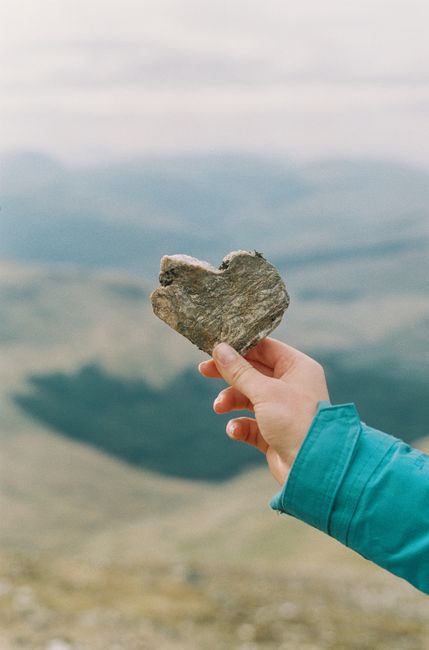
The High Country's beauty is a direct result of the forces that have shaped it over millions of years. The Southern Alps, formed by the collision of the Australian and Pacific tectonic plates, dominate the skyline. Glaciers have carved out deep valleys and left behind stunning lakes, while rivers have braided their way across the plains. The result is a landscape that's both incredibly dramatic and incredibly fragile.
Braided rivers are a particularly iconic feature. These rivers, like the Rangitata and the Rakaia, are characterized by multiple channels that weave and intertwine across a wide gravel bed. They're a unique ecosystem, supporting a variety of birdlife and plant species adapted to the constantly shifting environment. But they are also extremely sensitive to human impact, so it's important to tread carefully and respect their delicate balance.
Another key element of the High Country is its unique flora and fauna. Many of the plant and animal species found here are found nowhere else in the world, having adapted to the harsh conditions. Look out for the iconic tussock grasslands, the hardy alpine flowers, and the elusive kea, New Zealand's native alpine parrot (but be careful – they're known to be mischievous!).
Experiencing the Rugged Beauty Firsthand

Okay, so how do you actually experience the High Country? Well, there are so many ways, depending on your interests and comfort level. Here are a few of my favorites:
- Road Trips: This is probably the most accessible way to see the High Country. Rent a car (preferably one with good ground clearance) and hit the road! The scenic drives are simply incredible. Some must-do routes include:
- The Lindis Pass: A stunning drive through golden tussock grasslands, connecting the Mackenzie Basin with Central Otago. Stop at the Lindis Pass viewpoint for panoramic views.
- The Crown Range Road: One of the highest main roads in New Zealand, offering spectacular views of Queenstown and the surrounding mountains. Be prepared for some hairpin turns!
- The Dansey's Pass Road: A historic route that takes you through remote landscapes and past charming old gold mining towns.
- Hiking and Tramping: If you're up for a challenge, there are countless hiking and tramping opportunities in the High Country. From short day hikes to multi-day treks, there's something for everyone. Some popular options include:
- Hooker Valley Track (Mount Cook National Park): A relatively easy walk with incredible views of Mount Cook and the Hooker Glacier.
- Mueller Hut Route (Mount Cook National Park): A more challenging hike that rewards you with breathtaking panoramic views from Mueller Hut.
- Routeburn Track (Fiordland National Park/Mount Aspiring National Park): While technically on the edge of the High Country, this Great Walk offers stunning alpine scenery and diverse landscapes.
- Skiing and Snowboarding: In winter, the High Country transforms into a winter wonderland. There are several ski fields to choose from, offering everything from beginner-friendly slopes to challenging off-piste terrain.
- Stargazing: The Mackenzie Basin is an International Dark Sky Reserve, making it one of the best places in the world to see the stars. The lack of light pollution allows you to see the Milky Way in all its glory.
- Farm Stays: Experience the High Country way of life by staying on a working sheep station. You can learn about farming practices, participate in daily tasks, and enjoy the peace and quiet of the countryside.
No matter how you choose to explore the High Country, remember to be prepared. The weather can change quickly, so pack layers of clothing, sturdy shoes, and plenty of water. Let someone know your plans, and be aware of the potential hazards, such as river crossings and steep terrain.
The People of the High Country: A Resilient Spirit
The High Country isn't just about the landscape; it's also about the people who call it home. For generations, farmers and high-country families have carved out a living in this challenging environment. They're a hardy, resilient bunch, known for their resourcefulness, their strong sense of community, and their deep connection to the land.
Sheep farming is the backbone of the High Country economy. Large sheep stations, some spanning thousands of hectares, have been a feature of the landscape for over a century. These stations play a vital role in managing the land, preserving its unique character, and providing a livelihood for many families. You can often find opportunities to visit these farms or even stay for a few days, offering a genuine glimpse into High Country life.
The High Country has a rich history, too. The area was once inhabited by Māori, who used it as a hunting ground and a source of resources. European settlers arrived in the 19th century, drawn by the potential for sheep farming and gold mining. You can still see remnants of this history in the old gold mining towns and the historic homesteads scattered throughout the region.
Preserving the High Country for Future Generations

The High Country is a precious resource, and it's important that we protect it for future generations. The region faces a number of challenges, including:
- Intensification of farming: As demand for agricultural products increases, there's pressure to intensify farming practices, which can lead to environmental degradation.
- Introduced species: Pests like rabbits, deer, and wilding pines can wreak havoc on the native ecosystem.
- Climate change: The impacts of climate change, such as rising temperatures and changes in precipitation patterns, are already being felt in the High Country.
- Tourism pressure: The increasing popularity of the High Country as a tourist destination can put strain on its resources and infrastructure.
It's crucial that we find ways to balance economic development with environmental protection. Sustainable tourism practices, responsible farming methods, and active conservation efforts are all essential to preserving the High Country's unique character. Support local businesses that are committed to sustainability, respect the environment during your visit, and advocate for policies that protect this precious landscape.
My Personal Connection to the High Country

I remember the first time I drove through the Mackenzie Country. The sheer scale of the landscape just blew me away. The turquoise blue of Lake Tekapo, framed by the snow-capped Southern Alps, was a sight I'll never forget. It felt like stepping into a postcard.
I've hiked in Mount Cook National Park, skied at Coronet Peak, and spent evenings stargazing under the clear High Country skies. Each experience has left me with a deeper appreciation for the beauty and fragility of this remarkable place. The quiet solitude, the sense of adventure, and the raw power of nature are things I keep coming back for.
The High Country has a way of resetting your perspective. It reminds you of the importance of simplicity, resilience, and connection to the land. It's a place where you can truly escape the stresses of modern life and reconnect with yourself.
Planning Your Own High Country Adventure

If you're thinking about visiting the High Country, I highly recommend it. It's an experience you won't soon forget. Here are a few tips to help you plan your trip:
- Do your research: Learn about the different regions of the High Country and decide which ones you want to visit.
- Book accommodation in advance: Especially during peak season, accommodation can fill up quickly.
- Pack for all types of weather: The weather in the High Country can be unpredictable, so be prepared for anything.
- Rent a suitable vehicle: If you plan on exploring off-road areas, a 4WD vehicle is recommended.
- Respect the environment: Leave no trace, stay on marked trails, and avoid disturbing wildlife.
- Talk to the locals: They can offer valuable insights and tips on the best places to visit and things to do.
The New Zealand High Country is a place that will stay with you long after you've left. It's a place of vast landscapes, rugged beauty, and a spirit of resilience. It's a place where you can reconnect with nature, challenge yourself, and find a sense of peace and wonder. So, what are you waiting for? Start planning your adventure today!
Post a Comment