New Zealand's Gold Rush: Echoes of the Past, Sparkling Memories

New Zealand's Gold Rush: Echoes of the Past, Sparkling Memories
Hey there, history buffs and adventure seekers! Let's take a trip back in time, way back to the wild and woolly days of the New Zealand Gold Rush. I've always been fascinated by this period – the sheer grit, the untamed landscapes, and the dreams of striking it rich that drew people from all corners of the globe to this little corner of the world. It's a story of boom and bust, of fortunes won and lost, and it's one that still resonates today. I hope you enjoy this walk through the gold rush past.
The Spark Ignites: Finding Gold in Otago

The story, as many New Zealand stories do, begins in the South Island. Picture this: it's 1861, and Gabriel Read, a prospector armed with nothing but a shovel and unwavering determination, stumbles upon gold in a creek bed near Lawrence, Otago. This wasn't just a fleck or two; this was significant. Word spread like wildfire, and suddenly, Otago was the place to be. The creek became known as Gabriel's Gully, and overnight, a gold rush was born.
I can only imagine the excitement! Think about it – ordinary people, farmers, laborers, even academics, abandoning their lives and flocking to Otago, hoping to make their fortune. It must have been a chaotic, exhilarating, and frankly, quite smelly scene! Camps sprung up overnight, transforming quiet valleys into bustling towns practically overnight.
Of course, it wasn't all sunshine and gold nuggets. Life in these early mining camps was tough. Shelter was basic, often just tents or makeshift huts. Food was scarce and expensive. Sanitation was… well, let's just say non-existent. But the promise of wealth, the lure of gold, kept people going.
From Otago to the West Coast: A Golden Trail

The Otago gold rush wasn't a flash in the pan; it ignited a national gold fever. As the easily accessible gold in Otago started to dwindle, prospectors looked further afield. And where did they find it? On the rugged, rain-soaked West Coast of the South Island.
The West Coast gold rush was a different beast altogether. The terrain was incredibly challenging – dense forests, raging rivers, and steep mountains. Getting there was an ordeal in itself. But the stories of rich strikes kept the prospectors coming. Places like Hokitika, Greymouth, and Ross became boomtowns, attracting even more people than Otago had. They are still great places to visit today!
I remember reading accounts of miners having to literally hack their way through the bush, carrying all their equipment on their backs. They were incredibly resilient people, driven by a powerful dream. The West Coast's harsh environment definitely tested their limits.
Life in the Boomtowns: A Melting Pot of Cultures

The gold rushes transformed New Zealand society. The boomtowns were incredibly diverse places, attracting people from all over the world. You had experienced miners from California and Australia, adventurers from Europe, and even Chinese immigrants hoping to make a new life. This influx of people brought new ideas, new skills, and new cultures to New Zealand.
Imagine the language barriers, the cultural clashes, the different ways of doing things! Yet, amidst all the chaos, there was a sense of camaraderie. People were all in it together, facing the same challenges, driven by the same hope. Pubs and hotels became meeting places, where miners could share stories, exchange information, and maybe even celebrate a lucky strike.
These towns weren't just about gold; they were about building communities. Schools, churches, and hospitals were established, reflecting the desire for a more settled and civilized life, even in the midst of the gold rush. Some of the towns that were built during this time are still alive today!
The Impact on Maori: A Complex Legacy

It's impossible to talk about the New Zealand gold rush without acknowledging its impact on the Maori population. In some areas, the discovery of gold led to conflict over land and resources. Mining activities often disrupted traditional Maori practices and damaged sacred sites. The influx of settlers also brought diseases and social problems that had a devastating effect on Maori communities.
However, it's also important to remember that Maori weren't just passive victims of the gold rush. Many Maori people participated in the mining industry, working as laborers, guides, and suppliers. Some even formed their own mining companies. The relationship between Maori and Pakeha (European) during this period was complex and varied, shaped by local circumstances and individual interactions.
It's crucial that we acknowledge both the positive and negative aspects of this history, and that we learn from the mistakes of the past. I think this is extremely important when talking about this time.
Technological Innovations: Digging Deeper

As the easily accessible surface gold dwindled, miners had to find new ways to extract the precious metal. This led to a wave of technological innovation. Quartz mining, which involved crushing rock to extract gold, became increasingly important. Large-scale hydraulic mining, using powerful jets of water to wash away hillsides, was also introduced.
These new technologies were incredibly effective at extracting gold, but they also had a significant environmental impact. Rivers were polluted with silt and chemicals, and landscapes were scarred by massive excavations. It's a reminder that progress often comes at a cost, and that we need to be mindful of the environmental consequences of our actions.
I've seen some of the old mining equipment on display in museums, and it's incredible to think about the ingenuity and resourcefulness of the miners. They were constantly experimenting, adapting, and finding new ways to overcome the challenges they faced.
The End of the Rush: Boom to Bust

Like all gold rushes, the New Zealand gold rush eventually came to an end. The easily accessible gold was gone, and the cost of extraction increased. Many miners moved on to other opportunities, leaving behind abandoned towns and empty claims. The boom turned to bust, and the landscape slowly began to recover.
But the legacy of the gold rush remains. It shaped the economic, social, and political landscape of New Zealand. It brought infrastructure, population, and a sense of national identity. The gold rushes laid the foundations for the New Zealand we know today.
Visiting some of the old gold mining towns is like stepping back in time. You can still see the remnants of the old buildings, the tailings from the mines, and the graveyards where so many miners lost their lives. It's a humbling experience, and a reminder of the hardships and sacrifices that were made in the pursuit of gold.
Exploring the Gold Rush Today: Reliving the Past
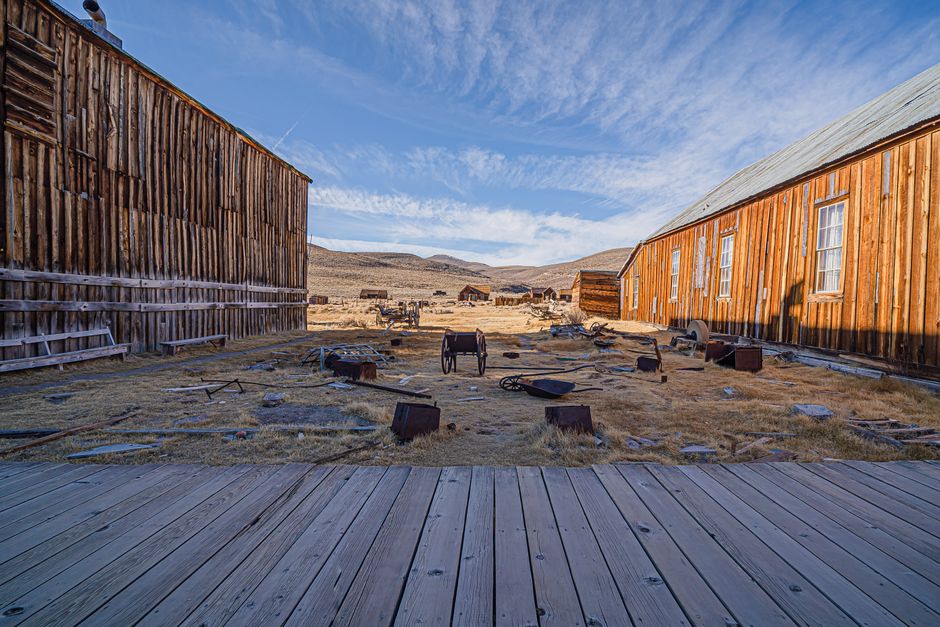
Want to experience the gold rush for yourself? Well, you can! There are several ways to explore New Zealand's gold rush history:
- Visit historic gold mining towns: Places like Arrowtown, Hokitika, and Waiuta have preserved their gold rush heritage. You can wander through the old streets, visit museums, and even try your hand at panning for gold.
- Take a scenic drive along the West Coast: The West Coast is a beautiful and dramatic region, with stunning scenery and a rich gold mining history. There are several scenic drives that will take you through old mining areas.
- Visit a gold mine: Some old gold mines have been converted into tourist attractions. You can take a guided tour, learn about the mining process, and even see some of the old equipment.
- Hike or bike along the gold rush trails: Many of the old mining trails have been preserved as hiking and biking trails. These trails offer a great way to explore the landscape and learn about the history of the gold rush.
Here are some specific places I'd recommend:
- Arrowtown: This charming town has retained much of its historic character. Visit the Lakes District Museum & Gallery to learn about the history of the gold rush.
- Shantytown Heritage Park (near Greymouth): A recreation of a 19th-century gold mining town. It's a bit touristy, but it gives you a good sense of what life was like in a boomtown.
- The Hokitika Gorge: Not directly related to gold mining, but a stunning natural attraction on the West Coast that's worth a visit.
- Waiuta Ghost Town: A truly remarkable preserved mining ghost town. This has to be on your list!
The Enduring Allure of Gold: Lessons from the Past

The New Zealand gold rush may be long over, but its story continues to fascinate us. It's a reminder of the power of dreams, the resilience of the human spirit, and the enduring allure of gold. It's also a reminder of the importance of sustainable development and the need to protect our environment.
I think the gold rush also speaks to our innate desire for adventure and the unknown. There's something incredibly appealing about the idea of striking it rich, of finding something valuable hidden beneath the surface. It taps into our sense of possibility and our belief that anything is possible.
So, next time you're in New Zealand, take some time to explore the gold rush history. Walk in the footsteps of the miners, imagine the chaos and excitement of the boomtowns, and reflect on the legacy of this transformative period in New Zealand's history. You might just discover a little bit of gold fever yourself! More than that, you might learn a bit about New Zealand, its history, and the resilient people who shaped this beautiful country.
And who knows, you might even find a few flecks of gold yourself! Happy travels!
Post a Comment