New Zealand's Colonial Architecture: A Journey Through Time and Timber

New Zealand's Colonial Architecture: A Journey Through Time and Timber
Hey there! Have you ever found yourself wandering through a place and felt like you were stepping back in time? That's exactly how I felt exploring New Zealand's colonial architecture. It's like the buildings themselves are whispering stories of settlers, dreams, and a whole new life in a faraway land. Let's take a peek together, shall we? It's more than just bricks and mortar; it's a tangible connection to New Zealand's past.
Why Colonial Architecture Matters: More Than Just Pretty Buildings

Okay, so why should we even care about old buildings? Well, for starters, they're beautiful! But more importantly, they're historical documents written in wood, stone, and iron. They tell us about the people who lived there, their values, their struggles, and their triumphs. They reveal the influences that shaped the nation's identity.
Think of it like this: imagine finding a diary from the 1800s. Wouldn't you be fascinated to learn about the daily life of the person who wrote it? Colonial architecture is like that diary, only much bigger and more public! It's a shared heritage that helps us understand where we come from and who we are today.
And let's be honest, these buildings add a certain charm and character to New Zealand's towns and cities that you just can't replicate with modern construction. They give a sense of place, a feeling of belonging, and a connection to the generations that came before us.
Key Architectural Styles: A Blend of Traditions
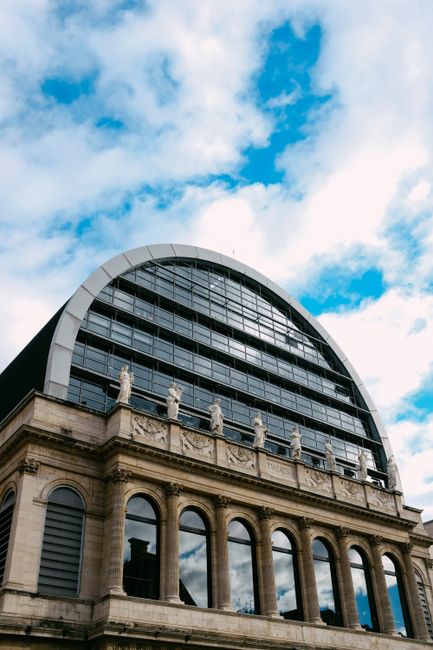
New Zealand's colonial architecture isn't a single, uniform style. It's a fascinating mix of different influences, primarily from Britain, but also incorporating elements from other parts of the world and, importantly, adapting to the unique New Zealand environment. Here are a few key styles you'll often encounter:
- Georgian: This style, popular in the early to mid-19th century, is characterized by its symmetry, balance, and restrained elegance. Think simple rectangular shapes, evenly spaced windows, and often a central doorway with a decorative pediment.
- Victorian: Ah, the Victorians! Their architecture is much more ornate than the Georgian style. Expect to see elaborate detailing, decorative ironwork, bay windows, and asymmetrical designs. There's a sense of grandeur and a love for ornamentation.
- Gothic Revival: Inspired by medieval churches and cathedrals, Gothic Revival buildings feature pointed arches, stained glass windows, and often a sense of verticality. They're generally used for religious or institutional purposes.
- Arts and Crafts: This style emphasizes handcrafted details and natural materials. You'll see exposed timber, intricate woodwork, and a focus on functionality and simplicity. It's a reaction against the mass-produced items of the Industrial Revolution.
It's important to remember that these styles often overlap and blend together. You might find a Victorian house with Gothic Revival elements, or a Georgian building with Arts and Crafts detailing. That's part of what makes New Zealand's colonial architecture so unique and interesting!
Materials and Construction: Adapting to the Land

One of the most fascinating aspects of New Zealand's colonial architecture is how settlers adapted their building techniques and materials to the local environment. They couldn't simply replicate the buildings they knew from back home; they had to work with what they had available.
Here are some key materials you'll see:
- Timber: Abundant and readily available, timber was the primary building material in New Zealand. Native timbers like Kauri and Totara were prized for their strength and durability. Wooden houses were common, ranging from simple cottages to grand Victorian mansions.
- Stone: Stone was also used, especially for public buildings and churches. Local stones like bluestone and limestone added a distinctive character to the architecture.
- Brick: Brick was often imported from Australia or made locally. Brick buildings were typically more expensive and therefore symbolized wealth and status.
Construction techniques also evolved over time. Early settlers often built simple, rudimentary structures using readily available materials. As the colony developed, more sophisticated techniques were introduced, and buildings became more elaborate and durable. The way these early settlers used and adapted the materials they found around them is nothing short of ingenious.
Iconic Buildings: Must-See Examples of Colonial Architecture

Now for the fun part! Let's talk about some specific buildings that showcase the beauty and diversity of New Zealand's colonial architecture. These are just a few examples, and there are countless other hidden gems to discover.
- The Old Government Buildings, Wellington: This massive wooden structure is one of the largest wooden buildings in the world and a stunning example of Victorian architecture. It was originally built to house government offices and is now part of Victoria University.
- Christchurch Cathedral, Christchurch: Although sadly damaged in the 2011 earthquake, Christchurch Cathedral remains a symbol of the city and a beautiful example of Gothic Revival architecture. The spire was a landmark for generations.
- Olveston Historic Home, Dunedin: This Jacobean-style mansion is a perfectly preserved time capsule of Edwardian life. Filled with original furnishings and artwork, it offers a fascinating glimpse into the lives of a wealthy Dunedin family.
- Highwic, Auckland: This Carpenter Gothic house is a charming example of domestic architecture from the mid-19th century. Its intricate woodwork and picturesque gardens make it a popular destination for visitors.
- The Treaty House, Waitangi: While not architecturally elaborate, the Treaty House holds immense historical significance. It's where the Treaty of Waitangi, New Zealand's founding document, was signed in 1840.
These buildings are just the tip of the iceberg. Every town and city in New Zealand has its own unique collection of colonial architecture, waiting to be explored. From grand cathedrals to humble cottages, each building tells a story about the people who built it and the community it served.
The Impact of Colonial Architecture on Māori Culture and Society

It's important to acknowledge that colonial architecture isn't just a story of European settlement. It also has a complex and often painful relationship with Māori culture and society. The arrival of European settlers and their architectural styles had a profound impact on Māori communities, sometimes displacing them and often overshadowing traditional Māori architecture and building practices.
While some Māori communities adopted European building techniques and incorporated them into their own structures, many others were forced to adapt to a new built environment that didn't reflect their values or traditions. The construction of colonial buildings often involved the appropriation of Māori land and resources, further exacerbating the inequalities between the two cultures.
Today, there's a growing awareness of the need to acknowledge and address the historical injustices associated with colonial architecture. Efforts are being made to incorporate Māori perspectives into the interpretation and preservation of heritage buildings, and to promote the revitalization of traditional Māori architecture and building practices. It's important that as we appreciate these historic buildings, we also acknowledge the full history and impact on the indigenous people of New Zealand.
Preservation and Conservation: Protecting Our Heritage

Many of New Zealand's colonial buildings are now protected by law, ensuring that they are preserved for future generations. Organizations like Heritage New Zealand Pouhere Taonga play a crucial role in identifying and protecting significant heritage sites, and in promoting the conservation of historic buildings.
However, preservation is an ongoing challenge. Many old buildings are in need of repair and restoration, and finding the resources to undertake this work can be difficult. There's also the challenge of balancing the need for preservation with the desire for modern development and progress. It's a delicate balancing act, but one that's essential to preserving New Zealand's unique cultural heritage.
As individuals, we can also play a role in preserving our architectural heritage. Supporting local heritage organizations, visiting historic sites, and advocating for the protection of old buildings are all ways we can contribute to the effort. We can also learn more about the history and significance of colonial architecture, and share that knowledge with others.
Exploring Colonial Architecture Today: Tips for Your Own Journey

Ready to embark on your own journey through New Zealand's colonial past? Here are a few tips to help you get started:
- Do your research: Before you visit a particular town or region, take some time to research its history and architectural highlights. Look for online resources, guidebooks, and local historical societies.
- Take a walking tour: Many towns offer guided walking tours that focus on their colonial architecture. These tours are a great way to learn about the history and significance of the buildings, and to discover hidden gems you might otherwise miss.
- Visit local museums and archives: Museums and archives often have exhibits and collections related to colonial architecture and history. They can provide valuable insights into the lives of the people who built and lived in these buildings.
- Look up! Don't just focus on the ground floor. Look up at the rooflines, the windows, and the decorative details. You'll be amazed at what you discover.
- Talk to locals: Locals are often a wealth of knowledge about the history and architecture of their town. Don't be afraid to strike up a conversation and ask them about their favorite old buildings.
- Take lots of pictures: Capture the beauty and detail of the colonial architecture you encounter. These pictures will serve as a reminder of your journey and a way to share your experiences with others.
The Future of Colonial Architecture: A Living Heritage
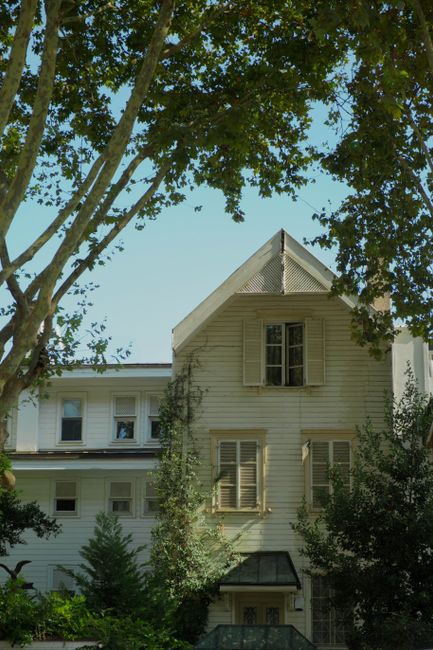
Colonial architecture is more than just a relic of the past; it's a living heritage that continues to shape New Zealand's identity and sense of place. By preserving and celebrating these buildings, we're not just protecting our history; we're also creating a vibrant and engaging future.
Imagine a future where historic buildings are seamlessly integrated into modern life, serving as homes, offices, museums, and community centers. Imagine a future where the stories of the past are brought to life through interactive exhibits, guided tours, and community events. Imagine a future where colonial architecture is used as a tool for education, reconciliation, and cultural understanding.
That future is within our reach. By embracing our architectural heritage and working together to preserve it, we can ensure that these buildings continue to inspire and enrich our lives for generations to come. It's a legacy worth protecting, and a journey worth taking. So, go explore! You might just find yourself falling in love with the beauty and history of New Zealand's colonial architecture, just like I did.
So, what are you waiting for? Go out there and discover the stories etched into the walls of New Zealand's colonial past! You won't regret it.
Post a Comment