New Zealand's Brave Footprint: Battlefields and Memorials of World Wars
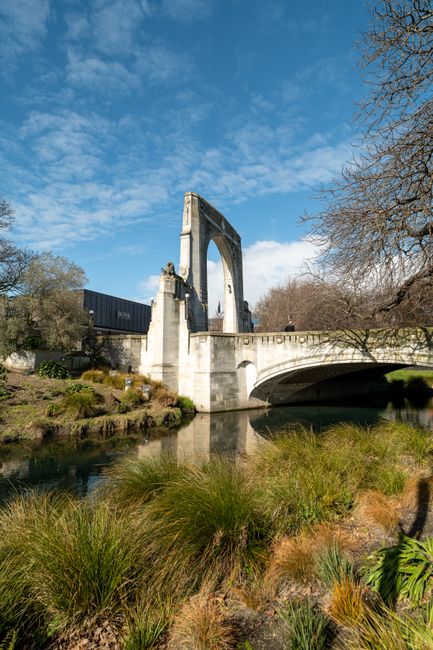
New Zealand's Brave Footprint: Battlefields and Memorials of World Wars
Hey there! Let's talk about something incredibly important and deeply moving: New Zealand's involvement in the World Wars. It's easy to overlook just how significantly this relatively small island nation contributed, and the sacrifices made by its people. Beyond the statistics, there are incredibly powerful stories etched into battlefields and memorials across the globe, and I want to share some of that with you.
A Nation Steps Up: New Zealand Joins the Fray

Think about it: New Zealand, a relatively young nation at the dawn of the 20th century, willingly and enthusiastically answered the call to arms not once, but twice, in two devastating World Wars. It wasn't about territorial gain or grand ambitions; it was, in their hearts, about defending their allies, upholding values, and preserving a world they believed in. This commitment, this almost unwavering sense of duty, is something that has always struck me. They punched well above their weight, and it's humbling to consider the impact of their contribution.
The motivations were complex, of course. Loyalty to Britain, the 'Mother Country,' played a significant role. But there was also a strong sense of adventure, a desire to see the world, and a belief in the righteousness of the cause. Enlistment rates were incredibly high, driven by passionate patriotism and a sense of collective responsibility. Imagine the societal impact – entire communities were depleted as young men (and sometimes women) left to fight in distant lands.
World War I: Gallipoli and the Western Front

Gallipoli. The name alone evokes a profound sense of tragedy and sacrifice. It was New Zealand's first major military engagement on a global scale, and it shaped the nation's identity in ways that are still felt today. The campaign was a disaster, a poorly planned and executed attempt to capture the Dardanelles Strait. But amidst the chaos and carnage, the New Zealanders (alongside their Australian, British, and other Allied comrades) displayed extraordinary courage and resilience.
I've read countless accounts of the landings at Anzac Cove – the harrowing scramble ashore under withering fire, the desperate fighting in the trenches, the constant threat of snipers and artillery. It was a living hell. And yet, the Kiwis held their ground, displaying a tenacity and bravery that earned them the respect of their allies and even their enemies. The sheer futility of the campaign, combined with the immense loss of life, makes Gallipoli a particularly poignant reminder of the horrors of war.
The statistics are staggering. Thousands of New Zealanders lost their lives at Gallipoli, a significant percentage of the country's young male population. The impact on families back home was devastating. Every town and village mourned the loss of sons, brothers, fathers, and husbands. The Gallipoli campaign became a cornerstone of New Zealand's national identity, a symbol of courage, sacrifice, and the enduring bonds of mateship.
Beyond Gallipoli, New Zealanders also fought with distinction on the Western Front. Imagine the mud, the trenches, the constant bombardment, the unimaginable horrors of trench warfare. Places like the Somme, Passchendaele, and Messines Ridge became killing fields, claiming the lives of thousands more New Zealanders. They fought in some of the most brutal and costly battles of the war, facing unimaginable conditions with unwavering determination. Their contributions were vital to the Allied war effort, and their sacrifices should never be forgotten.
It's important to remember the details of their service:
- The Somme: Fought fiercely and suffered heavy casualties.
- Passchendaele: Endured horrific conditions in the muddy, waterlogged trenches.
- Messines Ridge: Played a key role in the successful capture of the ridge.
These are more than just names on a map; they represent the final resting place for countless young men who gave their lives for a cause they believed in.
World War II: A Global Conflict

The Second World War brought even greater challenges and demanded even more from New Zealand. This time, the conflict was truly global, spanning Europe, Africa, and the Pacific. New Zealanders found themselves fighting on multiple fronts, defending freedom and democracy against the Axis powers.
The focus shifted beyond Europe. The threat of Japanese expansion in the Pacific brought the war closer to home. New Zealand played a crucial role in the Pacific theater, defending its own territory and supporting Allied efforts to push back against the Japanese advance. Imagine the fear and uncertainty that must have gripped the nation as the enemy drew closer.
New Zealanders served in a variety of roles during World War II:
- Army: Fought in North Africa, Italy, and the Pacific.
- Navy: Patrolled the seas, escorting convoys and engaging in naval battles.
- Air Force: Provided air support for ground troops and conducted bombing raids.
One particular area where New Zealand played a vital role was in North Africa and Italy. The New Zealand Division fought with distinction in these campaigns, earning a reputation for bravery and skill. Battles like El Alamein and Monte Cassino became legendary, showcasing the courage and resilience of the Kiwi soldiers. Imagine fighting in the harsh desert conditions of North Africa or the rugged mountains of Italy, facing a determined enemy and enduring constant hardship. These soldiers displayed remarkable fortitude and commitment to their mission.
Battlefields as Hallowed Ground: Remembering the Fallen
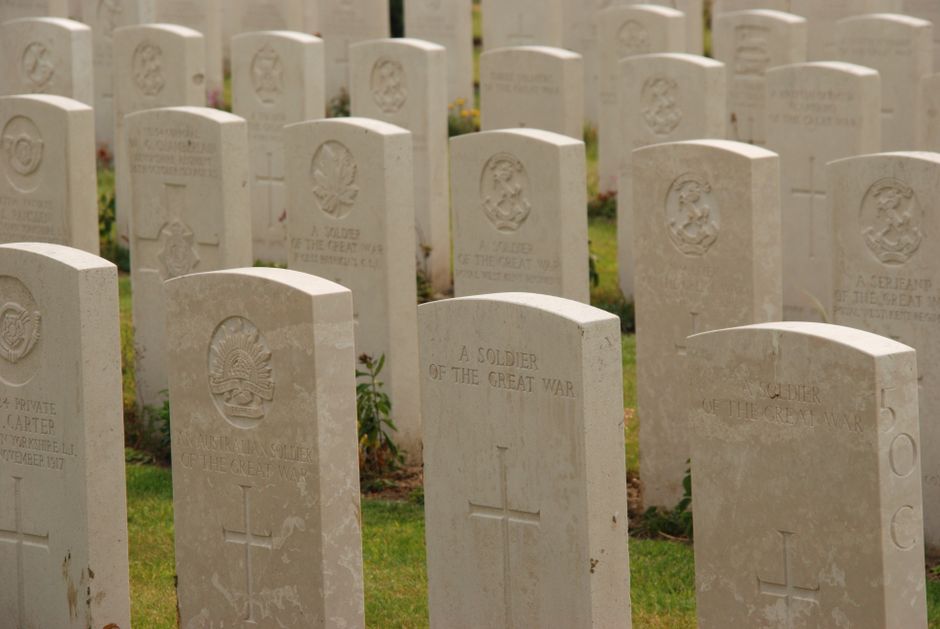
Visiting the battlefields where New Zealanders fought and died is a profoundly moving experience. These sites are not just historical landmarks; they are hallowed ground, imbued with the memories of those who sacrificed everything. Walking through the trenches at Gallipoli or standing on the slopes of Monte Cassino is a powerful reminder of the human cost of war.
The battlefields serve as a tangible connection to the past, allowing us to better understand the experiences of those who fought there. You can almost feel the echoes of the past, hear the sounds of battle, and imagine the emotions of the soldiers who faced unimaginable horrors. It's a humbling and deeply affecting experience.
Many organizations offer guided tours of these battlefields, providing valuable insights into the historical context and the individual stories of the soldiers who fought there. These tours can enhance your understanding and appreciation of the sacrifices made by New Zealanders and their allies.
Memorials: Honoring the Sacrifice
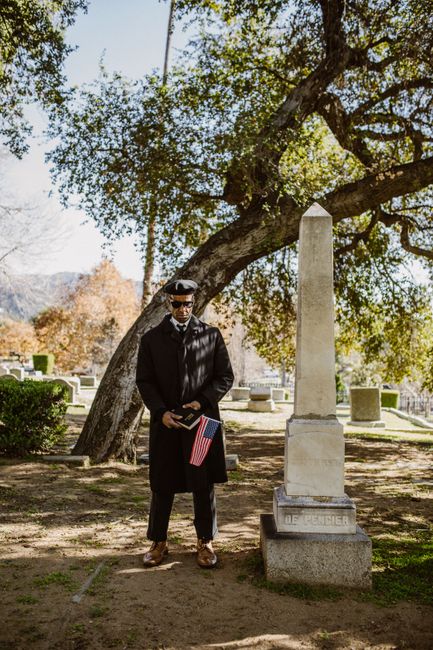
Memorials stand as enduring tributes to the men and women who served and sacrificed in the World Wars. They are places of remembrance, reflection, and gratitude. From small town cenotaphs to grand national monuments, these memorials serve as a constant reminder of the human cost of conflict and the importance of peace.
New Zealand memorials can be found all over the world, marking the sites of significant battles and honoring the fallen. These memorials are often simple and understated, reflecting the New Zealand character. They are places where people can come to pay their respects, lay wreaths, and reflect on the sacrifices made by previous generations.
Here are a few important memorials to note:
- The National War Memorial, Wellington: The primary national place of remembrance in New Zealand.
- Gallipoli Peninsula, Turkey: Site of the Gallipoli Campaign and numerous memorials.
- Le Quesnoy, France: A town liberated by New Zealand troops in World War I, with strong ties to New Zealand.
These memorials are not just stone and bronze; they are living symbols of remembrance. They serve as a bridge between the past and the present, reminding us of the importance of peace and the need to learn from history.
Keeping the Memory Alive: Education and Remembrance
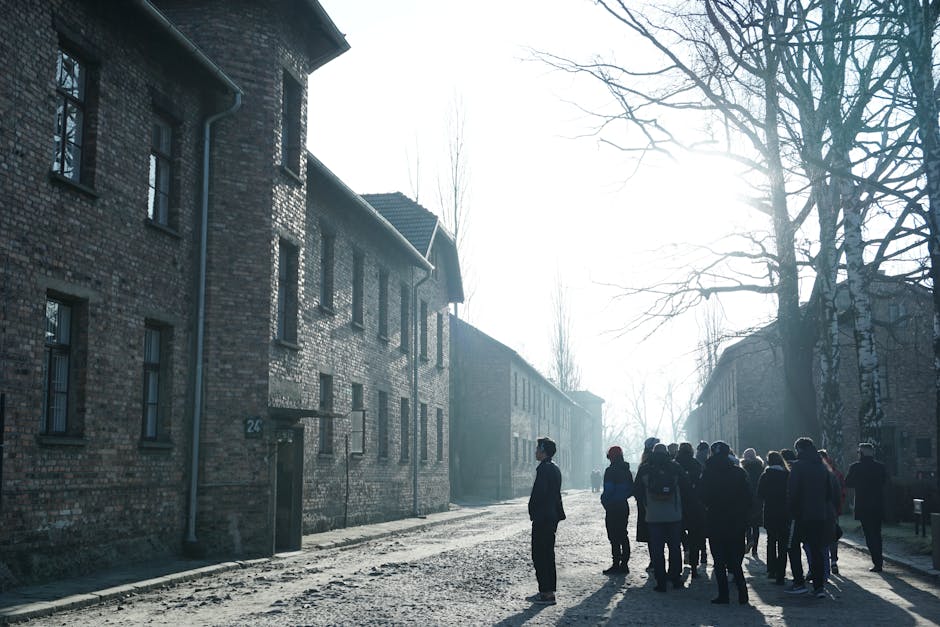
It is crucial that we continue to educate future generations about New Zealand's role in the World Wars. By teaching them about the sacrifices made by their ancestors, we can ensure that the memory of these events is never forgotten. This includes visiting battlefields and memorials, reading historical accounts, and engaging in meaningful discussions about the impact of war.
There are many ways to keep the memory alive:
a. Educational programs: Schools and universities can incorporate the study of the World Wars into their curriculum.
b. Commemorative events: Anzac Day (April 25th) is a national day of remembrance in New Zealand and Australia, commemorating the landing at Gallipoli.
c. Oral histories: Collecting and preserving the stories of veterans and their families can provide valuable insights into the experiences of those who lived through the wars.
By actively engaging in remembrance activities, we can ensure that the sacrifices of the past are not forgotten and that future generations learn from the lessons of history. Remembering these events is not just about honoring the dead; it's about building a more peaceful and just world for future generations.
Personal Reflections: Why This Matters

For me, learning about New Zealand's role in the World Wars is not just a historical exercise; it's a deeply personal experience. It's about connecting with my own heritage, understanding the values that shaped my nation, and honoring the sacrifices of those who came before me. It's about recognizing the resilience and courage of ordinary people who faced extraordinary challenges. And it's about reaffirming my commitment to peace and understanding in a world that is still too often marred by conflict.
These stories remind us that war is not just a distant event in history books; it's a human tragedy that has a profound impact on individuals, families, and communities. By remembering the past, we can learn from our mistakes and work towards a future where such conflicts are no longer necessary.
So, let's continue to remember, to learn, and to honor the legacy of those who served. Let's ensure that their sacrifices were not in vain and that their memory lives on in the hearts and minds of future generations. It's the least we can do.
Post a Comment