New Zealand's Best Rock Climbing & Bouldering: A Climber's Paradise Unveiled

New Zealand's Best Rock Climbing & Bouldering: A Climber's Paradise Unveiled
Hey there, fellow climbing enthusiasts! If you're anything like me, the thrill of scaling a rock face, the challenge of problem-solving with your body, and the incredible views from the top are totally addictive. And let me tell you, when it comes to epic climbing destinations, New Zealand is right up there with the best in the world. Seriously, it's a climber's dream come true! I've spent a fair bit of time exploring the crags and boulders of Aotearoa, and I'm excited to share my personal favorites with you. So, grab your harness, chalk up, and let's dive into some of New Zealand's best spots for rock climbing and bouldering.
1. Castle Hill: A Bouldering Wonderland

Oh, Castle Hill. Where do I even begin? This place is pure magic. Imagine vast fields dotted with massive limestone boulders, sculpted by nature into the most incredible shapes. It's not just a bouldering area; it's a landscape that feels almost otherworldly. Located in the Canterbury region of the South Island, about an hour and a half west of Christchurch, Castle Hill is a must-visit for any boulderer, regardless of skill level.
What I love most about Castle Hill is the sheer variety of problems. You'll find everything from gentle slabs perfect for beginners to seriously overhanging roofs that will test even the most seasoned climbers. The rock is generally excellent, with plenty of holds and features to work with. And the setting? Well, let's just say you'll be snapping photos between attempts, guaranteed.
Things to Consider:
- Weather: Castle Hill can be exposed, so be prepared for all types of weather. Even in summer, it can get chilly, especially in the evenings. Layering is key!
- Respect the Environment: Castle Hill is a culturally significant site for the local Māori people (Ngāi Tūāhuriri). Please be respectful of the land and its history. Pack out all your trash and stick to established trails.
- Crash Pads: Definitely bring plenty of crash pads! The landings can be uneven, and you'll want to protect yourself.
- Access: Access is generally open, but it's always a good idea to check the latest information with the New Zealand Alpine Club (NZAC).
2. Paynes Ford: Sport Climbing Bliss

Okay, now let's switch gears and head to Paynes Ford, located in the stunning Golden Bay region of the South Island. This area is a sport climbing paradise, boasting over 400 bolted routes on beautiful limestone cliffs. From what I've seen, this is where many aspiring climbers cut their teeth, and learn how to climb in a safe environment.
Paynes Ford has something for everyone, from beginner-friendly 5s and 6s (in the New Zealand grading system, which is similar to the French system) to challenging 7s and 8s that will push your limits. The routes are generally well-maintained and the rock quality is excellent. Plus, the views of the surrounding countryside are absolutely breathtaking. Imagine clipping bolts while surrounded by lush green hills and sparkling blue water – pretty awesome, right?
Tips for Climbing at Paynes Ford:
- Gear: You'll need a standard sport climbing setup, including a rope (at least 60 meters is recommended), quickdraws, harness, belay device, and helmet.
- Guidebook: A guidebook is essential for navigating the crag and finding the routes you want to climb. The local climbing shop in Takaka will have one.
- Accommodation: There are plenty of camping and accommodation options in the nearby town of Takaka.
- Local Etiquette: Be mindful of other climbers and avoid hogging routes. Also, make sure to clean up after yourself and leave the crag in good condition.
3. Wanaka: Adventure Climbing with a View

Wanaka! Oh, how I love Wanaka. It's not just a climbing destination; it's an adventure hub. Nestled on the shores of a stunning lake, surrounded by towering mountains, Wanaka offers a climbing experience that is both challenging and incredibly rewarding. The climbing here is diverse, ranging from sport routes to trad climbs to alpine adventures. The best thing? You can easily combine your climbing with other activities like hiking, kayaking, and mountain biking.
One of my favorite climbing areas near Wanaka is Hospital Flat. It's a mixed crag offering both sport and trad routes on solid schist rock. The routes here range in difficulty from beginner-friendly to challenging, so there's something for everyone. And the views? Absolutely spectacular!
Must-Knows for Wanaka Climbing:
- Experience: Wanaka is a great place to test your skills and push your limits. Because of this, having climbing experience is vital, no matter where you go in the country.
- Conditions: The weather in Wanaka can be unpredictable, so be prepared for all types of conditions. It's always a good idea to check the forecast before heading out and to pack layers of clothing.
- Guiding: If you're new to trad climbing or alpine climbing, consider hiring a local guide. They can provide valuable instruction and ensure your safety.
- Respect the Environment: As with all climbing areas, it's important to respect the environment and leave no trace. Pack out all your trash and stick to established trails.
4. Whanganui Bay: Lakeside Bouldering Perfection
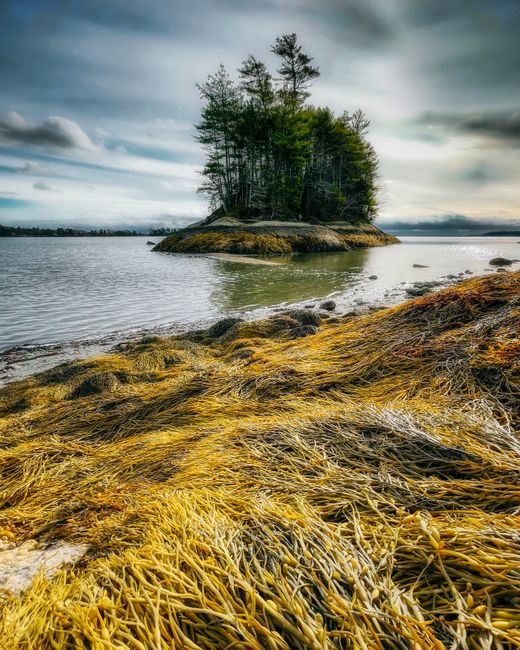
For a more relaxed and scenic bouldering experience, head to Whanganui Bay on the shores of Lake Taupo in the North Island. This area is known for its smooth, volcanic boulders that offer a unique and enjoyable climbing experience. What's more, you can easily set up camp next to the lake.
The bouldering at Whanganui Bay is generally considered to be beginner-friendly to intermediate, with plenty of problems in the V0 to V4 range. The rock is grippy and the landings are generally flat, making it a great place to learn the ropes (or, in this case, no ropes!). And the views of the lake and surrounding mountains are simply stunning.
Things to Keep in Mind:
- Access: Access to Whanganui Bay is generally easy, but it's always a good idea to check with the local i-SITE visitor information center for the latest updates.
- Swimming: Take advantage of the lake! After a hard day of climbing, take a refreshing dip in Lake Taupo.
- Sandflies: Be prepared for sandflies! These pesky insects can be annoying, especially in the evenings. Bring insect repellent.
- Cleanliness: Leave the area as you found it. Pack out all your trash and respect the natural environment.
5. Mount Maunganui: Coastal Cragging with a View

Mount Maunganui, or "The Mount" as the locals call it, is an iconic landmark on the Bay of Plenty coastline. It's also home to some fantastic climbing! The climbing here is primarily sport climbing on volcanic rock, with routes ranging in difficulty from beginner-friendly to challenging. The setting is simply spectacular, with panoramic views of the ocean and the surrounding coastline.
The climbing at Mount Maunganui is unique. The rock is rough and textured, providing excellent friction. The routes are generally short and steep, offering a good workout. And the views from the top? Unforgettable! After a good day of climbing, treat yourself to some fish and chips at one of the nearby cafes.
Considerations for Climbing at Mount Maunganui:
- Tides: Be aware of the tides! Some of the routes are located close to the water, and may be inaccessible at high tide.
- Sun Exposure: The Mount can be very exposed to the sun, so be sure to bring plenty of sunscreen, water, and a hat.
- Footwear: Wear sturdy shoes, as the walk to the climbing area can be rocky and uneven.
- Local Regulations: Be aware of any local regulations regarding climbing on The Mount. Check with the local i-SITE visitor information center for the latest information.
6. Arapiles (Technically in Australia, But Worth the Trip!)
Okay, okay, I know what you're thinking: "Arapiles is in Australia!" And you're absolutely right. But hear me out! If you're planning a climbing trip to New Zealand, and you're looking for an unforgettable experience, consider adding a side trip to Mount Arapiles in Victoria, Australia. It's just a short flight across the Tasman Sea, and trust me, it's worth it!
Mount Arapiles is a world-renowned climbing destination, offering hundreds of routes on stunning sandstone cliffs. The climbing here is diverse, ranging from beginner-friendly slabs to challenging multi-pitch routes. The setting is simply breathtaking, with panoramic views of the surrounding countryside. I'm including it here because it's the kind of place that every climber should experience at least once in their life.
Why Include Arapiles?
- World-Class Climbing: Arapiles is home to some of the best climbing in the world, attracting climbers from all over the globe.
- Diverse Routes: There's a route for every skill level, from beginner to expert.
- Stunning Scenery: The views from the top of Arapiles are simply incredible.
- Community: The climbing community at Arapiles is welcoming and supportive.
7. Remember to Pack Your Sense of Adventure

More than specific locations, remember to bring your adventurous spirit to New Zealand. There are hundreds of hidden gems, lesser-known crags, and untouched boulders waiting to be discovered. Don't be afraid to get off the beaten path, explore new areas, and talk to the locals. You never know what amazing climbing experiences you might find! And most importantly, always prioritize safety, respect the environment, and have fun!
So there you have it – my personal guide to some of the best rock climbing and bouldering spots in New Zealand (and a bonus trip to Australia!). I hope this article has inspired you to plan your own climbing adventure to this incredible corner of the world. Happy climbing, and I'll see you at the crag!
Post a Comment