New Zealand's Alpine Wonders: Life on the Edge

New Zealand's Alpine Wonders: Life on the Edge
Hey there! Ever wondered what it's like for plants and animals to live way up high, clinging to life in some of the most challenging conditions on Earth? Well, let's take a trip to New Zealand's alpine regions. It's a place of breathtaking beauty, but also a real test of endurance. I've always been captivated by how life finds a way, and New Zealand's alpine flora and fauna are prime examples of that resilience. They're truly masters of survival against the odds.
A World Above the Trees: Introducing New Zealand's Alpine Zone

Picture this: rugged mountains, snow-capped peaks, and vast, open landscapes stretching as far as the eye can see. That's New Zealand's alpine zone. It's defined by the treeline, that point where trees can no longer survive due to the harsh conditions. Above that line, you enter a world where only the toughest plants and animals can make a living.
The key challenges here are extreme:
- Low Temperatures: Freezing temperatures are common, especially in winter, and frost can occur even in summer.
- High Winds: Exposed peaks are buffeted by strong winds, which can damage plants and lead to rapid desiccation.
- Intense UV Radiation: The thin atmosphere at high altitudes provides less protection from the sun's harmful rays.
- Short Growing Season: The window for growth and reproduction is limited to a few precious months.
- Poor Soil: Alpine soils are often thin, nutrient-poor, and unstable, making it difficult for plants to establish themselves.
Despite these hardships, life persists – and thrives – in its own unique way.
Alpine Flora: Masters of Adaptation
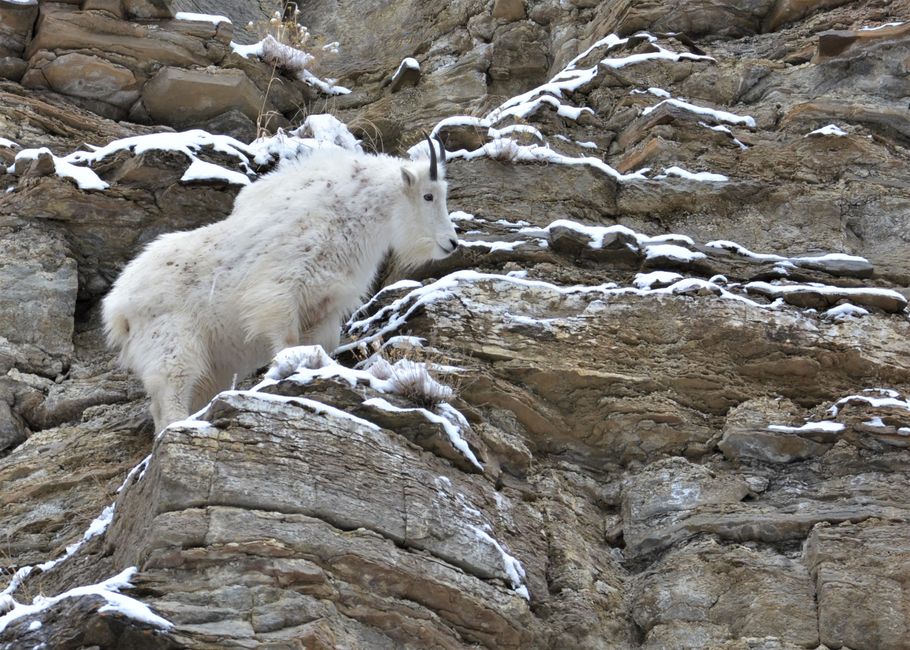
The plants that manage to survive in this environment have developed some incredible adaptations. They're not just making do; they're flourishing in their own understated way. I've always found them particularly inspiring.
Here are a few of the key adaptations you'll find:
1. Cushion Plants: These low-growing, tightly packed plants form dense mats that hug the ground. Their dense structure provides insulation against the cold and wind, and the dark color helps to absorb sunlight for warmth. Think of them as nature's own little radiators.
2. Hairiness: Many alpine plants have hairy leaves and stems. This hair traps a layer of air next to the plant's surface, providing insulation and reducing water loss. It also helps to reflect some of the intense UV radiation.
3. Rosette Forms: Some plants grow in a rosette shape, with leaves radiating outwards from a central point. This helps to protect the growing bud from the elements and can also trap warmth.
4. Underground Storage: Alpine plants often store energy and nutrients in underground bulbs, rhizomes, or tubers. This allows them to survive harsh winters and quickly regrow when conditions improve.
5. Vibrant Colors: Don't be fooled into thinking alpine flowers are drab! Many species boast intensely bright colors, attracting the few pollinators that brave the high-altitude conditions. These colors are often enhanced by high UV radiation levels.
Some standout examples of alpine flora include:
a. Mountain Daisies (Celmisia): These iconic plants are incredibly diverse, with over 60 species found in New Zealand. They come in a range of shapes and sizes, but they all share the characteristic daisy-like flower and silvery-green foliage.
b. Snow Tussocks (Chionochloa): These tough grasses dominate many alpine grasslands, providing important habitat for wildlife. They're incredibly resilient and can withstand heavy snow and strong winds.
c. Edelweiss (Leontopodium): While more famously associated with the European Alps, some species of edelweiss relatives can be found in New Zealand's alpine regions. Their fuzzy, white flowers are a real treat to see.
d. Vegetable Sheep (Raoulia): These fascinating plants form dense, cushion-like mounds that resemble sheep from a distance. They're incredibly slow-growing and can live for hundreds of years.
Alpine Fauna: Tough Creatures in a Tough Environment
The animal life in New Zealand's alpine zone is just as fascinating as the plant life. These creatures have also developed unique adaptations to survive the extreme conditions. From birds to insects to reptiles, they all play a vital role in the alpine ecosystem.
Here are some of the key adaptations seen in alpine fauna:
1. Insulation: Many alpine animals have thick fur or feathers to provide insulation against the cold. They also often have a layer of fat for extra warmth.
2. Burrowing: Some animals, like certain insects and lizards, burrow underground to escape the harsh conditions and find refuge from predators.
3. Camouflage: Many alpine animals have camouflage that helps them blend in with their surroundings, providing protection from predators and allowing them to ambush prey.
4. Migration: Some birds migrate to lower altitudes during the winter to escape the extreme cold and find food.
5. Reduced Activity: Some animals, like insects, become less active during cold periods to conserve energy.
Let's meet some of the residents:
a. Kea (Nestor notabilis): Arguably New Zealand's most famous alpine bird, the Kea is a large, intelligent parrot known for its cheeky personality and mischievous behavior. They are incredibly adaptable and can survive in a wide range of habitats, but they are particularly well-suited to the alpine environment. Unfortunately, they are now endangered and face ongoing threats. I remember seeing them tearing apart a car antenna once – definitely a memorable encounter!
b. Rock Wren (Xenicus gilviventris): This tiny, flightless bird is a true alpine specialist. It lives its entire life above the treeline, hopping amongst the rocks and tussocks in search of insects. They build their nests in rock crevices to protect them from the elements.
c. Alpine Grasshopper (Sigaus australis): These hardy insects are specially adapted to survive the cold and wind of the alpine zone. They are often found basking in the sun on rocks to warm themselves up.
d. Skinks (Oligosoma spp.): Several species of skinks can be found in New Zealand's alpine regions. They are cold-blooded reptiles, so they rely on the sun to warm themselves up. They are often seen basking on rocks or hiding under vegetation.
e. Weta (Deinacrida spp.): While not exclusively alpine, some species of weta (large, flightless insects) can be found in the alpine zone. They are nocturnal and spend the day hiding under rocks or logs. They are important herbivores, feeding on a variety of plants.
Threats to the Alpine Environment

Sadly, even these hardy plants and animals are facing increasing threats. The delicate balance of the alpine ecosystem is vulnerable to several factors:
1. Introduced Species: Invasive plants and animals can outcompete native species and disrupt the ecosystem. Deer and rabbits, for instance, graze heavily on alpine vegetation, preventing regeneration and damaging habitats. Stoats and rats prey on native birds and insects.
2. Climate Change: Rising temperatures and changes in precipitation patterns are already affecting alpine ecosystems. The treeline is slowly moving upwards, encroaching on alpine habitats. Snow cover is decreasing, impacting plants and animals that rely on it. Increased frequency of extreme weather events like droughts and floods further stress the environment.
3. Tourism and Recreation: While tourism can bring economic benefits, it can also have negative impacts on alpine ecosystems. Trampling of vegetation, disturbance of wildlife, and litter can all damage these fragile environments.
4. Habitat Loss and Fragmentation: Development of infrastructure, such as roads and ski fields, can lead to habitat loss and fragmentation, isolating populations of plants and animals and making them more vulnerable to extinction.
Protecting New Zealand's Alpine Heritage

It's crucial that we take steps to protect New Zealand's unique alpine environment for future generations. Here are a few things we can do:
1. Control Introduced Species: Ongoing efforts are needed to control populations of invasive plants and animals. This includes trapping and poisoning programs, as well as biological control measures.
2. Mitigate Climate Change: Reducing greenhouse gas emissions is essential to slow down the rate of climate change and protect alpine ecosystems. This requires global cooperation and individual actions to reduce our carbon footprint.
3. Promote Responsible Tourism: We need to promote responsible tourism practices that minimize the impact on alpine ecosystems. This includes staying on designated trails, avoiding disturbing wildlife, and packing out all rubbish.
4. Protect Habitats: We need to protect existing alpine habitats from further development and fragmentation. This includes establishing protected areas, such as national parks and reserves, and implementing land-use planning policies that prioritize conservation.
5. Education and Awareness: Raising awareness about the importance of alpine ecosystems and the threats they face is crucial. This includes educating the public about responsible tourism practices and the impacts of climate change.
Experiencing the Alpine Wonders Respectfully

I truly believe that experiencing the beauty of New Zealand's alpine areas firsthand is one of the best ways to appreciate their value. But it's important to do so responsibly. When you visit:
- Stick to marked trails: Wandering off trail can damage fragile vegetation and disturb wildlife.
- Leave no trace: Pack out everything you pack in, including food wrappers, bottles, and cigarette butts.
- Respect wildlife: Observe animals from a distance and avoid feeding them.
- Be aware of the weather: Alpine weather can change rapidly, so be prepared for all conditions.
- Learn about the local flora and fauna: Knowing what you're looking at can enhance your appreciation and understanding of the environment.
Final Thoughts: An Inspiration from Above

New Zealand's alpine flora and fauna are a testament to the resilience and adaptability of life. They face immense challenges, but they have evolved incredible strategies to survive and thrive in their harsh environment. By understanding the threats they face and taking steps to protect them, we can ensure that these unique ecosystems continue to inspire and captivate us for generations to come. I hope you've enjoyed this glimpse into the high-altitude world of New Zealand! It's a constant reminder that even in the toughest conditions, life finds a way.
Post a Comment