New Zealand Wine: A Journey From Pioneer Vines to Global Acclaim

New Zealand Wine: A Journey From Pioneer Vines to Global Acclaim
Hey there, wine lover! Let's take a delightful journey to the land of the long white cloud – Aotearoa, New Zealand – to explore its fascinating vineyard history. I'm so excited to share this with you because it's a story of resilience, innovation, and a deep respect for the land, all bottled up in some truly world-class wines. It's incredible to think that what started as a tiny experiment by early settlers has blossomed into a globally recognized wine industry.
Early Days: A Pioneer's Dream

The story of winemaking in New Zealand isn't ancient, like in Europe, but it's certainly packed with character! Think back to the early 19th century. European settlers were starting to arrive, bringing with them hopes, dreams, and, yes, grapevines! These pioneers were eager to recreate a taste of home, and the fertile lands of New Zealand seemed promising.
James Busby, often called the "father of Australian wine," played a pivotal role. In the 1830s, he planted vines at Waitangi, marking the beginning of commercial winemaking in New Zealand. These early vineyards were largely experimental, trying to figure out which grape varieties could thrive in the new environment. Imagine the challenges! Unfamiliar climate, new soil conditions, and a whole lot of trial and error. It was a true testament to their dedication.
The Slow Burn: Challenges and Triumphs

The journey wasn't always smooth sailing. Several factors hindered the growth of the wine industry in its early years.
- Limited Market: The population was small, and beer and spirits were generally preferred over wine.
- Phylloxera Threat: This devastating vine disease, which ravaged European vineyards, also posed a significant threat to New Zealand's fledgling industry. Grafting vines onto resistant rootstock became essential.
- Economic Downturns: Economic hardship often impacted luxury items like wine, limiting demand and investment.
Despite these obstacles, there were sparks of brilliance. Visionary winemakers persevered, experimenting with different grape varieties and viticultural techniques. They learned to adapt to New Zealand's unique climate, recognizing the potential of different regions for specific grape varieties.
The Mid-20th Century: A Shift in Focus

The mid-20th century saw a gradual shift in the New Zealand wine industry. There was a growing interest in producing higher-quality wines, moving away from purely fortified wines (similar to sherry or port) towards table wines.
However, it was still a relatively small industry. Licensing laws were restrictive, and winemaking was often seen as a hobby rather than a serious business. Imagine trying to convince people that New Zealand could produce wines that could compete on the world stage! It took a lot of belief and hard work.
The Sauvignon Blanc Revolution: A Defining Moment

Okay, here's where things get really interesting! The late 1970s and early 1980s marked a turning point, a moment of true revolution for New Zealand wine. It all centered around a single grape variety: Sauvignon Blanc.
Marlborough, at the top of the South Island, proved to be the perfect location for this aromatic white grape. The long, sunny days, cool nights, and free-draining soils created an ideal environment for Sauvignon Blanc to flourish. What emerged was a style of Sauvignon Blanc unlike anything the world had seen before. It was intensely aromatic, bursting with flavors of passionfruit, gooseberry, and fresh-cut grass. This wasn't your typical, subdued Sauvignon Blanc; it was bold, vibrant, and utterly captivating.
The world went wild for it! New Zealand Sauvignon Blanc became an instant sensation, capturing the attention of wine critics and consumers alike. It put New Zealand firmly on the global wine map and established the country as a force to be reckoned with. I remember the first time I tried a Marlborough Sauvignon Blanc – it was like an explosion of sunshine and flavor in my mouth! It's easy to see why it became so popular.
Beyond Sauvignon Blanc: Exploring Other Varieties

While Sauvignon Blanc remains New Zealand's flagship wine, the country is far from a one-trick pony. The success of Sauvignon Blanc paved the way for exploring other grape varieties and regions. New Zealand winemakers have proven their ability to produce exceptional wines from a range of grapes, including:
- Pinot Noir: This is arguably New Zealand's most successful red grape. Central Otago, Martinborough, and Marlborough are key regions for Pinot Noir production. Expect elegant, complex wines with flavors of cherry, plum, and earthy notes.
- Chardonnay: From creamy, oak-aged styles to lean, mineral-driven wines, New Zealand Chardonnay offers great diversity. Gisborne, Hawke's Bay, and Marlborough are known for their Chardonnay.
- Pinot Gris: This aromatic white grape thrives in New Zealand's cool climate. Expect flavors of pear, apple, and spice.
- Riesling: From dry to sweet styles, New Zealand Riesling is known for its vibrant acidity and complex flavors of citrus, honey, and petrol (in the best way!).
- Syrah: This is becoming increasingly popular, particularly in Hawke's Bay, producing rich, spicy wines.
New Zealand's Wine Regions: A Taste of Place
New Zealand's diverse landscapes and climates create a wide range of wine regions, each with its own unique character. Here's a brief overview of some of the key regions:
- Marlborough: As we discussed, Marlborough is the heartland of Sauvignon Blanc. But it also produces excellent Pinot Noir, Chardonnay, and other varieties.
- Hawke's Bay: Located on the east coast of the North Island, Hawke's Bay is known for its Bordeaux blends (Cabernet Sauvignon, Merlot, Cabernet Franc), Syrah, and Chardonnay. It's one of the warmest and sunniest regions in New Zealand.
- Central Otago: In the South Island, Central Otago is famed for its Pinot Noir. The dramatic landscapes, extreme climate, and high altitude vineyards contribute to the unique character of its wines.
- Martinborough: This small region in the Wairarapa is also renowned for Pinot Noir, as well as Syrah and other aromatic varieties.
- Nelson: Situated on the northwest coast of the South Island, Nelson is known for its Sauvignon Blanc, Pinot Noir, and aromatic white wines.
- Waipara Valley: North of Christchurch, Waipara Valley is gaining recognition for its Pinot Noir, Riesling, and other cool-climate varieties.
- Auckland: While historically significant, Auckland's wine production is now smaller compared to other regions. It's still home to some excellent wineries, particularly on Waiheke Island, known for its Bordeaux blends.
- Gisborne: The first place in the world to see the sunrise each day, Gisborne is known for its Chardonnay.
Sustainable Practices: Caring for the Land
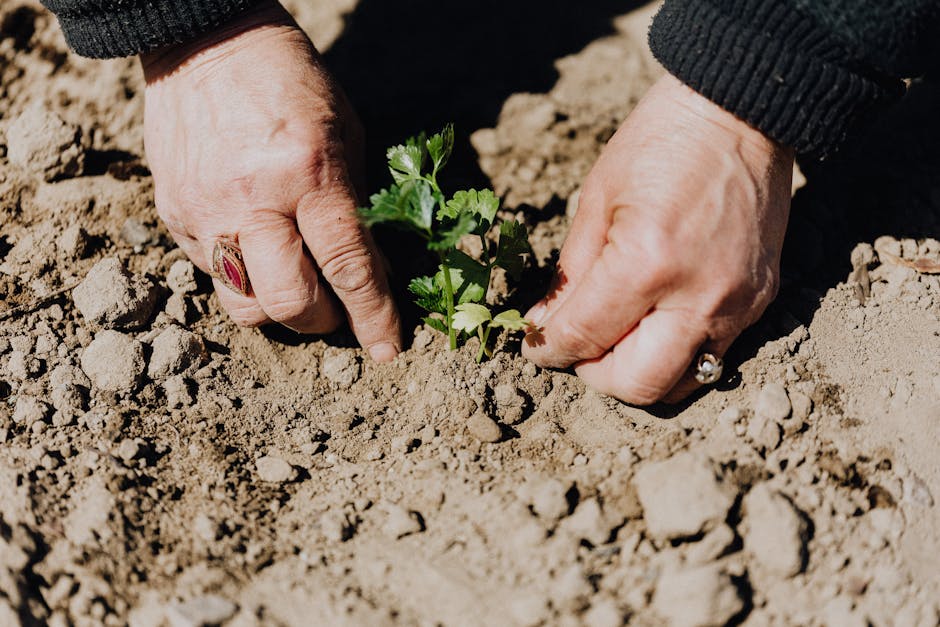
One of the things I admire most about the New Zealand wine industry is its commitment to sustainability. Sustainability isn't just a buzzword; it's a core value. New Zealand Winegrowers has developed a comprehensive sustainability program called Sustainable Winegrowing New Zealand (SWNZ), which covers everything from vineyard management to water usage and waste reduction. Many wineries are also embracing organic and biodynamic practices, minimizing their impact on the environment and producing wines that are both delicious and environmentally responsible.
It's inspiring to see winemakers who are truly passionate about preserving the land for future generations. When you drink a bottle of New Zealand wine, you can feel good knowing that it was produced with care and respect for the environment.
The Future of New Zealand Wine: Innovation and Exploration

The New Zealand wine industry isn't resting on its laurels. It's constantly evolving, innovating, and exploring new possibilities. Winemakers are experimenting with new grape varieties, pushing the boundaries of winemaking techniques, and seeking out new regions with untapped potential. I think we'll continue to see exciting developments in the years to come.
Here are a few things I think we'll see more of:
- Increased focus on regionality: Highlighting the unique characteristics of individual sub-regions within larger areas like Marlborough and Central Otago.
- Exploration of alternative grape varieties: Discovering new grapes that thrive in New Zealand's climate and offer unique flavor profiles.
- Emphasis on low-intervention winemaking: Minimizing intervention in the winemaking process to allow the natural flavors of the grapes to shine through.
- Continued commitment to sustainability: Further strengthening sustainable practices and promoting environmental stewardship.
My Personal Recommendations: Some Must-Try Wines

Alright, let's get down to the fun part! I wanted to share some personal recommendations for New Zealand wines that I think you should definitely try:
- Cloudy Bay Sauvignon Blanc: A classic Marlborough Sauvignon Blanc that helped put New Zealand on the map.
- Felton Road Pinot Noir: A benchmark Central Otago Pinot Noir known for its elegance and complexity.
- Kumeu River Chardonnay: A world-class Chardonnay from Auckland, showcasing the potential of this variety in New Zealand.
- Rippon Riesling: An exceptional Riesling from Central Otago, offering a beautiful balance of acidity and sweetness.
- Craggy Range Syrah: A standout Syrah from Hawke's Bay, displaying rich fruit and spicy notes.
Of course, these are just a few suggestions, and there are countless other amazing New Zealand wines to discover. I encourage you to explore and find your own favorites!
In Conclusion: A Wine Story Worth Celebrating

From its humble beginnings to its current status as a world-renowned wine producer, New Zealand's vineyard history is a testament to the vision, determination, and passion of its winemakers. It's a story that I find truly inspiring, and I hope you do too. So, the next time you're looking for a delicious and memorable wine experience, consider opening a bottle of New Zealand wine. You'll be supporting an industry that is committed to quality, sustainability, and innovation, and you'll be tasting a piece of New Zealand's unique and captivating history. Cheers to that!
Post a Comment