New Zealand: A Journey Through Time, From Ancient Shores to Modern Dreams

New Zealand: A Journey Through Time, From Ancient Shores to Modern Dreams
Hey there! Let's embark on an amazing adventure to New Zealand, a land that's not just stunningly beautiful, but also steeped in a rich and fascinating history. I've always been captivated by how different cultures and events have woven together to create the vibrant nation it is today. So grab a cup of tea (or a flat white, if you're feeling Kiwi!), and let's delve into the story of Aotearoa – the land of the long white cloud.
The Arrival of the Polynesians: Seeds of a New Culture

Imagine sailing across vast, uncharted oceans, guided only by the stars and your ancestors' knowledge. That's exactly what the Polynesian voyagers did, beginning around 1250-1300 AD. These brave explorers, likely from Eastern Polynesia, were the first people to discover and settle New Zealand. They brought with them their culture, their beliefs, and their skills, laying the foundation for what would become the Māori culture.
It's incredible to think about the sheer courage and navigational expertise they possessed. Can you imagine setting out into the unknown like that? These weren't just aimless wanderers; they were highly skilled navigators who understood the ocean currents, the wind patterns, and the stars. They brought plants and animals with them too, carefully selected to thrive in their new home.
These early settlers faced a new environment, very different from the tropical islands they left behind. They adapted their agricultural practices, developed new hunting techniques, and created a unique society that was deeply connected to the land and the sea. This period of adaptation and innovation led to the development of distinct Māori tribes, each with its own traditions, stories, and territories. Imagine the stories whispered around the fires at night, tales of epic voyages, encounters with new creatures, and the constant struggle to survive and thrive.
Māori Society: A Tapestry of Tradition and Innovation

The Māori weren't just a homogenous group; they formed into different iwi (tribes) and hapū (sub-tribes), each with its own distinct identity and territory. These groups were intricately linked through whakapapa (genealogy), which served as a powerful tool for maintaining social order, establishing rights, and resolving conflicts. This sense of interconnectedness is something I find truly inspiring – a reminder of the importance of family and community.
Māori society was highly structured and hierarchical, with chiefs (rangatira) holding significant authority. But leadership wasn't simply inherited; it was earned through skill, knowledge, and the ability to lead and protect the tribe. And speaking of skills, Māori were masters of craftsmanship. They carved intricate designs into wood and bone, wove beautiful textiles from flax, and built impressive structures like pā (fortified villages) to defend their territories. The artistry and ingenuity on display are breathtaking, even today.
Warfare was also a part of Māori life. While it might seem harsh to us today, it was often used to settle disputes, maintain mana (prestige), and acquire resources. But it wasn't just about fighting; it was also about strategy, honor, and respect. The haka, the famous war dance, is a powerful example of this – a display of strength, unity, and defiance that sends shivers down your spine even when you're watching it on TV!
Here's a brief look at some key aspects of Māori society:
- Whakapapa (Genealogy): The foundation of social structure and identity.
- Mana (Prestige): Achieved through leadership, skill, and success.
- Tapu (Sacredness): Restrictions placed on certain people, places, or objects to protect their spiritual essence.
- Utu (Reciprocity): The principle of maintaining balance in relationships through giving and receiving.
European Arrival: A Clash of Worlds
Fast forward to 1642, when Dutch explorer Abel Tasman became the first European to sight New Zealand. His encounter with Māori wasn't exactly friendly, and he quickly sailed away. It wasn't until Captain James Cook's voyages in the late 1760s and early 1770s that sustained contact between Māori and Europeans began.
Cook charted the coastline, documented the flora and fauna, and made detailed observations about Māori culture. His accounts sparked interest in New Zealand, and soon, European traders, whalers, and missionaries started arriving. Imagine the initial encounters, the curiosity mixed with suspicion, the attempts to communicate across a vast cultural divide.
The arrival of Europeans brought about significant changes to Māori society. They introduced new technologies, new crops, and new ideas. But they also brought diseases to which Māori had no immunity, leading to devastating epidemics. The introduction of muskets also transformed warfare, making it more deadly and destabilizing the balance of power between different tribes. I often think about the complex emotions of that time – the excitement of new possibilities mixed with the fear of the unknown and the loss of traditions.
The Treaty of Waitangi: A Promise and a Controversy

By the 1830s, the British government was becoming increasingly concerned about the lawlessness and disorder in New Zealand, as well as the potential for other European powers to claim the territory. In 1840, the Treaty of Waitangi was signed between representatives of the British Crown and Māori chiefs. This treaty is considered New Zealand's founding document, but its interpretation has been a source of ongoing debate and controversy.
The Treaty of Waitangi exists in two versions: the English version and the Māori version. The English version ceded sovereignty to the British Crown, while the Māori version guaranteed Māori rangatiratanga (chiefly authority) over their lands and resources. Unfortunately, the two versions differ in meaning, leading to misunderstandings and grievances that persist to this day.
The Treaty was intended to protect Māori interests and ensure a peaceful transition to British rule, but in practice, it often failed to do so. Land confiscations, wars, and discriminatory policies led to significant losses for Māori and a period of cultural suppression. Understanding the Treaty of Waitangi and its impact is crucial to understanding New Zealand's history and the ongoing efforts to address historical injustices.
Here's a quick breakdown of the key articles of the Treaty:
- Article 1: Māori chiefs ceded sovereignty to the British Crown.
- Article 2: Guaranteed Māori rangatiratanga over their lands, forests, fisheries, and other taonga (treasures).
- Article 3: Extended to Māori all the rights and privileges of British subjects.
The New Zealand Wars: A Fight for Land and Identity

The decades following the signing of the Treaty of Waitangi were marked by increasing tensions between Māori and European settlers, primarily over land. These tensions eventually erupted into the New Zealand Wars, a series of conflicts that lasted from the 1840s to the 1870s. These wars were devastating for Māori, both in terms of lives lost and the loss of land and cultural identity.
Māori fought bravely to defend their lands and their way of life. They demonstrated remarkable military ingenuity, building innovative fortifications and employing guerilla tactics. Figures like Te Rauparaha and Hone Heke became symbols of Māori resistance. But ultimately, they were outmatched by the superior resources and firepower of the British forces.
The New Zealand Wars had a profound impact on the relationship between Māori and Pākehā (European New Zealanders). They left a legacy of bitterness and distrust that has taken generations to overcome. However, they also sparked a renewed sense of Māori identity and a determination to fight for their rights.
Colonial New Zealand: Building a New Nation

Following the New Zealand Wars, the colonial government implemented policies aimed at assimilating Māori into European society. Māori language and culture were suppressed, and Māori were often excluded from political and economic opportunities. Despite these challenges, Māori continued to resist and preserve their traditions.
During this period, New Zealand also experienced significant economic growth, driven by agriculture, particularly sheep farming. The country became a major exporter of wool and other agricultural products to Britain. Towns and cities grew, and a new national identity began to emerge. It was a time of great change and upheaval, as New Zealand struggled to reconcile its colonial past with its aspirations for a brighter future.
The 20th Century: Towards a Bicultural Future

The 20th century saw a gradual shift in attitudes towards Māori culture and rights. The Māori Renaissance of the 1970s and 1980s saw a resurgence of interest in Māori language, arts, and traditions. This movement helped to raise awareness of historical injustices and to promote a more bicultural vision for New Zealand.
The Waitangi Tribunal, established in 1975, plays a crucial role in investigating claims of breaches of the Treaty of Waitangi. The Tribunal's recommendations have led to significant settlements between the Crown and Māori iwi, including the return of land, financial compensation, and the recognition of Māori rights.
Today, New Zealand is a nation that is increasingly embracing its bicultural heritage. Te Reo Māori (the Māori language) is an official language, and Māori culture is celebrated throughout the country. While challenges remain, there is a growing commitment to addressing historical injustices and building a more equitable and inclusive society.
Modern New Zealand: A Nation Forging its Own Path
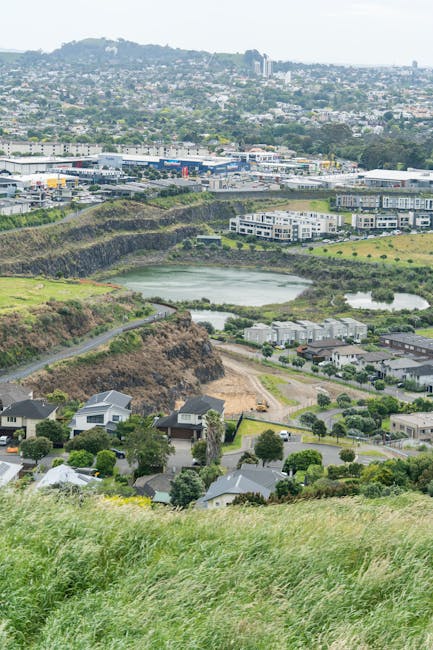
New Zealand today is a vibrant and diverse nation. It's known for its stunning natural beauty, its innovative spirit, and its commitment to social justice. From its progressive policies on issues like climate change and gender equality to its unique cultural blend of Māori and European influences, New Zealand is a nation that is forging its own path on the world stage.
Tourism plays a significant role in the New Zealand economy, and it's easy to see why. From the towering mountains of the Southern Alps to the pristine beaches of the Bay of Islands, New Zealand offers a wealth of natural wonders to explore. But beyond the stunning landscapes, it's the people that truly make New Zealand special. Their warmth, their resilience, and their commitment to fairness and equality are what make this country such a special place to visit and to live.
Looking back at New Zealand's history, it's clear that it's a story of resilience, adaptation, and transformation. From the courageous Polynesian voyagers who first discovered these shores to the modern-day New Zealanders who are shaping its future, the people of Aotearoa have always been driven by a spirit of adventure and a desire to create a better world. And that, my friends, is a story worth celebrating.
Post a Comment