New Zealand Caves: A World Beyond Glowworms - Formations, History & Hidden Wonders

New Zealand Caves: A World Beyond Glowworms - Formations, History & Hidden Wonders
Okay, so when you think of caves in New Zealand, I bet glowworms are the first thing that pops into your head, right? Those magical, twinkling lights are definitely a must-see, and I've spent hours gazing up at them in awe. But trust me, the subterranean world of New Zealand is so much more than just glowworms! It's a fascinating realm filled with incredible geological formations, captivating history, and some truly unforgettable adventures. Let's dive in!
Unveiling the Sculptors of Stone: How New Zealand Caves are Born
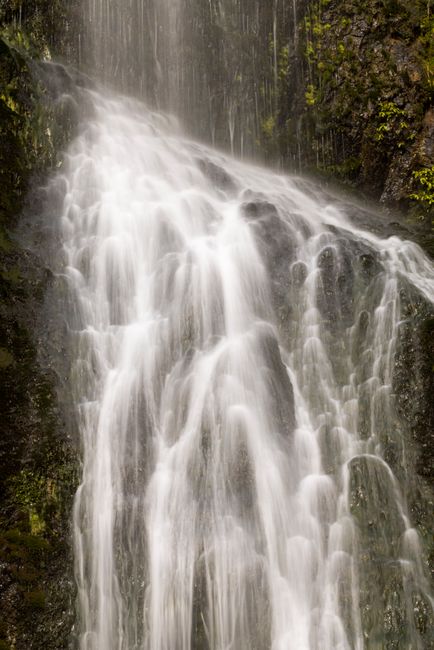
The creation of these caves is a story millions of years in the making, all thanks to a slow and patient artist: water. Most of New Zealand's impressive cave systems are formed in limestone, a sedimentary rock composed primarily of calcium carbonate. Imagine ancient seabeds, teeming with marine life whose shells and skeletons eventually compressed and hardened into this rock.
Then, over eons, slightly acidic rainwater and groundwater seeped through cracks and fissures in the limestone. This acidic water slowly dissolves the calcium carbonate, widening the cracks and creating underground channels. It's like a sculptor meticulously chipping away at stone, but on a timescale that's almost incomprehensible. This process, called chemical weathering or dissolution, is the primary force behind cave formation.
Here's a little more detail on how it works:
- Rain absorbs carbon dioxide: As rain falls, it absorbs carbon dioxide (CO2) from the atmosphere and from decaying organic matter in the soil. This CO2 dissolves in the water, forming a weak carbonic acid (H2CO3).
- Acidic water dissolves limestone: The carbonic acid reacts with the calcium carbonate (CaCO3) in the limestone, dissolving it and forming calcium bicarbonate (Ca(HCO3)2), which is soluble in water. The equation looks like this: CaCO3 + H2CO3 ⇌ Ca(HCO3)2
- Water flows and enlarges passages: The water, now carrying dissolved calcium bicarbonate, flows through the cracks and fissures in the limestone. Over thousands or even millions of years, this continuous process gradually enlarges these passageways, eventually forming caves.
And it's not just plain old water doing the work! The surrounding geology, the climate, and even the vegetation all play a role in how quickly and extensively a cave system develops. It's a complex interplay of natural forces that results in the stunning landscapes we see today.
Beyond Stalactites and Stalagmites: A Gallery of Cave Formations

Once a cave is formed, the real magic begins. The same water that created the cave now becomes an artist once again, depositing dissolved minerals to create a breathtaking array of formations. You've probably heard of stalactites and stalagmites, but let me tell you, there's so much more to see!
Stalactites hang from the ceiling like icicles, formed by water dripping down and depositing calcium carbonate. Stalagmites rise from the floor, built up by the same dripping water. When they eventually meet, they form impressive columns.
But the variations are incredible! Imagine delicate shawls or curtains of calcite, formed as water flows along an overhanging surface. Or glistening flowstone covering entire walls, looking like frozen waterfalls.
Then there are the more unusual formations, like:
- Helictites: These defy gravity, growing in all directions, seemingly at random. Their bizarre shapes are still not fully understood by scientists, adding to their mystique.
- Cave pearls: Formed when a tiny grain of sand or other particle becomes the nucleus around which calcium carbonate deposits, creating a smooth, pearl-like sphere.
- Soda straws: Thin, hollow tubes of calcite that hang from the ceiling, like miniature drinking straws. These can eventually become stalactites if the water flow increases.
Each cave has its own unique collection of formations, depending on the mineral content of the water, the airflow, and other environmental factors. It's like stepping into a natural art gallery, where the artwork is constantly evolving.
A Journey Through Time: The History Hidden Within the Caves

New Zealand's caves aren't just geological wonders; they're also time capsules, preserving evidence of past environments and human activity. Archaeological discoveries within caves have provided valuable insights into the history of both native species and the first Māori settlers.
Fossil finds are common in some caves. Scientists have discovered bones of extinct birds like the Moa, revealing clues about the country's prehistoric ecosystem. Imagine the excitement of uncovering a moa bone, knowing that you're holding a piece of New Zealand's ancient past in your hands!
But the caves also hold stories of more recent history. Māori used caves for shelter, storage, and burial. Evidence of their presence can be found in the form of:
- Rock art: Paintings and carvings on the cave walls, depicting animals, humans, and abstract designs. These artworks offer a glimpse into the beliefs and practices of the early Māori.
- Artifacts: Tools, weapons, and other objects left behind by the Māori, providing insights into their daily lives.
- Burial sites: Some caves were used as burial grounds, and the remains of ancestors can still be found in these locations. These sites are considered sacred and are treated with the utmost respect.
It's important to remember that many caves hold significant cultural and spiritual value for Māori. Respectful exploration and a deep understanding of the cultural context are essential when visiting these sites.
Beyond the Tourist Trail: Exploring New Zealand's Cave Systems

Okay, so you're probably wondering where you can experience all of this for yourself! New Zealand has a wide range of caves open to the public, from easily accessible tourist attractions to more challenging and remote systems.
Waitomo Caves are probably the most famous, thanks to their stunning glowworm displays. But don't stop there! Consider exploring some of the lesser-known caves. Some of my personal favourites include:
- Ruakuri Cave: Also in Waitomo, this cave offers a unique experience with its impressive limestone formations and the opportunity to walk, crawl and float through the system.
- Abel Tasman National Park caves: Head to the coast and you'll find tidal caves exposed at low tide, offering a different caving experience entirely!
- Clifden Caves: Found in Southland, these caves have a fascinating mix of formations and a rich Māori history.
When planning your cave adventure, keep these tips in mind:
- Choose a tour that suits your fitness level: Some caves are easily accessible with guided tours, while others require a higher level of physical fitness and experience.
- Wear appropriate clothing and footwear: Caves can be cool and damp, so dress in layers and wear sturdy, closed-toe shoes.
- Follow the instructions of your guide: Safety is paramount, and your guide will provide you with important information about the cave and how to navigate it safely.
- Respect the environment: Avoid touching the formations, stay on designated paths, and don't litter. Remember, these caves are delicate ecosystems and should be treated with care.
Protecting Our Subterranean Treasures: The Importance of Conservation

New Zealand's caves are vulnerable to a number of threats, including pollution, vandalism, and unsustainable tourism. It's crucial that we take steps to protect these fragile ecosystems for future generations.
Here are a few ways you can help:
- Support sustainable tourism practices: Choose tour operators that are committed to responsible tourism and environmental conservation.
- Educate yourself about cave conservation: Learn about the threats facing caves and how you can help to mitigate them.
- Spread the word: Share your experiences and inspire others to appreciate and protect these amazing natural wonders.
- Consider supporting conservation organizations: There are many organizations working to protect New Zealand's caves, and your support can make a real difference.
Remember, we are all stewards of these incredible natural resources. By taking responsible action, we can ensure that future generations will have the opportunity to explore and marvel at the beauty and wonder of New Zealand's caves.
My Most Memorable Cave Experience (So Far!)
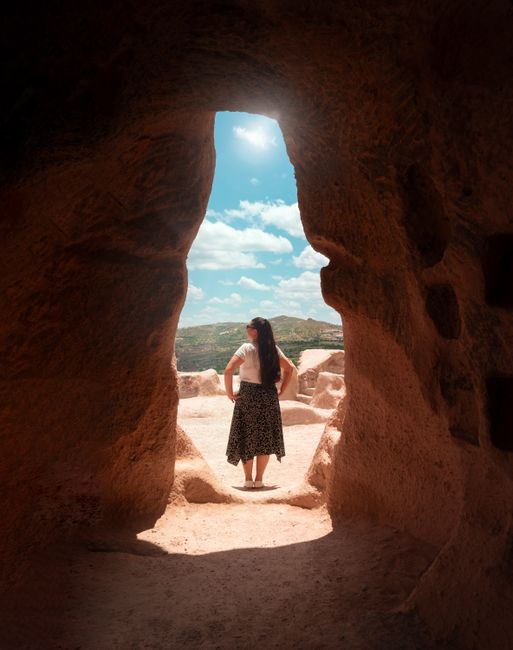
I've been lucky enough to explore a few different cave systems in New Zealand, but one experience really stands out. It was a small, relatively unknown cave near Nelson. It wasn't a fancy, touristy spot – just a rugged, almost wild place. We had to crawl through tight passages, wade through cold streams, and navigate by the light of our headlamps.
The formations were incredible: delicate soda straws hanging like chandeliers, huge flowstone cascades that looked like frozen waterfalls, and bizarre helictites twisting and turning in all directions. But what really struck me was the silence. Deep inside the cave, there was an almost complete absence of sound. It was a truly humbling experience, a reminder of the power and patience of nature.
It was a challenging but incredibly rewarding adventure, and it solidified my passion for exploring and protecting these amazing underground worlds. I urge you to seek out your own unique cave experience in New Zealand – you won't be disappointed!
Ready to Explore? Final Thoughts and Planning Your Trip

Exploring New Zealand's caves is a journey into the heart of the earth, a chance to witness the power of nature's artistry, and a glimpse into the history of both the land and its people. From the shimmering glowworms to the majestic stalactites and stalagmites, each cave offers a unique and unforgettable experience.
Before you go, remember to do your research, choose a tour that suits your interests and abilities, and pack appropriately. And most importantly, be respectful of the environment and the cultural significance of these sites.
So, what are you waiting for? Grab your headlamp, put on your boots, and prepare to be amazed by the hidden wonders that await you in New Zealand's captivating cave systems! You might just discover a whole new world beneath your feet.
Post a Comment