Local Flavors: A Taste of New Zealand's Culinary Heritage
Local Flavors: A Taste of New Zealand's Culinary Heritage
Kia ora, friend! Let's embark on a delicious journey together – a journey that takes us all the way to Aotearoa, the land of the long white cloud, also known as New Zealand. I'm absolutely buzzing to share some insights into New Zealand's incredible culinary heritage, which is so much more than just lamb and pavlova (though, let's be honest, those are pretty amazing too!). Prepare yourself for a feast for the senses, as we explore the local flavors and stories behind them.
The Māori Food Story: A Deep Connection to the Land

Before the arrival of Europeans, Māori civilization thrived in New Zealand, and their connection to the land and sea shaped their diet. This isn't just about sustenance; it's about a spiritual connection and a deep respect for the natural world. Their food was seasonal, sustainable, and deeply intertwined with their culture.
Think about it: relying on the bounty of the earth teaches you patience, resourcefulness, and gratitude. That's exactly what Māori food practices represent.
So, what were they eating? Well, here are a few staples:
- Kumara (Sweet Potato): This was a major source of carbohydrates. It was carefully cultivated and stored, ensuring a food supply through the colder months.
- Taro: Another vital root crop, often grown in warmer regions.
- Fern Root (Aruhe): This might sound a bit unusual, but it was a surprisingly important source of starch. It required quite a bit of preparation, including pounding and washing, to remove the toxins.
- Seafood: New Zealand's coastline provided a wealth of seafood, including fish, shellfish, and crustaceans. Traditional fishing methods were used, showing an understanding of marine ecosystems.
- Birds: Before the extinction of many native birds, they were an important source of protein. Snaring and hunting techniques were carefully developed.
Hangi: The hangi is arguably the most iconic Māori cooking method. It's an underground oven where food is cooked slowly using heated rocks. This method infuses the food with a unique smoky flavor and creates incredibly tender meat and vegetables. It's not just a way of cooking; it's a social event, often involving the whole community.
Imagine the scene: families gathering together, preparing the food, sharing stories, and patiently waiting for the hangi to work its magic. It's a beautiful tradition that speaks volumes about the importance of community and connection.
The Influence of European Settlers: A Fusion of Cultures

The arrival of European settlers in the 19th century brought significant changes to New Zealand's culinary landscape. They introduced new ingredients, cooking techniques, and farming practices. This led to a fusion of Māori and European traditions, creating a unique culinary identity.
Here are a few key changes that were introduced:
- New Ingredients: Europeans brought wheat, potatoes, beef, sheep, dairy products, and various fruits and vegetables. These ingredients gradually became staples in the New Zealand diet.
- Farming Practices: Large-scale farming became prevalent, shifting the focus from subsistence agriculture to commercial production.
- Cooking Methods: European baking and cooking techniques, such as roasting and stewing, were adopted and adapted to local ingredients.
Roast Lamb: Let's talk about roast lamb. It's practically synonymous with New Zealand cuisine. The abundance of sheep farms made lamb readily available, and it quickly became a national favorite. Roasted with rosemary, garlic, and served with roasted vegetables, it's a classic comfort food.
Pavlova: And who can forget the pavlova? This meringue-based dessert, topped with whipped cream and fresh fruit, is a staple at celebrations. While its origins are debated (Australia also claims it!), it's undeniably a beloved part of New Zealand's culinary heritage.
The combination of Māori ingredients and European cooking techniques led to some interesting creations. Think of the use of kumara in savory dishes or the adaptation of traditional Māori cooking methods to prepare European meats. It's this blend of cultures that makes New Zealand cuisine so unique.
Modern New Zealand Cuisine: Innovation and Sustainability

Today, New Zealand cuisine is a vibrant mix of tradition and innovation. Chefs are increasingly embracing local and sustainable ingredients, drawing inspiration from both Māori and European heritage while adding their own creative flair.
Here are some key trends shaping modern New Zealand cuisine:
- Focus on Local and Seasonal Ingredients: Chefs are prioritizing locally sourced, seasonal produce, supporting local farmers and reducing their carbon footprint. This commitment to sustainability is a defining characteristic of modern New Zealand cuisine.
- Embracing Māori Culinary Techniques: There's a renewed interest in traditional Māori cooking methods, such as the hangi and the use of native herbs and spices. Chefs are incorporating these techniques into their modern dishes, paying homage to the country's indigenous culture.
- International Influences: New Zealand is a multicultural society, and its cuisine reflects this diversity. Asian, Pacific Island, and European influences are evident in many dishes, creating a unique and exciting culinary landscape.
Manuka Honey: Let's not forget the amazing Manuka honey. It's prized for its unique flavor and medicinal properties. You'll find it everywhere, from drizzled over desserts to used as an ingredient in savory dishes.
Seafood Delights: With its extensive coastline, New Zealand offers an incredible variety of seafood. From succulent green-lipped mussels to fresh oysters and delicious snapper, the seafood scene is a must for any food lover.
Wine Pairing: New Zealand is also known for its world-class wines, particularly Sauvignon Blanc and Pinot Noir. Pairing these wines with local cuisine is an experience in itself. The cool climate of New Zealand creates wines that are crisp, refreshing, and perfectly suited to complement the local flavors.
Many restaurants are now focusing on sustainable practices, reducing waste, and supporting local communities. This commitment to sustainability is not just a trend; it's a core value that is shaping the future of New Zealand cuisine.
Must-Try Dishes: A Culinary Bucket List

Alright, friend, let's get down to the nitty-gritty. What should you absolutely, positively try when you visit New Zealand? Here's my personal culinary bucket list:
- Hangi: Of course! Experience the smoky, tender flavors of food cooked in an underground oven. It's a truly unique and unforgettable experience.
- Roast Lamb: A classic for a reason. Savor the tender, flavorful lamb, ideally cooked with rosemary and garlic.
- Pavlova: Indulge in this meringue-based dessert, topped with whipped cream and fresh, seasonal fruit. It's the perfect sweet treat.
- Whitebait Fritters: These small, translucent fish are made into fritters and are a seasonal delicacy. They're best enjoyed fresh, with a squeeze of lemon.
- Green-Lipped Mussels: These large, succulent mussels are a New Zealand specialty. They're often steamed or grilled and served with garlic butter or a creamy sauce.
- Hokey Pokey Ice Cream: This classic New Zealand ice cream flavor features vanilla ice cream with crunchy honeycomb pieces. It's simple, yet incredibly addictive.
- Kumara Fries: These sweet potato fries are a healthier and more flavorful alternative to regular fries. They're often served with aioli or other dipping sauces.
- Seafood Chowder: A creamy, hearty soup filled with a variety of seafood. It's the perfect comfort food on a chilly day.
Beyond the Dishes: Don't just focus on the dishes; explore the local markets and food festivals. These events offer a fantastic opportunity to sample a wide range of local products and meet the passionate people behind them. Chat with the farmers, the producers, and the chefs – they're often eager to share their stories and their love for New Zealand cuisine.
Where to Find the Best Food: A Traveler's Guide

So, you're planning a trip to New Zealand and you're wondering where to find the best food? Here's my advice:
- Auckland: This vibrant city is a foodie paradise, with a diverse range of restaurants, cafes, and markets. Explore the Britomart precinct for upscale dining, or head to Ponsonby for trendy cafes and restaurants.
- Wellington: Known as New Zealand's culinary capital, Wellington offers a thriving food scene with a focus on local and sustainable ingredients. Check out the Cuba Street area for eclectic cafes and restaurants.
- Christchurch: Rebounding from the earthquakes, Christchurch has a blossoming food scene. The Riverside Market is a great place to sample local produce and artisanal products.
- Queenstown: Surrounded by stunning scenery, Queenstown offers a range of dining options, from casual cafes to fine dining restaurants. Be sure to try the Fergburger, a legendary burger joint that's a must-visit.
- Smaller Towns and Regions: Don't overlook the smaller towns and regions. They often offer unique culinary experiences and a chance to connect with local producers. Look for farm-to-table restaurants, wineries with on-site dining, and local markets.
Tips for Foodies:
- Book in Advance: Popular restaurants often get booked up quickly, so it's always a good idea to make a reservation, especially during peak season.
- Ask Locals for Recommendations: Don't be afraid to ask locals for their recommendations. They'll often point you to hidden gems and local favorites.
- Try Something New: Be adventurous and try something you've never had before. You might just discover your new favorite dish!
Preserving Culinary Heritage: A Shared Responsibility
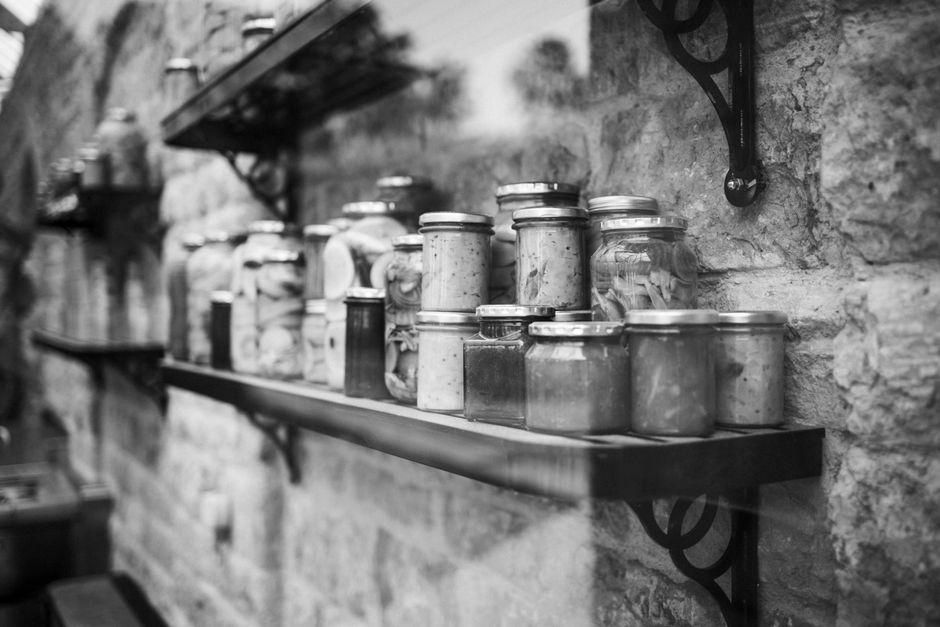
Preserving New Zealand's culinary heritage is a shared responsibility. It's about supporting local farmers, embracing sustainable practices, and celebrating the unique flavors and traditions of the country. It's also about educating future generations about the importance of food and its connection to culture.
Here are a few ways we can all contribute:
- Support Local Businesses: Choose to dine at restaurants that use local and sustainable ingredients. Shop at farmers' markets and support local producers.
- Learn About Māori Food Traditions: Take the time to learn about Māori food traditions and cooking methods. Attend a hangi or visit a cultural center to learn more about this important part of New Zealand's heritage.
- Reduce Food Waste: Be mindful of food waste and take steps to reduce it. Compost food scraps, plan your meals carefully, and support restaurants that are committed to reducing waste.
- Share Your Experiences: Share your culinary experiences with others. Talk about the delicious food you've tried, the local producers you've met, and the cultural traditions you've learned about.
Ultimately, New Zealand's culinary heritage is a reflection of its people, its land, and its history. It's a vibrant and ever-evolving tapestry of flavors, traditions, and innovations. By embracing local flavors, supporting sustainable practices, and celebrating the country's unique culinary identity, we can all play a part in preserving this precious heritage for generations to come.
So, next time you find yourself in Aotearoa, remember to go beyond the typical tourist spots. Explore the local markets, savor the unique flavors, and connect with the people who are passionate about preserving New Zealand's incredible culinary heritage. You won't be disappointed! Ka kite anō (see you again)!
Post a Comment