Haka, Hāngī, and Marae: A Journey into the Heart of Māori Traditions
Haka, Hāngī, and Marae: A Journey into the Heart of Māori Traditions
Kia ora! Ever been captivated by the powerful rhythms of the Haka, the delicious aromas of a Hāngī, or the profound sense of belonging felt on a Marae? I have. And let me tell you, diving into Māori culture has been one of the most enriching experiences of my life. It's more than just witnessing performances or enjoying a meal; it's about connecting with a deep history, a vibrant present, and a hopeful future. So, grab a cuppa, settle in, and let's explore these incredible traditions together.
The Haka: More Than Just a Dance

Okay, first things first, let's talk about the Haka. I remember the first time I saw a Haka performed live. The sheer energy, the synchronized movements, the resounding chants... it was absolutely breathtaking! But it's so much more than just a dance. It's a powerful expression of identity, heritage, and emotion. It's a way to challenge, to celebrate, to mourn, and to connect.
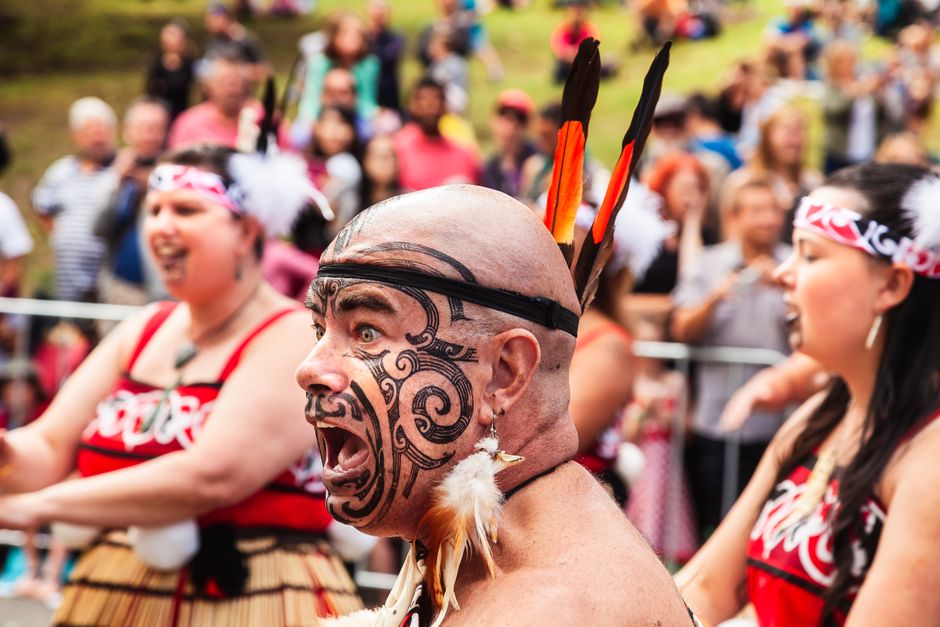
The Haka is a traditional Māori war dance, historically used to prepare warriors for battle. But its uses have evolved over time. Today, you'll see Haka performed at sporting events (who hasn't seen the All Blacks!), celebrations, ceremonies, and even funerals. Each Haka tells a story, often about ancestors, events, or the land itself. The words, the movements, the facial expressions – they all contribute to the narrative.
What I find particularly fascinating is the intensity and passion that goes into each performance. The widened eyes (pūkana), the protruding tongues (whetero), the rhythmic stamping of feet – these aren't just random gestures. They're deliberate and meaningful expressions of strength, defiance, and mana (spiritual power). It's a truly visceral experience to witness, and even more so to participate in. I've had the chance to learn a simple Haka myself, and while I definitely don't have the grace and power of experienced performers, it gave me a whole new appreciation for the art form.
To truly appreciate the Haka, consider these elements:
- The Words (Ngā Kupu): The words of the Haka are carefully chosen and often tell a specific story. Understanding the meaning behind the words adds a deeper layer to the experience.
- The Movements (Ngā Mahi): Each movement, from the hand gestures to the footwork, has a specific purpose and contributes to the overall message.
- The Facial Expressions (Ngā Kanohi): The pūkana and whetero are iconic elements of the Haka, expressing intensity and challenging the audience.
- The Voice (Te Reo): The chants and calls are powerful and resonate deeply, conveying emotion and connecting performers with their ancestors.
The Haka is a living tradition, constantly evolving and adapting while staying true to its core values. It's a powerful reminder of the strength and resilience of the Māori people.
Hāngī: Earth Oven Feasting

Now, let's move on to something that appeals to all the senses: the Hāngī! Imagine succulent meats and vegetables, slow-cooked to perfection in an underground oven, infused with the smoky flavors of the earth. That's a Hāngī in a nutshell. It's not just a meal; it's an experience, a celebration of community, and a testament to Māori ingenuity.
The Hāngī is a traditional Māori cooking method that involves digging a pit in the ground, heating stones with fire, and then using those stones to cook food in baskets. The food is covered with layers of wet cloths and earth to trap the steam and heat, creating a natural oven. The process takes several hours, sometimes even overnight, resulting in incredibly tender and flavorful food.
I've been fortunate enough to participate in a Hāngī preparation from start to finish, and it was truly an unforgettable experience. It's a collaborative effort, with everyone pitching in to gather wood, heat the stones, prepare the food, and dig the pit. It's a time for sharing stories, laughter, and connecting with whānau (family) and friends.
What's cooked in a Hāngī? Traditionally, it includes meats like pork, lamb, and chicken, as well as vegetables like kūmara (sweet potato), potatoes, pumpkin, and cabbage. The specific ingredients can vary depending on the region and the occasion. The key is the slow cooking process, which allows the flavors to meld together and the food to become incredibly tender. The smoky aroma alone is enough to make your mouth water!
Here's a simplified breakdown of the Hāngī process:
- Preparation (Te Whakarite): Gathering wood, heating the stones, preparing the food.
- Digging the Pit (Te Keri): Excavating the earth to create the oven.
- Heating the Stones (Ngā Kōhatu): Burning wood to heat the stones until they are glowing hot.
- Layering the Food (Te Whakatakoto Kai): Placing the food in baskets and layering them on top of the hot stones.
- Covering the Hāngī (Te Tāpoki): Covering the food with wet cloths and earth to trap the heat and steam.
- Cooking (Te Tunu): Allowing the food to cook slowly for several hours.
- Unearthing the Hāngī (Te Hura): Carefully removing the earth and cloths to reveal the cooked food.
- Feasting (Te Hākari): Enjoying the delicious food with whānau and friends.
The Hāngī is more than just a way of cooking food; it's a cultural experience that connects people with the land, their ancestors, and each other. It's a reminder of the importance of community, collaboration, and taking the time to savor the simple pleasures of life.
Marae: The Heart of Māori Community

Finally, let's talk about the Marae. For me, the Marae is the spiritual and cultural heart of Māori life. It's a sacred meeting ground, a place of belonging, and a center for community gatherings, ceremonies, and learning. Walking onto a Marae is like stepping back in time, connecting with generations of ancestors and experiencing the warmth and hospitality of Māori culture.
A Marae typically consists of several key elements:
- The Ātea (Courtyard): The open space in front of the wharenui (meeting house). This is where formal welcomes (pōwhiri) and other ceremonies take place.
- The Wharenui (Meeting House): The ancestral house, often intricately carved and decorated with representations of ancestors and tribal history.
- The Wharekai (Dining Hall): The building where meals are prepared and eaten.
- The Marae Ātea (The Entire Complex): This encompasses all the buildings and grounds that make up the Marae.
The Wharenui is particularly significant. It's considered to be the embodiment of an ancestor, with the ridgepole representing the backbone and the rafters representing the ribs. The carvings and artwork inside the Wharenui tell stories about the ancestor and the history of the tribe. It's a place of respect, where important discussions and decisions are made.
Entering a Marae is governed by specific protocols (tikanga). The most common way to be welcomed onto a Marae is through a pōwhiri, a formal welcoming ceremony. This typically involves:
- The Wero (Challenge): A warrior lays down a token (often a branch) for the visiting group to pick up, signifying peaceful intentions.
- The Karanga (Call): A female elder calls out to welcome the visitors, connecting them with the ancestors and the land.
- The Whai Korero (Speeches): Orators from both the host and visiting groups deliver speeches, acknowledging each other and sharing stories.
- The Waiata (Song): Songs are sung to reinforce the messages of the speeches and to express unity and respect.
- The Hongi (Pressing of Noses): Visitors greet the hosts by pressing noses, sharing the breath of life (hā) and establishing a connection.
I remember feeling incredibly humbled and honored the first time I participated in a pōwhiri. It's a powerful and moving experience that connects you with the history and culture of the Marae. It's important to be respectful and to follow the guidance of the hosts. Observing the protocols demonstrates your understanding and appreciation for Māori culture.
The Marae is a place of learning, where Māori language, traditions, and values are passed down from generation to generation. It's a safe space for Māori people to connect with their identity, to celebrate their culture, and to support each other. It's also a welcoming place for visitors who are interested in learning about Māori culture and building relationships with the community.
Visiting a Marae is a unique and rewarding experience. It's an opportunity to connect with the heart of Māori culture, to learn about its history and traditions, and to experience the warmth and hospitality of the Māori people. Remember to be respectful, to listen, and to learn. You'll be amazed by what you discover.
Respect and Understanding: Keys to Appreciation

Ultimately, understanding Māori traditions like the Haka, Hāngī, and Marae is about respect. It's about recognizing the deep cultural significance of these practices and approaching them with humility and a willingness to learn. It's about understanding that these are not just performances or tourist attractions; they are living traditions that are deeply connected to the history, identity, and well-being of the Māori people.
Before attending a Haka performance, participating in a Hāngī, or visiting a Marae, take the time to learn about the cultural significance of these practices. Read books, watch documentaries, and talk to Māori people. The more you understand, the more you'll appreciate the depth and richness of Māori culture.
When you're participating in a Māori cultural experience, be mindful of your behavior. Dress respectfully, listen attentively, and follow the guidance of your hosts. Ask questions if you're unsure about something, but always be respectful of the cultural protocols.
Finally, remember that Māori culture is constantly evolving. While it's important to respect the traditions of the past, it's also important to recognize that Māori people are actively shaping their culture in the present. Support Māori artists, businesses, and communities. By doing so, you're contributing to the ongoing vitality of Māori culture.
My journey into understanding Haka, Hāngī, and the significance of a Marae has been an incredible one, filled with learning, growth, and a deeper appreciation for the richness and resilience of Māori culture. I hope this glimpse into these traditions has inspired you to explore them further. Kia ora!
Post a Comment