Ghost Towns of Aotearoa: Unearthing New Zealand's Forgotten Past

Ghost Towns of Aotearoa: Unearthing New Zealand's Forgotten Past
Okay, friend, lean in close. I'm about to share something that truly fascinates me: New Zealand's ghost towns and abandoned places. More than just crumbling buildings and overgrown weeds, these spots whisper stories of boom and bust, dreams realized and shattered, and the enduring resilience (and sometimes, the ultimate failure) of the human spirit. They're windows into Aotearoa's rich and often tumultuous history, and honestly, visiting them is like stepping back in time.
New Zealand, with its rugged landscapes and pioneering spirit, is dotted with these forgotten settlements. They range from gold mining towns swallowed by the bush to once-thriving farming communities that simply faded away. Each one offers a unique glimpse into the past, revealing the struggles and triumphs of those who came before us. I've been lucky enough to explore a few of these myself, and let me tell you, the feeling of standing in a place where life once pulsed, now eerily silent, is something you won't easily forget.
So, let's embark on a virtual journey to some of the most intriguing ghost towns and abandoned places in New Zealand. I'll share a little history, some of what makes them special, and maybe even inspire you to add a few to your own travel bucket list!
Why Ghost Towns? The Allure of the Abandoned
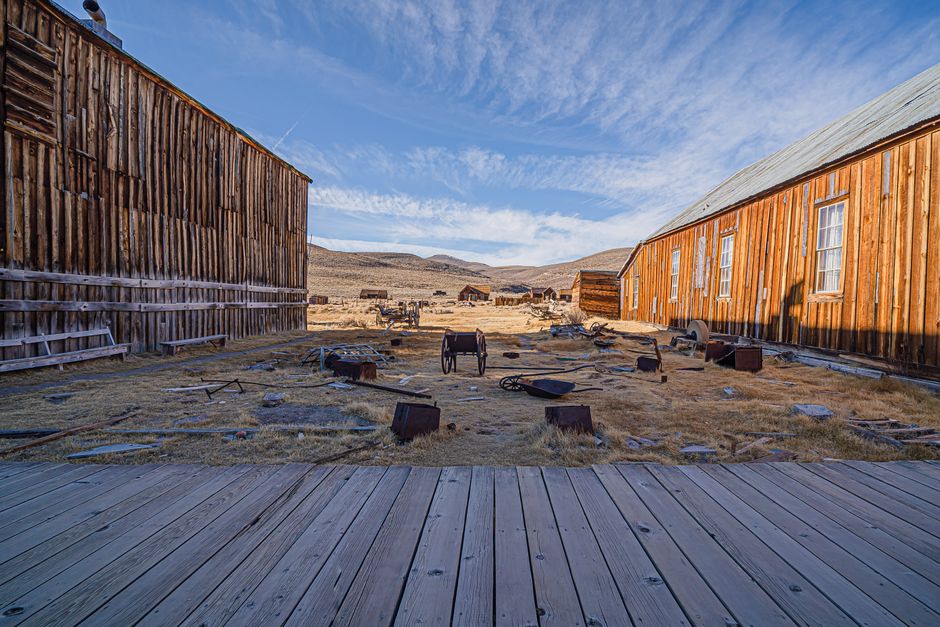
Before we dive in, let's talk about why these places hold such a strong allure. For me, it's a few things:
- The mystery: What happened here? Why did everyone leave? Piecing together the fragments of the past is like solving a historical puzzle.
- The beauty of decay: There's a certain haunting beauty in the way nature reclaims these spaces. Vines creep up walls, trees grow through rooftops, and the elements weather everything, creating a unique and often breathtaking aesthetic.
- The human connection: Even though these places are abandoned, they're filled with echoes of the people who once lived and worked there. Imagining their lives, their hopes, and their struggles makes history feel tangible and real.
Essentially, exploring ghost towns is a way to connect with the past on a deeply personal level. It's about more than just seeing old buildings; it's about understanding the lives that were lived within those walls.
1. Waiuta: The Quartzopolis That Disappeared
Waiuta, nestled deep in the West Coast bush, is perhaps one of New Zealand's most well-known ghost towns. It was once a thriving gold mining community, nicknamed "Quartzopolis" due to the abundance of quartz reefs in the area. At its peak, Waiuta boasted a population of over 600 people, complete with a school, a hospital, several hotels, and even a bowling green!
However, in 1951, tragedy struck. A major rockfall in the Blackwater mine, the town's lifeblood, led to its abrupt closure. Within weeks, the entire community packed up and left, leaving behind almost everything. Today, Waiuta is managed by the Department of Conservation (DOC) and is remarkably well-preserved. You can still see the remnants of the mine, the old schoolhouse, and several other buildings. Walking through Waiuta, you can almost hear the echoes of miners' picks and the laughter of children playing in the streets.
2. Denniston: "The Eighth Wonder of the World" (or So They Said!)
Denniston, perched high on a plateau above the West Coast, was another major coal mining town. Known as "The Eighth Wonder of the World" (a rather ambitious claim, perhaps!), it was renowned for its incredibly steep incline railway that transported coal down to the coast. Life in Denniston was tough. The weather was harsh, the work was dangerous, and the living conditions were basic. Yet, the community thrived, forging a strong sense of camaraderie in the face of adversity.
As coal mining declined, so did Denniston. Today, the town is largely abandoned, but many of the original buildings still stand. The incline railway is gone, but you can still see the remnants of it. Visiting Denniston is an incredibly moving experience, offering a stark reminder of the hardships faced by early coal miners.
3. Charleston: Gold Rush Gone Bust

Charleston, located on the West Coast near Westport, was once a bustling gold rush town. In the 1860s, it was a hive of activity, attracting thousands of prospectors and fortune seekers. The town quickly sprang up, complete with hotels, saloons, and all the trappings of a boomtown.
However, the gold rush was short-lived. As the gold dwindled, so did the population. Today, Charleston is a shadow of its former self, with only a handful of residents. While much of the original town has disappeared, you can still see remnants of its past, including old mining relics and the foundations of buildings. There are some fantastic guided tours that really bring the history of Charleston to life.
4. Macetown: A Tiny Town Frozen in Time
Macetown, nestled in the hills near Queenstown, is one of the best-preserved ghost towns in New Zealand. Founded in the 1860s during the Otago gold rush, Macetown was a small but thriving community. The town was remote and difficult to access, which ironically helped preserve it over the years.
Today, Macetown is a protected historic site. You can still see the old schoolhouse, the bakery, and several other buildings, all remarkably intact. Getting to Macetown requires a 4WD vehicle or a challenging hike, but the effort is well worth it. Walking through Macetown is like stepping back in time, offering a fascinating glimpse into life in a 19th-century gold mining town.
5. Orepuki: Coastal Community Clinging to Life

Orepuki, located on the South Island's southern coast, isn't technically a ghost town, but it's definitely got that feeling. Once a thriving settlement built around gold mining and farming, Orepuki has seen its population dwindle over the years. The dramatic coastal scenery is stunning, and the remnants of its past are scattered around the landscape.
What's particularly interesting about Orepuki is the mix of dilapidated buildings and modern homes. It's a community that's struggling to survive, clinging to its history while adapting to the present. The old Orepuki Cemetery is a poignant reminder of the people who once called this place home.
6. Cromwell's Old Town: Submerged History

This one's a bit different. While not exactly "abandoned" in the traditional sense, Old Cromwell is mostly submerged beneath the waters of Lake Dunstan. During the Clyde Dam project in the late 1980s, much of the original town was flooded to create the artificial lake.
However, a portion of Old Cromwell was preserved, and it now stands as a historic precinct. The carefully restored buildings offer a glimpse into the town's past, but the knowledge that so much of its history lies beneath the water adds a layer of poignancy. It's a reminder of the human cost of progress and the importance of preserving our heritage.
7. Port Craig: Sawmilling Success, Sudden Silence
Deep in Fiordland National Park lies the remains of Port Craig, a once-bustling sawmilling town. Established in the early 20th century to exploit the rich timber resources of the area, Port Craig was a remote and isolated community. The timber was transported by sea, and the town boasted a large wharf and a complex network of tramlines.
However, the sawmill closed down in the 1920s, and the town was abandoned. Today, Port Craig is accessible only by boat or a multi-day hike. The remains of the wharf, the schoolhouse, and other buildings can still be seen, slowly being reclaimed by the forest. It's a challenging place to reach, but the experience of exploring this forgotten corner of Fiordland is unforgettable. The hike itself is now part of the Hump Ridge Track, a popular multi-day tramp.
8. Polnoon: A Short-Lived Rural Dream

Polnoon, located near the Catlins coast, isn't as dramatic as some of the gold mining towns, but it tells a different kind of story. It was a small farming settlement established in the late 19th century, intended to be a community of closely-knit families. The area was known for its challenging terrain and unpredictable weather, making farming a constant struggle.
Despite the initial optimism, Polnoon never really thrived. The population gradually dwindled, and the town was eventually abandoned. Today, little remains of Polnoon except for a few overgrown foundations and the memories of those who tried to make a life there. It serves as a reminder that even the best-laid plans can sometimes fail, and that the pioneering spirit isn't always enough to overcome the harsh realities of nature.
Exploring Responsibly: A Few Words of Caution

Okay, before you rush off to explore these fascinating places, let me offer a few words of caution. Firstly, safety is paramount. Many of these sites are in remote locations and may contain hazards such as unstable buildings, mine shafts, and slippery terrain. Always check the conditions before you go, wear appropriate footwear and clothing, and let someone know your plans.
Secondly, respect the environment and the history. These places are fragile and precious, and it's important to treat them with care. Do not remove any artifacts, vandalize buildings, or disturb the natural surroundings. Leave only footprints and take only memories (and maybe a few photos!).
Thirdly, be aware of private property. Some of these sites may be located on private land, so make sure you have permission before entering. Trespassing is not only illegal but also disrespectful to the landowners.
The Ghostly Future: Preserving Our Past
The ghost towns and abandoned places of New Zealand are a valuable part of our heritage. They offer a unique window into the past and provide a tangible link to the lives of those who came before us. It's crucial that we protect and preserve these sites for future generations to enjoy.
Organizations like the Department of Conservation (DOC) and Heritage New Zealand Pouhere Taonga are working hard to preserve these historical sites. But we all have a role to play. By visiting these places responsibly, learning about their history, and supporting conservation efforts, we can help ensure that these stories are not forgotten.
So, there you have it – a glimpse into the captivating world of New Zealand's ghost towns and abandoned places. I hope I've sparked your curiosity and inspired you to explore these forgotten corners of Aotearoa. Remember to tread carefully, respect the history, and let the whispers of the past guide your journey. Happy exploring!
Post a Comment