Exploring New Zealand's Secret Sanctuaries: 15 Unforgettable Offshore Island Adventures

Exploring New Zealand's Secret Sanctuaries: 15 Unforgettable Offshore Island Adventures
New Zealand, Aotearoa – the land of the long white cloud. We all know about its majestic mountains, stunning fiords, and vibrant Maori culture. But have you ever considered venturing beyond the mainland? New Zealand's offshore islands are jewels scattered around its coast, each a unique ecosystem and a haven for wildlife. I've been fortunate enough to explore a few of these hidden gems, and let me tell you, they are an experience unlike any other. They offer a raw, untamed beauty that will leave you breathless. Let's dive into 15 incredible offshore island adventures you won't want to miss.
1. Tiritiri Matangi Island: A Birdwatcher's Paradise

Imagine stepping onto an island where the air vibrates with birdsong. That's Tiritiri Matangi. Just a short ferry ride from Auckland, this island is a triumph of ecological restoration. Decades of dedicated conservation efforts have transformed what was once farmland into a thriving sanctuary for native birds. You'll find species like the Takahe, a flightless bird once thought to be extinct, the cheeky Tieke (Saddleback), and the tiny, jewel-like Rifleman flitting through the trees. I remember my first visit – I felt like I'd walked into an Attenborough documentary! The guided walks are fantastic and will help you spot (and identify!) the incredible avian life. Bring your binoculars! You won't regret it.
2. Great Barrier Island (Aotea): Untamed Wilderness on Auckland's Doorstep
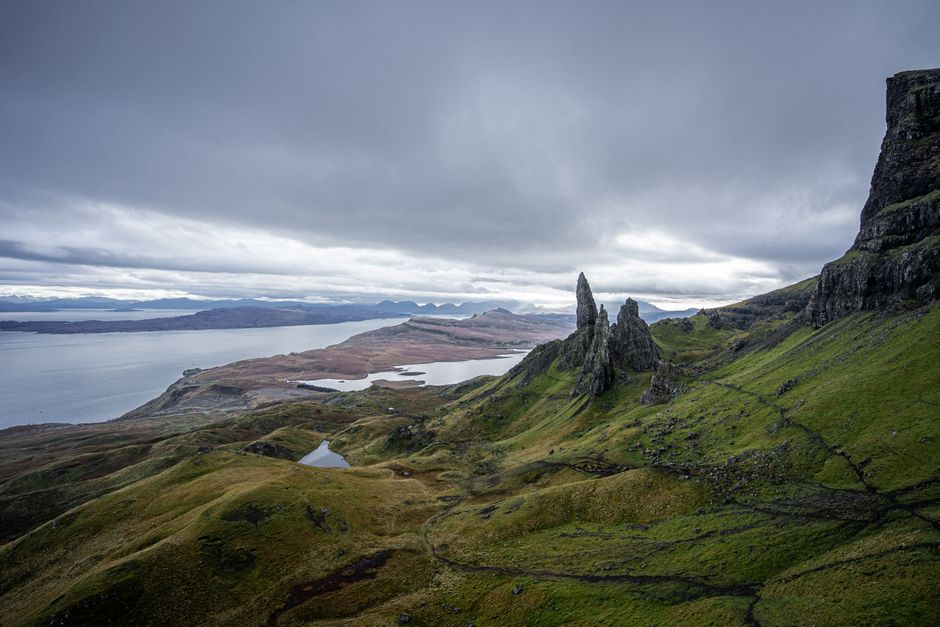
Great Barrier Island, or Aotea, as it's known in Māori, is a world away from the hustle and bustle of Auckland, despite being just a four-hour ferry ride. This island is rugged and remote, with stunning beaches, towering forests, and incredible hiking trails. It's also a designated Dark Sky Sanctuary, making it perfect for stargazing. I spent a night lying on the beach, mesmerized by the Milky Way stretching across the sky – it was truly magical. The island offers everything from challenging tramps to relaxing beach holidays, and the laid-back atmosphere is infectious. Keep an eye out for native birds like the Brown Teal (Pateke) and the elusive Kākā.
3. Stewart Island (Rakiura): A Southern Sanctuary
Further south lies Stewart Island, or Rakiura, meaning 'glowing skies' in Māori. This island is a haven for nature lovers, with over 80% of its land designated as national park. It's also the best place in New Zealand to spot the elusive Kiwi in its natural habitat. I joined a guided night walk and was lucky enough to see a Southern Brown Kiwi foraging for food – an unforgettable experience! The island boasts incredible hiking, including the multi-day Rakiura Track, and stunning coastal scenery. Be prepared for changeable weather; after all, you're pretty close to Antarctica!
4. Ulva Island: Predator-Free Paradise

Just a short boat trip from Stewart Island is Ulva Island, a predator-free open sanctuary. This means that native birds thrive here without the threat of introduced pests. The island is a treasure trove of biodiversity, with lush forests, pristine beaches, and an abundance of birdlife. You'll find species like the South Island Saddleback, Yellowhead, and Stewart Island Robin. It's incredible to see how vibrant and healthy the ecosystem is without introduced predators. Ulva Island is a must-visit for anyone interested in conservation and native birdlife.
5. The Poor Knights Islands: A Diver's Dream

The Poor Knights Islands, off the east coast of Northland, are a world-renowned diving and snorkeling destination. These volcanic islands are surrounded by clear, warm waters teeming with marine life. Jacques Cousteau himself rated it as one of the top ten dive sites in the world! You'll find incredible underwater landscapes, including caves, arches, and drop-offs, as well as an abundance of colorful fish, rays, and even dolphins. I'm not a seasoned diver, but even snorkeling here was an amazing experience – the clarity of the water is unbelievable. Whether you're a beginner or an experienced diver, the Poor Knights Islands will leave you in awe.
6. Kapiti Island: A Nature Reserve Rich in History

Kapiti Island, located off the coast of Wellington, is another amazing example of successful ecological restoration. This island is a nature reserve, home to numerous native bird species, including the Little Spotted Kiwi, North Island Kōkako, and Whitehead. It also has a rich Māori history, with significant archaeological sites and stories. I loved learning about the island's history and the efforts to protect its natural environment. The guided tours are excellent and provide fascinating insights into the island's past and present.
7. Mayor Island (Tuhua): Obsidian and Isolation

Mayor Island, or Tuhua, is a dormant volcano located off the coast of the Bay of Plenty. The island is known for its rich deposits of obsidian, a volcanic glass that was highly prized by Māori for making tools and weapons. The island also offers excellent fishing, diving, and hiking opportunities. However, access is restricted, and you'll need to obtain permission to visit. The feeling of isolation and the unique geological features make Mayor Island a truly special place.
8. White Island (Whakaari): A Volcanic Wonderland (Currently Inaccessible)
Please note: Due to the devastating eruption in 2019, White Island (Whakaari) is currently inaccessible. I'm including it here for historical context and in the hope that one day, it may be safe to visit again.
Before the eruption, White Island was one of New Zealand's most active volcanoes and a truly surreal experience. Walking on the surface of an active volcano, surrounded by steaming vents and bubbling mud pools, was something I'll never forget. The air was thick with the smell of sulfur, and the landscape was otherworldly. It was a powerful reminder of the raw forces of nature. It's important to remember the tragedy that occurred there and to respect the power of volcanic activity.
9. Rangitoto Island: Auckland's Volcanic Icon
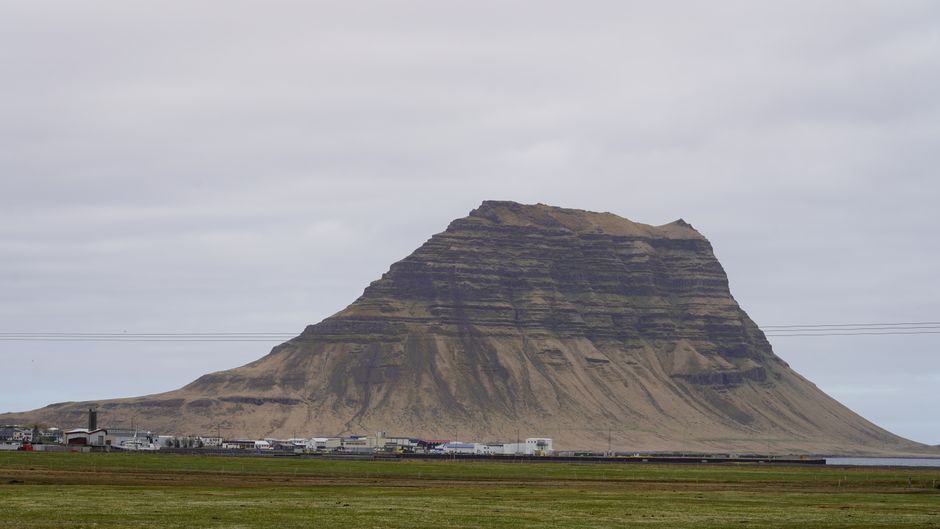
Visible from almost anywhere in Auckland, Rangitoto Island is a relatively young volcanic island, having emerged from the sea only around 600 years ago. The island is characterized by its black lava fields and its iconic symmetrical cone. You can hike to the summit for panoramic views of Auckland and the Hauraki Gulf. The walk through the lava caves is a unique experience, and the views from the top are simply breathtaking. Rangitoto is a popular day trip destination from Auckland and a must-see for anyone visiting the city.
10. Motuihe Island: History and Conservation Combined
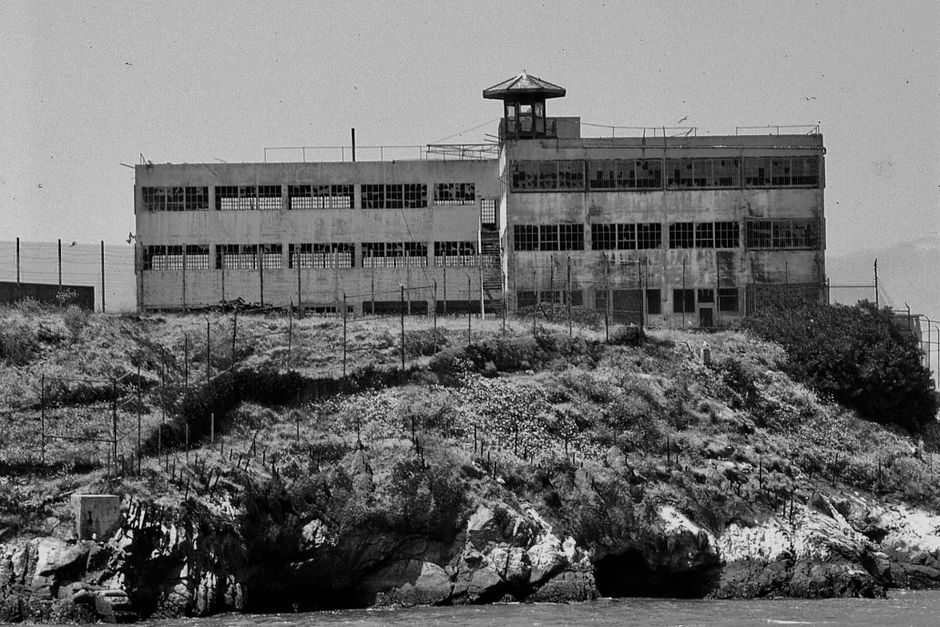
Motuihe Island, located in the Hauraki Gulf, has a fascinating history, having served as a quarantine station, prisoner of war camp, and training ground for World War I soldiers. Today, it's a popular destination for picnicking, swimming, and exploring its historical sites. The island is also undergoing ecological restoration, with native trees being planted and introduced pests being controlled. I enjoyed exploring the historical remnants and learning about the island's diverse past.
11. Moutohora Island (Whale Island): A Sanctuary for Wildlife
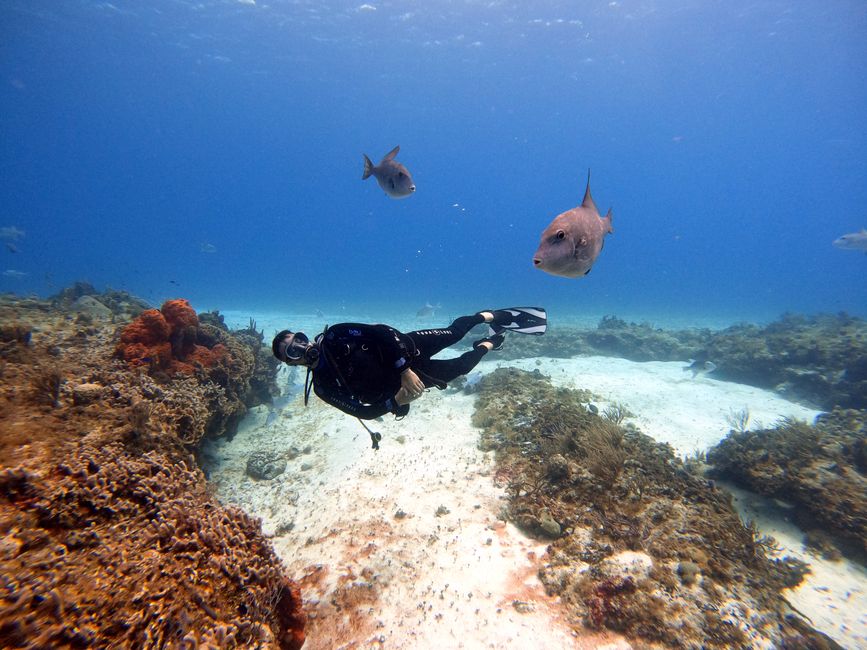
Moutohora Island, or Whale Island, is located off the coast of Whakatane in the Bay of Plenty. This island is a wildlife sanctuary, home to native birds, reptiles, and marine life. You can take guided tours to explore the island's volcanic landscape and learn about its ecology and history. Keep an eye out for the New Zealand Fur Seals that often bask on the rocks around the island. The volcanic hot springs on the island are a unique and relaxing experience.
12. Chatham Islands: Remote and Rugged Beauty
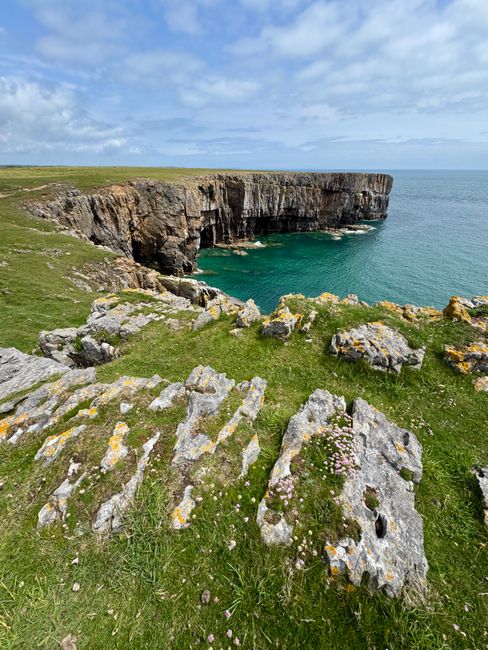
The Chatham Islands, located about 800 kilometers east of New Zealand, are a truly remote and rugged destination. These islands have a unique history and culture, shaped by their isolation and the influence of both Māori and European settlers. The islands are home to several endemic species, including the Chatham Island Black Robin, and offer stunning coastal scenery and incredible hiking opportunities. The feeling of being so far from civilization is both humbling and exhilarating.
13. Campbell Island: Subantarctic Wilderness

For the truly adventurous, Campbell Island offers a glimpse into the subantarctic wilderness. This island is located about 600 kilometers south of New Zealand and is a UNESCO World Heritage Site. It's home to vast colonies of seabirds, including albatrosses and penguins, as well as unique flora and fauna. Access is limited, and you'll need to join a specialized tour to visit. The sheer scale of the wildlife and the rugged beauty of the landscape make Campbell Island an unforgettable experience.
14. Antipodes Islands: A Volcanic Archipelago
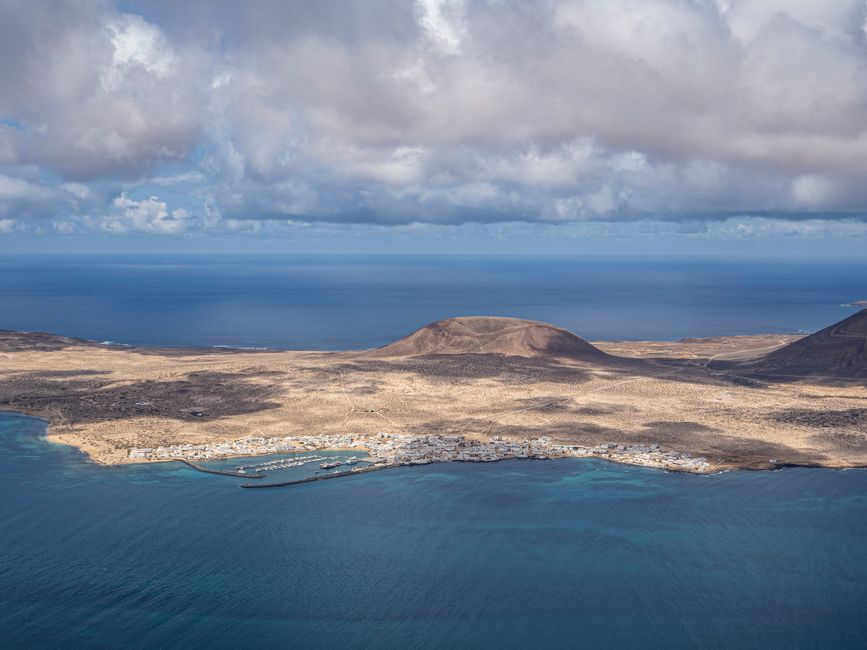
Even further south than Campbell Island lies the Antipodes Islands, a remote volcanic archipelago. These islands are home to a diverse range of seabirds and marine mammals, including the Antipodean Albatross and the Erect-crested Penguin. Access is extremely limited, and the islands are primarily used for scientific research. The isolation and pristine environment make the Antipodes Islands a truly special place.
15. Auckland Islands: Southern Ocean Jewels
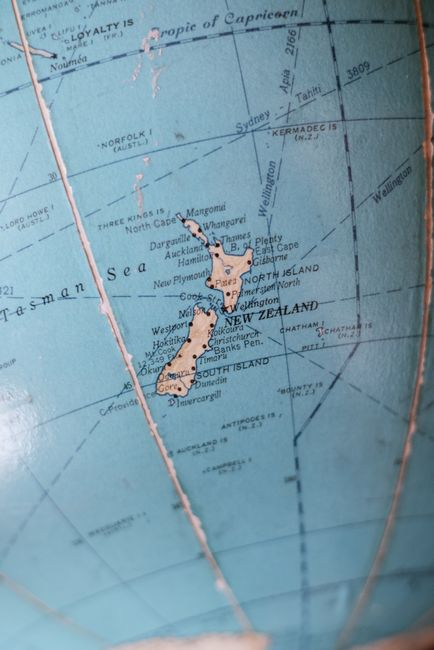
The Auckland Islands, another subantarctic archipelago, offer a similar experience to Campbell and Antipodes Islands. They boast dramatic coastlines, abundant wildlife, and a rich history of shipwrecks and exploration. You'll find huge colonies of penguins and seals, as well as unique plant life adapted to the harsh conditions. Reaching these islands requires careful planning and a sense of adventure. It's a journey that will reward you with unparalleled natural beauty and a deep appreciation for the power of the Southern Ocean.
Planning Your Offshore Island Adventure
Visiting New Zealand's offshore islands requires careful planning. Here are a few things to keep in mind:
A. Permits and Access: Many islands are protected reserves and require permits for entry. Check with the Department of Conservation (DOC) for information on access restrictions and permit requirements.
B. Transportation: Ferry services and flights are available to some islands. For more remote islands, you may need to join a specialized tour or charter a boat.
C. Accommodation: Accommodation options vary depending on the island. Some islands have limited lodging, while others require camping. Book in advance, especially during peak season.
D. Weather: Be prepared for changeable weather conditions. Pack layers of clothing, including waterproof gear.
E. Respect the Environment: Follow the Leave No Trace principles and respect the local flora and fauna. Avoid disturbing wildlife and dispose of your waste responsibly.
New Zealand's offshore islands offer a unique and unforgettable travel experience. From birdwatcher's paradises to remote subantarctic wildernesses, these islands are a treasure trove of natural beauty and cultural history. So, pack your bags, grab your binoculars, and get ready to explore the secret sanctuaries of Aotearoa!
Post a Comment