Exploring New Zealand's Ancient Forests: A Journey Through Time

Exploring New Zealand's Ancient Forests: A Journey Through Time
Hey there, fellow nature enthusiast! Have you ever felt the pull of the ancient, a yearning to step back in time and connect with a world untouched by modern hands? For me, that feeling is overwhelmingly strong, and it led me on an unforgettable adventure to the ancient forests of New Zealand. Trust me, these aren't just forests; they're living, breathing museums, brimming with history and mystery. I want to share my experiences with you, in the hopes that you too will feel inspired to explore these incredible natural wonders. So, grab a cup of tea, settle in, and let's journey together through the heart of Aotearoa's primordial landscapes.
Why New Zealand's Forests Are So Special
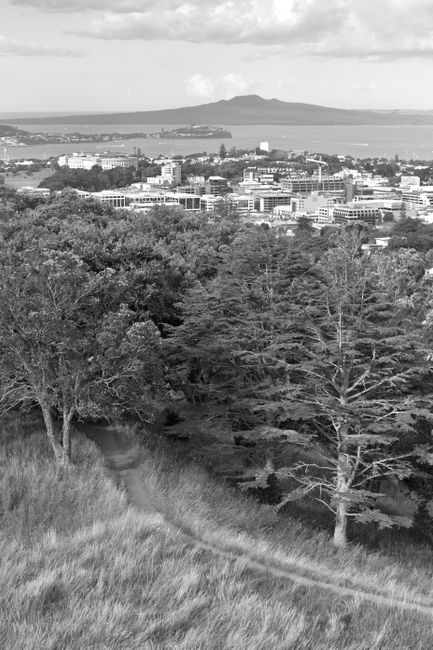
New Zealand's forests are special for a myriad of reasons, stemming from its unique geological history and geographical isolation. Imagine a landmass that broke away from Gondwana, the ancient supercontinent, millions of years ago. This isolation allowed flora and fauna to evolve in unique and often bizarre ways, creating ecosystems unlike anywhere else on Earth. The result? Forests brimming with endemic species – plants and animals found nowhere else on the planet.
What really sets them apart is the sheer age of some of these forests. Many of the trees you'll encounter are direct descendants of species that existed millions of years ago. Walking amongst them is like stepping into a prehistoric world, a place where dinosaurs might still roam (okay, maybe not dinosaurs, but you get the picture!).
Beyond their biological significance, these forests hold immense cultural importance for the Māori, the indigenous people of New Zealand. The forests are considered tapu (sacred), and many plants and animals have deep spiritual connections. Learning about the Māori perspective adds another layer of depth to the experience, making it even more meaningful.
The Giants: Kauri Forests of the North Island

My journey began in the North Island, specifically in the realm of the Kauri forests. Kauri trees (Agathis australis) are the undisputed giants of the New Zealand forest. They are truly awe-inspiring, boasting massive trunks and towering canopies. Sadly, these magnificent trees have been threatened by Kauri dieback, a devastating disease, but conservation efforts are underway to protect them. Seeing a mature Kauri in person is an unforgettable experience.
Here's what makes Kauri forests so special:
- Immense size: Mature Kauri can reach heights of over 50 meters and girths of over 16 meters. The largest known Kauri, Tāne Mahuta ("Lord of the Forest"), is a must-see.
- Longevity: Kauri can live for over 2,000 years, witnessing centuries of change.
- Ecological significance: They provide habitat for a diverse range of native birds, insects, and plants.
- Historical Importance: Kauri gum (resin) was a valuable resource in the past, and the trees themselves were used for timber.
Visiting the Waipoua Forest, home to Tāne Mahuta and Te Matua Ngahere ("Father of the Forest"), was a truly humbling experience. Standing at the base of these giants, feeling their immense presence, is something I will never forget. There is a sense of peace and power that emanates from these trees, a reminder of the enduring strength of nature.
While exploring the Kauri forests, remember to follow the protocols to prevent the spread of Kauri dieback. This includes cleaning your shoes thoroughly before and after entering the forest, and staying on designated paths. Protecting these ancient giants is a responsibility we all share.
Temperate Rainforests of the South Island: A Symphony of Green

My adventure continued to the South Island, where I immersed myself in the lush, temperate rainforests. This is a world of vibrant greens, cascading waterfalls, and moss-draped trees. The climate here is wetter and cooler than the North Island, creating a unique environment that supports a different array of plants and animals.
The South Island's rainforests are characterized by:
- Abundant rainfall: The west coast of the South Island receives some of the highest rainfall in the world, nourishing the rainforests.
- Dominance of ferns and mosses: These plants thrive in the damp, shaded conditions, creating a tapestry of green.
- Presence of podocarp trees: Rimu, totara, and mataī are common podocarp trees, adding to the diversity of the forest.
- Unique wildlife: Keep an eye out for native birds like the kea, the mischievous mountain parrot, and the weka, a flightless bird that's always on the lookout for a snack.
I spent several days hiking in Fiordland National Park, exploring the ancient forests that cling to the steep slopes of the fjords. The sheer scale of the landscape is breathtaking, with towering mountains, deep valleys, and pristine lakes. The air is clean and crisp, and the silence is broken only by the sound of birdsong and the rushing water.
One of my favorite experiences was a boat trip on Milford Sound, where I was able to see the rainforests from a different perspective. Waterfalls cascaded down the cliffs, and dolphins played in the water. It was a truly magical experience.
Specific Forests to Explore

Okay, so you're ready to lace up your boots and head to New Zealand! Here are a few specific forests I highly recommend checking out, each offering a unique experience:
- Waipoua Forest (North Island): As mentioned before, this is home to Tāne Mahuta and Te Matua Ngahere. It's a must-see for anyone interested in Kauri trees.
- Trounson Kauri Park (North Island): This park offers easy walking tracks and the chance to see Kauri trees up close. It's also a great place to spot native birds like the North Island brown kiwi at night.
- Pureora Forest Park (North Island): Once heavily logged, Pureora is now a shining example of reforestation and conservation. It boasts towering rimu trees and offers various hiking and biking trails.
- Eglinton Valley (South Island): Part of Fiordland National Park, the Eglinton Valley offers stunning views of the surrounding mountains and forests. It's an easy walk through ancient beech forests.
- Hokitika Gorge (South Island): Known for its turquoise waters and lush rainforests, Hokitika Gorge is a picturesque spot for a short walk.
- Okarito Coastal Rainforest (South Island): Explore the unique coastal rainforest ecosystem near Okarito. Take a kayak tour through the lagoons and rivers, and discover the diverse birdlife.
Essential Tips for Forest Exploration
Before you embark on your adventure, here are a few essential tips to keep in mind:
- Be prepared for all types of weather: New Zealand's weather can be unpredictable, so pack layers of clothing, including waterproof gear.
- Wear sturdy hiking boots: The trails can be uneven and muddy, so good footwear is essential.
- Bring insect repellent: Sandflies can be a nuisance, especially in the South Island.
- Pack plenty of water and snacks: You'll need to stay hydrated and energized, especially on longer hikes.
- Tell someone your plans: Always let someone know where you're going and when you expect to be back.
- Respect the environment: Leave no trace behind. Pack out all your trash and stay on designated trails.
- Learn about Māori culture and history: Understanding the cultural significance of the forests will enrich your experience.
What to Bring with You

Besides the basics like clothing and hiking boots, here's a little list of items I found particularly useful during my forest explorations:
- Binoculars: Essential for spotting birds and other wildlife.
- Camera: To capture the stunning scenery.
- Headlamp or flashlight: For exploring at night or in dark areas of the forest.
- First-aid kit: For minor injuries.
- Map and compass or GPS: For navigating the trails.
- Sunscreen and hat: Even on cloudy days, the sun can be strong.
- A good book about New Zealand's flora and fauna: To help you identify the plants and animals you see.
- A journal: To record your thoughts and experiences.
The Impact of Tourism and Conservation Efforts

It's important to acknowledge the impact of tourism on these fragile ecosystems. While tourism can bring economic benefits, it can also contribute to environmental degradation. That's why it's crucial to travel responsibly and support sustainable tourism practices.
Fortunately, New Zealand is committed to protecting its natural heritage. The Department of Conservation (DOC) manages a vast network of national parks and reserves, working to preserve biodiversity and promote responsible tourism. There are also numerous community groups and organizations dedicated to conservation efforts.
When you visit New Zealand's forests, consider supporting eco-tourism operators who prioritize sustainability. Choose accommodations that are environmentally friendly, and be mindful of your impact on the environment. By traveling responsibly, you can help ensure that these ancient forests are preserved for future generations.
My Final Thoughts: A Transformative Experience

Exploring New Zealand's ancient forests was more than just a trip; it was a transformative experience. It allowed me to connect with nature on a deeper level, to appreciate the beauty and resilience of the natural world. I left with a greater understanding of the importance of conservation and a renewed commitment to protecting our planet.
I hope my journey has inspired you to embark on your own adventure to New Zealand's ancient forests. Whether you're a seasoned hiker or a nature lover looking for a new experience, these forests offer something for everyone. Just remember to travel responsibly, respect the environment, and embrace the magic of these incredible places. You won't be disappointed.
So, what are you waiting for? Start planning your trip today, and get ready to step back in time and discover the wonders of New Zealand's ancient forests! Happy travels!
Post a Comment