Commemorating ANZAC Day in New Zealand: A Day of Remembrance, Reflection, and Unity

Commemorating ANZAC Day in New Zealand: A Day of Remembrance, Reflection, and Unity
ANZAC Day. Even the name carries a weight, doesn't it? It's more than just another public holiday here in New Zealand; it's woven into the very fabric of our national identity. It's a day where we pause, reflect, and remember the sacrifices made by generations of New Zealanders and Australians in service of their countries. But it's also about more than just war; it's about courage, mateship, and the enduring values that define us as Kiwis.
Why ANZAC Day Matters: A Personal Perspective

Growing up, ANZAC Day always felt…different. It wasn't like Christmas or Easter with the fanfare and excitement. It was quiet, solemn, and deeply respectful. My grandfather, a veteran of World War II, rarely spoke of his experiences, but on ANZAC Day, a certain stillness would fall over him. He'd wear his medals, stand a little taller, and a quiet pride would emanate from him. It was through him, and the stories I overheard, that I began to understand the significance of this day.
It wasn't just about remembering the battles fought and the lives lost (although that's undeniably central). It was about recognizing the immense courage it took for ordinary people to face extraordinary circumstances, the bonds of brotherhood forged in the face of adversity, and the enduring impact of those sacrifices on shaping the New Zealand we know today. To me, ANZAC Day is a powerful reminder of the values we should all strive to uphold: courage, compassion, and a commitment to peace.
Understanding the History: From Gallipoli to Today

The story of ANZAC Day begins, of course, with the Gallipoli Campaign of World War I. In April 1915, Australian and New Zealand Army Corps (ANZAC) landed on the Gallipoli Peninsula in Turkey, tasked with capturing it from the Ottoman Empire. What followed was a brutal and bloody campaign that lasted for eight months. The ANZACs faced fierce resistance, challenging terrain, and appalling conditions. They displayed incredible bravery and resilience, but ultimately, the campaign was unsuccessful, resulting in heavy casualties.
The significance of Gallipoli isn't in its military outcome, but in the spirit displayed by the ANZAC soldiers. Their courage, resilience, and camaraderie in the face of unimaginable hardship resonated deeply with people back home in Australia and New Zealand. The Gallipoli campaign became a symbol of national identity, a defining moment in the forging of both nations. The date of the initial landing, April 25th, became ANZAC Day – a day to remember all those who have served, not just in Gallipoli, but in all conflicts.
Since then, ANZAC Day has evolved to encompass all New Zealanders and Australians who have served in wars, conflicts, and peacekeeping operations. It's a day to remember those who fought in World War I, World War II, Korea, Vietnam, Afghanistan, and other conflicts around the world. It's also a day to honor those who continue to serve in the armed forces today.
How ANZAC Day is Commemorated in New Zealand: Traditions and Customs

The way ANZAC Day is commemorated in New Zealand is steeped in tradition, but it also evolves with each generation. Here are some of the key customs and traditions you'll find across the country:
- Dawn Services: These are the most solemn and significant events of the day. Held at war memorials and cenotaphs throughout the country, dawn services commemorate the time of the original ANZAC landing at Gallipoli. They typically include:
- A march of veterans
- The laying of wreaths
- The reading of the Ode of Remembrance ("They shall grow not old, as we that are left grow old...")
- The playing of the Last Post
- A period of silence
- The singing of the national anthem (God Defend New Zealand)
- Civic Memorial Services: Later in the morning, larger civic memorial services are held in towns and cities, often featuring speeches from dignitaries and community leaders.
- RSA Gatherings: Returned Services Associations (RSAs) play a central role in organizing ANZAC Day commemorations. Many RSAs host gatherings and events throughout the day, providing a space for veterans and their families to connect and remember.
- Poppy Day: In the weeks leading up to ANZAC Day, volunteers distribute poppies, a symbol of remembrance for those who have died in war. Wearing a poppy is a way to show your respect and support for veterans.
- Two-up: A traditional Australian gambling game that is legally permitted to be played on ANZAC Day in both Australia and New Zealand. It's often played in pubs and clubs after the morning services.
- ANZAC Biscuits: These oaty biscuits, traditionally made without eggs (due to wartime shortages), are a popular treat associated with ANZAC Day. They are often sold to raise money for veterans' organizations.
- School Commemorations: Many schools hold special assemblies and activities to teach students about the history of ANZAC Day and the importance of remembering those who have served.
Attending an ANZAC Day Service: What to Expect and How to Show Respect
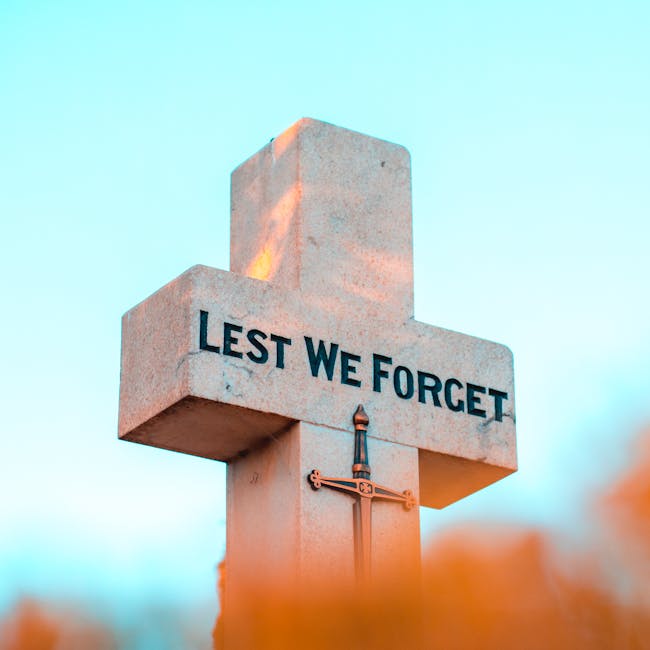
If you're considering attending an ANZAC Day service, it's a wonderful way to show your respect and connect with the community. Here are a few things to keep in mind:
- Arrive Early: Dawn services are often well-attended, so it's a good idea to arrive early to secure a good spot.
- Dress Appropriately: Dress respectfully. Neat and tidy attire is appropriate. Wearing a poppy is a sign of respect.
- Be Silent and Respectful: During the service, maintain silence and show respect for the proceedings. Refrain from talking, using your phone, or engaging in other distracting behavior.
- Follow Instructions: Follow the instructions of the organizers and marshals.
- Participate: Sing the national anthem and join in the reading of the Ode of Remembrance if you feel comfortable doing so.
- Consider Your Children: If you're bringing children, explain the significance of the day to them beforehand and ensure they understand the importance of being quiet and respectful.
- Lay a Wreath (Optional): If you have a personal connection to the armed forces, you may wish to lay a wreath at the memorial. Check with the organizers beforehand to find out the appropriate procedure.
Beyond the Ceremony: Reflecting on the Meaning of ANZAC Day

While attending an ANZAC Day service is a powerful experience, the day is also about personal reflection. Take some time to think about the sacrifices made by those who have served, the impact of war on individuals and communities, and the importance of striving for peace.
Here are a few ways you can reflect on the meaning of ANZAC Day:
- Read About ANZAC History: Learn more about the history of the ANZACs, the Gallipoli Campaign, and other conflicts in which New Zealanders have served. There are many excellent books, documentaries, and online resources available.
- Talk to a Veteran: If you have the opportunity, talk to a veteran about their experiences. Listen to their stories with respect and empathy.
- Visit a War Memorial: Take a trip to a war memorial in your local area or further afield. Reflect on the names inscribed on the memorial and the lives they represent.
- Watch a Film: Watch a film that depicts the experiences of soldiers in war. Films like "Gallipoli," "Once Were Warriors" (while not directly about war, it deals with the impact of colonialism and violence), or "The Darkest Hour" (focuses on leadership during wartime) can provide insights into the human cost of conflict.
- Spend Time in Nature: Take a walk in nature and reflect on the beauty and fragility of life. Remember that the sacrifices made by those who have served were often made to protect the values and freedoms we enjoy today.
ANZAC Day in the 21st Century: Staying Relevant and Engaging Younger Generations

In recent years, there has been a growing emphasis on ensuring that ANZAC Day remains relevant to younger generations. It's important that young people understand the history of ANZAC Day and the values it represents. This involves:
- Education in Schools: Integrating ANZAC history into the school curriculum in a meaningful and engaging way.
- Youth Involvement in Commemorations: Encouraging young people to participate in ANZAC Day services, perhaps by reading poems, playing musical instruments, or laying wreaths.
- Using Technology: Utilizing technology to share ANZAC stories and connect with younger audiences. This could involve creating online resources, interactive exhibits, or social media campaigns.
- Focusing on Values: Emphasizing the enduring values of courage, mateship, and sacrifice that underpin ANZAC Day. These values are relevant to young people today, regardless of their connection to the military.
More Than Just Remembrance: Looking Towards the Future

While ANZAC Day is primarily a day of remembrance, it's also an opportunity to look towards the future. It's a time to reflect on the lessons of the past and consider how we can create a more peaceful and just world.
This might involve:
- Supporting Peace Initiatives: Supporting organizations that work to promote peace and prevent conflict.
- Promoting Understanding and Tolerance: Encouraging understanding and tolerance between different cultures and religions.
- Working for Social Justice: Working to address the root causes of conflict, such as poverty, inequality, and discrimination.
- Honoring Veterans Every Day: Remembering and supporting our veterans not just on ANZAC Day, but every day of the year. This could involve volunteering at an RSA, donating to veterans' charities, or simply taking the time to listen to their stories.
For me, ANZAC Day is a powerful reminder that peace is not simply the absence of war, but an active pursuit. It requires courage, compassion, and a commitment to working together to build a better future for all.
Making ANZAC Day Meaningful for You: Finding Your Own Connection

Ultimately, the meaning of ANZAC Day is personal. It's about finding your own connection to the history, the values, and the people it represents. Whether you attend a dawn service, visit a war memorial, or simply take a moment to reflect on the sacrifices made by others, I encourage you to find a way to make ANZAC Day meaningful for you.
Perhaps it's through your family history, a connection to a specific conflict, or simply a deep respect for the values of courage and sacrifice. Whatever it is, embrace that connection and use it to inspire you to live a life of purpose and meaning.
This ANZAC Day, let's remember those who have served, honor their sacrifices, and commit ourselves to building a more peaceful and just world. Lest we forget.
Post a Comment