Celebrating Matariki: A Journey into the Māori New Year

Celebrating Matariki: A Journey into the Māori New Year
Hey everyone! Have you ever felt that stirring of excitement as one year fades into another? That sense of new beginnings and fresh perspectives? Well, here in Aotearoa New Zealand, we have a beautiful way of marking that time: Matariki. It's not just another holiday; it's a deep connection to our land, our ancestors, and the cosmos. I want to share with you what makes Matariki so special and how you can join in the celebrations!
What is Matariki? A Celestial Spark
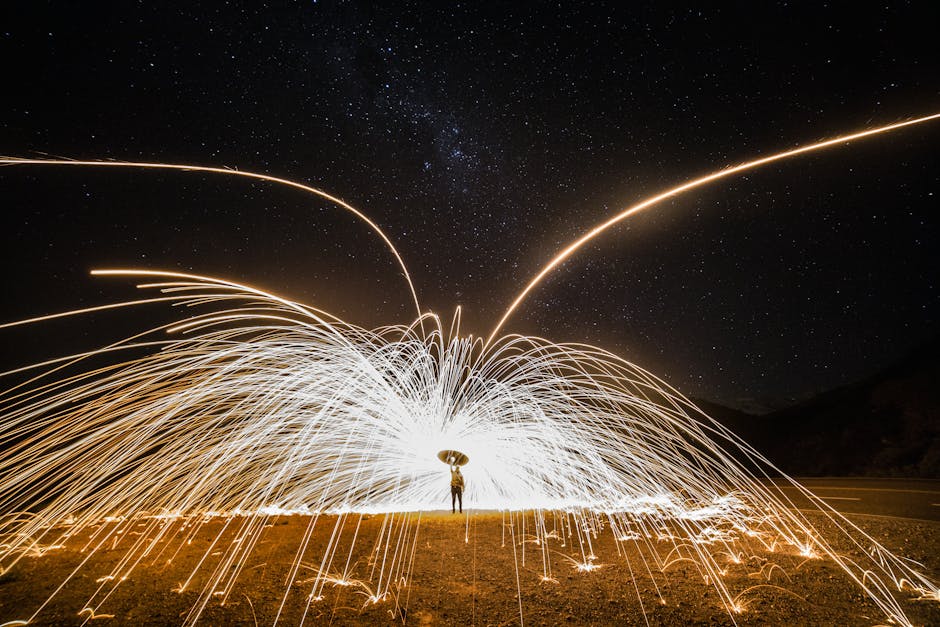
At its heart, Matariki is the Māori name for the Pleiades star cluster. For Māori, the appearance of Matariki in the winter skies heralds the start of the Māori New Year. Think of it as our traditional calendar's reset button! It's a time for reflection, remembrance, and planning for the year ahead. The exact timing varies depending on the iwi (tribe) and their location, but generally, it occurs in June or July. I remember as a kid, my grandfather would always point to the sky, telling stories about the stars and their significance. Those stories really shaped my understanding of Matariki.
But it's much more than just stargazing! It's a holistic celebration that weaves together:
- Remembrance: Honoring those who have passed away since the last rising of Matariki. This is a time for whānau (family) to come together and share memories.
- Present Time: Gathering with loved ones, enjoying kai (food), and celebrating life. Think of it as our own version of Thanksgiving, but with a distinct Māori flavor.
- Future Planning: Looking ahead to the coming year, setting goals, and making plans for growth and prosperity. It's a time for reflection and intention-setting.
The Legend of Matariki: The Mother and Her Daughters

Every culture has its origin stories, and Matariki is no different. The legend goes that Tāwhirimātea, the god of storms, was so distraught by the separation of his parents, Ranginui (the sky father) and Papatūānuku (the earth mother), that he tore out his eyes and threw them into the sky. These became the Matariki stars. Isn't that powerful imagery? Matariki is often depicted as a mother (Matariki herself) and her daughters. While the exact number and names of the daughters vary between iwi, they generally represent different aspects of life and wellbeing:
- Matariki: The mother star, associated with wellbeing and reflection.
- Tupuānuku: Connected to the earth and the growth of food. Think of her as the guardian of all things that grow from the ground.
- Tupuārangi: Linked to the sky and everything that grows above the ground, like birds and fruit.
- Waitī: Associated with freshwater and the life within rivers and lakes.
- Waitā: Connected to the ocean and the abundance of sea life.
- Waipunarangi: Related to rain and its life-giving properties.
- Ururangi: The wind, and the impact it has on our lives.
- Pōhutukawa: The star that carries away the spirits of the deceased.
- Hiwa-i-te-rangi: The wishing star, where we send our hopes and aspirations for the future.
Understanding these connections helps to appreciate the depth and complexity of Matariki. It's not just about seeing stars; it's about recognizing the interconnectedness of everything.
How to Celebrate Matariki: Embracing the Spirit

So, how can you celebrate Matariki? The good news is that it's not about elaborate rituals or expensive gifts. It's about embracing the spirit of the occasion. Here are a few ideas:
- Look to the Sky: Of course! Find a dark spot, away from city lights, and try to spot the Matariki cluster. Download a stargazing app to help you identify it. Just taking the time to appreciate the beauty of the night sky is a wonderful way to connect with the event.
- Spend Time with Whānau: This is a central part of Matariki. Gather with your family and friends, share stories, and enjoy each other's company.
- Share a Feast (Hākari): Food is a universal language, and Matariki is a great time to share a delicious meal. Think traditional Māori dishes like hāngī (earth oven cooking) or boil-up, but any meal shared with love will do!
- Reflect and Remember: Take some time to remember those who have passed away since the last Matariki. Share stories, look at photos, and honor their memory.
- Set Intentions for the Future: What do you want to achieve in the coming year? What goals do you want to set? Write them down, share them with loved ones, and commit to working towards them.
- Learn About Māori Culture: Matariki is a great opportunity to learn more about Māori culture and traditions. Read books, visit a marae (Māori meeting ground), or attend a cultural event.
- Give Back to Your Community: Matariki is also a time for giving back. Volunteer your time, donate to a charity, or simply offer a helping hand to someone in need.
The beauty of Matariki is that you can adapt the celebrations to suit your own circumstances and beliefs. It's about connecting with the spirit of the occasion and making it meaningful for you.
My Personal Matariki Experiences: Sharing the Warmth
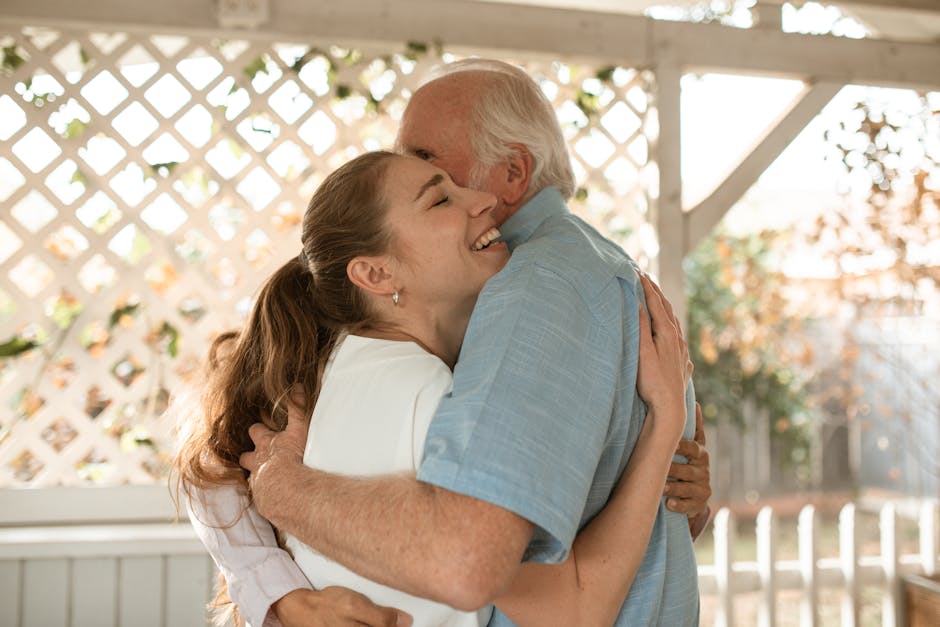
Over the years, my Matariki celebrations have evolved. As a child, it was all about staying up late, wrapped in blankets, trying to spot the stars with my whānau. My grandfather would tell us stories, his voice filled with reverence and connection to the land. As I got older, I started to understand the deeper meaning behind the traditions. I remember one year, after losing a close family member, Matariki felt particularly poignant. Gathering with my whānau, sharing memories, and feeling the collective grief helped us to heal and move forward.
Now, I try to incorporate elements of Matariki into my everyday life. I'm more mindful of the seasons, more grateful for the food I eat, and more intentional about my goals. I even started learning te reo Māori (the Māori language), which has deepened my understanding and appreciation of the culture.
One of my favorite Matariki traditions is the hākari (feast). I love cooking traditional Māori dishes and sharing them with my friends and family. There's something incredibly satisfying about preparing food together, sharing stories around the table, and feeling the warmth of community.
The Significance of Matariki in Modern New Zealand

Matariki has undergone a significant revival in recent years. What was once a largely overlooked tradition is now a nationally recognized holiday. This is partly due to a growing awareness of Māori culture and a desire to reconnect with our roots. It's also a recognition that Matariki offers a unique and valuable perspective on time, community, and the environment.
The official recognition of Matariki as a public holiday in 2022 was a monumental step. It's a signal that New Zealand is embracing its bicultural identity and acknowledging the importance of Māori traditions. It provides an opportunity for all New Zealanders to learn about and celebrate Matariki, regardless of their background.
But the significance goes beyond just a day off work. It's about:
- Cultural Preservation: Ensuring that Māori traditions are passed down to future generations.
- National Unity: Creating a shared sense of identity and belonging for all New Zealanders.
- Environmental Awareness: Promoting a deeper understanding of the interconnectedness between humans and the natural world.
- Economic Benefits: Supporting tourism and local businesses.
I've seen firsthand how Matariki celebrations have brought communities together. From local festivals to school projects, people are embracing the spirit of Matariki with enthusiasm and creativity. It's a truly inspiring time to be in Aotearoa New Zealand.
Tips for Making Your Matariki Celebrations Meaningful

Okay, so you're keen to celebrate Matariki, but you're not sure where to start? Here are a few tips to help you make your celebrations meaningful and authentic:
- Do Your Research: Learn about the history and traditions of Matariki. Understand the significance of the stars and the different ways that iwi celebrate.
- Be Respectful: Remember that Matariki is a sacred time for Māori. Approach the celebrations with respect and sensitivity.
- Engage with Local Māori Communities: Attend local events, workshops, or cultural performances. Support Māori businesses and organizations.
- Incorporate Māori Language and Culture: Learn a few basic te reo Māori phrases and use them in your celebrations. Play Māori music, read Māori stories, and try cooking traditional Māori dishes.
- Reflect on Your Own Values: Use Matariki as an opportunity to reflect on your own values and goals. How can you live a more meaningful and fulfilling life?
- Connect with Nature: Spend time outdoors, appreciating the beauty of the natural world. Go for a walk in the forest, visit a beach, or simply sit and watch the stars.
- Be Present: Put away your phone and be present in the moment. Connect with your loved ones, appreciate the beauty around you, and savor the experience.
Remember, there's no right or wrong way to celebrate Matariki. The most important thing is to approach it with an open heart and a willingness to learn and connect.
The Future of Matariki: A Bright Horizon

I believe that Matariki has a bright future in New Zealand. As more and more people embrace the tradition, it will continue to grow in significance and become an integral part of our national identity. I envision a future where Matariki is celebrated not just for one day, but throughout the year, as a reminder of our connection to the land, our ancestors, and each other.
I also hope that Matariki will inspire other cultures to reconnect with their own traditional calendars and celebrations. There's something incredibly powerful about celebrating the cycles of nature and honoring the wisdom of our ancestors. The world needs more of that, I think.
So, as Matariki approaches, I encourage you to take some time to reflect, remember, and plan for the future. Look to the sky, connect with your loved ones, and embrace the spirit of the Māori New Year. It's a journey of discovery, connection, and renewal. Haere mai, Matariki! Welcome, Matariki!
I hope this has given you a good insight into the beauty and significance of Matariki. It's a truly special time of year, and I feel so lucky to be able to share it with you. Happy Matariki to you all!
Post a Comment