Birdwatching Down Under: Chasing Winged Wonders in New Zealand's Wilds

Birdwatching Down Under: Chasing Winged Wonders in New Zealand's Wilds
Hey there, fellow nature enthusiast! Let me tell you about one of my absolute favorite adventures: birdwatching in New Zealand. Seriously, if you're even remotely interested in birds, this place needs to be on your bucket list. It's like stepping into a real-life nature documentary, filled with bizarre, beautiful, and utterly unique species you won't find anywhere else on Earth. I'm talking birds so weird they seem like they were designed by committee! I'm going to share my experiences, tips, and a little bit of birdy wisdom I've picked up along the way.
Why New Zealand is a Birdwatcher's Paradise

Okay, so what makes New Zealand so special? Well, its geographic isolation is a huge factor. Think about it: these islands broke away from Gondwana millions of years ago, allowing evolution to take some pretty… interesting… turns. This isolation led to the evolution of flightless birds like the kiwi (obviously the poster child!), the weka, and the extinct moa. But even the birds that can fly are often strikingly different from their counterparts elsewhere.
Then there's the sheer variety of habitats. From pristine beaches teeming with seabirds to lush rainforests echoing with the calls of native songbirds, and from rugged mountains to serene wetlands, New Zealand offers something for every avian taste. The government has also put in enormous effort towards conservation, and while there are still challenges, the dedication is truly inspiring.
Planning Your Birdwatching Trip: A Few Practical Tips

Before you hop on a plane, a little planning goes a long way. Here's what I learned from my own experiences:
- Timing is everything: New Zealand's seasons are reversed compared to the Northern Hemisphere. Spring (September-November) is generally considered a great time to visit for birdwatching, as many birds are breeding. Summer (December-February) is also popular, but be prepared for more tourists.
- Gear up: You'll need binoculars, obviously! I recommend something with at least 8x magnification. A good bird guide (more on that later) is essential. And don't forget waterproof clothing, sturdy hiking boots, and sunscreen (the sun is intense!).
- Permits and access: Some areas require permits, especially for overnight stays in national parks. Check the Department of Conservation (DOC) website for details. Also, be aware of private land access.
- Transportation: New Zealand is best explored by car. This gives you the freedom to explore at your own pace and reach those hidden gems. Consider renting a 4WD if you plan on venturing off the beaten path.
- Accommodation: Options range from budget-friendly hostels to luxurious lodges. Book in advance, especially during peak season. DOC campsites are a great option for budget travellers and often located in stunning locations.
Must-Have Birdwatching Gear: My Personal Recommendations
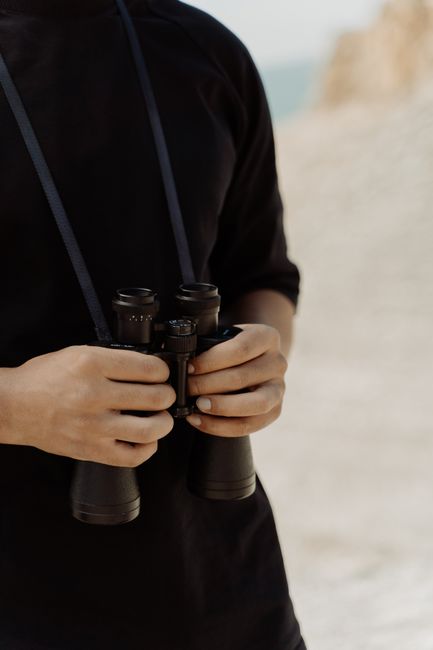
Over the years, I've refined my birdwatching kit. Here's what I wouldn't leave home without:
- Binoculars: As I mentioned, 8x42 binoculars are a good starting point. I currently use a pair of 10x42s, which give me a little more reach, but they can be slightly harder to hold steady. Do your research and try out a few different pairs before you buy.
- Bird Guide: "The Field Guide to the Birds of New Zealand" by Heather and Robertson is considered the bible. It's comprehensive, well-illustrated, and packed with information.
- Notebook and pen: For jotting down observations, sketches, and life list additions! I prefer a waterproof notebook, just in case.
- Camera: Even if you're not a professional photographer, a camera with a decent zoom can help you capture those fleeting moments.
- First-aid kit: It's always a good idea to be prepared for minor injuries, especially when hiking in remote areas.
- Insect repellent: Sandflies can be a nuisance, especially in the South Island. Pack a good quality repellent and long sleeves and trousers for extra protection.
Top Birdwatching Spots in New Zealand: My Favorite Hangouts
Okay, let's get to the good stuff! Here are some of my absolute favorite places to go birdwatching in New Zealand. Prepare to be amazed!
1. Stewart Island/Rakiura: A Wilderness Paradise
If you're serious about seeing kiwi in the wild, Stewart Island is the place to go. It's New Zealand's third-largest island, located just south of the South Island. It's a sparsely populated wilderness, with vast tracts of native forest and stunning coastline. There is a good chance of seeing the Stewart Island Brown Kiwi, which, uniquely, can be active during the day. Take a guided kiwi-spotting walk at night for the best chances.
Other highlights include the yellow-eyed penguin (hoiho), the sooty shearwater (titi), and a variety of other seabirds. Ulva Island, a predator-free open sanctuary just a short boat ride from the main settlement, is an absolute must-visit. It's a haven for native birds, and you'll see them everywhere you look!
2. Tiritiri Matangi Island: A Conservation Success Story
Just a short ferry ride from Auckland, Tiritiri Matangi is a true conservation success story. Once a heavily grazed farm, it has been transformed into a thriving bird sanctuary through intensive replanting and pest control. It's home to many endangered species, including the takahe (a flightless rail), the kokako (a striking blue-wattled bird), and the saddleback (tieke).
The island is incredibly accessible and well-managed. There are walking tracks, guided tours, and even volunteer opportunities. I've volunteered here multiple times, and it's been an amazing experience to contribute to the conservation effort.
3. Fiordland National Park: Majesty and Mystery
Fiordland National Park is a World Heritage Site and one of the most dramatic landscapes in New Zealand. Towering mountains, deep fiords, and dense rainforests provide habitat for a wide range of birds. Keep an eye out for the kea (the world's only alpine parrot, and a notorious trickster!), the blue duck (whio, a rare and endangered river duck), and the rock wren (piwauwau, a tiny alpine specialist).
A boat trip on Milford Sound or Doubtful Sound is a fantastic way to see seabirds, including the Fiordland crested penguin (tawaki). Be sure to take your rain gear – Fiordland is known for its high rainfall!
4. Abel Tasman National Park: Coastal Beauty and Birdsong
Abel Tasman National Park offers a beautiful combination of golden beaches, turquoise waters, and lush coastal forests. It's a great place to see bellbirds (korimako), tui, and fantails (piwakawaka). The Abel Tasman Coast Track is a popular multi-day hike, but you can also explore the park by kayak or boat.
Several islands within the park are predator-free sanctuaries, providing safe havens for endangered species. Take a boat trip to these islands for a chance to see rare birds like the orange-fronted parakeet (kakariki karaka).
5. Otago Peninsula: Seabirds Galore
The Otago Peninsula, near Dunedin, is a renowned seabird hotspot. It's home to the only mainland breeding colony of albatrosses in the world! The Royal Albatross Centre at Taiaroa Head is a must-visit. You can also see yellow-eyed penguins, little blue penguins (korora), and a variety of other seabirds along the coast.
Take a guided tour to learn about the albatrosses and other wildlife. The peninsula is also a great place to spot seals and sea lions.
Spotting Specific Birds: A Mini-Guide
Okay, let's talk specifics. Here's how to find some of New Zealand's most iconic birds:
- Kiwi: Your best bet is Stewart Island, as mentioned. Opt for a guided night walk with a local expert.
- Takahe: Tiritiri Matangi Island is the easiest place to see these colourful, flightless birds.
- Kea: Head to the Southern Alps, particularly around Arthur's Pass or Fiordland National Park. Be careful – they're cheeky and will try to steal your lunch!
- Yellow-eyed penguin (Hoiho): Otago Peninsula and Stewart Island are good bets. Visit in the late afternoon as they return to shore after feeding.
- Royal Albatross: Taiaroa Head on the Otago Peninsula is the only mainland breeding colony in the world.
- Kōkako: Tiritiri Matangi Island, Pureora Forest Park (North Island), and some other managed sanctuaries are good places to look. Listen for their haunting, bell-like calls.
Conservation in Action: How You Can Help

Birdwatching isn't just about ticking species off a list; it's about connecting with nature and understanding the importance of conservation. New Zealand has faced significant challenges with introduced predators, and many native bird populations are still struggling. Here's how you can help:
- Support conservation organizations: Donate to or volunteer with organizations like Forest & Bird or the Department of Conservation.
- Practice responsible birdwatching: Keep a safe distance from birds, avoid disturbing their nests, and never feed them.
- Be pest-free: Clean your gear thoroughly before entering national parks and other sensitive areas to prevent the spread of invasive species.
- Spread the word: Tell your friends and family about the importance of bird conservation.
- Choose eco-friendly tourism options: Support businesses that are committed to sustainability.
My Most Memorable Birdwatching Moments

Let me share a couple of unforgettable experiences I've had in New Zealand:
One time, on Stewart Island, I was walking through the forest at dusk when I heard a rustling in the undergrowth. I froze, and then, right in front of me, a kiwi emerged! It was foraging for food, oblivious to my presence. I watched it for what felt like an eternity, completely mesmerized. It was a truly magical moment.
Another time, on Tiritiri Matangi Island, I was sitting quietly on a bench when a takahe came right up to me and started pecking at my shoelaces! It was so curious and unafraid. It was a reminder of the incredible impact that conservation efforts can have.
Final Thoughts: Go Birdwatching in New Zealand!

Birdwatching in New Zealand is more than just a hobby; it's an adventure. It's a chance to connect with nature, discover unique species, and support conservation efforts. So, pack your bags, grab your binoculars, and get ready to experience the avian wonders of New Zealand. Trust me, you won't be disappointed!
Happy birding, my friend! And let me know what incredible birds you spot on your adventure.
Post a Comment