Best Time to Visit New Zealand: Seasons, Events, and Unforgettable Adventures
Best Time to Visit New Zealand: Seasons, Events, and Unforgettable Adventures
Okay, so you're dreaming of New Zealand. I get it! Turquoise waters, majestic mountains, and enough adventure to fill a lifetime – it's an incredible place. But when is the best time to go? That's a question I get asked all the time, and honestly, the answer is… it depends! New Zealand is a year-round destination, but the "best" time for you hinges on what you want to experience. Let's break down the seasons, the major events, and a few personal anecdotes to help you plan your perfect Kiwi adventure.
Seasons Down Under: A Quick Overview

First things first, remember that New Zealand is in the Southern Hemisphere, so the seasons are opposite to those in the Northern Hemisphere. Think of it this way: when you're bundled up in winter, they're soaking up the sun. Here's a brief overview:
- Summer (December - February): Long, warm days, perfect for hiking, swimming, and exploring the beaches. This is peak tourist season, so expect higher prices and more crowds.
- Autumn (March - May): Stunning foliage, crisp air, and fewer crowds than summer. Ideal for hiking and enjoying the changing landscapes. This is my personal favorite time to visit!
- Winter (June - August): Snow-capped mountains, fantastic skiing and snowboarding, and cozy evenings by the fire. This is the low season for many areas, so you can find great deals on accommodation.
- Spring (September - November): Wildflowers blooming, baby animals everywhere, and a sense of renewal. Great for hiking and outdoor activities before the summer crowds arrive.
Each season offers a completely different experience. Let's dive a little deeper into what makes each one special.
Summer (December - February): Sunshine and Adventures

Summer in New Zealand is all about sunshine, beaches, and outdoor adventures. The days are long, the temperatures are warm (typically 20-30°C or 68-86°F), and the atmosphere is buzzing. This is the time to hit the beaches, go hiking in the national parks, and enjoy water sports like kayaking, surfing, and swimming.
Pros:
- Warm weather: Perfect for swimming and sunbathing.
- Long daylight hours: More time to explore.
- Festivals and events: Summer is jam-packed with outdoor concerts, food festivals, and cultural celebrations.
Cons:
- Crowds: Expect to share the popular spots with lots of other travelers.
- Higher prices: Accommodation and activities are generally more expensive.
- Bookings essential: You'll need to book accommodation, tours, and transportation well in advance.
My Summer Memory: I spent a summer in Abel Tasman National Park, kayaking through crystal-clear waters and camping on secluded beaches. The sunsets were breathtaking, and the feeling of being surrounded by nature was incredible. Just remember to pack sunscreen and insect repellent!
Autumn (March - May): A Riot of Colors

Autumn is my absolute favorite time to visit New Zealand. The weather is still mild, but the crowds have thinned out, and the landscapes are transformed into a stunning tapestry of reds, oranges, and yellows. Imagine driving through the South Island, surrounded by mountains ablaze with autumn color – it's truly magical.
Pros:
- Spectacular foliage: The trees are putting on a show.
- Mild weather: Perfect for hiking and exploring.
- Fewer crowds: Enjoy the peace and quiet.
- Lower prices: Accommodation and activities are generally cheaper than in summer.
Cons:
- Shorter daylight hours: You'll have less time to explore in the evenings.
- Variable weather: Autumn can be unpredictable, so be prepared for rain and wind.
My Autumn Adventure: I hiked the Routeburn Track in autumn, and the colors were simply breathtaking. The crisp air, the vibrant foliage, and the sense of solitude made it an unforgettable experience. Plus, I managed to snag a great deal on accommodation because it wasn't peak season!
Winter (June - August): Snow-Capped Peaks and Cozy Nights

Winter in New Zealand is a wonderland of snow-capped peaks, perfect for skiing, snowboarding, and other winter sports. The South Island transforms into a snowy playground, while the North Island offers milder temperatures and opportunities for hiking and exploring. Plus, imagine curling up by a roaring fire with a glass of local wine after a day on the slopes – pure bliss!
Pros:
- Fantastic skiing and snowboarding: New Zealand boasts world-class ski resorts.
- Stunning scenery: The snow-covered mountains are breathtaking.
- Lower prices: Accommodation and activities are generally cheaper than in summer (except for ski resort areas).
Cons:
- Cold weather: Be prepared for freezing temperatures and snow.
- Shorter daylight hours: You'll have limited time for outdoor activities.
- Road closures: Some roads may be closed due to snow and ice.
My Winter Escape: I spent a week in Queenstown during winter, and it was magical. I learned to snowboard (badly, but enthusiastically!), explored the town's vibrant nightlife, and enjoyed some amazing meals. The atmosphere was festive, and the views were simply stunning.
Spring (September - November): Renewal and Rebirth
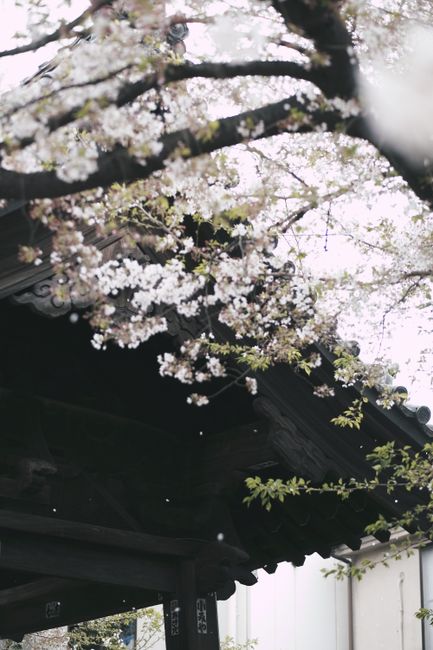
Spring in New Zealand is a time of renewal and rebirth. The wildflowers are blooming, the baby animals are frolicking, and the landscapes are bursting with life. The weather is mild and sunny, making it a great time for hiking, cycling, and exploring the gardens and parks.
Pros:
- Beautiful wildflowers: The landscapes are covered in blooms.
- Mild weather: Perfect for outdoor activities.
- Fewer crowds: Enjoy the peace and quiet before the summer rush.
- Baby animals: Lambs, calves, and other baby animals are everywhere.
Cons:
- Variable weather: Spring can be unpredictable, so be prepared for rain and wind.
- Some activities may not be fully open: Some summer attractions may not open until December.
My Spring Discovery: I visited the Hobbiton Movie Set in spring, and it was even more enchanting than I imagined. The gardens were in full bloom, and the surrounding countryside was lush and green. It felt like stepping into a fairytale!
Key Events to Consider When Planning Your Trip

New Zealand is a land of vibrant events and festivals throughout the year. Planning your trip around one of these events can add an extra layer of excitement and cultural immersion to your experience. Here are a few of the highlights:
- Christmas and New Year (December - January): A time for celebration and outdoor activities. Beaches are packed, and there are fireworks displays all over the country.
- Waitangi Day (February 6th): New Zealand's national day, commemorating the signing of the Treaty of Waitangi. Expect cultural performances and celebrations across the country.
- Auckland Lantern Festival (February/March): A spectacular display of lanterns and cultural performances celebrating the Chinese New Year.
- Queenstown Winter Festival (June/July): A celebration of winter with ski and snowboard competitions, street performers, and fireworks.
- Hokitika Wildfoods Festival (March): A quirky festival celebrating unusual and exotic foods. (Think huhu grubs and mountain oysters!)
- Wellington on a Plate (August): A culinary festival showcasing the best of Wellington's food and drink scene.
- Art Deco Weekend, Napier (February): A step back in time to celebrate Napier's stunning Art Deco architecture.
A Tip from Experience: If you're planning to attend a major event, be sure to book your accommodation and transportation well in advance, as things tend to fill up quickly.
Regional Considerations: North Island vs. South Island
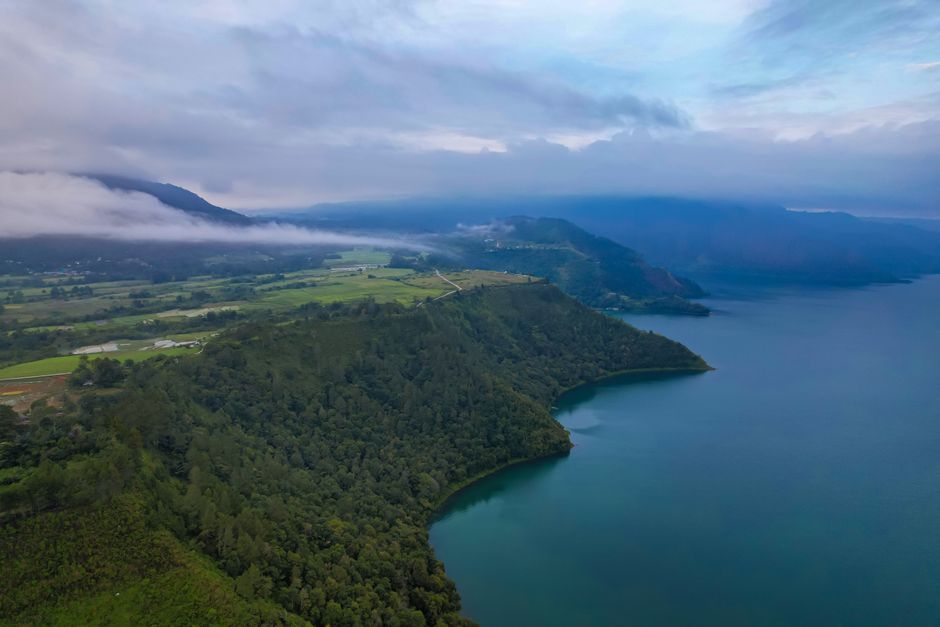
It's worth noting that the North and South Islands have distinct climates. The North Island is generally warmer and more humid, while the South Island is cooler and drier. This means that the best time to visit each island can vary slightly.
North Island:
- Summer: Perfect for beaches, hiking, and exploring the Bay of Islands.
- Autumn: Enjoy the mild weather and explore the vineyards of Hawke's Bay.
- Winter: Relatively mild compared to the South Island, good for hiking and exploring the thermal areas of Rotorua.
- Spring: Witness the blooming wildflowers and enjoy the milder temperatures.
South Island:
- Summer: Ideal for hiking in the Southern Alps, exploring the Fiordland National Park, and enjoying the beaches of the Abel Tasman National Park.
- Autumn: Witness the stunning autumn foliage in Central Otago and the Southern Alps.
- Winter: Perfect for skiing and snowboarding in Queenstown, Wanaka, and Canterbury.
- Spring: Enjoy the blooming wildflowers and the milder temperatures.
Budget Considerations: When to Save Money

Traveling to New Zealand can be expensive, but there are ways to save money. The shoulder seasons (spring and autumn) generally offer the best balance of good weather and lower prices. You can also find great deals on accommodation and activities during the winter months (excluding ski resort areas). Be sure to compare prices and book in advance, especially if you're traveling during peak season.
Pro Tip: Consider traveling during the shoulder seasons (spring and autumn) to save money on accommodation and activities.
So, When Is the Best Time for You?

Ultimately, the best time to visit New Zealand depends on your interests and priorities. If you're looking for warm weather and sunshine, summer is the way to go. If you're a fan of autumn colors and fewer crowds, autumn is your best bet. If you're a winter sports enthusiast, winter is the perfect time to hit the slopes. And if you're looking for wildflowers and mild temperatures, spring is a great choice.
Think about what you want to experience, consider your budget, and plan accordingly. No matter when you choose to visit, New Zealand is sure to leave you with memories that will last a lifetime.
No matter when you go, remember to pack for all types of weather! New Zealand weather can change quickly. Bring layers, rain gear, and good walking shoes. And most importantly, bring your sense of adventure! You're in for an amazing journey. Happy travels!
Post a Comment