Accessible Travel in New Zealand: Your Guide to Exploring Aotearoa For Everyone
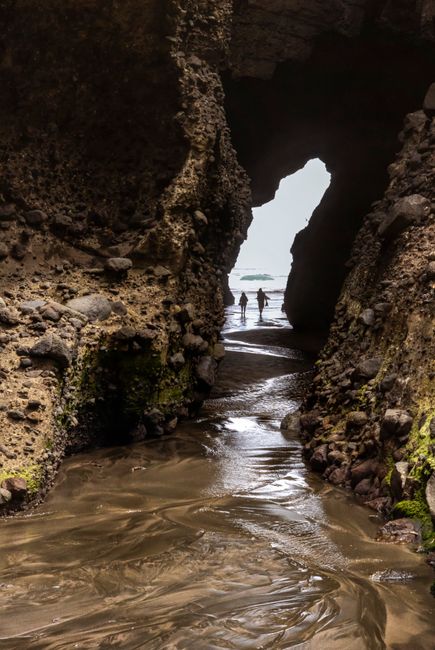
Accessible Travel in New Zealand: Your Guide to Exploring Aotearoa For Everyone
Kia ora and welcome! If you're dreaming of exploring the stunning landscapes of New Zealand but have concerns about accessibility, you're in the right place. I'm here to share my experiences and insights, hoping to make your Kiwi adventure a reality. For too long, travel for those with disabilities or mobility challenges has felt like an uphill battle. But New Zealand, or Aotearoa as it's known in Māori, is making strides in becoming a more inclusive and accessible destination. It's a journey, not a destination (pun intended!), and I'm excited to guide you through it.
Planning Your Accessible New Zealand Adventure

The key to a successful and enjoyable accessible trip is planning, planning, and more planning! Don't be discouraged; the extra effort upfront will pay dividends when you're actually soaking up the beauty of this incredible country. Let's break down the essential steps:
- Research, Research, Research: This is the foundation of your entire trip. Start by exploring websites dedicated to accessible tourism in New Zealand. Look for blogs, forums, and articles from other travelers with similar needs. Websites like "Accessible New Zealand" and "Be Accessible" are excellent resources.
- Define Your Needs: Be honest with yourself about your limitations and requirements. Do you need wheelchair access, hearing loops, visual aids, or something else? Knowing this will help you filter accommodation, activities, and transportation options.
- Set a Realistic Budget: Accessible travel can sometimes be more expensive due to specialized equipment or services. Factor this into your budget early on. Consider travel insurance that covers pre-existing conditions and potential medical needs while you're abroad.
- Book in Advance: Accessible accommodation and transportation options are often limited, so booking well in advance is crucial, especially during peak season (summer in New Zealand, December to February).
- Consider a Travel Agent: If the planning feels overwhelming, don't hesitate to engage a travel agent specializing in accessible tourism. They can handle the logistics and ensure everything is tailored to your specific needs.
Getting Around: Accessible Transportation Options

Navigating a new country can be daunting, but New Zealand offers several accessible transportation options to make your journey smoother. Here are some of my recommendations based on my own experience and observations:
- Flights: Air New Zealand is generally very accommodating and offers assistance to passengers with disabilities. Be sure to inform them of your needs when booking your flight and reconfirm closer to your travel date. Request assistance with boarding, deplaning, and luggage handling.
- Rental Cars: While standard rental car companies may have limited options for adaptive driving equipment, specialized companies exist that cater to travelers with disabilities. Research options in advance and book early. Consider bringing your own adaptive equipment if possible, as it may be more familiar and comfortable for you.
- Accessible Taxis and Ride-Sharing: Major cities like Auckland, Wellington, and Christchurch have accessible taxis and ride-sharing services, although availability may vary. It's best to pre-book these services to ensure they're available when you need them. Check local taxi company websites or use ride-sharing apps to find accessible options.
- Buses and Trains: Some InterCity buses and KiwiRail trains offer wheelchair access, but again, it's essential to confirm accessibility details before booking. Smaller towns may have limited accessible public transportation. Look for bus routes that are specifically designed for accessibility and ensure the train stations on your route have elevators or ramps.
- Mobility Equipment Hire: If you don't want to travel with your own wheelchair or mobility scooter, you can rent one in many cities and towns. This can be a great option for shorter trips or if you only need mobility assistance for certain activities. Companies specializing in medical equipment rentals often offer a range of options.
Finding Accessible Accommodation: Your Home Away From Home

Accessible accommodation is fundamental to a comfortable and enjoyable trip. Here's what I've learned about finding suitable options in New Zealand:
- Hotel Chains: Major hotel chains like Accor, Hilton, and Millennium & Copthorne typically offer accessible rooms that meet international standards. Check their websites for specific accessibility features and room dimensions.
- Motels and Bed & Breakfasts: Many smaller motels and B&Bs also offer accessible rooms, but it's crucial to contact them directly to confirm the specific features and suitability for your needs. Don't be afraid to ask detailed questions about ramp access, bathroom facilities, and room layout.
- Holiday Parks and Camping: Some holiday parks and campsites offer accessible cabins or campsites with accessible facilities, such as restrooms and showers. This can be a great option for budget-conscious travelers who enjoy the outdoors.
- Airbnb: Airbnb can be a mixed bag when it comes to accessibility. While some hosts are very transparent about their property's accessibility features, others may not be as accurate. Carefully review photos, read reviews, and contact the host directly to confirm that the property meets your needs.
Important Tip: When booking accommodation, always ask about the following:
- Ramp or elevator access
- Wheelchair-accessible bathrooms with grab bars
- Roll-in showers
- Accessible parking
- Visual or hearing fire alarms
- Adequate space for maneuvering a wheelchair or mobility scooter
Accessible Activities and Attractions: Experiencing the Best of New Zealand

New Zealand offers a diverse range of accessible activities and attractions to suit various interests and abilities. From breathtaking natural wonders to cultural experiences, there's something for everyone. Here are a few suggestions:
- Accessible Walking and Hiking Trails: The Department of Conservation (DOC) maintains many accessible walking and hiking trails throughout the country. These trails are typically well-maintained and have a smooth surface suitable for wheelchairs or mobility scooters. Check the DOC website for specific trail information and accessibility ratings. Some popular accessible trails include the Lake Matheson Walk (South Island) and the Waitangi Treaty Grounds (North Island).
- Accessible Beaches: Many beaches in New Zealand have accessible pathways, ramps, and beach wheelchairs available for hire. Contact local councils or surf lifesaving clubs for information on beach accessibility features. Some beaches also offer accessible swimming programs and equipment.
- Accessible Gardens and Parks: New Zealand boasts stunning gardens and parks, many of which are designed to be accessible. The Auckland Botanic Gardens, the Christchurch Botanic Gardens, and the Hamilton Gardens are all excellent examples.
- Accessible Museums and Art Galleries: Most museums and art galleries in New Zealand are fully accessible, with ramps, elevators, and accessible restrooms. Many also offer audio guides and tactile displays for visitors with visual impairments. The Te Papa Museum in Wellington is a must-see for its accessible exhibits and cultural experiences.
- Accessible Boat Tours: Several companies offer accessible boat tours of fiords, harbors, and coastlines. These tours provide a unique perspective on New Zealand's natural beauty. Check with tour operators to confirm wheelchair access and other accessibility features.
- Accessible Wildlife Encounters: Many wildlife parks and sanctuaries offer accessible pathways and viewing platforms. You can observe native birds, penguins, seals, and other amazing creatures in a safe and accessible environment.
- Accessible Wineries and Breweries: The wine regions of New Zealand, such as Marlborough and Hawke's Bay, are becoming increasingly accessible. Many wineries offer accessible tasting rooms and vineyard tours. Check with individual wineries to confirm accessibility details.
Navigating Common Challenges: Tips and Strategies

Even with careful planning, you may encounter some challenges during your accessible trip to New Zealand. Here are some tips and strategies to help you overcome these hurdles:
- Communication is Key: Don't hesitate to communicate your needs to service providers, staff at accommodations, and tour operators. Clear and open communication can prevent misunderstandings and ensure you receive the assistance you require.
- Be Prepared for the Weather: New Zealand's weather can be unpredictable, so pack accordingly. Bring layers of clothing, waterproof outerwear, and sunscreen. Be prepared for rain, wind, and sunshine, even on the same day.
- Stay Connected: Ensure you have a reliable mobile phone or internet connection so you can access maps, communicate with others, and call for help if needed. Consider purchasing a local SIM card or renting a mobile hotspot.
- Pace Yourself: Don't try to cram too much into your itinerary. Allow plenty of time for rest and relaxation to avoid fatigue and burnout. Remember, it's a vacation, not a race!
- Embrace the Kiwi Spirit: New Zealanders are known for their friendly and helpful nature. Don't be afraid to ask for help or advice. Most Kiwis are happy to go the extra mile to assist visitors.
Personal Stories and Insights: Learning from Experience

I've connected with several travelers with disabilities who have shared their experiences of exploring New Zealand. One recurring theme is the importance of advocating for your own needs. Don't assume that service providers automatically understand your requirements. Be proactive in communicating your needs and expectations. Another valuable insight is to build in extra time for travel and activities. Unexpected delays or accessibility issues can arise, so it's always better to have a buffer. Finally, remember to be patient and flexible. Things may not always go according to plan, but with a positive attitude and a sense of adventure, you can overcome any challenges that come your way.
The Future of Accessible Travel in New Zealand: A Promising Outlook

New Zealand is committed to becoming a more accessible destination for all. The government and tourism industry are investing in infrastructure improvements, accessibility training, and awareness campaigns. While there's still work to be done, the progress is encouraging. As more people with disabilities share their experiences and advocate for change, the future of accessible travel in New Zealand looks bright. I'm optimistic that future visitors will find it even easier to explore and enjoy the beauty of this incredible country.
My final piece of advice: Don't let concerns about accessibility hold you back from pursuing your dreams of exploring New Zealand. With careful planning, a positive attitude, and a willingness to advocate for your needs, you can have an unforgettable adventure in Aotearoa. Go forth, explore, and create memories that will last a lifetime!
Post a Comment